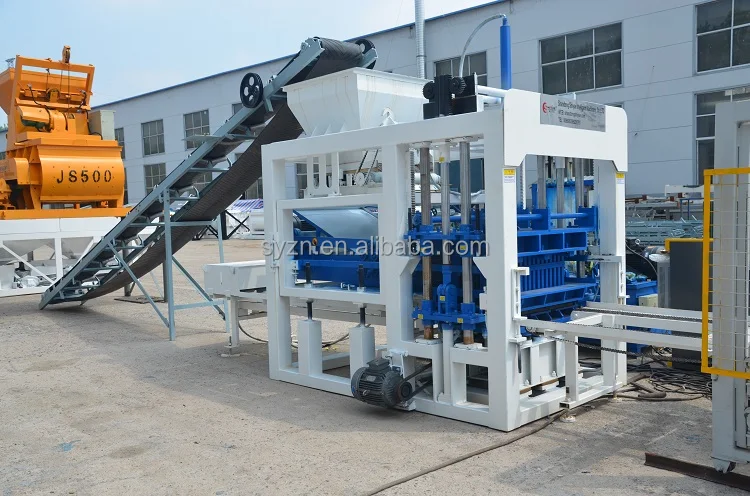


Description
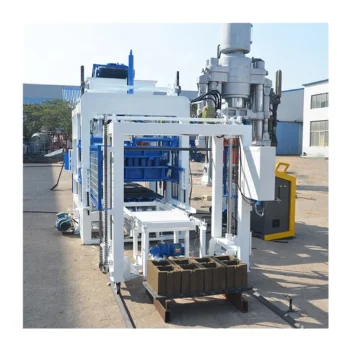
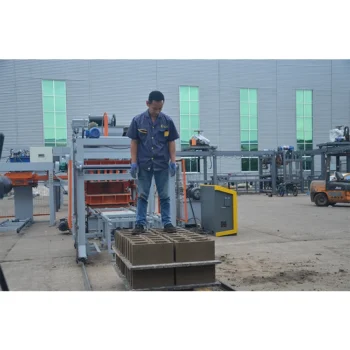
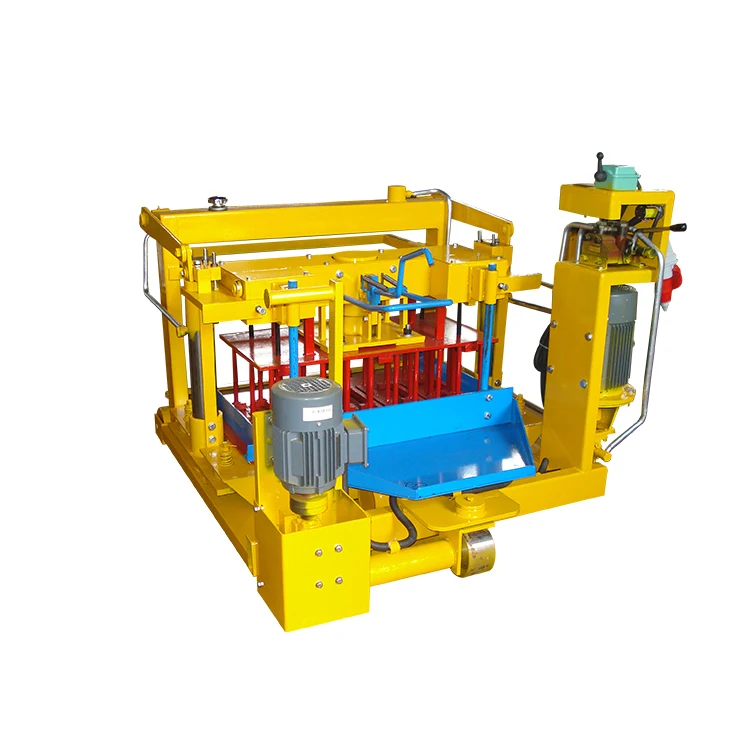
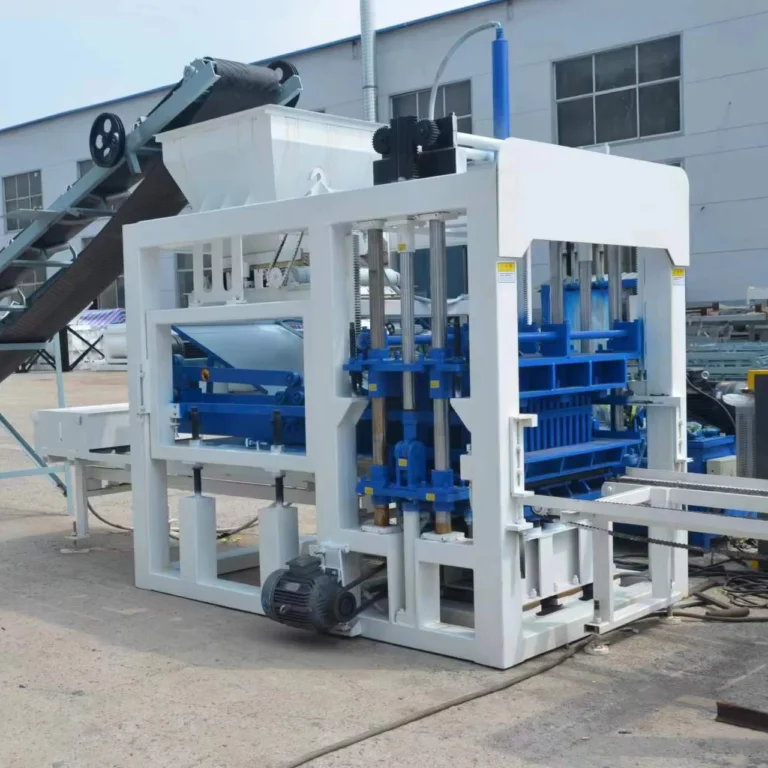
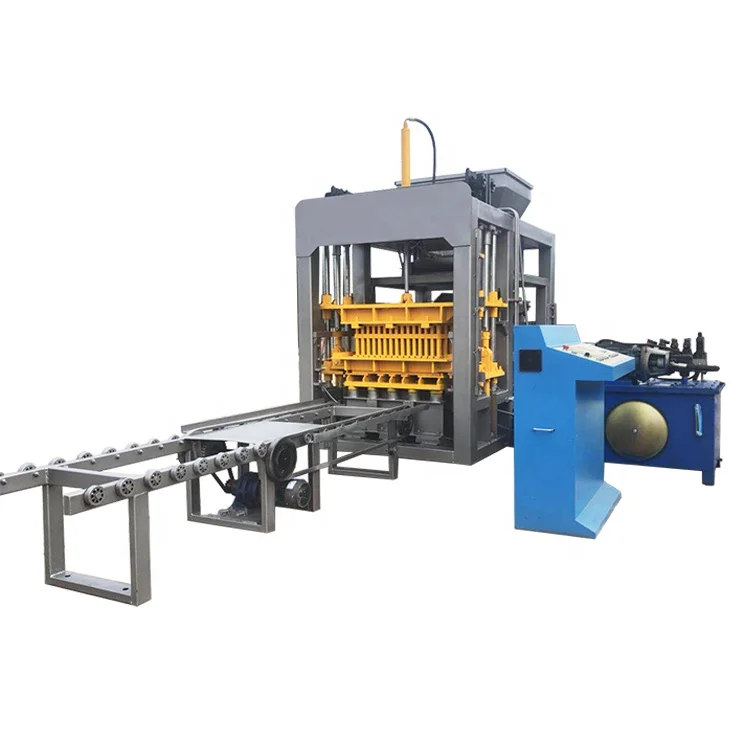
Stocked configuration — the QT5-15 automatic block machine is held in ready-to-dispatch condition, so project timelines depend on shipping days rather than production lead time.
Technical Specifications
| Parameter | Value |
|---|---|
| Product Type | Automatic Hydraulic Concrete Block Making Machine |
| Model | QT5-15 |
| Rated Power | 26.5 kW |
| Molding Cycle | 15–20 seconds |
| Hydraulic Pressure | 16–21 MPa |
| Main Vibration Form | Platform vibration |
| Vibration Force | 45 kN |
| Pallet Size | 1100 × 550 mm |
| Machine Weight | 6000 kg |
| Overall Dimensions | 7400 × 1950 × 2800 mm |
| Voltage | Configurable to local requirement (confirm with buyer) |
| Control System | PLC Controller |
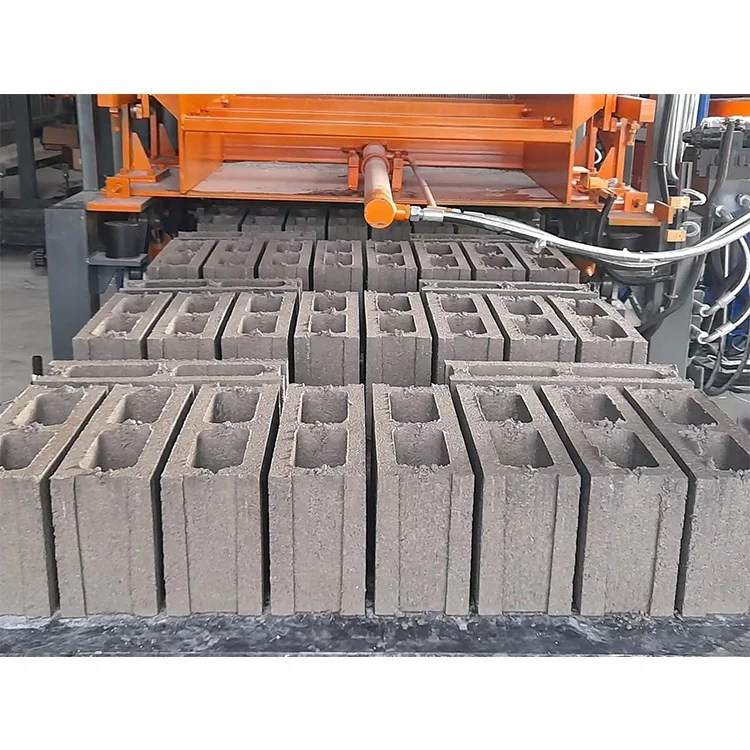
| Output (Hollow Block 400×200×200mm, 5 pcs/mould) | 7,200–9,600 pcs/day |
| Output (Porous Block 240×115×90mm, 16 pcs/mould) | 23,000–28,800 pcs/day |
| Output (Standard Block 240×115×53mm, 32 pcs/mould) | 61,440–70,400 pcs/day |
Application Suitability
| Application | Material or Output |
|---|---|
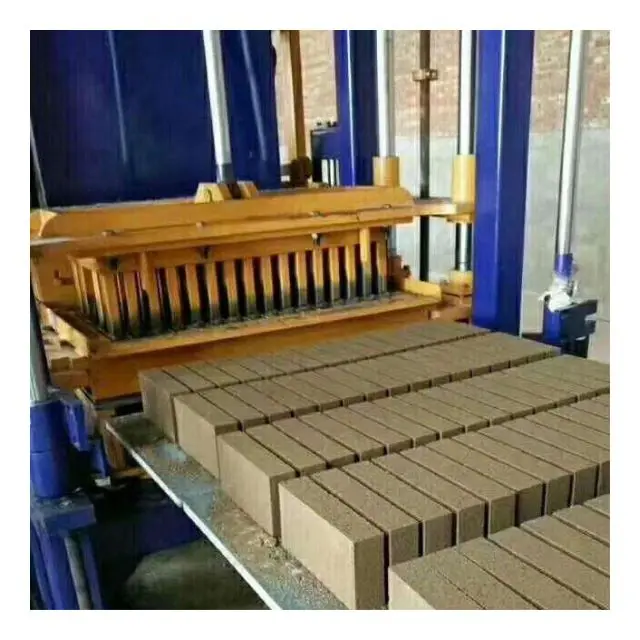
| Hollow block production for load-bearing walls | Crushed stone, sand, cement, fly ash |
| Solid block manufacturing for partition and foundation work | Gravel, slag, cement, stone dust |
| Paving brick runs for walkways and yards | Sand, cement, colored aggregates |
| Interlocking block production for retaining structures | Crushed stone, cement, industrial waste |
| Curbstone forming for road and drainage edges | Coarse aggregate, cement, sand |
Why "Pieces per Hour" Misses the Real Dispatch Question
Stock availability matters more than cycle time when a site deadline is looming.
Buyers often fixate on the molding cycle printed on a brochure, then discover that the machine must still be built, tested, and loaded into a container before it moves. I have watched contractors lose entire curing windows waiting for a machine that was technically fast on paper but weeks away from leaving the factory. The QT5-15 automatic block machine in stock removes that waiting period entirely, so the only time variable left is ocean freight. [NEED_CITE: typical container shipping transit times by major trade lane]
Dispatch Readiness vs. Production Lead Time
When a block machine sits in the warehouse with its hydraulic pack, PLC cabinet, and platform vibration module already assembled, the order process compresses from weeks of fabrication to days of inspection and packing. The QT5-15 weighs 6000 kg and measures 7400 × 1950 × 2800 mm, meaning container loading must be planned around its footprint — a step that is straightforward once the machine is physically present and does not have to be scheduled around a production queue.
Container Loading and Dismantling for Shipment
The overall dimensions of the QT5-15 automatic block machine in stock require partial dismantling of the hopper and hydraulic manifold for flat-rack or open-top container stowage. Pallet stacks, mould crates, and the PLC enclosure are packed separately to prevent transit damage. Confirming which mould formats are already in the warehouse alongside the main press avoids a situation where the machine arrives but the moulds ship weeks later from a different production batch. [NEED_CITE: container loading standards for heavy industrial machinery]
Reading the Specification Sheet for Shipping Decisions
The 26.5 kW rated power determines whether a dedicated electrical circuit must be arranged before arrival, while the configurable voltage setting must be locked in before the machine leaves the factory — rewiring on site is both slow and expensive. The 1100 × 550 mm pallet size governs how the machine interfaces with existing curing racks and forklifts at the destination. Knowing these values before dispatch prevents the common situation where a machine clears customs but then sits idle because the supporting infrastructure was never prepared.
What Happens When Dispatch Timing Is Ignored
Projects built around assumed arrival dates slip quickly when the machine is still on the production floor. Concrete mix is ordered, labour is scheduled, and curing compounds are purchased — all against a delivery date that moves without warning. Contractors end up paying for idle crews and, in some cases, penalty clauses tied to construction milestones. [NEED_CITE: construction contract delay penalties linked to equipment late delivery]
Buying a Stocked Machine vs. Commissioning a Build
Stocking a specific model like the QT5-15 means the configuration — hydraulic pressure range, vibration force, pallet format, and PLC language — is already set. Buyers gain speed but lose the chance to customize mix-adapted vibration parameters before the machine ships. This trade-off is acceptable when the target block format and local aggregate are standard, but it demands that the buyer verify voltage, control language, and mould inventory before confirming the order rather than after.
Documentation & Verification
- Factory test record showing actual cycle time on your target block format before dispatch
- Packing photographs of the QT5-15 dismantled and secured inside the container
- Voltage and PLC display language confirmation sheet signed before loading
- Hydraulic and electrical schematic matching the as-shipped configuration
- Customs documentation set prepared for destination port clearance procedures
Installation, Commissioning & Support
- Foundation must accommodate 7400 × 1950 mm footprint with vibration isolation pads
- Dedicated 26.5 kW circuit at the confirmed voltage and frequency must be live before arrival
- Platform vibration module and hydraulic manifold reassembled on site with alignment check
- PLC controller language and block format parameters verified during first power-up
- Initial mould set and hydraulic wear parts list provided for first replacement cycle
- Operator training covers mould change procedure and pallet feeding sequence
Preparing an Inquiry That Moves Fast
Send the target block format, daily output requirement, and destination port so stock can be matched to your project window. Confirm your local voltage and frequency, and note whether your existing curing racks accept 1100 × 550 mm pallets. If a specific mould format is needed, state it up front so warehouse availability can be checked before the order is finalized.
Frequently Asked Questions
Q: Is this model currently in stock and what is the dispatch lead time?
A: The QT5-15 automatic block machine in stock is available for prompt loading once voltage, PLC language, and mould selection are confirmed. Dispatch lead time covers pre-shipment inspection, dismantling for container stowage, and customs paperwork — typically a matter of days rather than production weeks. Exact dates depend on current warehouse allocation and container availability.
Q: How is the machine dismantled and loaded for container shipment?
A: The hopper, hydraulic manifold, and PLC cabinet are detached from the main frame to fit within container dimensions. The 6000 kg press body is secured with steel bracing. Moulds, pallets, and spare wear parts are crated separately. Packing photographs are provided before the container is sealed so the buyer can verify loading condition.
Q: Which standard moulds are stocked alongside the QT5-15?
A: Common formats such as 400×200×200 mm hollow block, 240×115×90 mm porous block, and 240×115×53 mm standard block moulds are typically held in inventory. Availability of specific formats should be confirmed at inquiry stage, since warehouse stock rotates. Custom mould drawings can be quoted separately if the required format is not in current stock.
Q: Can voltage and control language be confirmed before arrival?
A: Voltage is configured to the buyer’s local supply standard before the machine ships, avoiding costly on-site rewiring. The PLC display language is also set during factory preparation. Both items must be stated in writing at order confirmation so they are locked into the pre-dispatch checklist.
Q: What arrival estimate can be quoted for my destination port?
A: Arrival timing depends on the destination port and current shipping schedules from the loading port. Ocean freight transit times vary by trade lane and carrier. A realistic arrival window can be quoted once the dispatch date is confirmed and a booking is placed with the freight forwarder.