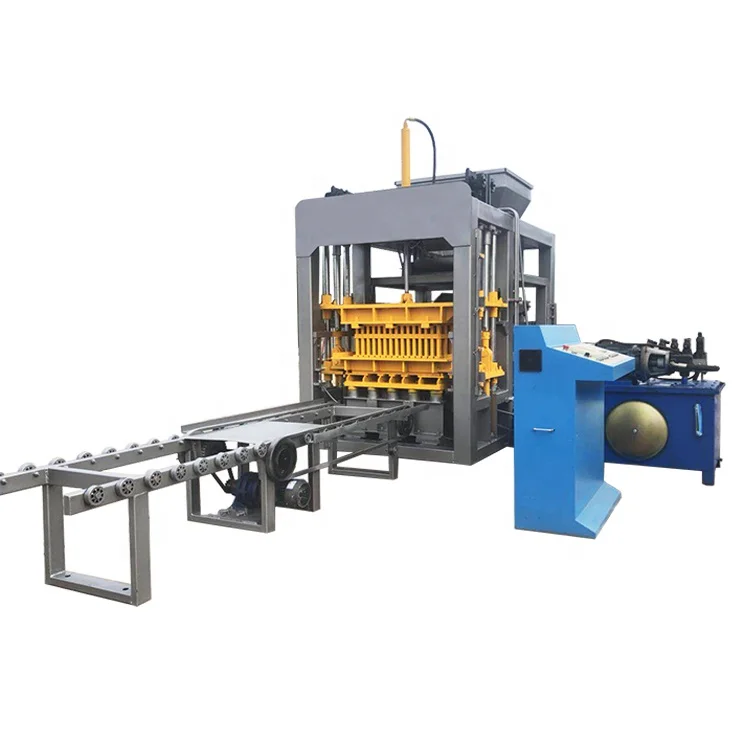


Description
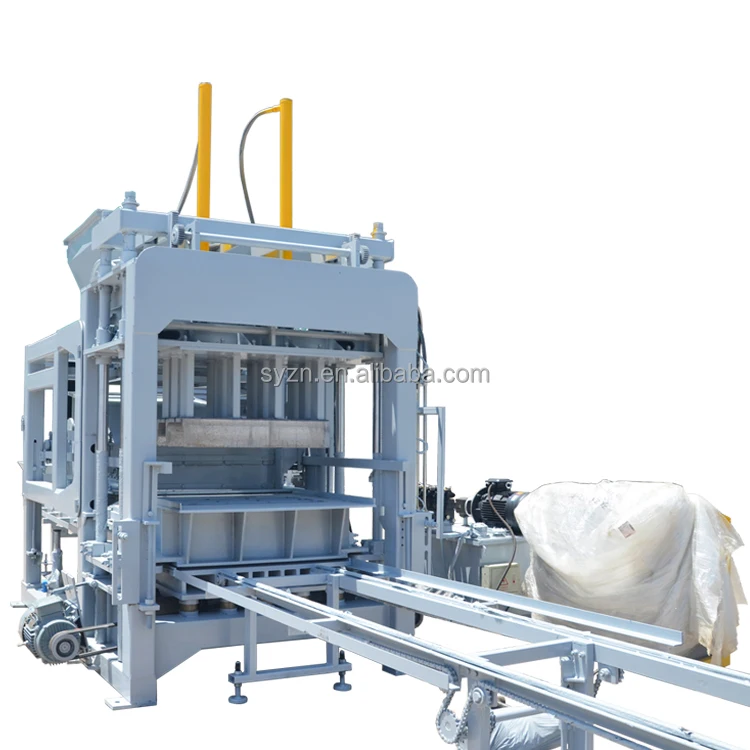
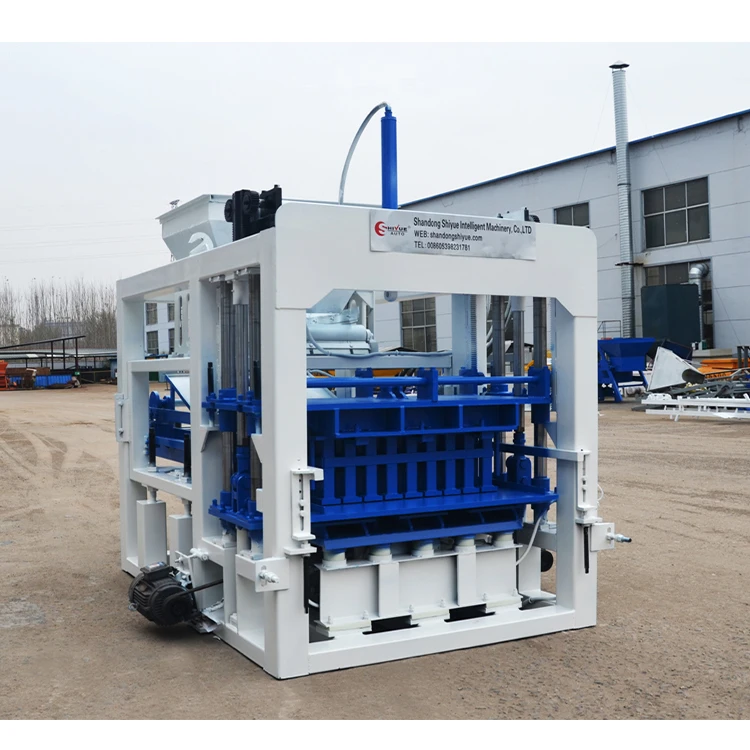
Dispatch-Ready Configuration — every QT5-15 unit leaves our Linyi yard only after pallet size, mould inventory, voltage, and control language have been verified against the buyer’s actual site conditions.
Technical Specifications
| Parameter | Value |
|---|---|
| Model | QT5-15 |
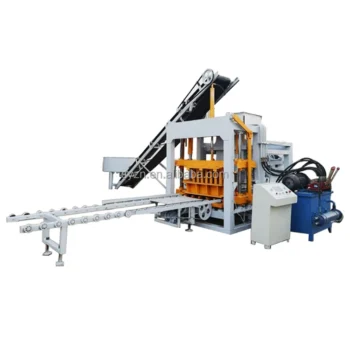
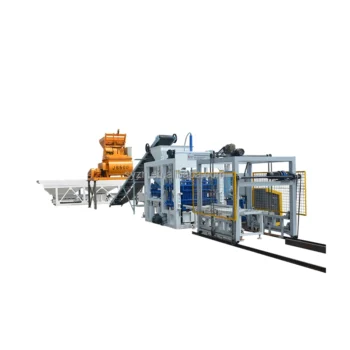
| Product Type | Automatic Cement Block Machine |
| Overall Dimension | 7400 × 1950 × 2800 mm |
| Vibration Frequency | 0–60 Hz |
| Vibration Form | Platform Vibration |
| Moulding Mode | Automatic loading with vibration moulding |
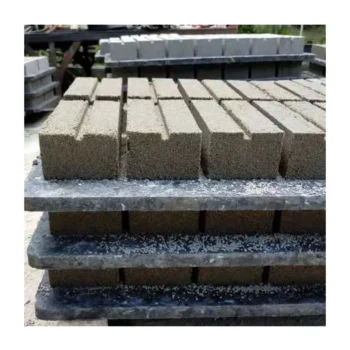
| Pallet Size | 1100 × 550 mm |
| Molding Cycle | 15–20 s |
| Overall Power | 32 kW |
| Vibration Force | 80 kN |
| Total Mass | 5000 kg |
| Demolding Method | Hydraulic |
| Control System | PLC (Programmable Logic Controller) |
| Hydraulic System | Independent integrated hydraulic station |
| Block Compressive Strength | More than 15 MPa |
| Flyash Percentage Capacity | Up to 70% |
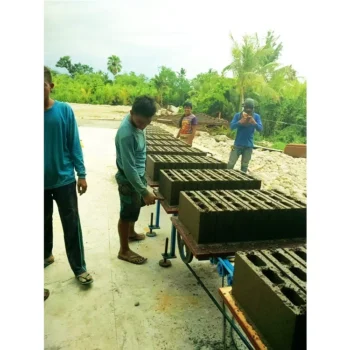
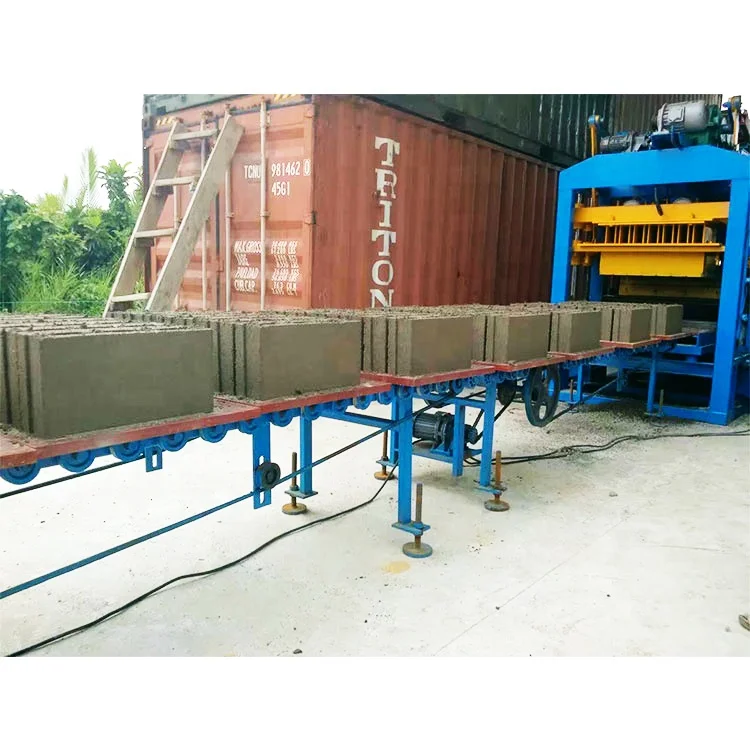
| Output Capacity (Hollow block 400×200×200 mm) | 900–1200 pcs/hour (7200–9600 pcs/8 hr) |
| Output Capacity (Hollow block 400×150×200 mm) | 1080–1440 pcs/hour (8640–11520 pcs/8 hr) |
| Output Capacity (Solid brick 240×115×53 mm) | 5760–7680 pcs/hour (46080–61440 pcs/8 hr) |
| Output Capacity (Rectangular brick 200×100×60 mm) | 3600–4500 pcs/hour (28800–36000 pcs/8 hr) |
| Output Capacity (Zigzag brick 225×112.5×60 mm) | 2304–2880 pcs/hour (18432–23040 pcs/8 hr) |
| Standards | CE (basis not stated in source — confirm availability) |
Application Suitability
| Application | Material or Output |
|---|---|
| Hollow block production for load-bearing walls | Crushed stone, sand, cement, water with up to 70% flyash |
| Solid brick manufacturing for infill and partition walls | Sand, slag, gangue, cement blends |
| Paving brick production for roads and walkways | Rectangular and zigzag formats from aggregate-cement mixes |
| On-site block production for housing projects | Locally sourced aggregate with cement binder |
| Interlocking brick runs for retaining structures | Coarse aggregate and cement at high vibration density |
What "Ready to Ship" Actually Means for a QT5-15 Block Machine in Stock
A machine labelled in stock still needs at least a full day of pre-dispatch verification before it can be loaded into a container.
Buyers working to a project deadline often assume that once payment clears, the machine rolls out the next morning. In practice, the pallet dimensions must be checked against the curing yard and the forklift already on site, the voltage and frequency confirmed for the destination grid, and the PLC display language set before the control cabinet is sealed [NEED_CITE: voltage and frequency standards by export market]. Skipping any of these checks means the QT5-15 block machine in stock sits on the dock while the project waits.
Dispatch Timeline and Container Loading Sequence
From the moment the proforma is signed, a stocked QT5-15 requires pallet and mould crating, hydraulic oil drainage, and control cabinet shrink-wrapping. The press frame, hydraulic station, and pallet feeder each occupy a defined position inside a 40-foot high-cube container, and the dismantling sequence is planned so the heaviest components are loaded first and arrive at the bottom of the stack. This sequencing avoids the situation where the main frame blocks access to the moulds during unloading. Buyers who need a QT5-15 automatic block machine fast should still allow several working days for this preparation before the container is sealed and dispatched.
Stocked Mould Inventory and Format Coverage
The standard mould inventory covers the hollow block formats, solid bricks, and paver shapes listed in the specification table. When a buyer requests a format outside the stocked range, the mould enters a separate production queue. For a buyer on a tight deadline, selecting from the available standard moulds means the QT5-15 block machine in stock can be paired and shipped without waiting for custom tooling [NEED_CITE: mould lead time variations for custom block formats].
Reading the Specification Sheet Beyond the Headline Numbers
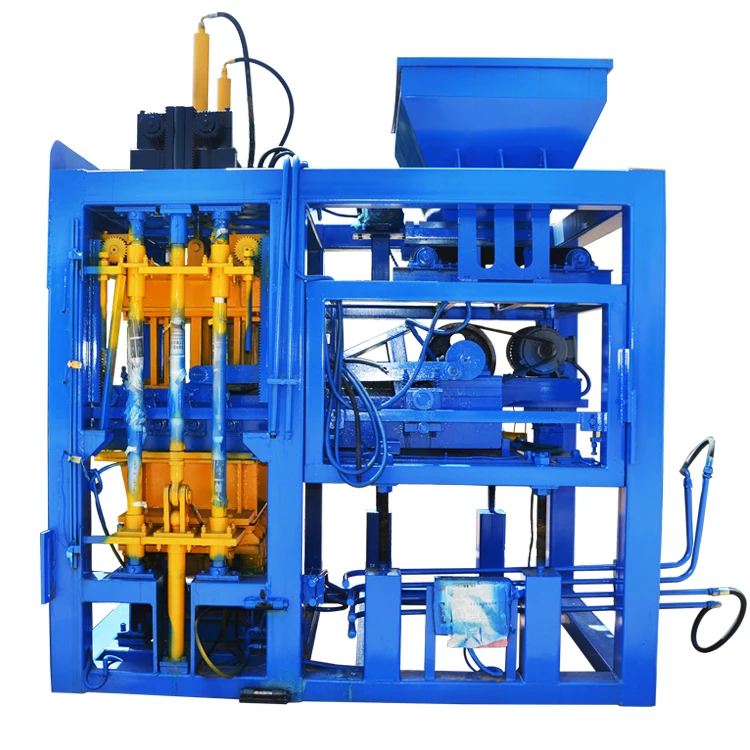
The 80 kN vibration force works together with the independent integrated hydraulic station to compact the mix to more than 15 MPa compressive strength, but that result depends on the aggregate grading and cement ratio actually available at the buyer’s site. The 1100 × 550 mm pallet size determines how many blocks are pressed per cycle and must match the curing racks and forklift tines the buyer already has. The 32 kW overall power draw requires a dedicated circuit sized for motor starting current, not just running load. And the PLC control system, while standard, must have its display language confirmed to the operator’s language before the QT5-15 leaves the factory — a step that takes minutes at the factory but causes weeks of delay if discovered after arrival.
When a Stocked Machine Still Arrives Late
The most common delay is not the machine itself but a mismatch discovered after the container is opened. A pallet size that does not fit the existing curing racks means the entire output must be stacked by hand until new racks arrive. An unconfirmed voltage means the motor cannot be energized until a transformer is sourced locally. These are not equipment defects — they are specification gaps that a pre-dispatch checklist would have caught [NEED_CITE: common commissioning delays from unconfirmed electrical specifications].
Why Buyers Source the QT5-15 from This Stock Channel
Block machinery is the single product focus here, so the machine, mould, pallet, and handling equipment are specified as one matched system rather than assembled from separate suppliers. Dispatch lead time and container loading plans are quoted before payment so the buyer can plan the crane and crew. Pallet size and material are confirmed against the buyer’s existing curing area and forklift, not selected from a catalogue default. Voltage, frequency, and PLC display language are locked in before the control cabinet is crated. And factory test records with packing photographs are shared before the container is sealed, giving the buyer visual confirmation of what is inside.
Documentation & Verification
- Factory test record run on your specified block format before dispatch
- Packing photographs showing crating and container loading sequence
- Voltage and PLC control language confirmation sheet signed prior to crating
- Pallet specification sheet matched to your curing rack dimensions
- Hydraulic and electrical schematic for local commissioning reference
- Customs documentation package prepared for destination port requirements
Installation, Commissioning & Support
- 1000 m² factory area with level concrete slab required for the 7400 × 1950 mm footprint
- Dedicated 32 kW circuit with motor-rated breaker for the vibration and hydraulic systems
- Machine dismantled into frame, hydraulic station, and feeder modules for container loading
- On-site reassembly includes hydraulic line reconnection and PLC power-up sequence
- Operator training covers mould change procedure and PLC fault code reading
- Wear parts list provided with first replacement schedule for hydraulic seals and vibration springs
Starting Your QT5-15 Inquiry
To get a realistic dispatch date, share your target block format, the daily output you need, and which standard moulds you want included. Confirm your local voltage, frequency, and the language your operators will read on the PLC screen. Provide the dimensions of your existing curing area and the forklift capacity so the pallet size can be verified before the machine is crated.
Frequently Asked Questions
Q: What is the dispatch lead time for QT5-15 from stock?
A: A stocked QT5-15 block machine in stock typically requires several working days for pallet and mould crating, hydraulic oil drainage, voltage confirmation, and container loading. The exact date depends on whether the requested moulds are already in the standard inventory or need separate production.
Q: Which block formats and moulds are included as standard?
A: The standard inventory covers hollow blocks in 400×200×200 mm and 400×150×200 mm, solid bricks at 240×115×53 mm, rectangular pavers at 200×100×60 mm, and zigzag bricks at 225×112.5×60 mm. Other formats require separate mould production with its own lead time.
Q: Can voltage and control language be confirmed before shipment?
A: Yes. Voltage, frequency, and PLC display language are confirmed in writing before the control cabinet is sealed and crated. This step is mandatory in the pre-dispatch checklist and prevents commissioning delays after the container arrives at your site.
Q: How is the machine dismantled and loaded for container shipment?
A: The QT5-15 is broken into the main frame, independent hydraulic station, pallet feeder, and mould assembly. Components are loaded in reverse installation order so the heaviest items are accessible first during unloading, and packing photographs are shared before the container is sealed.
Q: What documentation arrives with the machine for customs clearance?
A: The shipment includes a factory test record, packing list, commercial invoice, hydraulic and electrical schematics, and CE declaration where applicable. Pallet and mould specification sheets are also included so your site team can verify everything matches the purchase order before installation begins.