


Description
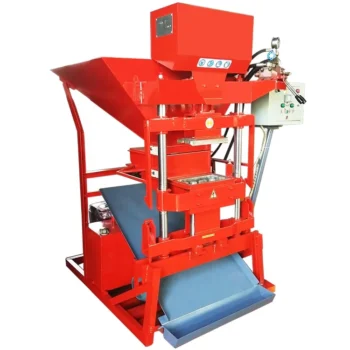
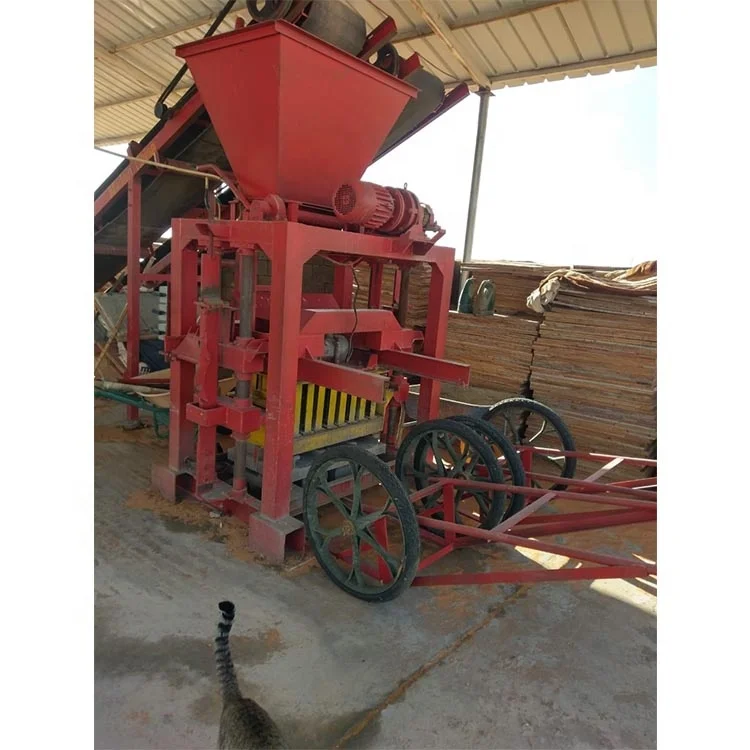
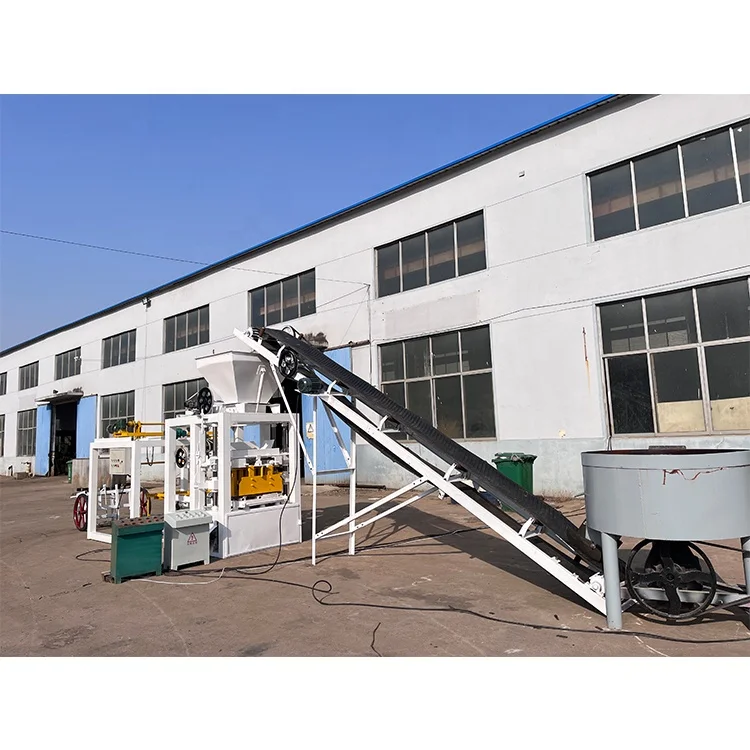
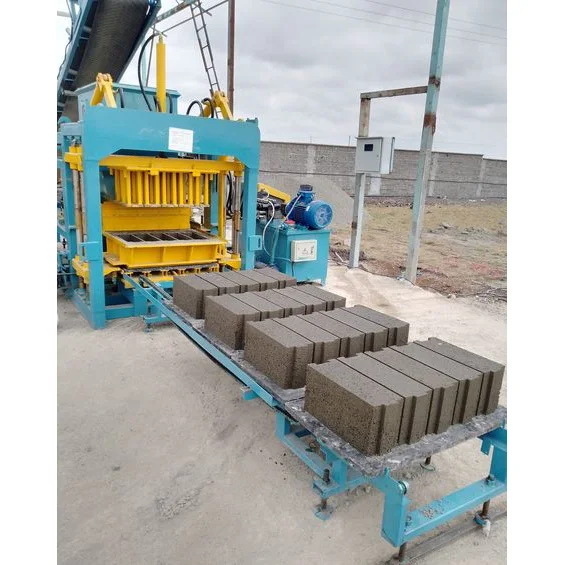
Matched system specification — host press, batching, mixing and stacking are quoted as one coordinated line so the rhythm between stations holds under continuous production.
Technical Specifications
| Parameter | Value |
|---|---|
| Model | QT5-15 |
| Product Type | Automatic Concrete Block Making Machine |
| Host Machine Dimension | 5870 × 2220 × 2850 mm |
| Host Machine Weight | 5.5 Tons |
| Molding Area | 1050 × 500 mm |
| Host Machine Power | 31.5 kW |
| Vibration Force | 55 kN |
| Vibration Frequency | 2800–4500 Times/Minute |
| Vibration Method | Hydraulic + Platform Vibration |
| Molding Period | 15 Seconds |
| Pallet Size | 1100 × 550 × 25 mm |
| Control System | Siemens PLC with independently developed program |
| Motor | Germany SIEMENS or CE standard brand |
| Travel Switch | France Schneider / Japan Omron |
| Mould Hardness | 54–58 HRC (carburizing heat treatment) |
| Voltage | 220 / 380 / 415 / 440V (Customized) |
| Batching Machine | PLD1200, 1200 L hopper, 3 species, ±2% precision |
| Mixer | JS500, 500 L discharge, 25 m³/h capacity |
| Stacker | SY-4 mobile pallet stack, 3 kW |
| Automation Level | Full automatic with batching, mixing, stacking |
| Warranty | 1 year for the whole machine (excluding spare parts) |
| Output Capacity | Basis not stated in source — confirm block format and material |
Application Suitability
| Application | Material or Output |
|---|---|
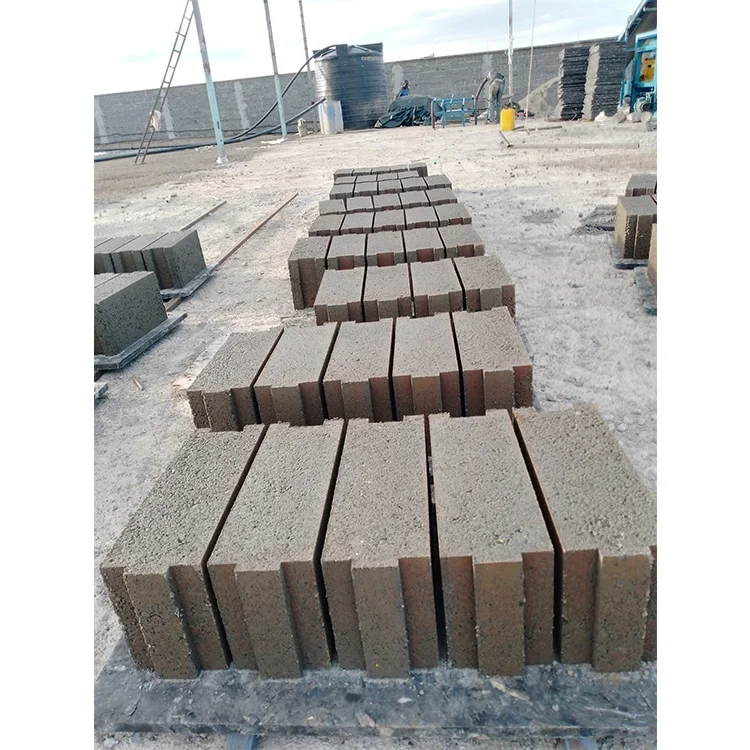
| Hollow block production | Crushed stone, sand, cement and water at standard ratios |
| Solid block manufacturing | Dense aggregate mixes for load-bearing wall units |
| Paving brick forming | Fine aggregate and pigment blends for interlocking or rectangular pavers |
| Interlocking brick production | Modified mould profiles with dry-leaning concrete mixes |
| Kerbstone and curb units | Larger mould cavities with coarse aggregate concrete |
Why Dispatch Timing Matters More Than Catalogue Output
A quoted cycle time only counts if the machine actually leaves the factory on schedule.
Construction projects run on fixed timelines, and a block machine that arrives six weeks late stalls masonry crews, delays slab pours and forces contractors to buy blocks at market premium. I have watched project managers lose entire ground-floor schedules because the press was still in sea freight while the scaffolding was already erected. The QT5-15 automatic block machine in stock configuration is held for fast dispatch so your site deadline is not negotiable [NEED_CITE: typical sea freight transit windows by destination port].
Stock Configuration Ready for Immediate Project Alignment
When a contractor wins a housing tender, the first question is never about vibration frequency — it is about arrival date. This QT5-15 automatic block machine in stock is configured with the PLD1200 batching unit, JS500 mixer and SY-4 mobile pallet stacker pre-matched so there is no waiting for separate suppliers to coordinate. The full line fits a standard 40-foot container loading plan, and dismantling points are designed so re-assembly on site follows a logical sequence rather than a puzzle.
Container Loading and Arrival Planning
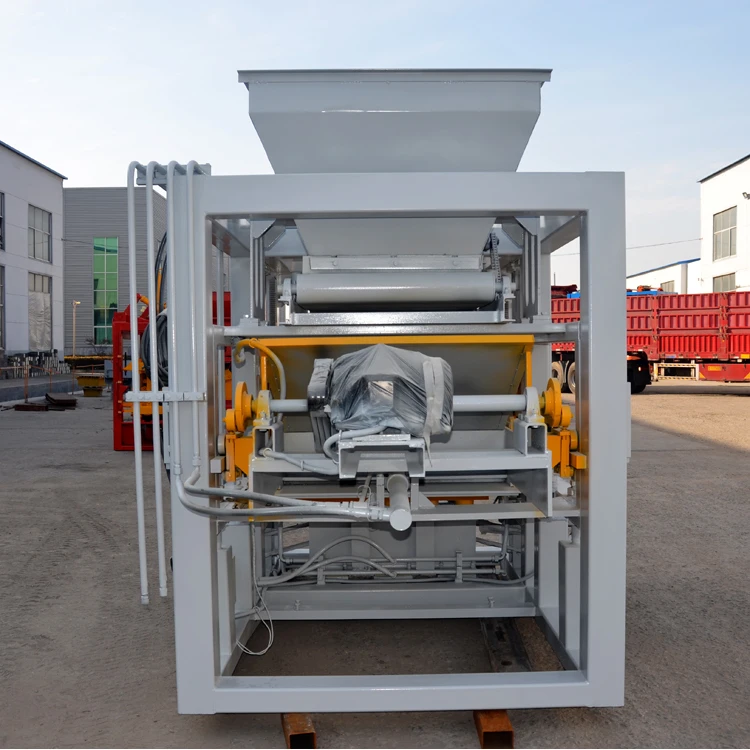
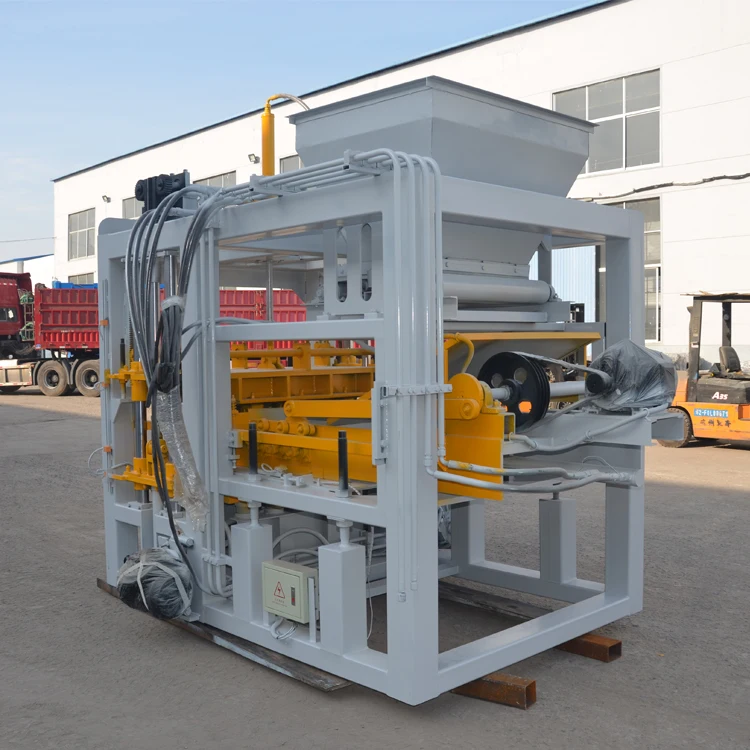
The host press, mixer and stacker are broken down into container-friendly modules with bolt-up joints rather than welded sub-assemblies. Packing photographs are taken before container doors close, so the buyer can verify every crate against the packing list while the ship is still at port. This removes the dispute cycle where a missing pallet bracket or hydraulic hose delays commissioning by another week after arrival [NEED_CITE: standard container loading procedures for heavy machinery].
Vibration Force and Mould Hardness Under Continuous Pressing
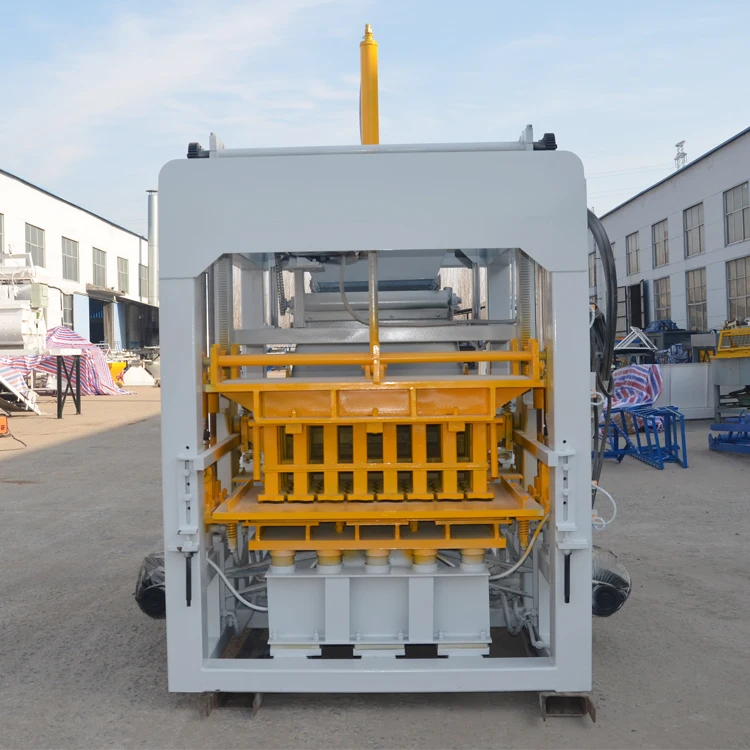
The 55 kN vibration force combined with hydraulic pressure determines how densely the concrete compact into the mould cavity. At 2800–4500 vibrations per minute, the platform shakes aggregate particles into tight packing before the hydraulic ram applies final consolidation. Mould surfaces hardened to 54–58 HRC through carburizing treatment withstand this repeated abrasion cycle, maintaining dimensional accuracy across hollow, solid and paver formats without frequent re-machining. The pallet size of 1100 × 550 mm must match the curing rack spacing and forklift tine width already on site, otherwise blocks pile up on the floor waiting for manual handling.
What Happens When Pallet Handling Is Left Off the Quotation
A buyer who compares quotes on host-machine price alone often discovers that pallet return, stacking and curing rack handling were never included. Blocks exit the press every 15 seconds, and without the SY-4 mobile stacker, two workers spend every shift carrying loaded pallets to the curing area by hand. Output then depends on human stamina rather than machine rhythm, and by the afternoon the press is idling while the crew catches up [NEED_CITE: labour allocation patterns in semi-manual block plants].
Why the Line Is Specified as One Matched System
Block machinery is the single production focus here, so the press, mould, pallet and handling equipment are sized against each other rather than sourced from separate catalogues. The JS500 mixer discharges at a rate that keeps the host press fed without material standing in the hopper and losing workability. Voltage and PLC language are confirmed before the machine leaves the factory, preventing the situation where a Siemens display boots up in a language the operator cannot read. Factory test records accompany shipment, and CE documentation supports customs clearance at destination.
Documentation & Verification
- Factory test record covering the specific block format and pallet size ordered
- Machine specification sheet listing confirmed voltage and control language
- Mould drawing and format list for every cavity profile in the shipment
- Hydraulic and electrical schematic matching the as-built configuration
- Packing photographs taken before container sealing for receiving verification
Installation, Commissioning & Support
- Foundation plan based on the 5870 × 2220 mm host footprint and 5.5-ton operating weight
- Dedicated 380V or 415V circuit sized for the 31.5 kW host plus 18.5 kW mixer motor
- Bolt-up reassembly from container modules with alignment checks on the platform vibration table
- PLC parameter tuning for local aggregate density and target block format during first run
- Operator training on mould change procedure and mould hardness care at 54–58 HRC
- Wear parts list covering hydraulic seals, travel switches and vibration springs for first reorder
What We Need From Your Side to Confirm Dispatch
To lock the shipping date, send the block format your market actually sells — hollow, solid, paver or interlocking — along with the daily volume your site must sustain. Confirm the local voltage and frequency so the motor and PLC match the supply before loading. If you already have curing racks or forklifts on site, share the pallet dimensions they accept so the 1100 × 550 mm pallet specification is verified or adjusted.
Frequently Asked Questions
Q: Which QT5-15 configurations and mould formats are currently in stock?
A: Standard configurations with the PLD1200 batching unit, JS500 mixer and SY-4 stacker are held for fast dispatch. Common mould formats including hollow, solid and paving blocks are available from stock. Custom mould profiles require a separate lead time for design and machining, which is quoted once the buyer’s drawing or block sample is received.
Q: What is the realistic dispatch lead time from order confirmation?
A: Stocked configurations move to container loading once voltage, PLC language and mould format are confirmed in writing. This confirmation step prevents commissioning delays after arrival. Typical multi-week lead times apply from order confirmation through factory testing to container loading and vessel booking.
Q: How is the machine packed for container shipment?
A: The host press, mixer, batching unit and stacker are dismantled at designed bolt-up joints to fit container dimensions. Each module is secured against transit movement. Packing photographs are provided before container doors close so the buyer can cross-reference every item against the packing list during ocean transit.
Q: What voltage and PLC language options are confirmed before dispatch?
A: The system supports 220, 380, 415 and 440V configurations. The Siemens PLC display language is set to match the operator team before the machine leaves the factory. Confirming these details before dispatch avoids the scenario where a machine arrives and cannot be powered on or read by local electricians.
Q: Which spare parts ship together with the machine?
A: Hydraulic seals, vibration springs, Schneider or Omron travel switches and mould wear components are listed in the shipment packing list. This ensures the first replacement cycle does not halt production while waiting for international parts delivery. A complete wear parts catalogue is included for future reorders.