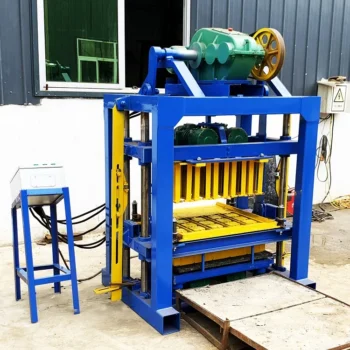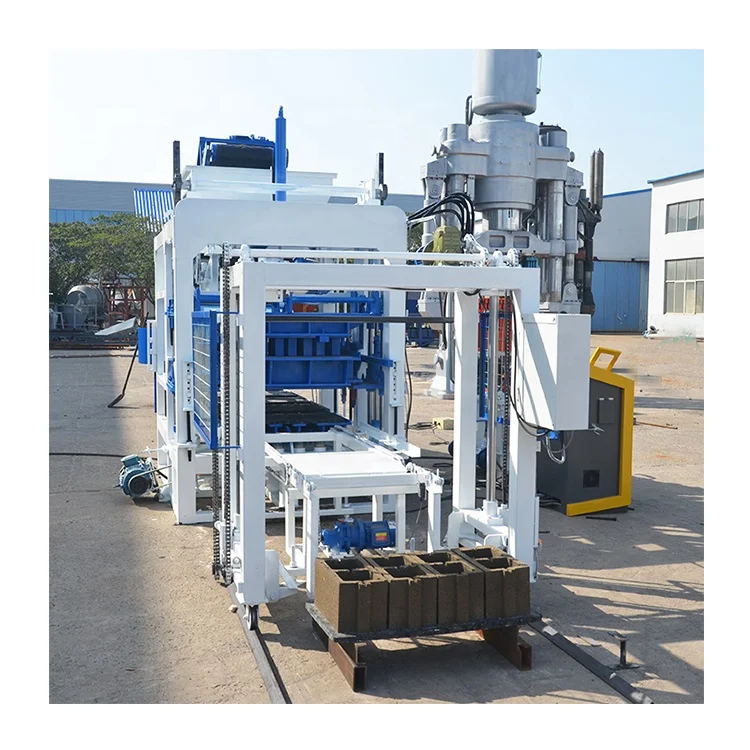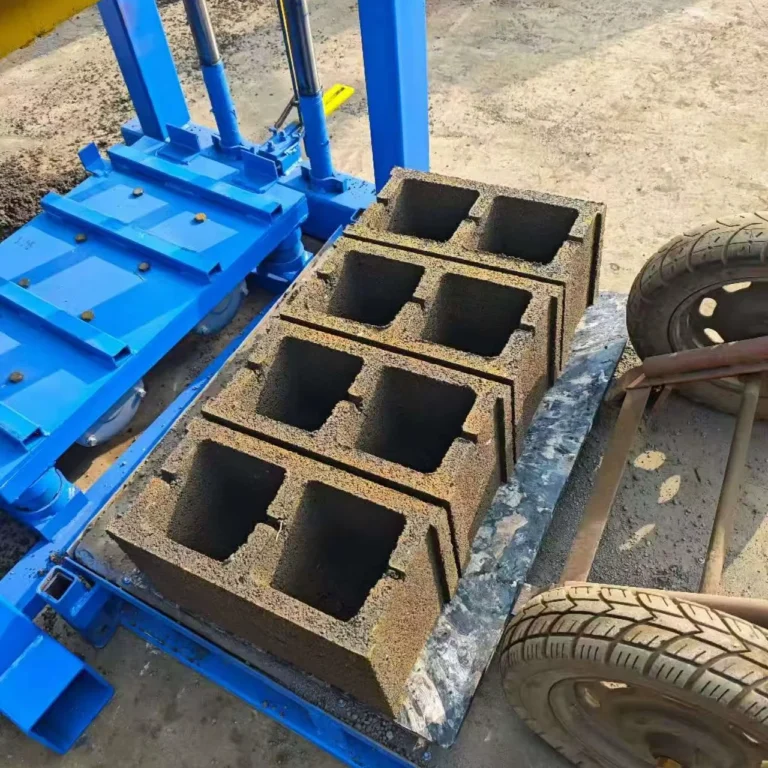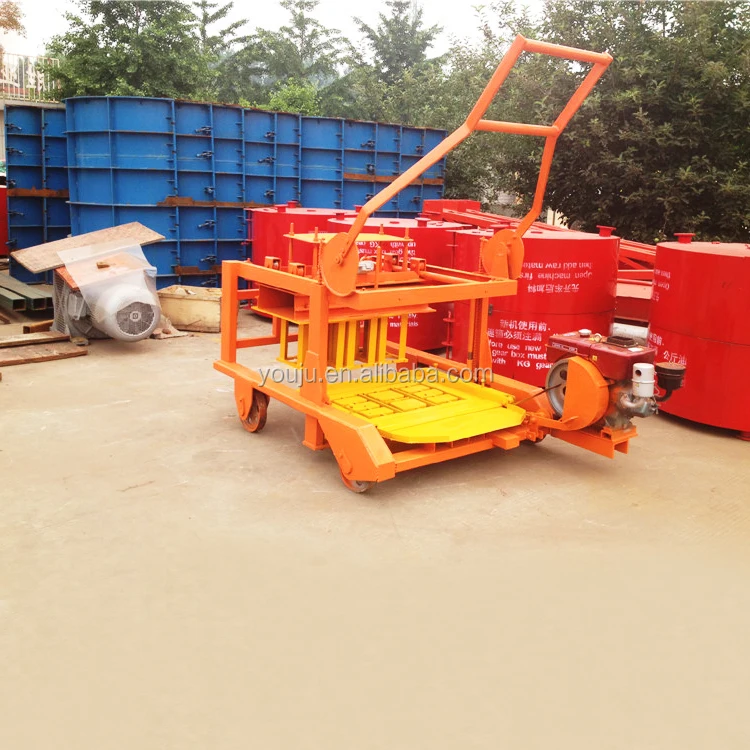
Description
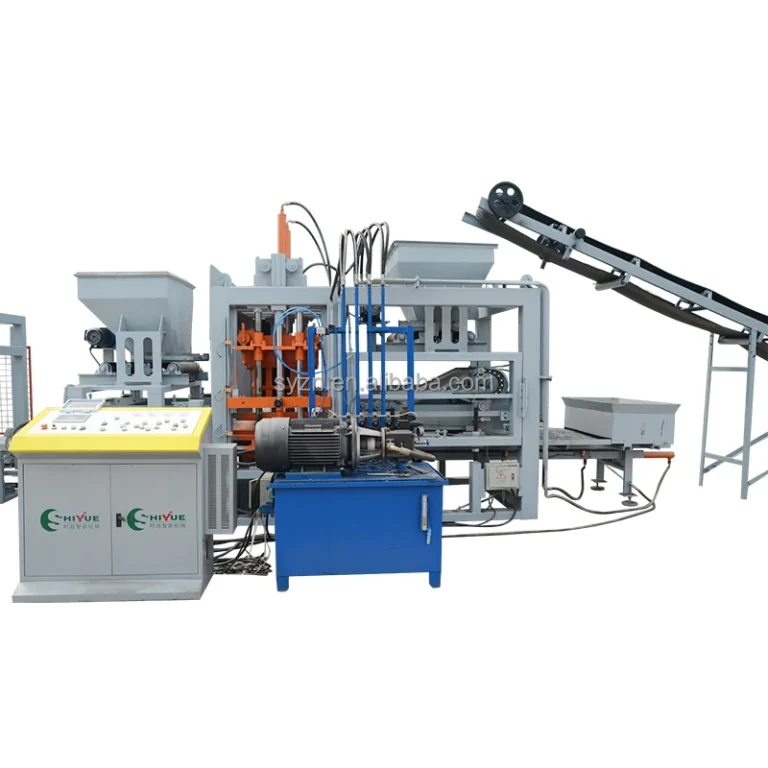
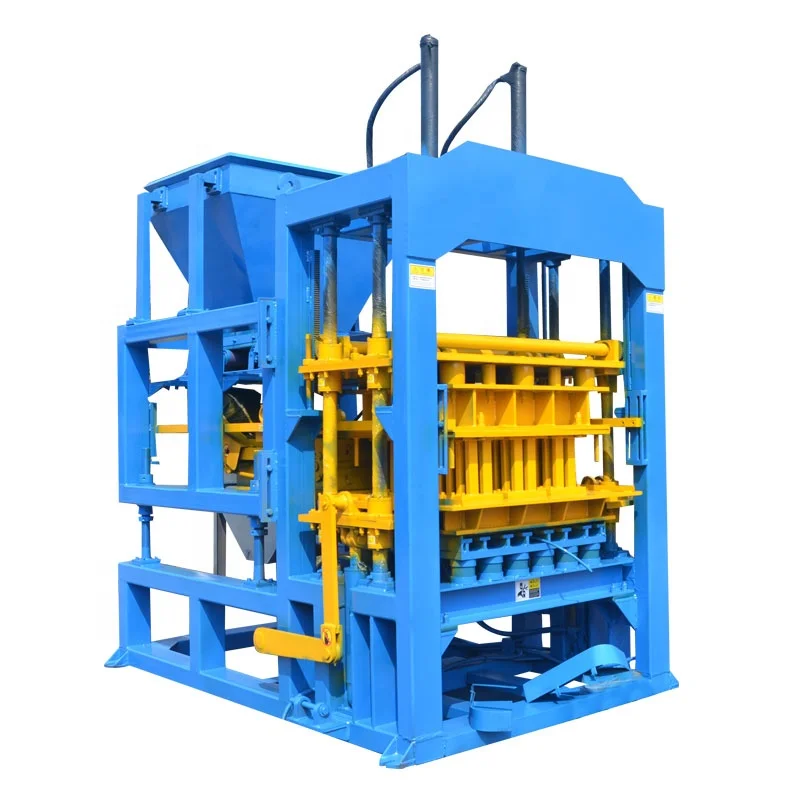
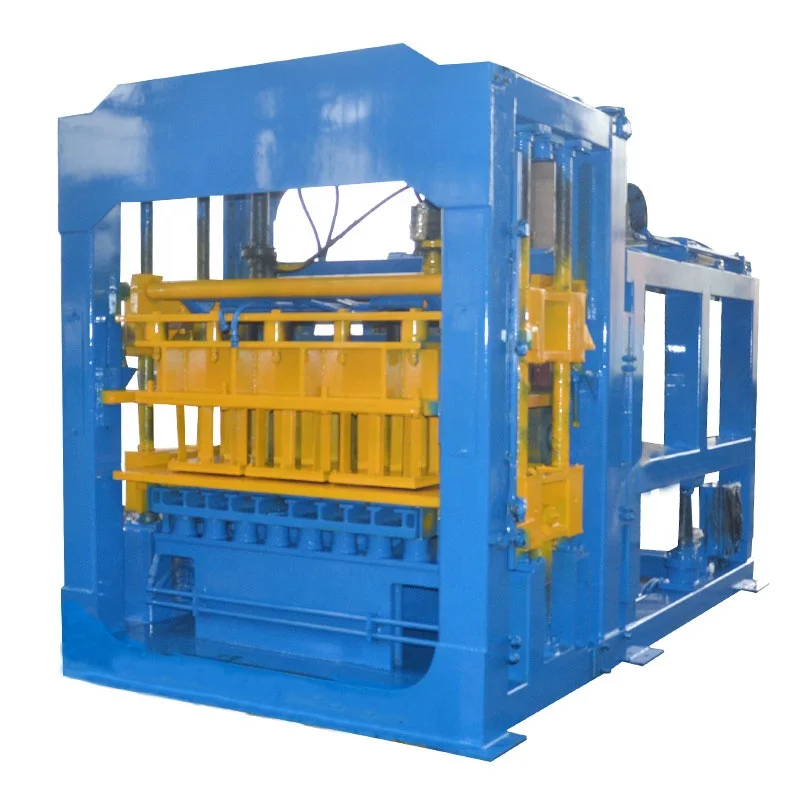
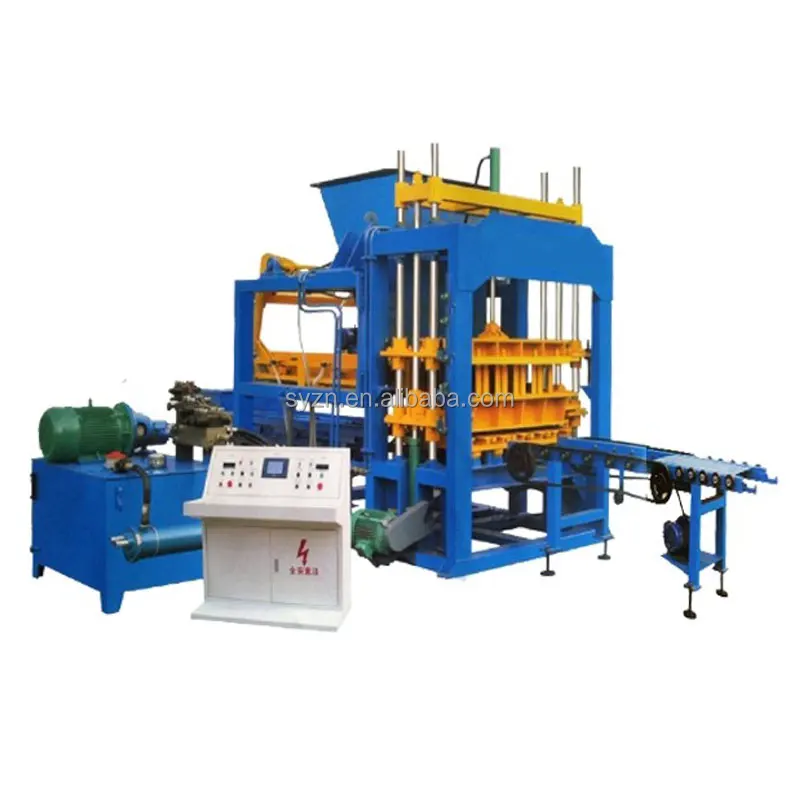
Stocked Configuration Dispatch — The QT5-15 block making machine in stock is tested and dismantled for container loading before the buyer signs, not after.
Technical Specifications
| Parameter | Value |
|---|---|
| Model | QT5-15 |
| Product Type | Automatic Hydraulic Block Making Machine |
| Automation Level | Automatic |
| Control System | PLC with fault diagnosis system |
| Remote Control | Long-distance controlling and diagnostics supported |
| Vibration System | Synchronization vibration with variable frequency |
| Material Feeding System | Particular storage and distribution system for feeding accuracy |
| Moulding Cycle | 15–20 s (hollow block basis to be confirmed), 20–25 s (paver/interlocking brick basis to be confirmed) |
| Output Capacity | 900–1200 pcs/h (basis: 400×200×200 mm hollow block, 5 pcs/mould) |
| Output Capacity | 1080–1440 pcs/h (basis: 400×150×200 mm hollow block, 6 pcs/mould) |
| Output Capacity | 5760–7680 pcs/h (basis: 240×115×53 mm solid brick, 32 pcs/mould) |
| Output Capacity | 3600–4500 pcs/h (basis: 200×100×60 mm rectangular paver, 25 pcs/mould) |
| Output Capacity | 2304–2880 pcs/h (basis: 225×112.5×60 mm zigzag interlocking brick, 16 pcs/mould) |
| Daily Output (8 hr) | 7200–9600 pcs (basis: 400×200×200 mm hollow block) |
| Daily Output (8 hr) | 8640–11520 pcs (basis: 400×150×200 mm hollow block) |
| Daily Output (8 hr) | 46080–61440 pcs (basis: 240×115×53 mm solid brick) |
| Daily Output (8 hr) | 28800–36000 pcs (basis: 200×100×60 mm rectangular paver) |
| Daily Output (8 hr) | 18432–23040 pcs (basis: 225×112.5×60 mm zigzag interlocking brick) |
| Mould Formats Supported | Hollow block, solid brick, rectangular paver, zigzag interlocking brick |
| Voltage & Frequency | Configurable to buyer requirement (basis to be confirmed) |
| Hydraulic Pressure | Source value not stated — confirm with manufacturer |
| Vibration Force | Source value not stated — confirm with manufacturer |
| Pallet Size | Source value not stated — confirm with manufacturer |
| Overall Dimensions | Source value not stated — confirm with manufacturer |
| Net Weight | Source value not stated — confirm with manufacturer |
| Rated Power | Source value not stated — confirm with manufacturer |
Application Suitability
| Application | Material or Output |
|---|---|
| Masonry hollow block production | Crushed stone, sand, cement, and water mix for load-bearing and partition walls |
| Solid brick manufacturing | Fine aggregate and cement blend for structural and infill masonry |
| Rectangular paver production | High-density concrete mix for driveways, walkways, and parking areas |
| Zigzag interlocking brick forming | Interlocking profile concrete for erosion control and landscaping slopes |
Why Cycle Time Alone Cannot Predict Your Daily Output
A quoted cycle of 15–20 seconds means nothing without the block format and mould cavity count attached to it.
I have watched buyers compare two machines purely on "pieces per hour" and pick the one with the higher number, only to discover the figure assumed a small solid brick with 32 cavities while their actual product was a 400×200×200 mm hollow block with 5 cavities. The QT5-15 block making machine in stock posts its cycle and capacity per format so you can match the row to the product your market actually buys. [NEED_CITE: block format assumptions in capacity quotations] Without that match, a plant designed around a misleading headline number will miss its first delivery deadline before the commissioning engineer has even left the site.
Arrival Estimate Quoted Before You Commit
When a project deadline is fixed, the gap between "machine ready" and "machine producing" is where schedules collapse. We quote the container loading date and an estimated port arrival window at the order stage, not after the bill of lading is issued. The QT5-15 block making machine in stock is dismantled to a pre-agreed packing plan so the buyer knows which components arrive in which crate and what reassembly sequence the site team should follow.
Matching Pallet Size to the Curing Yard You Already Have
A pallet dimension chosen in isolation forces the buyer to reconfigure the curing area or rent a different forklift after the machine arrives. We confirm the pallet size against the buyer’s existing curing rack spacing and handling equipment before the QT5-15 is loaded, eliminating a mismatch that would otherwise idle the press while operators stack blocks by hand. [NEED_CITE: pallet handling mismatches in block plant commissioning]
How Variable-Frequency Vibration Controls Block Density
The synchronization vibration system on the QT5-15 runs at low frequency during material feeding to settle the mix into the mould cavity, then shifts to high frequency for compaction. This two-stage profile is what produces uniform density across a 400×150×200 mm hollow block without over-compacting the face mix. When vibration force and hydraulic pressure are not matched to the buyer’s local aggregate gradation, blocks leave the press with inconsistent wall thickness and fail compressive strength tests days later. [NEED_CITE: vibration and hydraulic pressure matching for concrete block density] The PLC stores the recipe for each format so operators recall the correct frequency and pressure settings with a single input rather than adjusting valves by feel.
The Cost of Skipping the Voltage Confirmation Step
A machine wired for a voltage and frequency that does not match the local grid will trip breakers on first start-up, burning days of the commissioning window while replacement transformers are sourced. We verify voltage, frequency, and PLC display language against the buyer’s site electrical specification before the QT5-15 leaves the factory, so the machine powers on the day the site electrician finishes the last connection. [NEED_CITE: voltage and frequency standards by export market]
Why We Keep Standard Models on the Floor
Maintaining inventory of proven configurations means the QT5-15 block making machine in stock ships from a tested baseline rather than a first-article build. The machine, moulds, and pallets leave as a matched set, so there are no compatibility surprises when the container is opened. Our logistics team handles dismantling for container loading and supplies packing photographs plus customs documentation so the buyer’s clearing agent has every document before the vessel docks. Factory test records are run on the buyer’s confirmed block format, not a generic sample, giving a realistic baseline before the machine is crated.
Documentation & Verification
- Line layout showing QT5-15 footprint with pallet return and stacking zones
- Capacity calculation sheet stating block format and mould cavity count per row
- Factory test record run on buyer-confirmed hollow block or paver format
- Voltage, frequency, and PLC language confirmation sheet signed before dispatch
- Packing photographs of dismantled QT5-15 components inside the container
- Customs documentation set prepared for buyer’s destination port clearance
Installation, Commissioning & Support
- Foundation plan referencing QT5-15 overall dimensions and anchor bolt positions
- Electrical single-line diagram confirming voltage and dedicated circuit rating
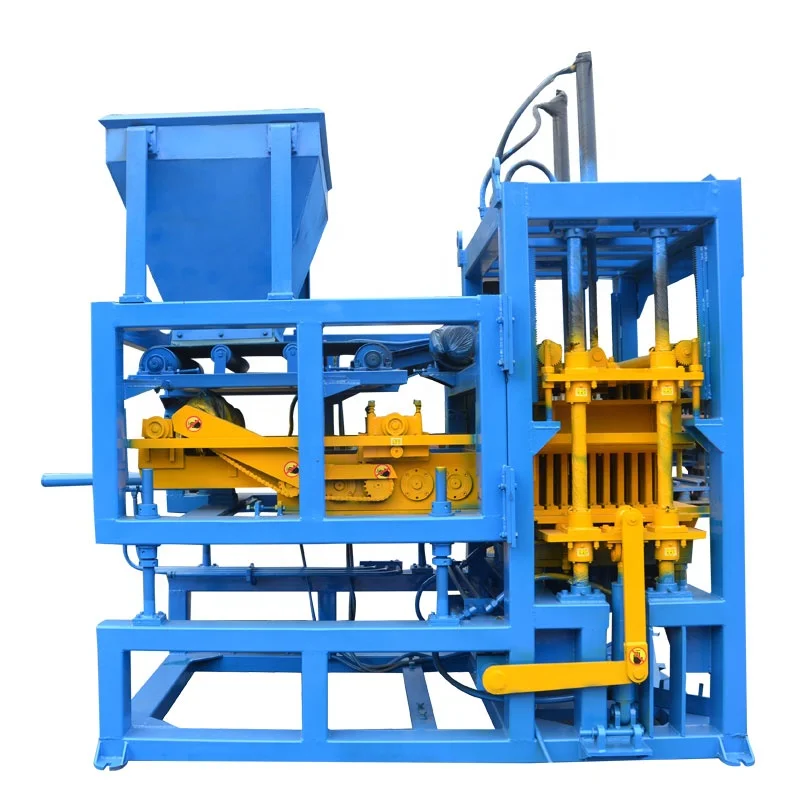
- Dismantling and reassembly sequence for QT5-15 mainframe, hopper, and hydraulic unit
- First-run parameter setting on buyer’s local aggregate mix and target block format
- Operator training covering PLC recipe recall and fault diagnosis screen navigation
- Wear parts list including mould liners and hydraulic seals shipped with the machine
What to Send With Your Inquiry
Provide the exact block dimensions and daily volume your project requires so we can select the correct mould and confirm the matching capacity row. Include your site voltage, frequency, and preferred PLC display language to lock the electrical configuration before dispatch. If you already have pallets, curing racks, or a forklift on site, send the dimensions so the QT5-15 pallet size and handling interfaces are verified against your existing equipment.
Frequently Asked Questions
Q: Which QT5-15 configurations and moulds are currently available for immediate dispatch?
A: Standard QT5-15 units configured for common international voltages are kept in inventory. Popular hollow block and paver moulds ship with the machine. Contact the dispatch team to confirm the exact format set you need and the current lead time for container loading.
Q: How is the machine dismantled for container shipment?
A: The QT5-15 mainframe, hydraulic station, and hopper are separated into crate-sized assemblies that fit a standard container. A reassembly sequence sheet and packing photographs are provided so your site team knows the arrival condition of every component.
Q: What arrival estimate can I expect from the dispatch date?
A: Once the container is sealed and the bill of lading is issued, transit time depends on the destination port and shipping line schedule. We quote the estimated arrival window at the order stage so you can plan site preparation accordingly.
Q: Are voltage and PLC language confirmed before the machine ships?
A: Yes. The buyer’s site voltage, frequency, and preferred PLC display language are verified and documented before the QT5-15 leaves the factory, preventing commissioning delays caused by electrical mismatches on arrival.
Q: Which spare parts ship with the machine?
A: A starter set of mould wear liners, hydraulic seals, and vibration isolators is included so production can begin immediately. A full wear parts and mould list is supplied with the documentation package for future reordering.