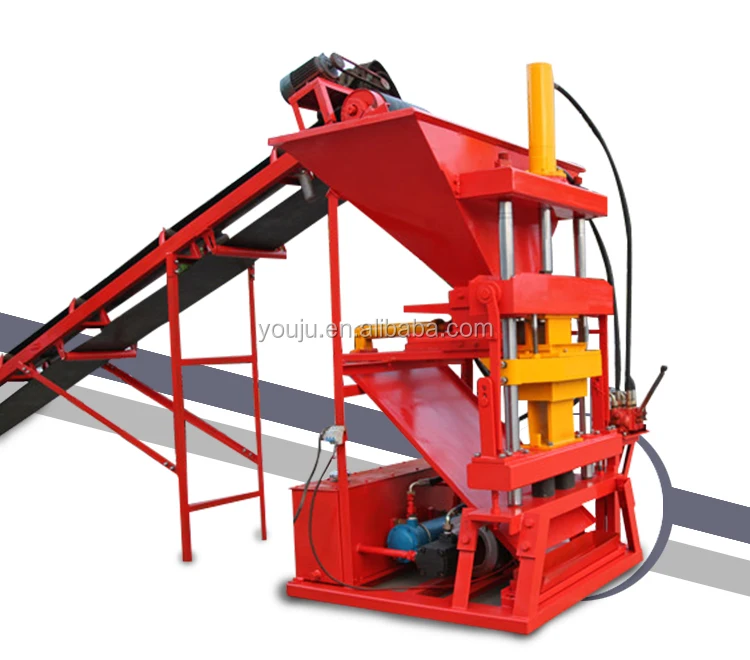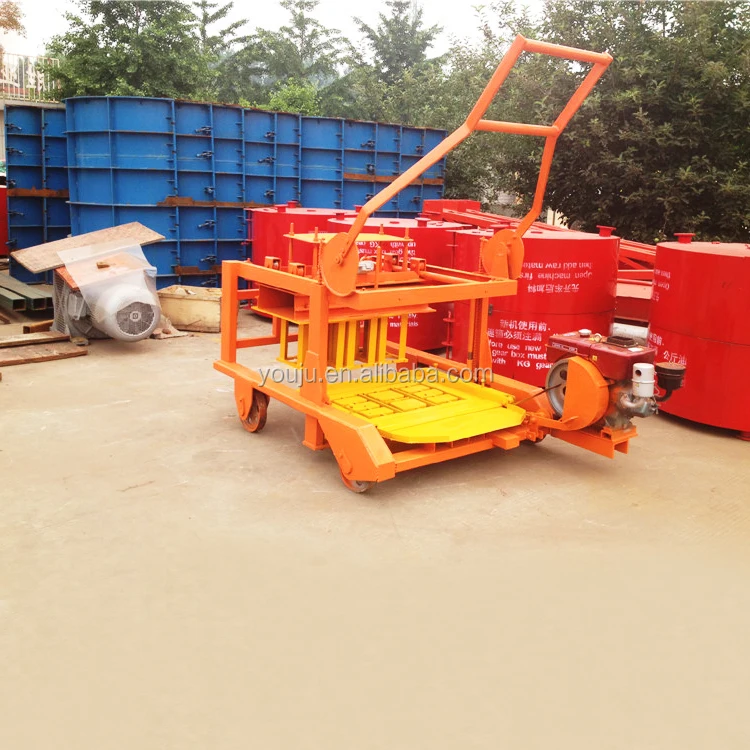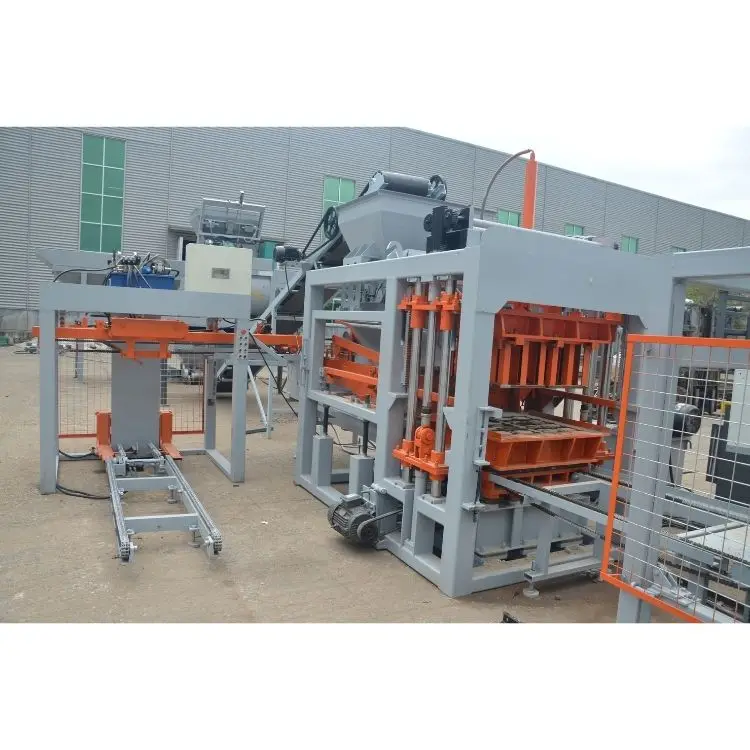
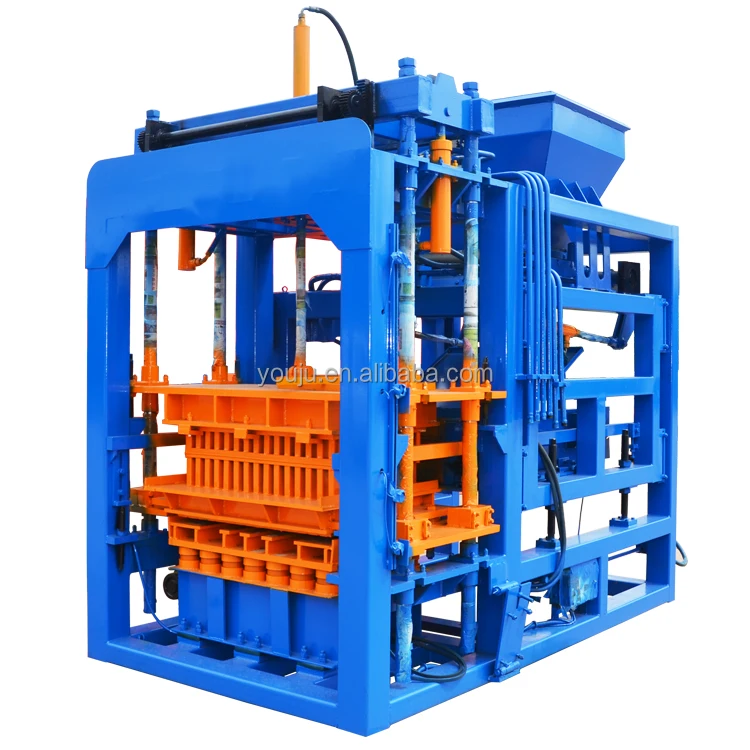
Description
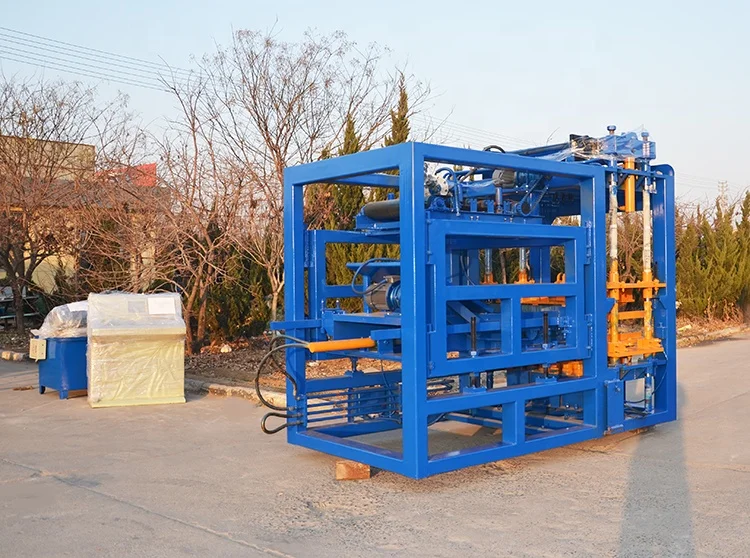
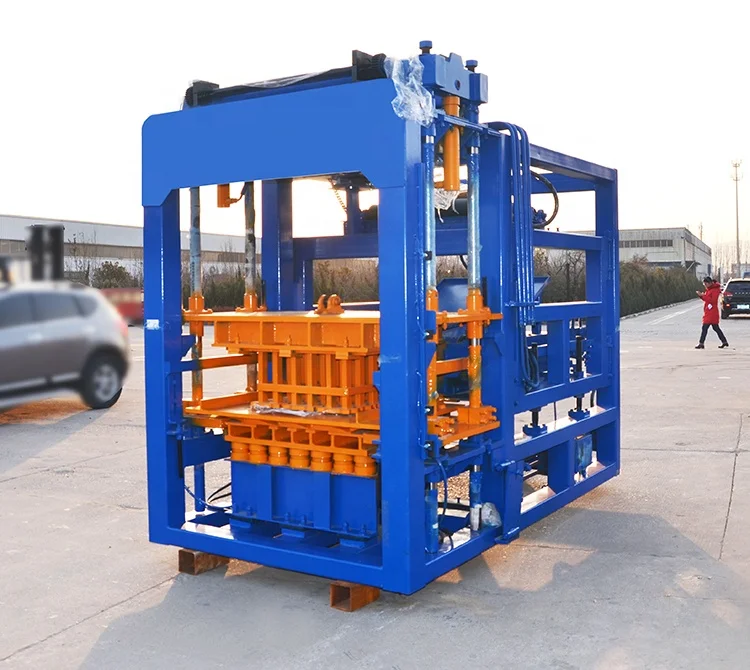
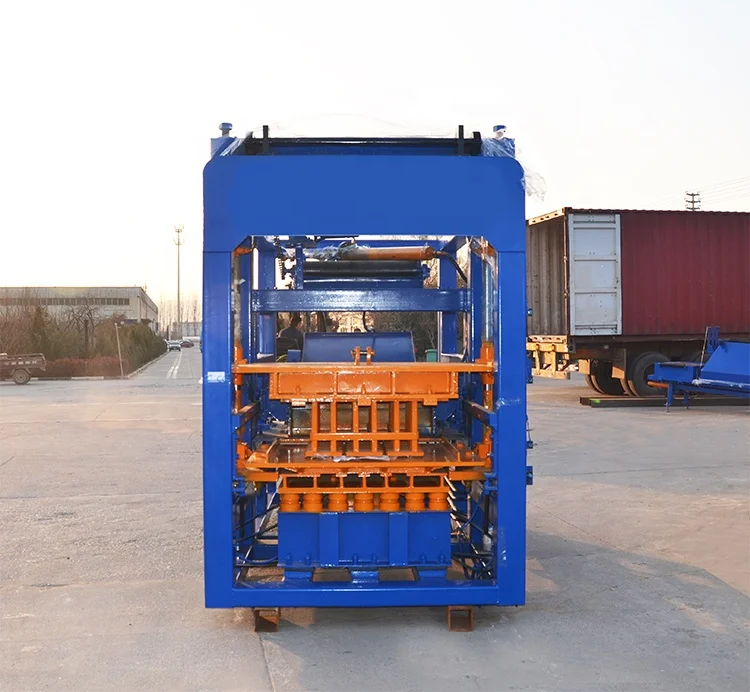
Immediate Dispatch Readiness — QT6-15 automatic block machine lines are assembled, factory-tested, and container-staged so your project deadline is not held hostage by production queues.
Technical Specifications
| Parameter | Value |
|---|---|
| Model | QT6-15 |
| Product Type | Automatic Concrete Block Making Machine |
| Molding Way | Vibration and hydraulic pressing |
| Rated Pressure | 21 MPa |
| Molding Cycle | 15s–20s |
| Pallet Size | 900 × 700 mm |
| Main Machine Weight | 6,000 kg |
| Output Capacity (Hollow Block) | 1,440 pcs/h based on 400×200×200 mm, 6 pcs/pallet |
| Output Capacity (Paving Brick) | 5,040 pcs/h based on 200×100×60 mm, 21 pcs/pallet |
| Output Capacity (Solid Brick) | 7,680 pcs/h based on 240×115×53 mm, 32 pcs/pallet |
| Automation Level | Automatic line configuration (mixer, conveyor, stacker, cement silo, batching machine, pallet feeder) |
| Voltage & Frequency | Customizable to local standard (basis to be confirmed) |
| Control System | Source value — verify against manufacturer catalog |
| Warranty | 1 year (excluding wear parts) |
Application Suitability
| Application | Material or Output |
|---|---|
| Hollow block production | Cement, sand, fly ash, crushed stone aggregates |
| Paving brick production | Colored concrete mixes for pedestrian and vehicular surfaces |
| Solid brick production | Dense concrete mixes for load-bearing masonry |
| Kerbstone forming | High-strength concrete with coarse aggregate |
| On-site contractor block supply | Local aggregate blended with cement and stone powder |
Why "1,440 Blocks per Hour" Means Nothing Without the Format
A capacity number without a block dimension is a promise you cannot verify on the job site.
Many quotations list a single hourly output figure that assumes a format you may never produce. When the QT6-15 automatic block machine in stock is rated at 1,440 pieces per hour, that number holds only for 400×200×200 mm hollow blocks at six pieces per pallet. Switch to a smaller paving brick and the cycle count stays similar, but the pallet layout changes entirely, shifting your daily tally in ways a single headline figure cannot capture. I have watched contractors plan a housing project around a brochure number, only to discover their actual format delivers a different output once the mould is changed [NEED_CITE: block format assumptions in capacity quotations].
Stocked and Container-Ready for Fast Dispatch
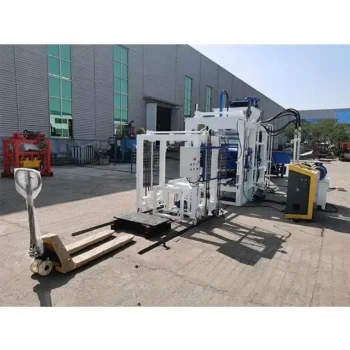
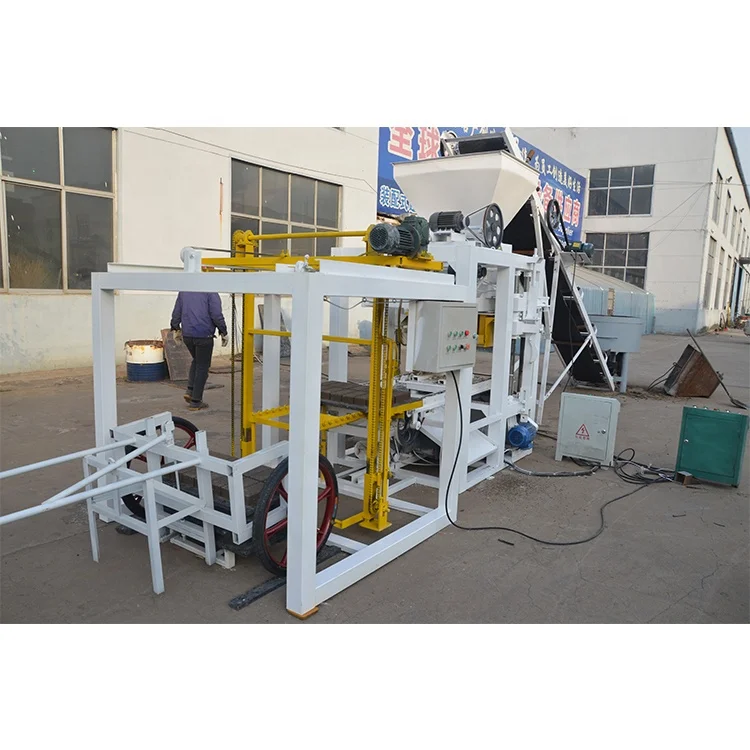
The QT6-15 automatic block machine in stock arrives as a full line — mixer, conveyor, stacker, cement silo, batching machine, and pallet feeder — not a bare press that leaves you sourcing peripherals locally. Machines sitting in the yard have already completed factory run cycles, meaning the hydraulic circuits and vibration assembly have been exercised before crating. For a contractor racing a project deadline or a plant owner replacing a failed press, this eliminates the typical multi-week build queue and shortens the gap between order and commissioning.
Arrival Timing You Can Plan Around
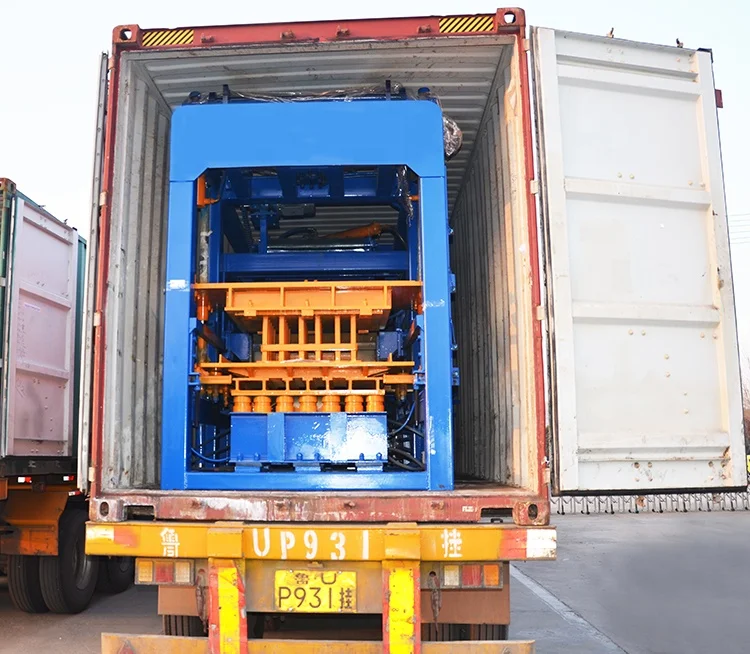
Once a destination port is confirmed, an upfront arrival estimate can be quoted against current shipping schedules, so your foundation crew and curing area are ready the day the container gates in. The 6,000 kg main frame is dismantled into container-compatible sections, and the pallet feeder, stacker, and silo are flat-packed alongside to maximize cube utilization. Standard moulds ship in the same container, so you are not waiting for a second consignment before the first test run [NEED_CITE: container loading practices for heavy block machinery].
How Hydraulic Pressure and Vibration Shape Every Block
The 21 MPa rated pressure works in tandem with the vibration table to compact concrete into the mould cavity. Vibration fluidizes the mix, letting aggregate settle into corners, while hydraulic pressure locks the matrix into its final density. If either force is mismatched to your local aggregate gradation, you see edge chipping or low compressive strength. The 15s–20s moulding cycle range gives the vibration table enough dwell time for coarser fly-ash blends while still keeping pallet turnover brisk enough for a full shift.
The Hidden Cost of Skipping Voltage Confirmation
A machine built for 380 V / 50 Hz arriving at a site wired for 440 V / 60 Hz sits idle until a transformer or variable-frequency drive is sourced locally — a delay that can stretch into weeks. I once watched a block line stand silent in a humid coastal plant because the control panel language was set to a default the operators could not read, compounding the electrical mismatch [NEED_CITE: voltage and frequency standards by export market]. Confirming voltage, frequency, and PLC display language before the QT6-15 leaves the factory floor removes both problems at once, and it is a step that must happen before the container is sealed, not after it arrives.
Why Procure the QT6-15 Through This Channel
Block machinery is the sole focus here, so the press, mould, pallet, and handling equipment are specified as one matched system rather than assembled from separate suppliers. Dispatch lead times are quoted against actual stock positions, not estimated build slots, which matters when your pour date is fixed. The pallet size of 900×700 mm is selected to align with standard curing racks and common forklift fork dimensions already present in most block yards. Moulds for hollow, paving, solid, and kerbstone formats ship from inventory, and custom mould drawings can be processed for formats your local market demands. Factory test records covering your target block format accompany each dispatch so you can verify cycle time and block dimensions before the machine leaves the floor.
Documentation & Verification
- Line layout showing station spacing and pallet flow path for the QT6-15
- Capacity calculation sheet stating block format and pallet count assumed
- Factory test record on your specified block format before dispatch
- Voltage, frequency, and control language confirmation document
- Hydraulic and electrical schematic matching as-built configuration
- Packing photographs and container loading plan for insurance records
Installation, Commissioning & Support
- Foundation pad must support 6,000 kg main frame plus dynamic vibration load
- Dedicated circuit sized for confirmed voltage and frequency before arrival
- Main frame and stacker dismantled for container loading, reassembled on-site
- First-run parameter setting covers vibration dwell, pressure, and cycle timing
- Operator training on mould change procedure and pallet feeder alignment
- Wear parts list covering hydraulic seals, vibration springs, and mould liners
Before You Send an Inquiry
Provide the block formats your market sells most — dimensions, daily volume, and whether you need colored face mixes. State your local voltage and frequency, the language your operators read, and the curing rack and forklift dimensions already on site so pallet sizing can be cross-checked. If you are working to a fixed project milestone, share the date so stock availability and sailing schedules can be matched against it.
Frequently Asked Questions
Q: Which QT6-15 configurations are currently in stock and ready to ship?
A: Stocked units include the main press, hydraulic power pack, vibration table, pallet feeder, stacker, and a set of standard moulds for hollow and paving formats. Supporting equipment such as the mixer and batching machine is also staged. Contact the sales desk for a live stock list showing which mould formats and automation packages can dispatch immediately.
Q: What is the dispatch lead time and estimated arrival at my port?
A: In-stock machines can be crated and gate-out within days once voltage and control language are confirmed. An arrival estimate is then quoted against the next available sailing to your destination port, giving you a date to plan foundation work and operator mobilization around.
Q: How is the machine dismantled and loaded into containers?
A: The 6,000 kg main frame is split into container-compatible sections, and the silo, stacker, and pallet feeder are flat-packed. Standard moulds and pallets ride in the same container to avoid a second consignment. A packing photograph set and loading plan are provided for customs and insurance documentation.
Q: Are standard moulds and pallets included in the stocked package?
A: Yes. The stocked QT6-15 package ships with moulds for the formats listed in the current inventory sheet and a set of pallets sized at 900×700 mm. If your market requires a format not in the standard range, custom mould drawings can be processed before dispatch so the first test run covers your actual product.
Q: What voltage and PLC language options are confirmed before dispatch?
A: Voltage, frequency, and PLC display language are confirmed against your site supply and operator requirements before crating. This step prevents the machine from sitting idle after arrival waiting for a transformer or a language update, a scenario that has delayed commissioning on more than one project I have seen.