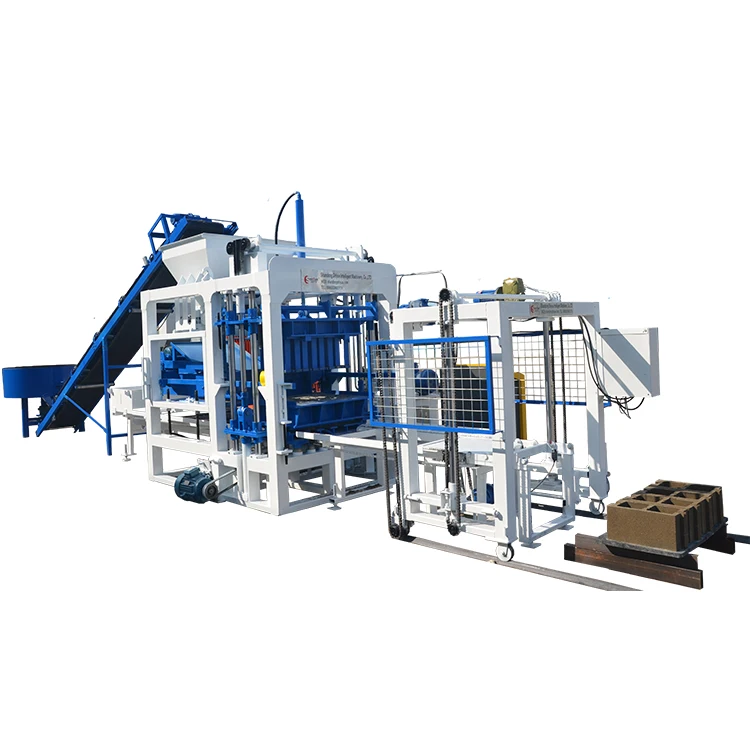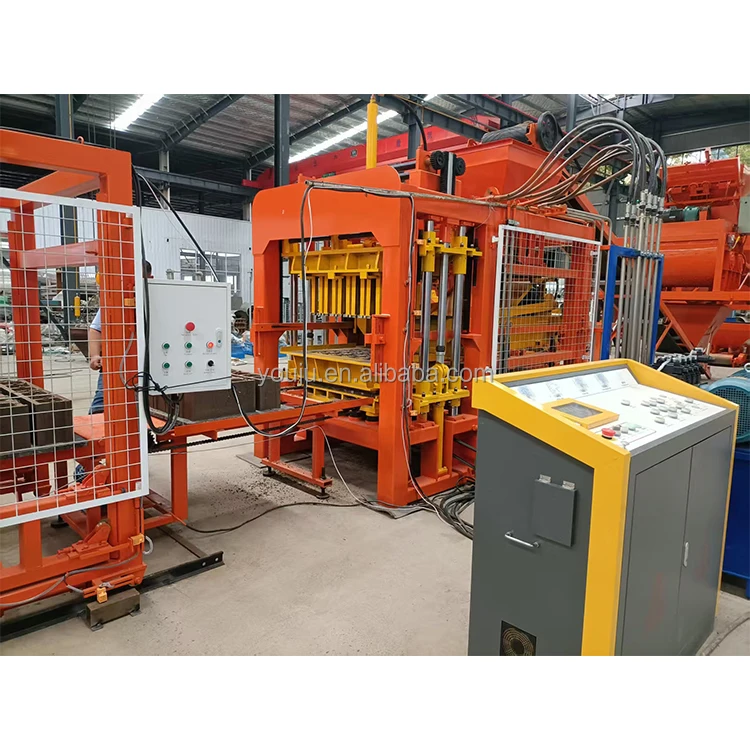
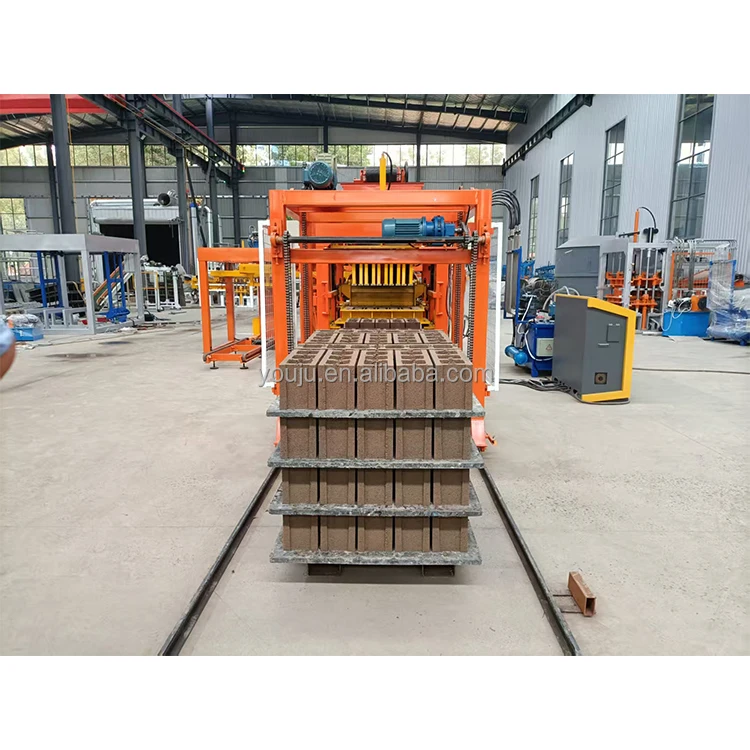
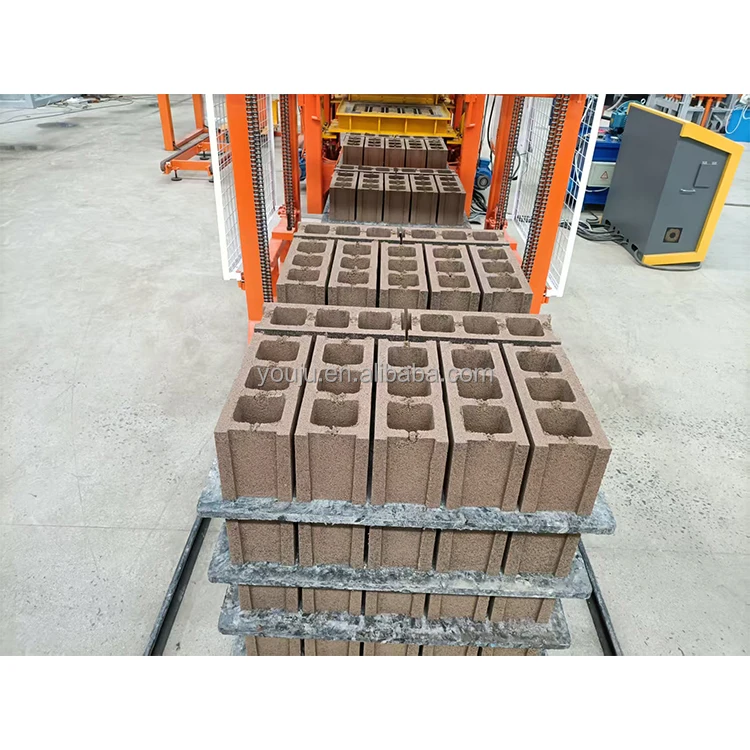
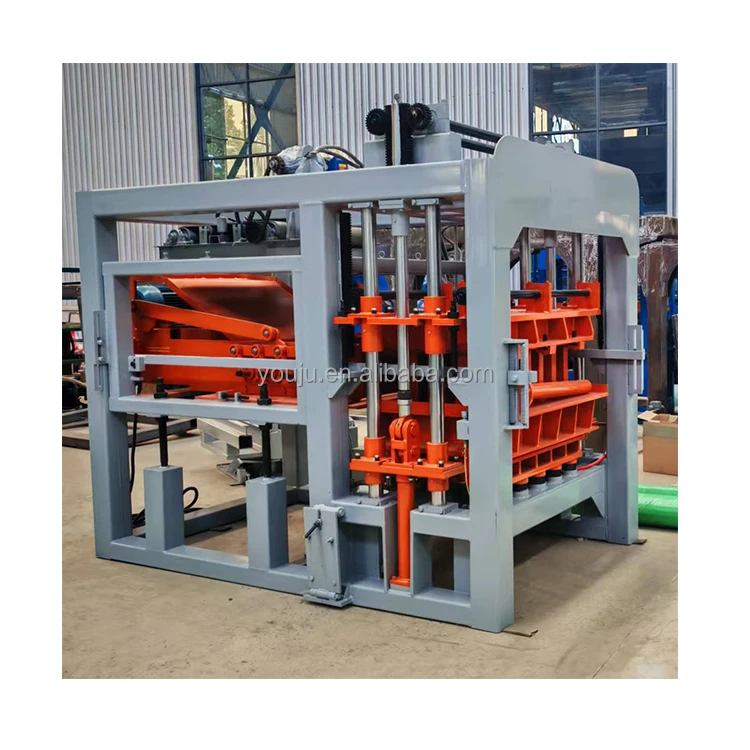
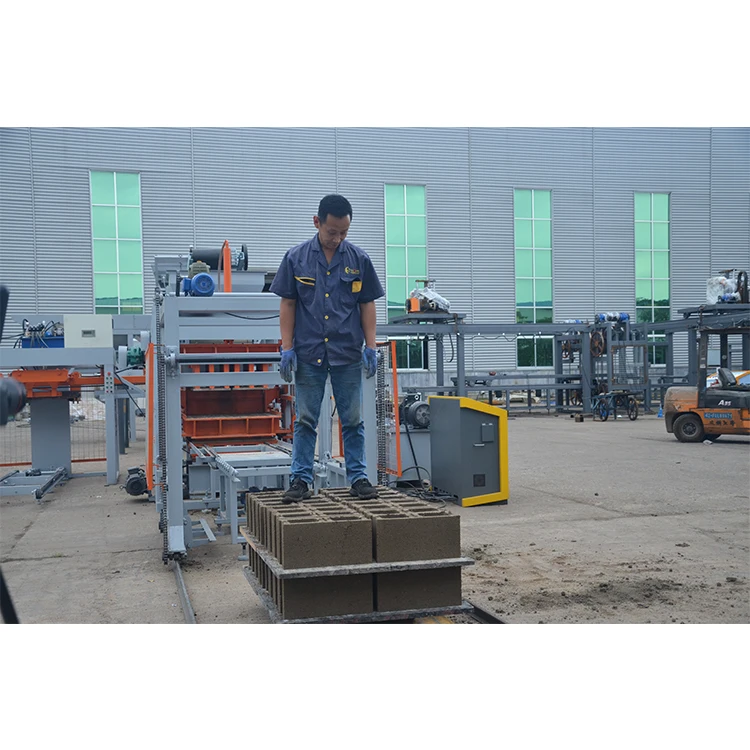
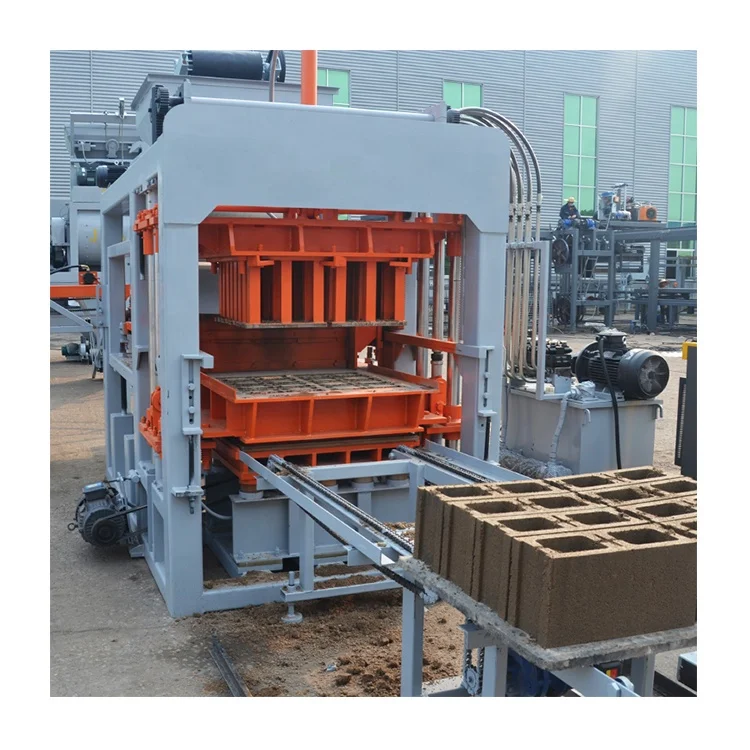
Description
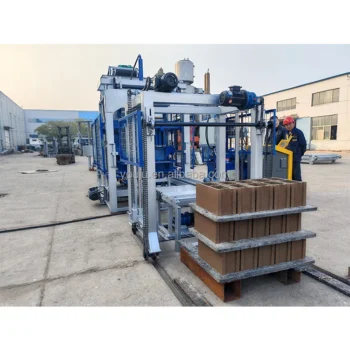
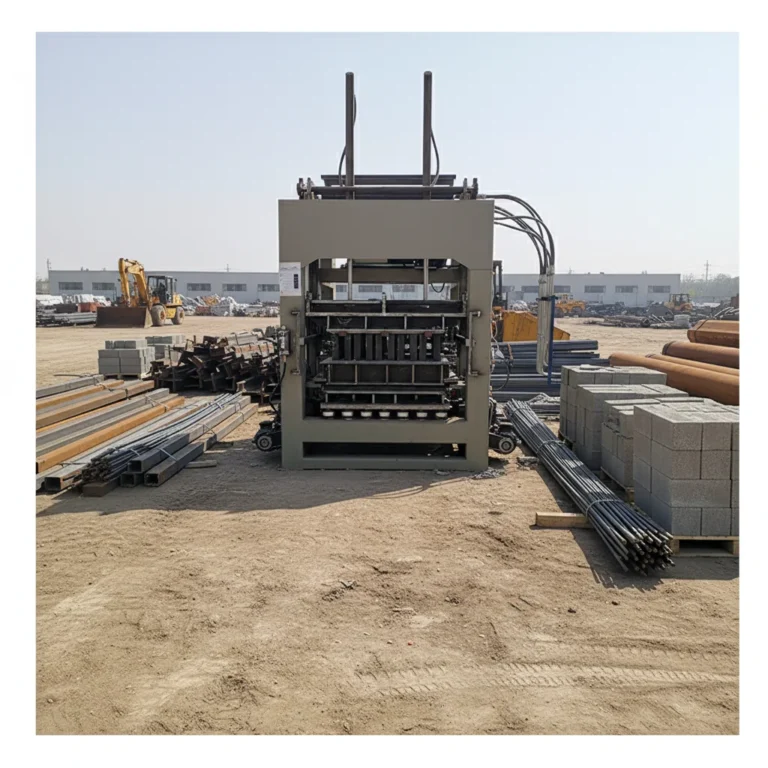
Stocked machine dispatch — QT6-15 units held in Linyi yard with standard moulds and dismantling plan ready, so the container is released as soon as voltage and PLC language are confirmed.
Technical Specifications
| Parameter | Value |
|---|---|
| Model | QT6-15 |
| Product Type | Automatic Hydraulic Concrete Block Making Machine |
| Overall Dimensions (L×W×H) | 7100×1500×3000 mm |
| Rated Pressure | 21 MPa |
| Main Vibration Form | Platform vibration |
| Vibration Frequency | 4500–5100 r/min |
| Pallet Size | 880×850 mm |
| Moulding Cycle | 15–25 s (basis to be confirmed) |
| Overall Power | 31.25 kW |
| Weight of Machine | 8700 kg |
| Control System | PLC intelligence control |
| Drive Type | Hydraulic |
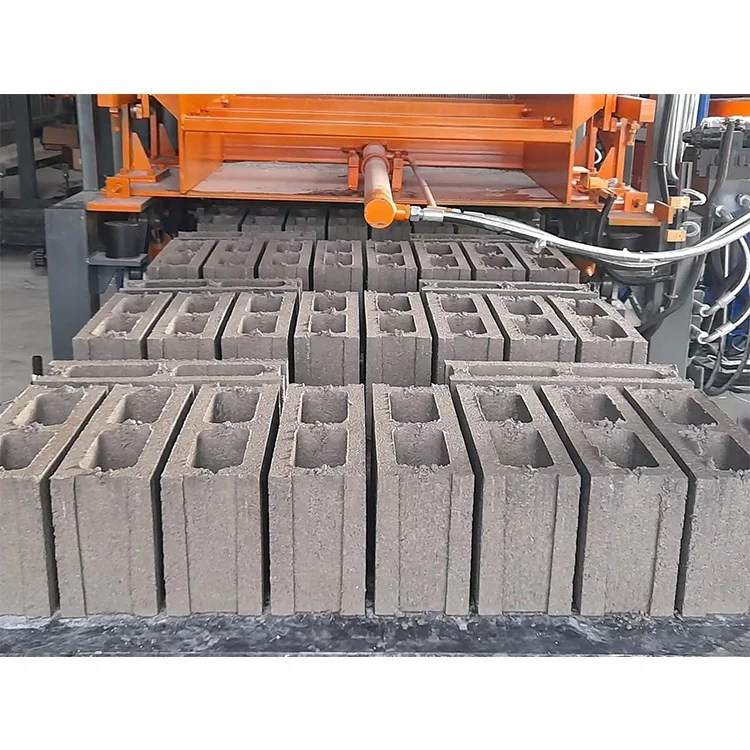
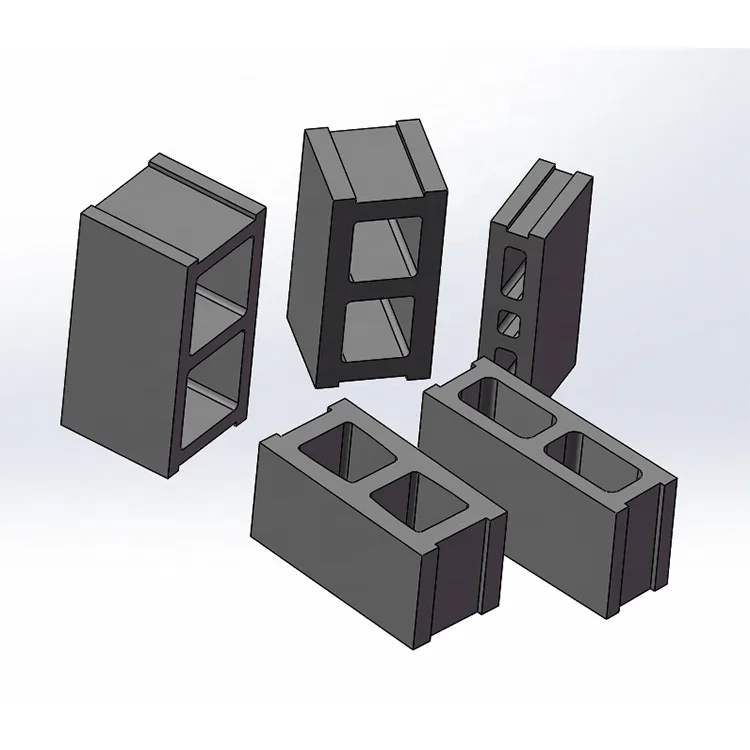
| Block Strength | Hollow blocks 8–10 MPa; Solid bricks 10–20 MPa |
| Automation Level | Fully automatic |
| Mould Change Capability | Interchangeable moulds for different brick sizes |
| Key Features | Hydraulic drive, PLC control, platform vibration, interchangeable mould system |
Application Suitability
| Application | Material or Output |
|---|---|
| Hollow block production for building walls | Cement 8–10%, sand 30–40%, stone 50–60% |
| Solid brick manufacturing for load-bearing structures | Crushed stone aggregate with cement binder |
| Stationary block plant capacity expansion | Standard concrete masonry units |
| On-site production for housing projects | Locally sourced sand and stone aggregates |
Why the Dispatch Date Matters More Than the Cycle Time
Buyers working to a project deadline care about when the machine arrives, not just what the spec sheet says. The QT6-15 block machine in stock fast delivery model exists because a machine sitting in a warehouse is worth more to a contractor than one still on the assembly line. [NEED_CITE: construction project scheduling dependencies on equipment arrival]
A stocked unit with standard moulds can ship within days of confirmation, while a built-to-order press typically adds weeks to the timeline.
Many project contractors lose weeks waiting for a block machine that was quoted with an optimistic lead time. When the QT6-15 block machine in stock fast delivery option is available, the buyer sees dispatch photographs and container loading plans before the balance payment clears. This removes the guesswork from project scheduling and lets the site team plan foundation work and raw material procurement against a known arrival date.
Container Loading and Dismantling for Shipment
The QT6-15 block machine in stock fast delivery process includes a dismantling plan that fits the press into standard shipping containers. The main frame, hydraulic station, and control cabinet are separated so the machine can be secured against container walls without overhanging dimensions. Each component is photographed in its packed state before the container doors close, giving the buyer a visual record for insurance and customs purposes.
Arrival Timing and Port-to-Site Logistics
Once the container leaves the Linyi yard, the transit time depends on the destination port. Buyers who need the QT6-15 block machine in stock fast delivery typically work with a freight forwarder who can track the vessel and arrange inland transport. The machine weight of 8700 kg and overall dimensions require a flatbed or low-loader from the port to the block plant site, and the receiving team must have a forklift or crane rated for the individual component weights. [NEED_CITE: typical ocean freight transit times from Chinese ports to major global destinations]
What "In Stock" Actually Covers
Stock availability refers to the base press with standard moulds and the PLC control cabinet assembled and tested at the factory. Moulds for common hollow block and solid brick formats are typically held alongside the machine. Custom mould drawings or non-standard pallet sizes require additional lead time, which is stated upfront before the order is confirmed. The buyer receives a packing list showing exactly which components are in stock and which require production.
Voltage, Frequency, and PLC Language Before Dispatch
The QT6-15 block machine in stock fast delivery does not mean the machine ships without configuration checks. Voltage and frequency must match the destination country’s grid, and the PLC display language must be readable by the local operators. These two items are confirmed before the machine leaves the factory, preventing commissioning delays that can add days or weeks to the on-site setup. [NEED_CITE: voltage and frequency standards by export market]
How Platform Vibration and Hydraulic Pressure Work Together
The 21 MPa rated pressure and platform vibration at 4500–5100 r/min combine to compact the concrete mix into a dense block. Higher vibration frequency reduces air voids, while hydraulic pressure holds the mould halves together during the compaction phase. If the pressure is too low for the vibration force, the block edges crumble; if the vibration is too weak for the pressure, the block lacks internal density. The 31.25 kW overall power budget supports both systems running simultaneously through a full moulding cycle.
The 880×850 mm pallet size determines how many blocks fit on each curing rack and what forklift capacity the plant needs. Buyers who already have curing racks and forklifts must confirm that the pallet dimensions match their existing equipment before the machine ships. The interchangeable mould system allows format switches, but the pallet size is fixed by the machine frame and cannot be changed without modifying the feed and ejection mechanisms.
The Hidden Cost of Skipping the Raw Material Trial
Buyers who order without sending a raw material sample often discover that the machine cycle time stretches when their local sand has a higher clay content than the factory test mix. The moulding cycle of 15–25 seconds assumes a specific aggregate grading and moisture content. When the actual mix requires longer vibration to achieve target block strength, daily output drops below the plant’s business plan. [NEED_CITE: effect of aggregate clay content on concrete block compaction time]
A second hidden cost appears when the destination voltage does not match the motor winding configuration. The machine sits idle until replacement contactors or a transformer arrive, and the project deadline slips. Confirming voltage, frequency, and PLC language before the container is sealed prevents both of these delays.
Why Buyers Source This Machine From Linyi
The QT6-15 is assembled and tested in a facility that focuses exclusively on block making machinery, so the press, mould, pallet, and handling equipment are specified as one matched system. Stock units are held with standard moulds already fitted, reducing the time between order confirmation and container loading.
Factory test records are generated on a concrete mix that mirrors the buyer’s raw material ratio of cement, sand, and stone, not a generic catalogue mix. Dismantling photographs and packing lists are provided before the machine leaves the yard, so the buyer can plan receiving logistics against a known component list.
Documentation & Verification
- Factory test record on your cement-sand-stone ratio before dispatch
- Container loading photographs showing dismantled components secured for transit
- Voltage and frequency confirmation sheet matched to destination grid
- PLC display language verification before control cabinet is packed
- Packing list with individual component weights for crane and forklift planning
Installation, Commissioning & Support
- Foundation must support 8700 kg machine weight across 7100×1500 mm footprint
- Dedicated power circuit required for 31.25 kW overall load at confirmed voltage
- Machine arrives dismantled; reassembly requires crane access to plant floor
- PLC control system configured to local language before first production run
- Mould change procedure demonstrated on site using stocked interchangeable moulds
- Hydraulic station pressure set to 21 MPa and vibration frequency tuned during commissioning
What to Include in Your Inquiry
To confirm stock availability and dispatch timing, send the target block format, daily output requirement, and local raw material description. Include the destination voltage and frequency so the motor and PLC can be verified before the machine leaves the factory. If existing curing racks and forklifts are already on site, provide the pallet dimensions they accept so the 880×850 mm pallet size can be checked against them.
Frequently Asked Questions
Q: What is the actual dispatch lead time for a stocked QT6-15?
A: Stocked units with standard moulds can be dismantled, packed, and released to the freight forwarder within days of voltage and PLC language confirmation. The exact date depends on container availability at the Linyi yard and the destination port schedule. Buyers receive dispatch photographs and a packing list before the container doors close.
Q: How is the machine dismantled and loaded into a container?
A: The main frame, hydraulic station, and control cabinet are separated so the components fit within standard container dimensions. Each piece is secured against container walls and photographed in its packed state. The packing list shows individual component weights so the receiving team can arrange appropriate lifting equipment at the destination port.
Q: Which block formats are covered by the standard moulds in stock?
A: Standard moulds typically cover common hollow block and solid brick formats used in the buyer’s regional market. Custom mould drawings for specialized formats require additional lead time. The interchangeable mould system on the QT6-15 allows format switches on the same machine, but pallet size remains fixed at 880×850 mm.
Q: Can voltage and control language be confirmed before shipment to avoid commissioning delays?
A: Voltage, frequency, and PLC display language are confirmed with the buyer before the machine leaves the factory. This prevents the common situation where the machine arrives but cannot run until replacement electrical components or a language update are sourced locally. The confirmation is documented on a specification sheet included with the shipping paperwork.
Q: What is the arrival estimate once the machine leaves the factory?
A: Transit time depends on the destination port and shipping line schedule. The buyer’s freight forwarder provides a vessel tracking number once the container is loaded. From port arrival to site delivery, the timeline depends on customs clearance speed and inland transport availability for the 8700 kg machine weight.