

Description
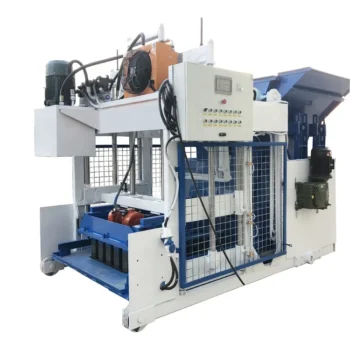
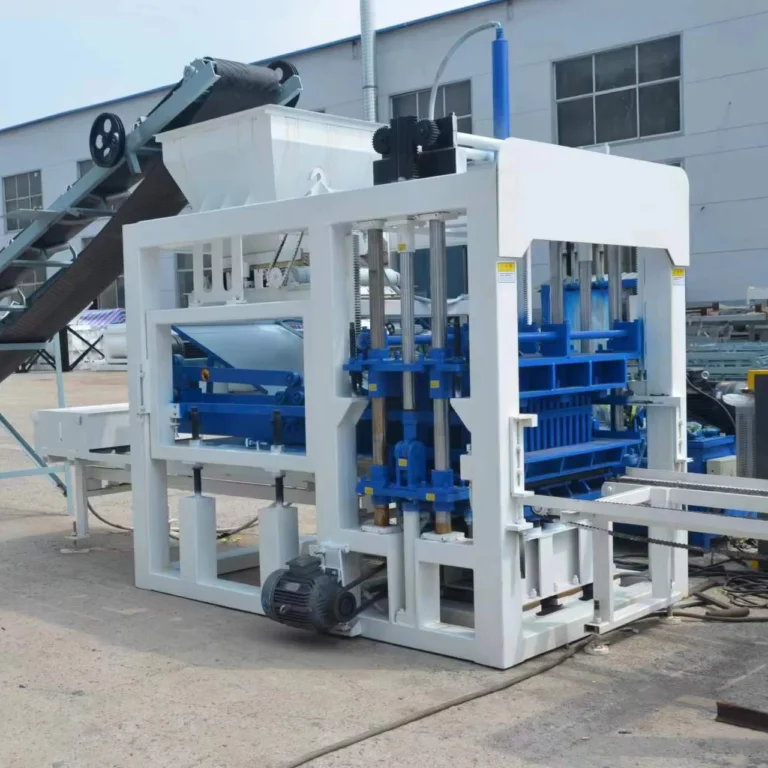
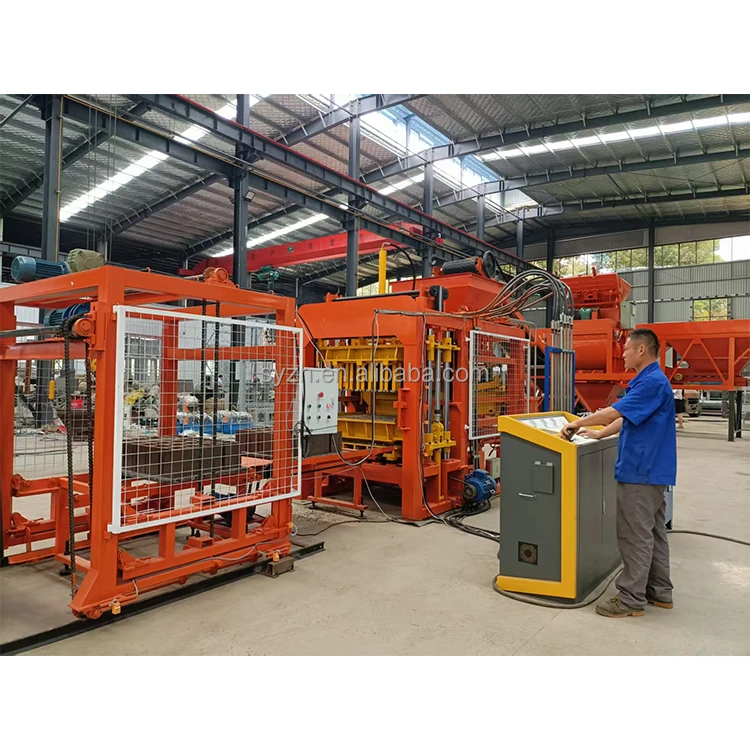
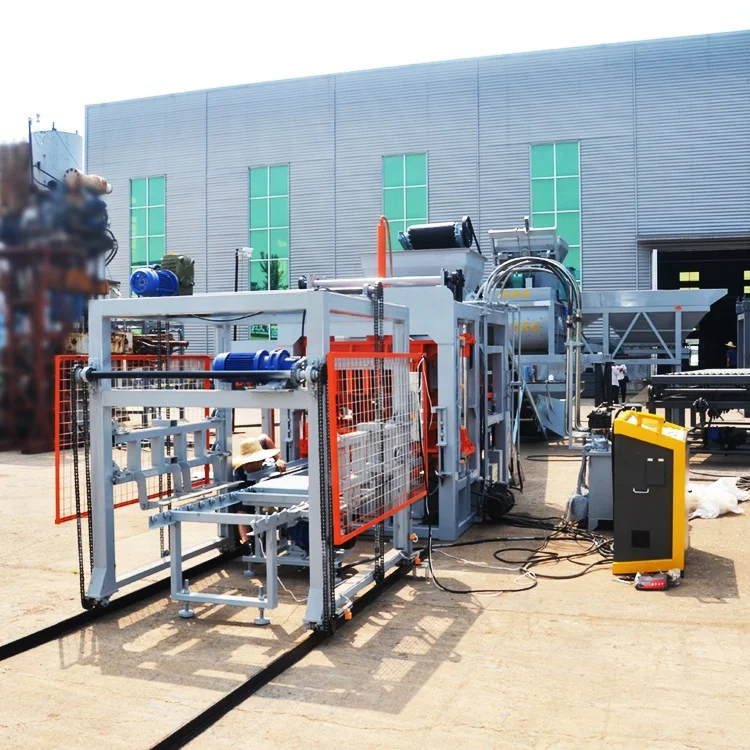
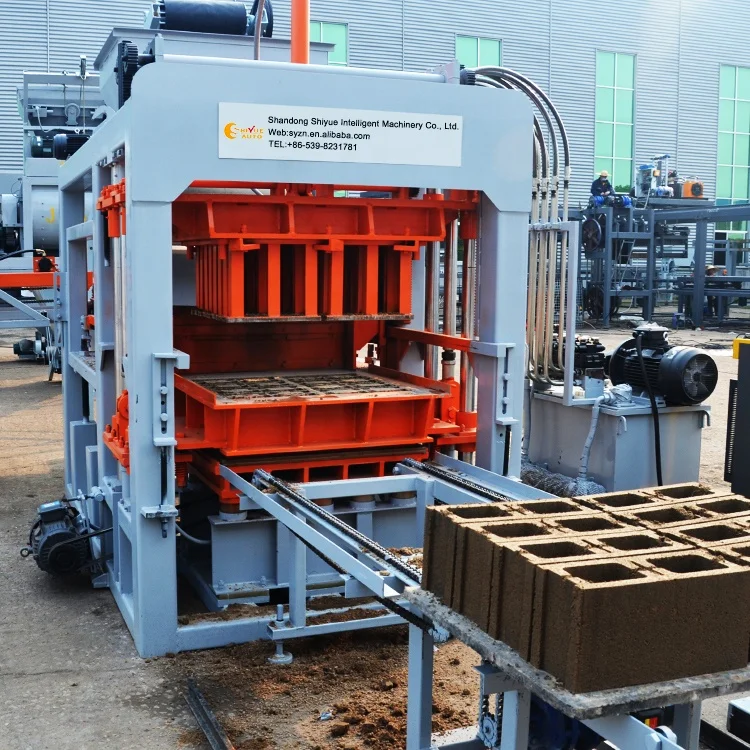
Stocked and Ready — the QT6-15 block machine sits in our yard configured for standard voltage, tested under load, and cleared for container loading the moment your order is confirmed.
Technical Specifications
| Parameter | Value |
|---|---|
| Model | QT6-15 |
| Product Type | Automatic Concrete Block Making Machine |
| Overall Dimensions (L×W×H) | 7400 × 1900 × 2660 mm |
| Molding Cycle | 15–25 s |
| Vibration Frequency | 4600 r/min |
| Vibration Force | 40–50 kN |
| Rated Power | 31.25 kW |
| Mixer Model | JQ350 |
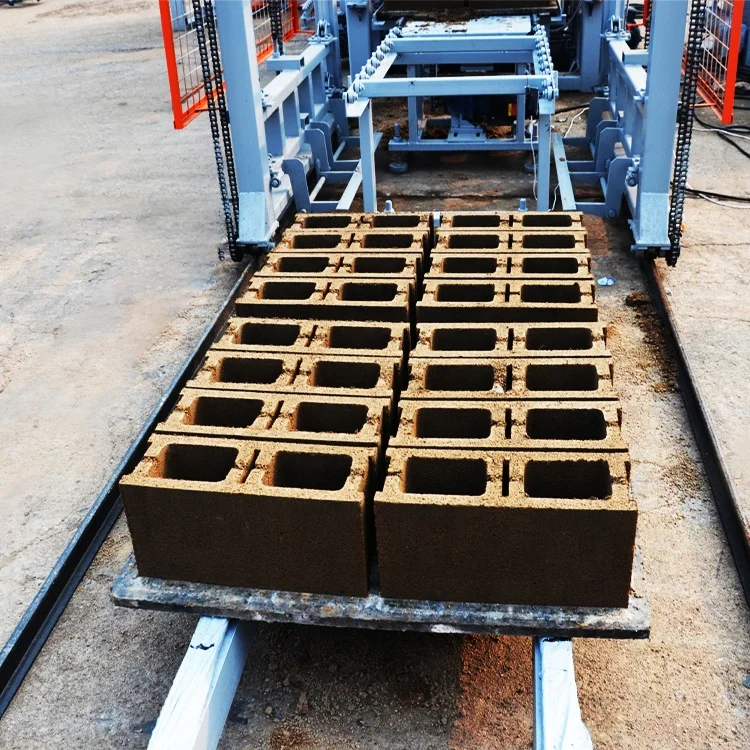
| Pallet Size | 850 × 550 × 25 mm |
| Total Weight | 7 T |
| Control System | PLC control system |
| Hydraulic Station | Included |
| Pallet Feeder | Included |
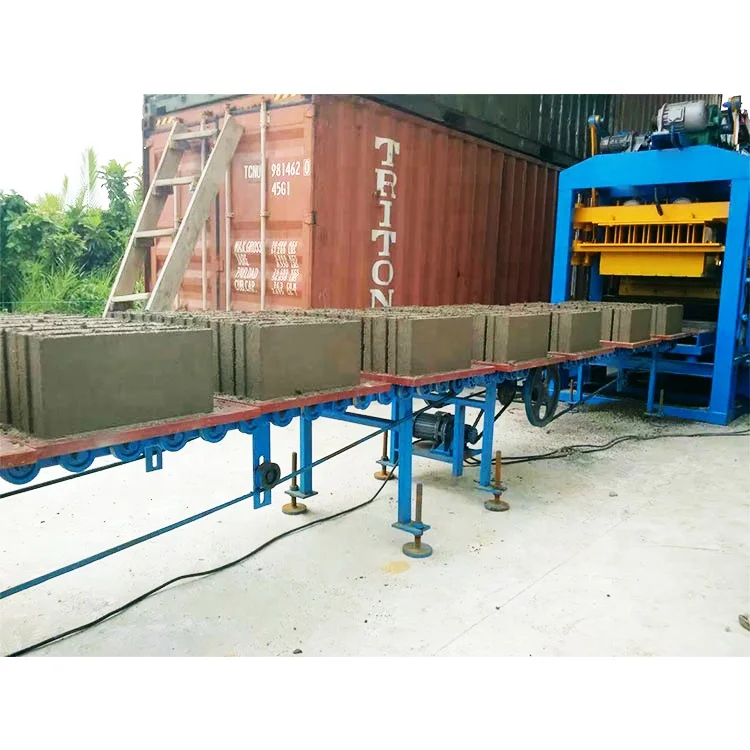
| Brick Conveyor | Included |
| Block Sweeper | Included |
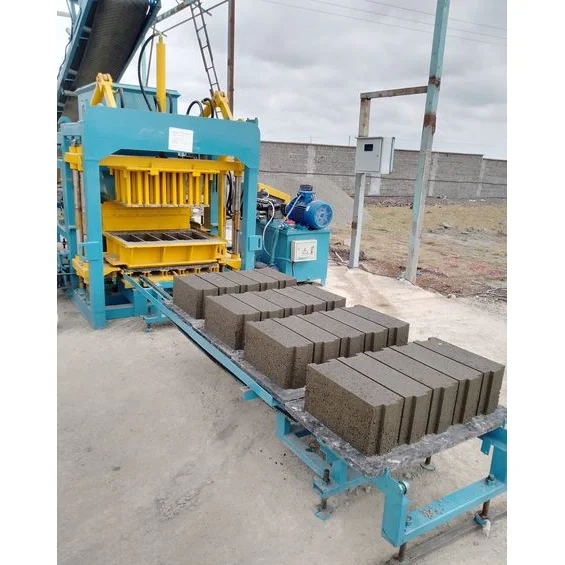
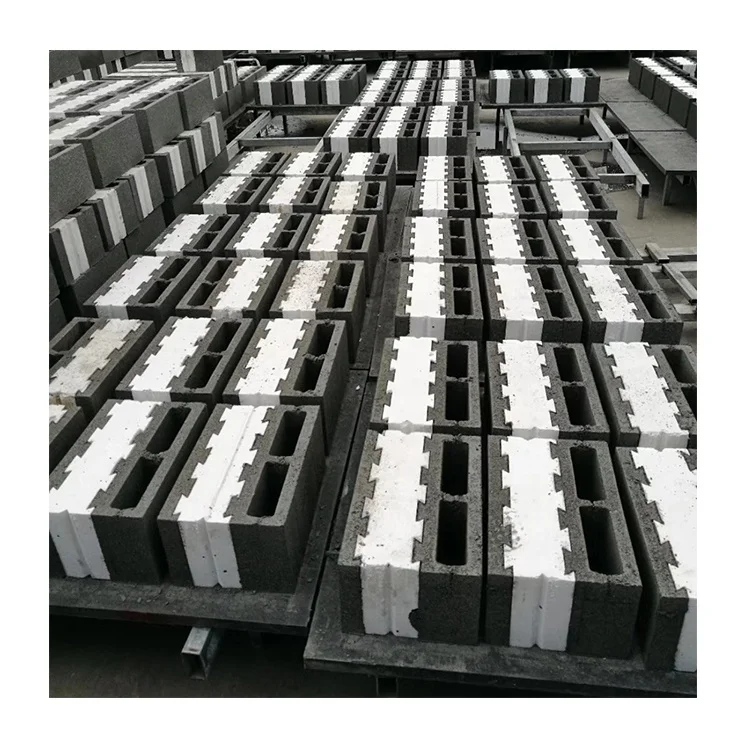
| Applied Products | Hollow block, solid brick, paver, curbstone |
| Output (Hollow block 400×200×200 mm) | 1200–1680 pcs/hr (basis: 15–20 s cycle) |
| Output (Hollow block 400×150×200 mm) | 1800–2400 pcs/hr (basis: 15–20 s cycle) |
| Output (Solid brick 240×115×53 mm) | 3240 pcs/hr (basis: 15–20 s cycle) |
| Voltage & Frequency | Basis to be confirmed |
| PLC Display Language | Basis to be confirmed |
| Raw Materials | Crushed stone, sand, cement, fly ash, dust |
Application Suitability
| Application | Material or Output |
|---|---|
| Hollow block production for masonry walls | Crushed stone and cement mix, 400×200×200 mm and 400×150×200 mm formats |
| Solid brick production for infill and partition walls | Sand, cement and fly ash blend, 240×115×53 mm format |
| Paver and interlocking block production for driveways and walkways | Fine aggregate and cement, various surface textures |
| Curbstone production for road and pavement edging | Dense crushed stone aggregate, high compaction requirement |
| On-site block production for housing projects | Locally sourced sand and stone, format changes per building phase |
What Dispatch Timing Really Means for Your Project
A stocked QT6-15 block machine in stock leaves our yard within days, not weeks — and you know the container closing date before you pay the balance.
Project timelines on construction sites and housing developments do not shift because a machine is still in the production queue. I have watched contractors lose an entire foundation season because a block machine was quoted as "30 days" and actually shipped at week eight. When you are working to a fixed completion date, the difference between a machine that loads next week and one that loads next month is the difference between finishing the outer shell before the rains or paying for scaffolding rental through another quarter [NEED_CITE: typical construction delay costs on block-built housing projects]. The fast delivery concrete block machine route exists for exactly these situations: the specification is fixed, the machine has been tested, and the only variable is how quickly your forwarder can book the vessel.
From Stock to Container in a Defined Window
The QT6-15 block machine in stock has already passed a factory run cycle with the hydraulic station and PLC control system operating under load. This means the electrical cabinet has been powered up, the vibration motor has run through its frequency range, and the pallet feeder has cycled at production speed. The machine is then dismantled into components that fit a 20GP container, with approximately 500 production pallets loaded alongside. You receive packing photographs before the container doors close, so you can verify that the main press, the JQ350 mixer, the conveyor and the block sweeper are all accounted for.
What "Stocked" Actually Covers Beyond the Press
A fast delivery concrete block machine is not just the press sitting on the warehouse floor. The stocked package includes the hydraulic station, the PLC cabinet, the pallet feeder, the brick conveyor and the block sweeper as standard line items. Standard moulds for hollow block and solid brick formats are matched to the pallet size of 850×550×25 mm. Before dispatch, we confirm the voltage and frequency configuration against your site supply and verify the PLC display language so the operator can read fault codes on day one [NEED_CITE: voltage and frequency standards by export market]. A machine that ships without these checks arrives as a 7-tonne problem.
Reading the Specs Against Your Actual Block Format
The vibration force of 40–50 kN combined with the hydraulic pressure determines how tightly the aggregate particles are compacted inside the mould box. Higher compaction means the block holds its shape when the mould lifts and reaches handling strength faster in the curing yard. The 4600 r/min vibration frequency is matched to the 15–25 s molding cycle, which keeps the QT6-15 competitive for hollow block formats without over-stressing the mould wear surfaces. The 31.25 kW rated power covers the press, the JQ350 mixer and the conveyor operating together, so your site electrician can size the supply cable and breaker without guessing. The pallet dimension of 850×550×25 mm must match the fork pockets on your existing curing racks and the tine spacing on your forklift — a mismatch here means you are manually restacking every pallet before it enters the curing area.
The Hidden Cost of a Voltage Mismatch on Arrival
I shipped a machine to West Africa once with a 380V electrical cabinet because the order paperwork did not specify otherwise. The site had 415V/50Hz supply, the contactors pulled in hard, and the PLC threw an overvoltage fault within the first hour. The contractor spent three weeks sourcing a step-down transformer while the block yard sat idle and the bricklayers drew standby pay. Now every stocked unit, including the QT6-15, has its voltage and frequency confirmed against the buyer’s site data before the container is sealed [NEED_CITE: CE machinery directive requirements for industrial equipment]. The PLC display language is set to match the operator who will actually run the machine, not whatever the default was on the test bench. A fifteen-minute conversation before dispatch saves a three-week delay on site.
Why Procurement for This Machine Starts Here
The QT6-15 is stocked as a single matched system — press, mixer, pallet feeder, conveyor, sweeper and moulds specified together rather than assembled from separate suppliers after the fact. Configuration is checked against your local aggregate type and the block format your market actually buys, not a catalogue default that looks good on paper. Moulds for the formats that sell in your region ship with the machine, and additional formats can be added from stock drawings. The automation level is fixed at this tier with PLC control and automatic pallet feeding, so the daily output figures carry a consistent meaning across every unit we ship. Dispatch lead time is stated in days from order confirmation, not weeks from a vague production slot, and the packing plan is shared with your forwarder before the container is booked.
Documentation & Verification
- Factory test record showing the QT6-15 running through its full molding cycle before dismantling
- Machine specification sheet with pallet size, vibration force and rated power confirmed per unit
- Voltage and frequency configuration record matched to your site supply data
- Mould drawing and format list for every mould included in the shipment
- Packing photographs showing press, mixer and pallets loaded before container doors close
- Customs documentation support for destination port clearance
Installation, Commissioning & Support
- Foundation pad sized to 7400 × 1900 mm footprint with anchor bolt positions marked on the layout drawing
- Dedicated 31.25 kW supply circuit with breaker sizing confirmed against the site voltage and frequency
- Machine arrives dismantled for 20GP container; reassembly sequence documented with torque values
- First production run supervised to set molding cycle and vibration timing to your specific mix design
- PLC fault code walkthrough in the confirmed display language for your shift operators
- Pallet dimension 850 × 550 × 25 mm checked against your curing rack spacing and forklift tine width
Before You Send the Inquiry
To size the dispatch plan correctly, we need the block format you plan to produce and the daily volume your site requires. Share the voltage and frequency at your site connection point, along with the PLC display language your operators will use. If you have an existing curing yard and forklift, send the pallet dimensions you currently run so we can confirm compatibility before the container closes.
Frequently Asked Questions
Q: Is the QT6-15 currently in stock and what is the dispatch lead time?
A: The QT6-15 block machine in stock is held as a complete package with standard moulds, hydraulic station and PLC cabinet. Dispatch lead time is quoted in days from order confirmation, not weeks, and the container loading date is agreed with your forwarder before the balance payment is due.
Q: How many containers are needed and what is the estimated arrival date?
A: The QT6-15 ships dismantled in a single 20GP container with approximately 500 production pallets loaded alongside. Arrival date depends on the vessel schedule to your destination port; we provide the estimated sailing date and transit time at quotation so you can plan site preparation against a known timeline.
Q: Which standard moulds ship with the machine and are additional formats available?
A: Standard moulds for hollow block and solid brick formats matched to the 850×550×25 mm pallet are included. Additional format moulds can be supplied from stock drawings for pavers, interlocking blocks and curbstones, with lead time confirmed at order.
Q: What voltage is the stocked machine configured for, and can it be changed before dispatch?
A: The stocked QT6-15 is verified against your site voltage and frequency before the container is sealed. If the machine currently in stock does not match your supply, the electrical cabinet components are reconfigured and retested in our yard so the machine powers up correctly on arrival.
Q: Are pallets included in the shipment and how many fit per container?
A: Approximately 500 production pallets at 850×550×25 mm are loaded into the 20GP container alongside the dismantled machine. The pallet material and specification are stated in the shipment documentation so you can reorder matching pallets locally when the originals reach end of service life.