


Description
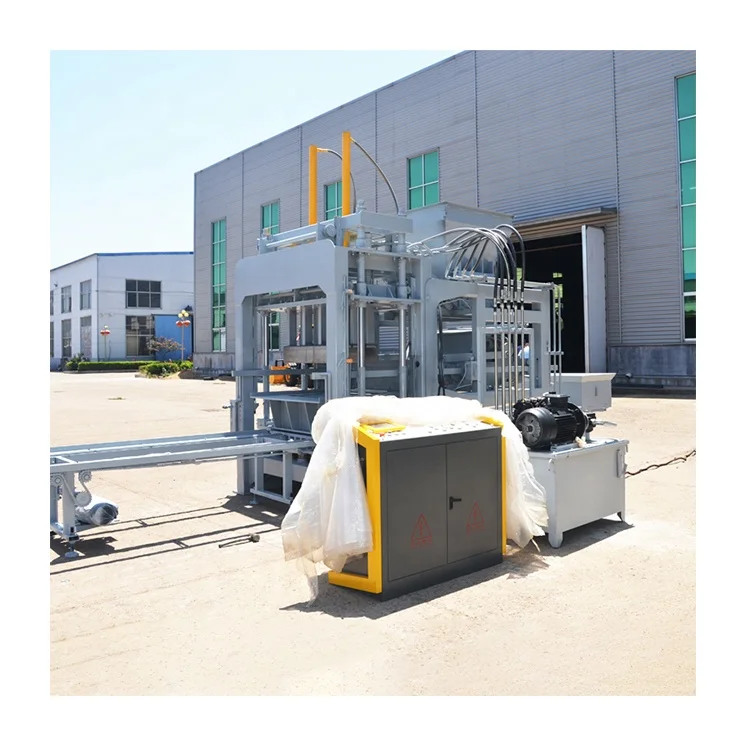
Stocked QT7-15 block machine for fast dispatch — container loading plan and arrival estimate quoted before you place the order, so your project timeline stays intact.
Technical Specifications
| Parameter | Value |
|---|---|
| Model | QT7-15 |
| Product Type | Hydraulic Block Making Machine |
| Pallet Size | 1150×700 mm |
| Vibration Force | 100 kN |
| Vibration Frequency | 0–60 Hz |
| Vibration Form | Platform Vibration |
| Molding Cycle | 15–20 s |
| Demolding Method | Hydraulic |
| Control System | PLC (Programmable Logic Controller) |
| Overall Power | 45 kW |
| Total Mass | 8 T |
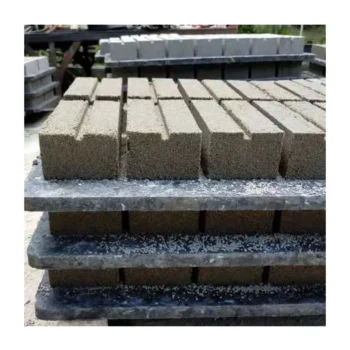
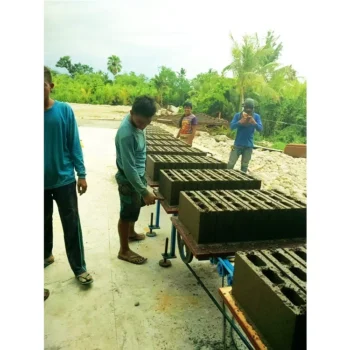
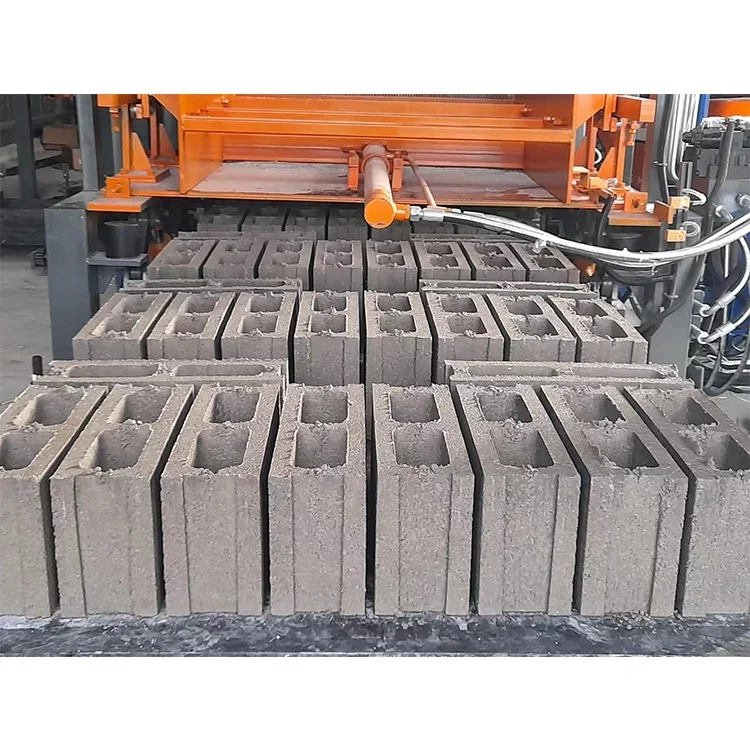
| Output Capacity (Hollow block 400×200×200 mm) | 1260–1680 pcs/h, 10080–13440 pcs/8hr |
| Output Capacity (Hollow block 400×150×200 mm) | 1440–1920 pcs/h, 11520–15360 pcs/8hr |
| Output Capacity (Rectangular brick 200×100×60 mm) | 3888–4860 pcs/h based on 20–25 s cycle and 27 pcs/mould, 31104–38880 pcs/8hr |
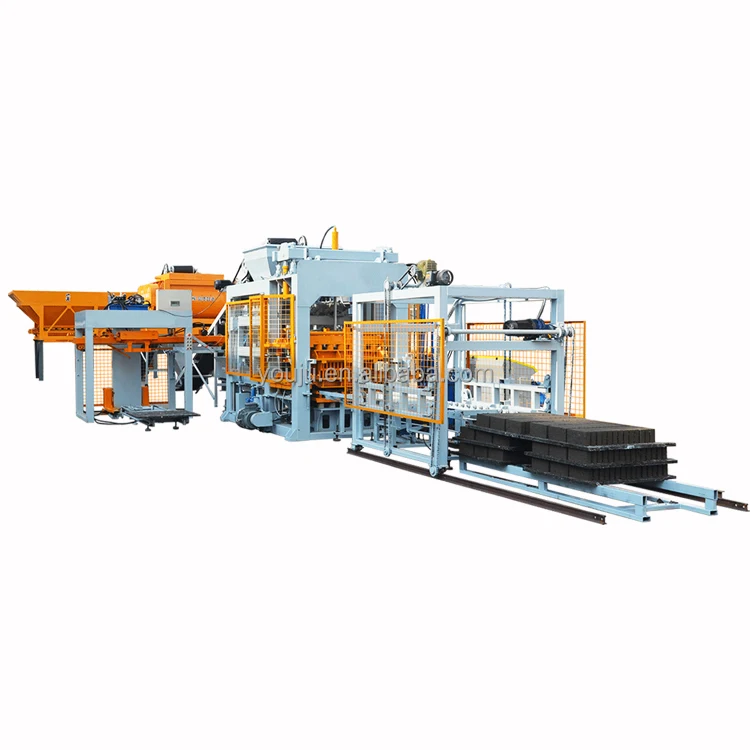
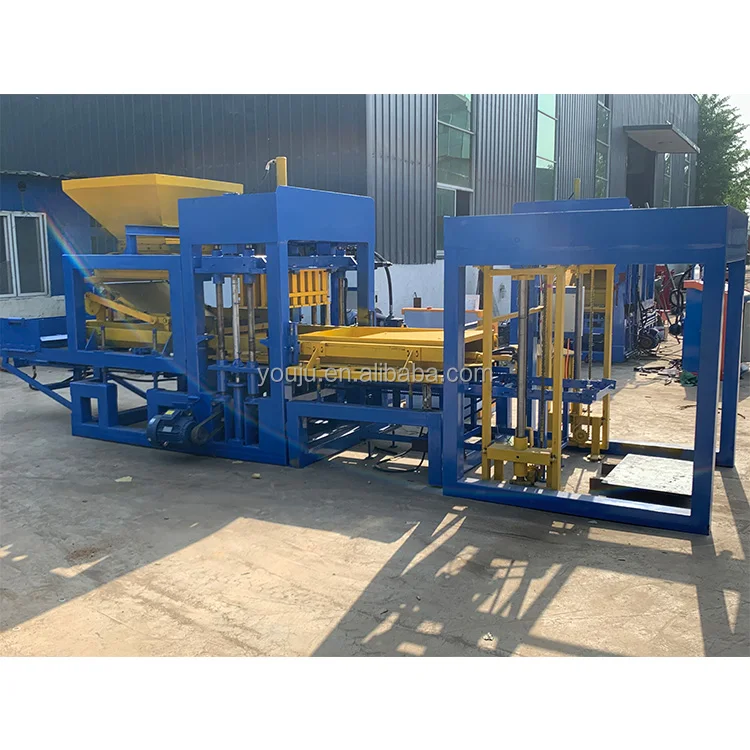
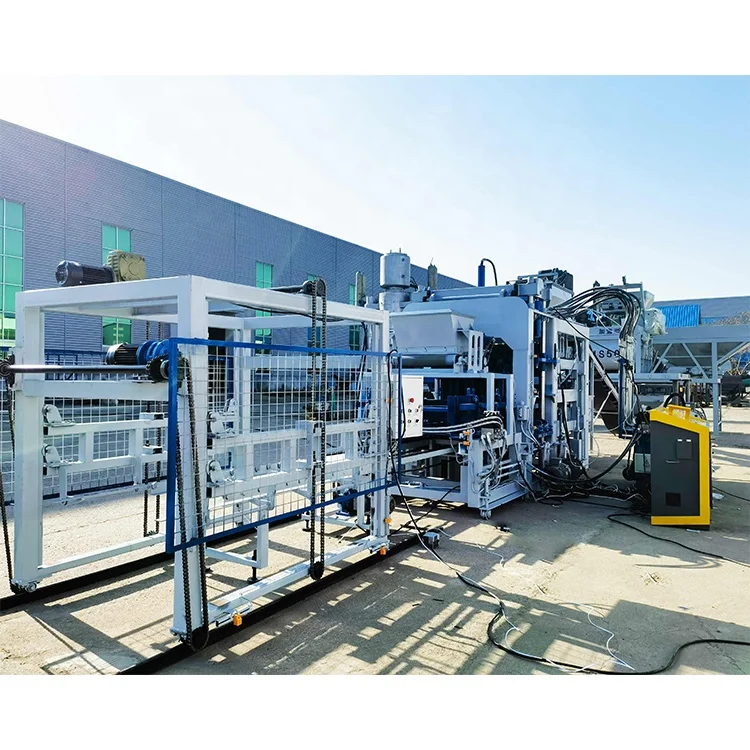
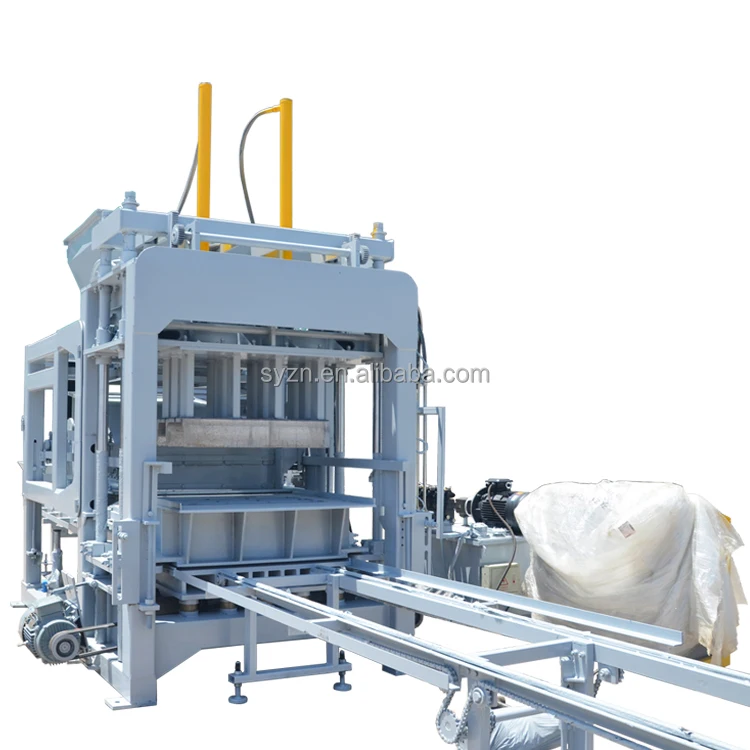
| Components | Pallet feed machine, block making machine, storage hopper, conveyor, hydraulic unit, PLC control cabinet |
| Voltage & Frequency | To be confirmed with supplier |
| Automation Level | To be confirmed — semi-automatic or fully automatic |
| CE Declaration | Applicable (verify against current catalog) |
Application Suitability
| Application | Material or Output |
|---|---|
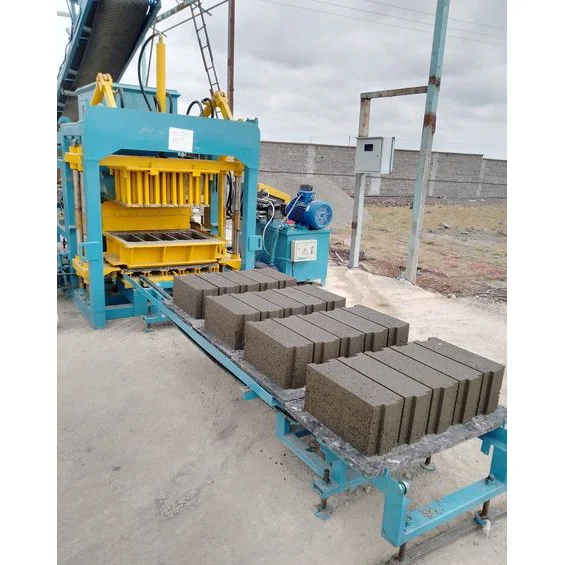
| Hollow block production for building walls | Crushed stone, sand, cement, water — standard concrete mix |
| Solid block manufacturing for load-bearing structures | Dense aggregate blended with cement |
| Paving block and rectangular brick for walkways and driveways | Fine aggregate with cement and optional pigment |
| On-site block production for construction contractors | Local raw materials matching site-available aggregate |
| Regional block plant supply for distributors | Standard concrete formats shipped to inventory |
Why the Stock Question Matters More Than the Price Tag
A fast delivery cement block making machine only works if the stocked configuration matches your actual site conditions.
I have watched contractors in Latin America lose weeks of a building season because the QT7-15 block machine in stock they ordered arrived with a PLC display in a language their operators could not read, or with a voltage rating that did not match the local grid. The machine sat in a container while electricians sourced transformers. Stock availability means nothing if the dispatch skips the voltage and control language confirmation that should happen before the crate closes [NEED_CITE: voltage and frequency standards by export market]. A stocked unit that needs on-site electrical rework is no longer a time-saver.
Dispatch Readiness and Container Loading
The QT7-15 block machine in stock is dismantled for container loading rather than shipped as a single assembly. The hydraulic unit, PLC control cabinet, pallet feed machine, and conveyor are separated and secured so the main press frame fits within standard container dimensions. This approach avoids the cost and delay of flat-rack or open-top containers and lets the buyer handle unloading with standard site equipment.
Packing photographs are taken before the container doors close. Each component is tagged so reassembly on site follows a logical sequence. Buyers working to a project deadline receive a container loading plan and an estimated arrival timeline before confirming the order, which removes the guesswork from site preparation scheduling.
Standard Mould Inventory and Add-On Availability
When you need a fast delivery cement block making machine, the moulds matter as much as the press. Standard hollow block and rectangular brick moulds that match the output capacities listed above are typically held in inventory alongside the QT7-15 block machine in stock. Adding extra standard moulds to the same shipment avoids a second freight booking and keeps the full production range available from day one.
Custom moulds require separate lead time and are not part of the stocked dispatch. Buyers who need both standard formats immediately and custom formats later can take the standard moulds with the initial shipment and receive the custom set once the design is finalized [NEED_CITE: typical mould fabrication lead time for custom block formats].
How Pallet Size, Vibration Force, and Cycle Time Shape Real Output
The 1150×700 mm pallet size defines the maximum mould footprint and must match the curing racks and forklifts already on site. A pallet that is too large for an existing curing area forces a reconfiguration of the entire yard before a single block is produced. The 100 kN vibration force delivered through platform vibration at 0–60 Hz adjustable frequency works with the hydraulic pressure to compact the concrete mix into a dense, consistent block. When vibration force and hydraulic pressure are both adequate for the buyer’s specific mix design, blocks release from the mould with uniform strength across the batch.
The 15–20 second molding cycle applies to hollow block formats. Rectangular brick cycles run at 20–25 seconds with 27 pieces per mould, which is the basis for the 3888–4860 pcs/h figure. Any cycle time or output discussion for the QT7-15 must reference the specific block format, because quoting a single number across all formats misleads the buyer on daily throughput.
When a Stocked Machine Arrives With the Wrong Configuration
A machine configured for a mix the buyer cannot source locally turns a fast dispatch into an expensive material change. If the local aggregate is finer or coarser than what the standard vibration frequency range was set for, block density suffers and breakage rates climb during curing. Unconfirmed voltage and frequency mean the PLC cabinet may trip breakers on first power-up or run the hydraulic pump at the wrong speed, accelerating seal and valve wear [NEED_CITE: CE machinery directive requirements for industrial equipment]. These are not defects — they are configuration mismatches that could have been caught in a pre-shipment checklist.
Why Buyers Working to Deadlines Source Here
Block machinery is the single focus, so the QT7-15 press, its moulds, pallets, and handling equipment are specified as a matched set rather than assembled from unrelated suppliers. The dispatch lead time and arrival estimate are confirmed before the order is placed, not after production begins. Factory test records are generated with the buyer’s target block format before the machine is dismantled for shipment. CE declaration is provided where applicable, and customs documentation support accompanies every export shipment. Pallet specifications are cross-checked against the buyer’s curing area dimensions and existing forklift capacity to prevent yard reconfiguration surprises.
Documentation & Verification
- Factory test record generated on your target hollow block format before dispatch
- Machine specification sheet confirming pallet size, vibration force, and overall power
- Pallet specification cross-referenced to your curing rack and forklift dimensions
- Voltage, frequency, and PLC display language confirmation document signed before shipment
- Packing photographs and dismantling plan for container loading review
Installation, Commissioning & Support
- Foundation must support 8 T total mass with level tolerances for the 1150×700 mm pallet feed track
- Dedicated 45 kW power circuit with confirmed voltage and frequency before electrical hookup
- Machine arrives dismantled — reassembly sequence follows tagged component plan from packing photos
- First-run commissioning includes PLC parameter setting for your specific block format and cycle time
- Operator training covers mould change procedure, hydraulic system checks, and vibration frequency adjustment
- First-year wear parts list including seals and vibration components provided with quotation
What We Need to Quote Your Dispatch Timeline
To confirm availability and give you an accurate arrival estimate, provide your target block format and daily output requirement, the local voltage and frequency at your site, and the PLC display language your operators use. If you already have curing racks and forklifts in place, share their dimensions so we can verify the 1150×700 mm pallet will fit your existing yard layout.
Frequently Asked Questions
Q: Which QT7-15 models and moulds are currently in stock and ready to dispatch?
A: Stocked QT7-15 units are available with standard hollow block and rectangular brick moulds that match the pallet size of 1150×700 mm. Availability is confirmed at inquiry stage, and dispatch lead time is quoted once voltage, frequency, and PLC language are locked in. Additional standard moulds from inventory can be added to the same container shipment.
Q: What is the estimated arrival time from order to port of destination?
A: The arrival estimate depends on your destination port and shipping route. Because the machine ships from existing stock rather than a production queue, the main variable is ocean transit time. A specific arrival estimate is provided before you confirm the order, so you can plan site preparation and operator scheduling accordingly.
Q: How is the machine dismantled and loaded into a container for shipment?
A: The QT7-15 is dismantled into major components — press frame, hydraulic unit, PLC cabinet, conveyor, and pallet feed machine — and secured inside a standard container. Packing photographs document every component before the doors close. This dismantled approach avoids the need for specialized container types and keeps freight costs predictable.
Q: Can I add standard moulds to the shipment from existing inventory?
A: Standard moulds for hollow block and rectangular brick formats are typically available from stock and can be loaded into the same container as the machine. This avoids a second shipment and ensures your full product range is available when the line starts production. Custom moulds follow a separate timeline and are not part of the stocked dispatch.
Q: What customs documentation is provided with the machine?
A: Each shipment includes a commercial invoice, packing list, bill of lading, and CE declaration where applicable. The factory test record and machine specification sheet accompany the documentation package. Additional documents required by specific import regulations are prepared upon request before the container departs.