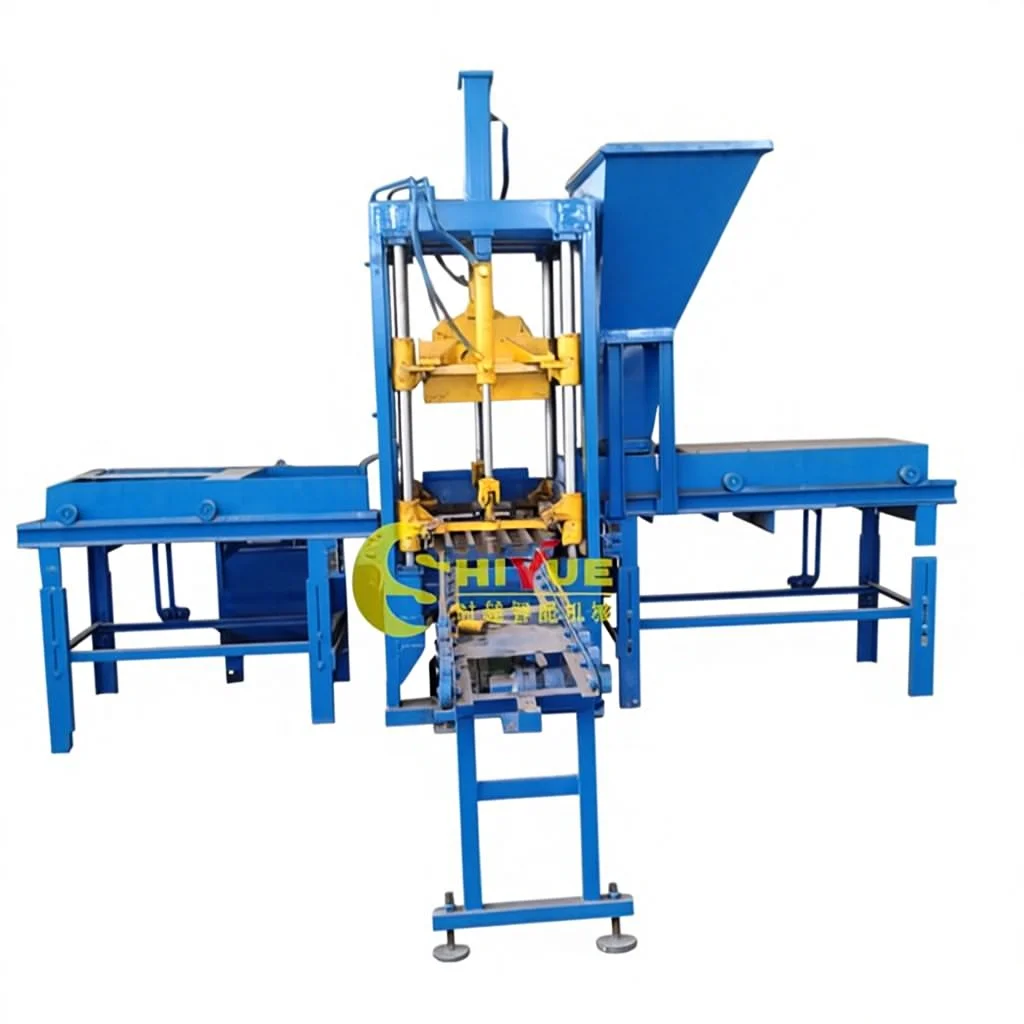


Description
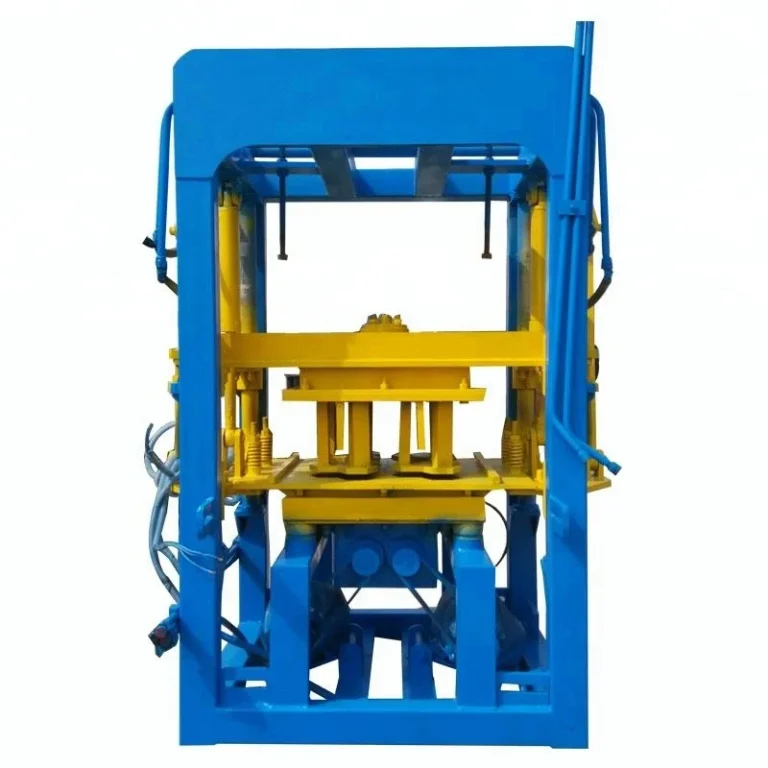
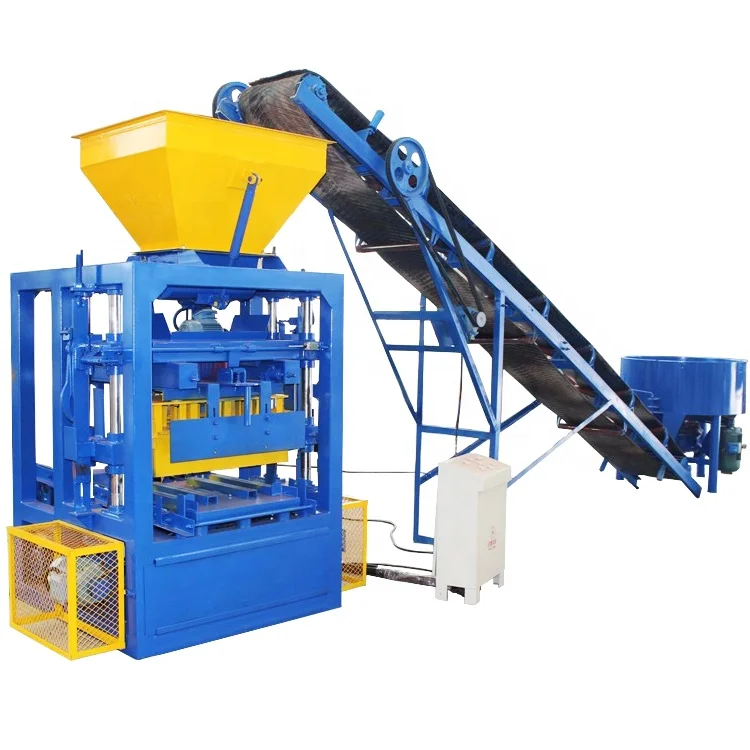
Matched System Supply — Host press, pallet feeder, color feeder and hydraulic station ship together as one tested assembly rather than separate line items sourced from different workshops.
Technical Specifications
| Parameter | Value |
|---|---|
| Model | QTF3-20 |
| Product Type | Stationary Block Making Machine |
| Total Power | 17.5 kW |
| Overall Dimensions | 4000 × 3500 × 2300 mm |
| Net Weight | 2870 kg |
| Drive System | Hydraulic |
| Vibration Form | Platform Vibration |
| Control System | Semi-Automatic |
| Output Capacity | 4320 pcs/day (basis not stated in source — confirm block format / material / thickness) |
| Raw Materials | Cement, Sand, Fly Ash, Coarse Aggregate, Slag |
| Material Feeding | Double Layer (raw material + color surface) |
| Monitoring | No-Contact Proximity Switch |
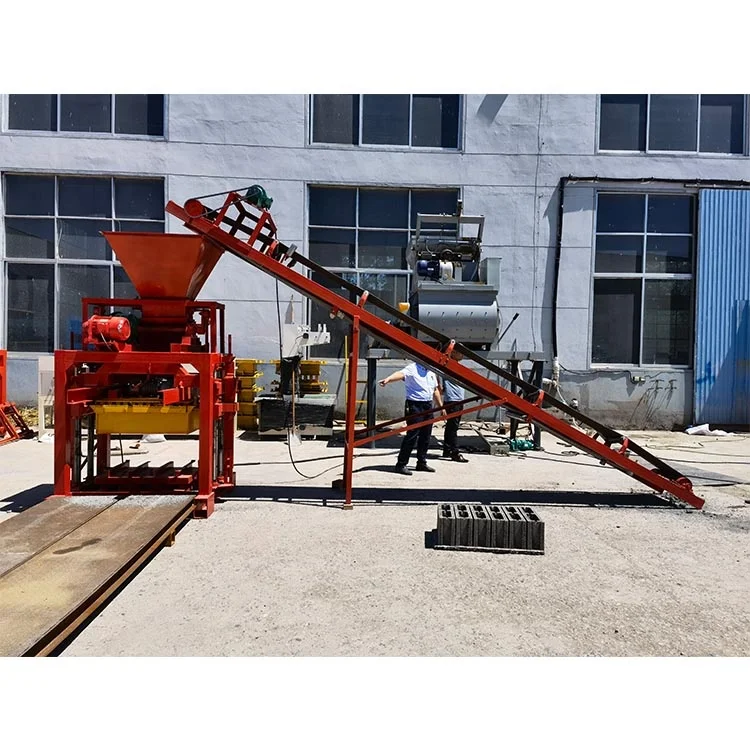
| Mixer Compatibility | JQ350 Mixer with 8 m Conveyor Belt |
| Assembly State | Host Machine, Material Feeding Machine, Color Material Machine, Pallet Feeder, Block Conveyor, Hydraulic Station, Electricity Box |
| Electrical Components | Imported from Germany or Chinese Famous Brand |
| Hydraulic Components | Imported from Germany or Chinese Famous Brand |
Application Suitability
| Application | Material or Output |
|---|---|
| Hollow Block Production | Cement, Sand, Coarse Aggregate |
| Color Paver Brick Production | Cement, Sand with Color Surface Layer via Color Material Machine |
| Interlock Brick Production | Cement, Fly Ash, Slag Blend |
| Porous Brick Production | Cement, Sand, Fly Ash |
| Park Grass Brick Production | Cement, Coarse Aggregate with Open-Void Mould |
| Slope Protection Brick Production | Cement, Slag, Coarse Aggregate |
| Standard Solid Brick Production | Cement, Sand, Fly Ash |
What "Ready to Ship" Actually Means for the QTF3-20 Block Machine in Stock
A stocked QTF3-20 block machine in stock only matters if the electrical package and mould format are confirmed before the container is sealed.
I have watched a container sail with a 380V/50Hz motor to a country running 60Hz mains. The machine sat on a dock for three weeks while a transformer was sourced locally, and the contractor called every single day asking when production would start [NEED_CITE: voltage and frequency standards by export market]. Fast dispatch only works when the voltage, frequency, PLC display language and mould cavity format are locked in writing before the crate leaves the factory floor. That is the real meaning of QTF3-20 block machine in stock — not just a frame sitting in a warehouse, but a configuration verified against the buyer’s grid and product.
Dispatch Lead Time and What Actually Ships
When a buyer sees QTF3-20 block machine in stock, the first question should be which components are included. This unit ships as a line assembly: host machine, material feeding machine, color material machine, pallet feeder, block conveyor, hydraulic station and electricity box. The JQ350 mixer with 8-meter conveyor belt is a compatible companion but must be confirmed as part of the order. Knowing exactly what goes into the container prevents the situation where the press arrives but the pallet feeder is on a separate vessel [NEED_CITE: typical container loading plan for semi-automatic block lines].
Container Loading and Machine Dismantling
The QTF3-20 block machine in stock breaks down into components that fit standard shipping containers. The overall dimensions of 4000 × 3500 × 2300 mm mean the host machine occupies a significant portion of floor space once assembled, so dismantling for shipment is standard practice. The hydraulic station, electricity box and feeding machines are packed separately to balance weight distribution inside the container. Buyers should request packing photographs before dispatch to verify crate condition and component placement.
Platform Vibration, Hydraulic Drive and Double-Layer Feeding Explained
Platform vibration works by transmitting oscillation through the pallet rather than through the mould walls, which suits the 2870 kg net weight class where mould-wall vibration could cause premature fatigue at the bolt joints. The hydraulic drive system delivers pressing force independent of motor speed, meaning the forming pressure stays consistent even if the vibration frequency fluctuates under load. The double-layer feeding arrangement — one hopper for raw material and one for color surface material — allows the QTF3-20 to produce both standard grey blocks and color-faced pavers from the same press without a separate coloring line. No-contact proximity switches monitor pallet position and mould alignment without mechanical wear, which reduces commissioning troubleshooting when the line first powers up on site [NEED_CITE: proximity switch reliability in high-vibration environments].
The Cost of Skipping Electrical Confirmation
A voltage mismatch is not a simple adapter problem. The motor, hydraulic pump and PLC are all wound or programmed for a specific frequency. Running a 50Hz motor on 60Hz mains increases speed and heat generation, shortening bearing life and potentially tripping overload protection within the first hour of operation. The cost of a replacement motor, air freight and idle crew wages far exceeds the time it takes to confirm electrical parameters before dispatch [NEED_CITE: motor failure rates from voltage and frequency mismatch]. This applies to every QTF3-20 block machine in stock regardless of how quickly the physical unit can leave the factory.
Why Source This Unit Through Our Dispatch Process
Block machinery is our single focus, so the QTF3-20 host press, pallet feeder and hydraulic station are specified as one matched system. We confirm voltage, frequency and PLC display language in writing before production or dispatch, not after the machine is already crated. Standard moulds for hollow block, interlock and paver formats are available from stock, while custom moulds follow a separate lead time quoted upfront. Factory test records are generated with the buyer’s target block format, not a generic test block. Packing photographs and customs documentation are provided before the container leaves the yard.
Documentation & Verification
- Factory test record run on your specified block format before dispatch
- Voltage, frequency and control language confirmation sheet signed off pre-shipment
- Packing photographs showing crate condition and component placement before sealing
- Hydraulic and electrical schematic matching the as-built QTF3-20 configuration
- Wear parts and mould compatibility list for first replacement order
- CE declaration where applicable to destination market requirements
Installation, Commissioning & Support
- Foundation pad sized to 4000 × 3500 mm footprint with level tolerance confirmed before machine arrival
- Dedicated 17.5 kW power circuit with voltage and frequency matching the electricity box rating plate
- Dismantled components reassembled on site with hydraulic station and pallet feeder aligned to host machine
- Proximity switch calibration performed during first run to verify pallet and mould position detection
- Operator training covers double-layer feeding changeover between raw material and color surface production
- Hydraulic component and electrical component spare parts list provided for local sourcing or direct reorder
What to Prepare Before Requesting a Quote
Send us the block format you sell most, the daily volume your site requires, your local raw material availability and your mains voltage and frequency. If you already have pallets and a curing area on site, include the pallet dimensions so we can confirm compatibility with the pallet feeder included in the QTF3-20 assembly. Let us know if color paver production is part of your plan so the color material machine is included in the loading schedule.
Frequently Asked Questions
Q: What is the current stock status and dispatch lead time for QTF3-20?
A: Stocked QTF3-20 units are available with dispatch lead time confirmed after voltage, frequency and mould format are verified against the buyer’s site requirements. The physical machine may be ready, but electrical parameter confirmation must be completed before the container is sealed to avoid on-site commissioning delays.
Q: Which standard moulds are available from stock for this machine?
A: Standard moulds for hollow block, interlock brick, solid brick and paver formats are typically available from stock alongside the QTF3-20 unit. Grass brick and slope protection brick moulds may require separate lead time. Confirming your target format before dispatch ensures the correct mould cavity is loaded into the container.
Q: How is the machine dismantled and loaded into the container?
A: The QTF3-20 is dismantled into host machine, hydraulic station, electricity box, feeding machines and conveyor sections for container loading. Packing photographs are provided before dispatch so the buyer can verify component placement and crate condition. Container type is confirmed based on the full line assembly included in the order.
Q: What arrival estimate applies to my destination port?
A: Arrival estimate depends on destination port and shipping route, quoted upfront once the container loading plan is confirmed. Buyers should factor in customs clearance time at the port of entry. We provide customs documentation support to reduce delays during the import process.
Q: Which components ship with the machine and which must be ordered separately?
A: The QTF3-20 assembly includes host machine, material feeding machine, color material machine, pallet feeder, block conveyor, hydraulic station and electricity box. The JQ350 mixer with 8-meter conveyor belt is a compatible companion unit that must be confirmed as part of the order if required for the production line.