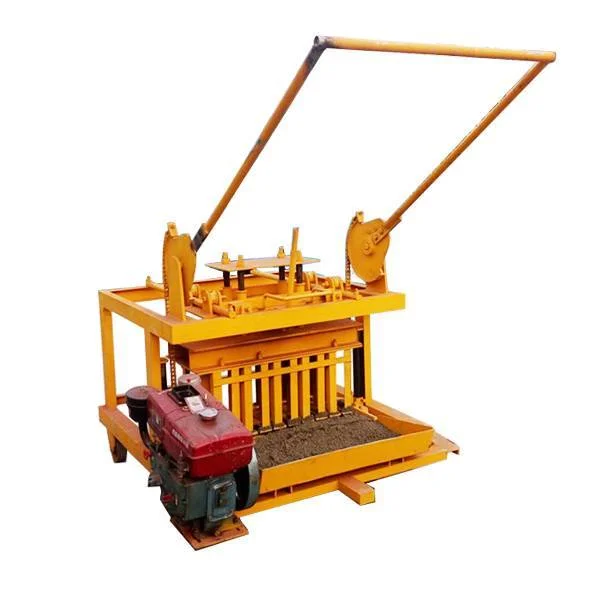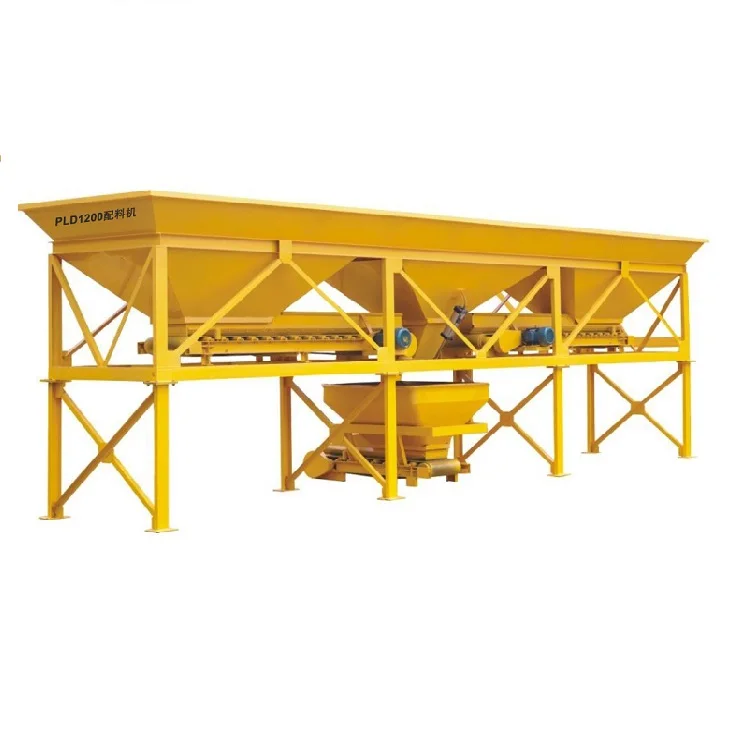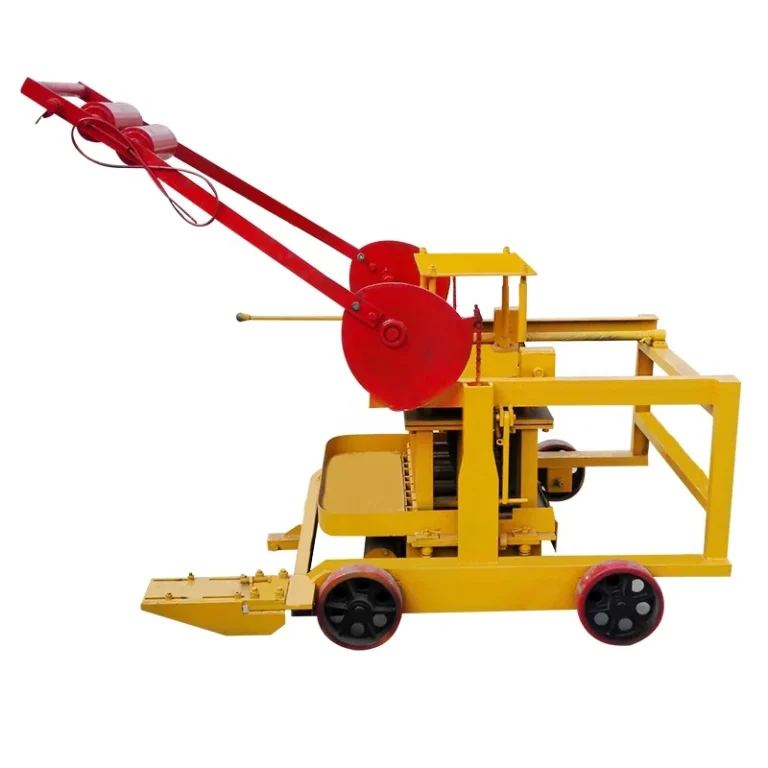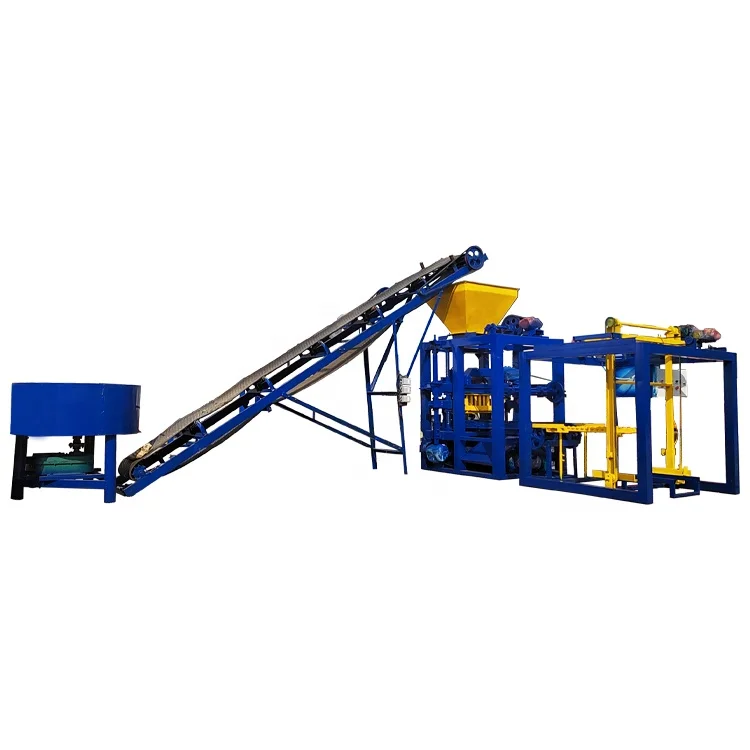


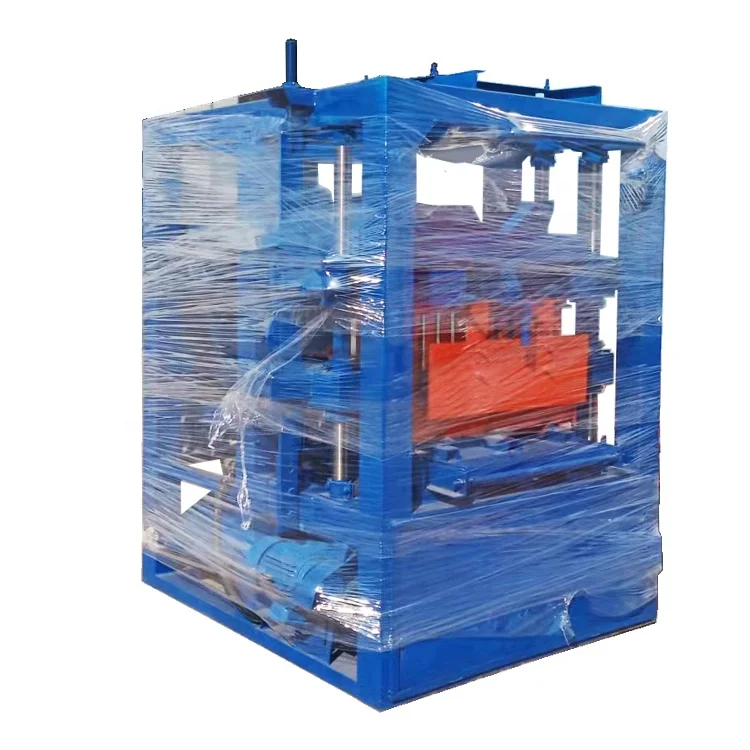

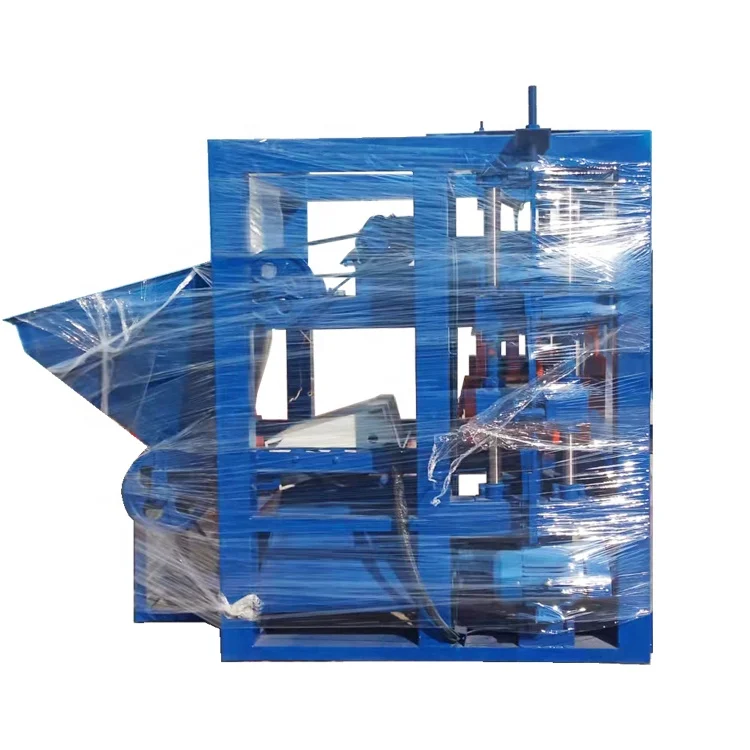
Description
Stock Dispatch Readiness — every QTJ4-24 unit leaves our Linyi yard only after the electrical team signs off on the destination voltage, because a machine sitting on a dock waiting for a step-down transformer is a deadline missed.
Technical Specifications
| Parameter | Value |
|---|---|
| Model | QTJ4-24 |
| Product Type | Concrete Block Making Machine |
| Overall Dimensions (L×W×H) | 2060 × 1700 × 2650 mm |
| Total Mass | 2000 kg |
| Rated Vibration Force | 35.5 kN |
| Main Vibration Form | Platform Vibration |
| Vibration Frequency | 4200 r/min |
| Pallet Size | 900 × 450 mm |
| Molding Cycle | 24 s (basis not stated in source — confirm block format / material / thickness) |
| Overall Power | 11.95 kW |
| Demolding Method | Vibration |
| Factory Area Required | 260 m² |
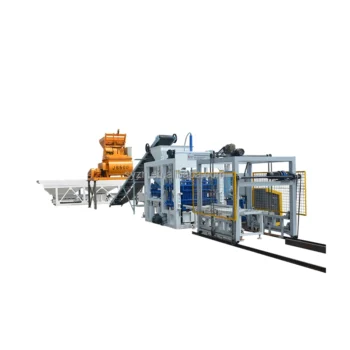
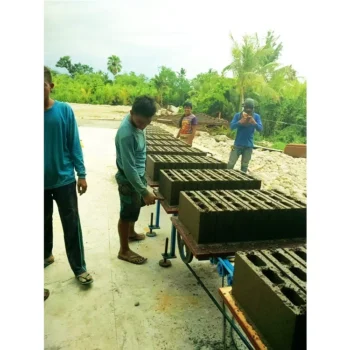
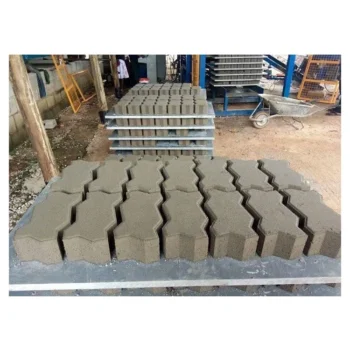
| Applied Products | Hollow blocks, solid blocks, pavers, interlocking blocks, curbstone, colored pavers |
| Raw Materials | Crushed stone, sand, cement, fly ash, gravel, slag, dust |
| Control System | Not stated in source |
| Voltage & Frequency | Not stated in source — confirm before dispatch |
| Automation Level | Not stated in source |
| Hydraulic Pressure | Not stated in source |
Application Suitability
| Application | Material or Output |
|---|---|
| Hollow block production | Crushed stone, sand, cement, fly ash blends |
| Solid block production | Gravel, sand, cement mixes |
| Paving block and colored paver production | Fine aggregate with cement and pigment |
| Interlocking brick production | Sand, cement, slag, dust |
| Curbstone forming | Coarse aggregate with cement binder |
| On-site construction block production | Locally sourced aggregate and cement |
Why the Voltage Question Must Come Before the Dispatch Date
A QTJ4-24 block making machine in stock fast delivery means nothing if the motor will not turn when it arrives.
I once had a shipment of this class reach a Caribbean port only to sit idle because the local grid ran at a frequency and voltage the control panel was never wound for. The buyer lost three weeks waiting for replacement contactors and a rewound transformer to arrive by air freight. [NEED_CITE: voltage and frequency standards by export market] That is why the QTJ4-24 block making machine in stock fast delivery process we follow now mandates a written voltage and frequency confirmation before any unit leaves the yard, even when the machine itself is already built and ready. Rushing a dispatch only to face a cold start abroad costs far more than a two-day electrical verification at origin.
Dispatch Lead Time and What "Ready to Ship" Actually Covers
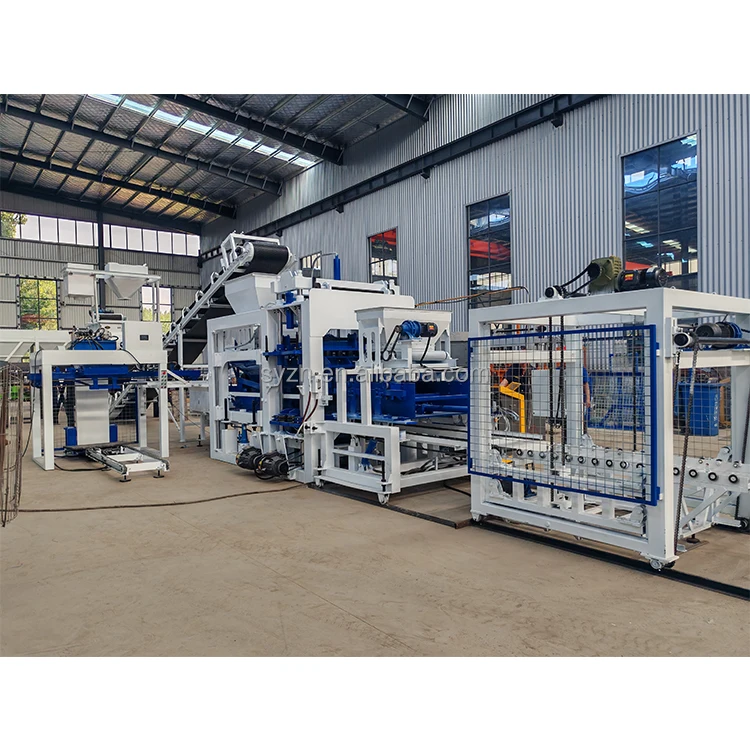
When buyers search for a QTJ4-24 block making machine in stock fast delivery, the phrase needs to cover more than the press itself. A standard unit at this tier includes the host frame, vibration platform, and mould assembly, but pallets, raw material feeders, and curing racks may carry separate availability windows. Before we issue a dispatch date, the packing team photographs the loaded container plan — showing exactly which crates, moulds, and pallet stacks are inside — so the buyer can match the manifest against their purchase order line by line.
Container Loading and Arrival Estimate Clarity
The 2060 × 1700 × 2650 mm footprint and 2000 kg mass place this machine within standard 20-foot container limits when dismantled to shipping position. We provide a written arrival estimate quoted against the destination port before payment, so the buyer can align their construction season or project milestone with a realistic on-site date rather than a best-case scenario. [NEED_CITE: typical ocean freight transit windows by trade lane]
Reading the Specs That Shape Your Production Day
The 35.5 kN rated vibration force delivered at 4200 r/min through a platform vibration system determines how densely the mix is compacted into the mould cavity — this directly influences the block’s compressive strength and surface finish when it leaves the press. Pair that force with a mix design the buyer cannot source locally and the result is either weak output or excessive cement consumption. The 900 × 450 mm pallet size must match the curing racks and forklifts already on the buyer’s floor; ordering a machine without confirming this compatibility means either buying new racks or cutting pallets down. At 11.95 kW overall power, the electrical supply on site needs a dedicated circuit rated above the running draw to handle motor start-up surges without tripping the main breaker.
The Cost of Skipping Pre-Shipment Electrical Verification
When voltage and frequency are left unconfirmed, the damage is rarely limited to a blown fuse. Motors wound for the wrong frequency run at incorrect speeds, which alters vibration force and cycle consistency. [NEED_CITE: effects of frequency mismatch on induction motor performance] Control panels built for one voltage standard can overheat or fail to energize contactors under another, leaving the buyer sourcing components locally at a steep premium and a longer wait than if the correct configuration had shipped from the start.
Why This Is Where Buyers Source a Stocked Machine
Block machinery remains our single product focus, which means the QTJ4-24 is specified, stocked, and dispatched as part of a matched system — mould, pallet, and handling equipment are verified together rather than assembled from unrelated suppliers. Configuration is set against the buyer’s actual mix design and local aggregate, not a catalogue default, so the machine produces acceptable blocks from the first production run. Standard moulds ship from the same stock as the press, eliminating the situation where the machine arrives but the moulds follow weeks later on a separate booking. Installation support includes operator training so the crew on site understands the mould change procedure and daily maintenance checkpoints before the trainer leaves.
Documentation & Verification
- Factory test record run on the buyer’s target block format before dispatch
- Voltage and control language confirmation sheet signed prior to shipment
- Container loading photographs showing crate positions and securing method
- Machine specification sheet with all rated values listed per test conditions
- Hydraulic and electrical schematic matching the shipped configuration
- Packing list with customs documentation support for destination clearance
Installation, Commissioning & Support
- Foundation pad sized to the 2060 × 1700 mm footprint with anchor bolt plan
- Dedicated electrical circuit rated above the 11.95 kW draw with correct voltage confirmed
- Machine reassembled from shipping position with vibration platform alignment checked
- Pallet size 900 × 450 mm verified against buyer’s existing curing racks and forklift
- Operator training covers mould change, daily greasing points, and vibration inspection
- Wear parts list and first replacement schedule provided at handover
Before You Request a Dispatch Date
To give you a meaningful lead time, we need to know your target block format and the raw materials you plan to run, because both affect which mould ships with the machine and whether your mix is compatible with the vibration settings. Share your destination port and local voltage and frequency so we can confirm the electrical configuration before the unit is crated. Let us know your available workshop area and ceiling height against the 260 m² factory footprint and 2650 mm machine height to verify the unit fits your site without modification.
Frequently Asked Questions
Q: Is the QTJ4-24 currently in stock and what is the dispatch lead time?
A: Standard QTJ4-24 units are held in stock at our Linyi yard. Once the buyer confirms target block format, voltage, and frequency, the machine undergoes a pre-dispatch electrical check and factory test. Dispatch typically follows within a short window after payment clearance and confirmation documents are signed.
Q: How is the machine packed for container shipment and what is the loading plan?
A: The machine is dismantled to a shipping position that fits within standard container dimensions. We provide a container loading plan and photographs showing how the frame, vibration platform, mould, and pallets are secured. Buyers receive these images before the container is sealed.
Q: What voltage and frequency configurations are available from stock?
A: Standard configurations cover common industrial voltages, but the exact winding and control panel setup must match the buyer’s destination grid. We confirm the required voltage and frequency in writing before dispatch to avoid commissioning delays. [NEED_CITE: common industrial voltage standards across export markets]
Q: Can standard moulds ship together with the machine or are they separate?
A: Standard hollow block, solid block, and paver moulds are stocked alongside the machine and typically load in the same container. Custom moulds designed to buyer drawings may carry a separate production window, which we quote at inquiry stage.
Q: What arrival estimate can be quoted for my destination port?
A: We provide a written arrival estimate based on the destination port and current sailing schedules before payment is made. This estimate covers sea transit from loading port to destination and is updated if the vessel booking changes.