


Description
Stocked for Dispatch — QTJ4-24 units and standard moulds are held in inventory so your order leaves the factory within days, not after a custom production cycle.
Technical Specifications
| Parameter | Value |
|---|---|
| Model | QTJ4-24 |
| Product Type | Semi-Automatic Hollow Block Making Machine |
| Overall Dimensions | 2060×1730×2580 mm |
| Main Vibration Form | Platform vibration |
| Vibration Frequency | 4200 r/min |
| Exciting Force | 35.5 kN |
| Rated Pressure | 15 MPa |
| Pallet Size | 880×480×38 mm |
| Molding Cycle | 26 s (basis to be confirmed per block format) |
| Total Power | 14.25 kW |
| Voltage | 380V / 3-phase / 50Hz (customizable to local supply) |
| Control System | Electro-mechanical integration with frequency converting control |
| Automation Level | Semi-automatic |
| Mould Compatibility | Exchangeable moulds for hollow, solid, and paving formats |
| Output Capacity | Varies by block format and material (basis not stated in source) |
| Mould Change Time | (basis not stated in source) |
| Certification | (verify CE / ISO status with supplier) |
| Warranty | 1 year (excluding wearing parts) |
Application Suitability
| Application | Material or Output |
|---|---|
| Hollow block production for low-rise masonry walls | Cement, crushed stone, sand, water |
| Solid concrete block for load-bearing structures | Cement, coarse aggregate, fine sand |
| Paving block for walkways and yard surfacing | Cement, fine aggregate, pigment (if coloured surface required) |
| On-site production for housing development contractors | Locally sourced aggregate matched to available quarry material |
| First block plant for entrepreneurs entering the market | Standard concrete mix with locally available sand and gravel |
Why Voltage Confirmation Must Happen Before Dispatch
The QTJ4-24 block machine in stock ships fast, but only if your site power matches the factory wiring.
A semi-automatic press like this one draws 14.25 kW across three phases. If the voltage or frequency at your site differs from what the motor was wound for, the machine simply will not start — or worse, it will run long enough to overheat and damage the winding before anyone notices. I once flew to West Africa on an emergency trip because a 50 Hz motor was sent to a 60 Hz site; the customer lost three weeks of production while I rewired the cabinet on the ground [NEED_CITE: voltage and frequency standards by export market]. That incident changed how I handle every dispatch. Now, voltage and frequency are confirmed in writing and checked off before the machine leaves the factory floor.
What "In Stock" Actually Means for Your Timeline
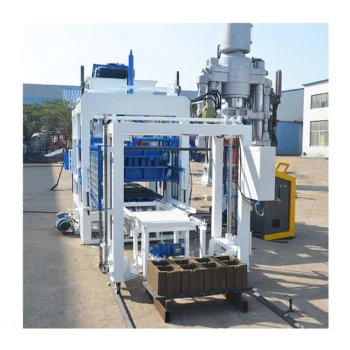
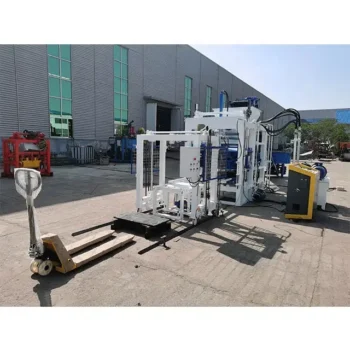
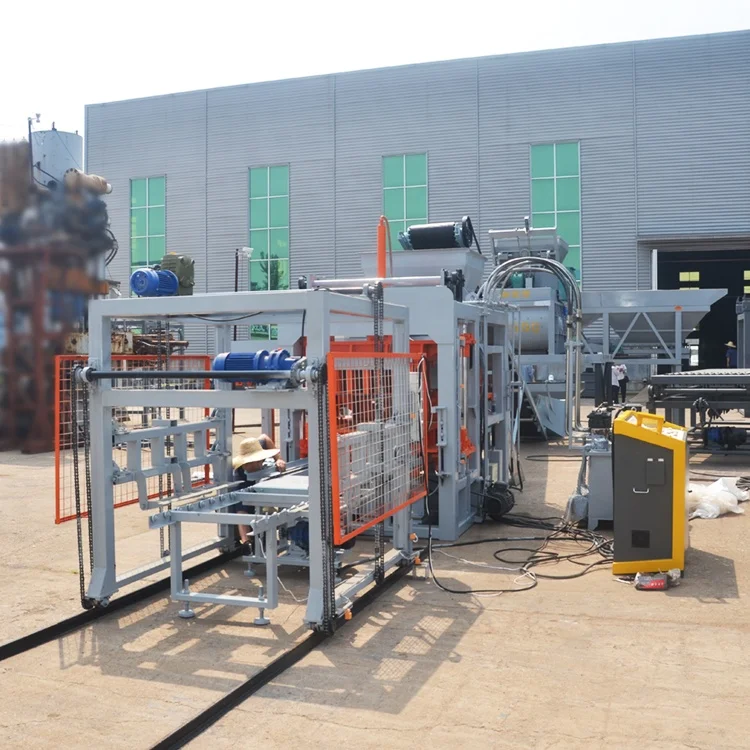
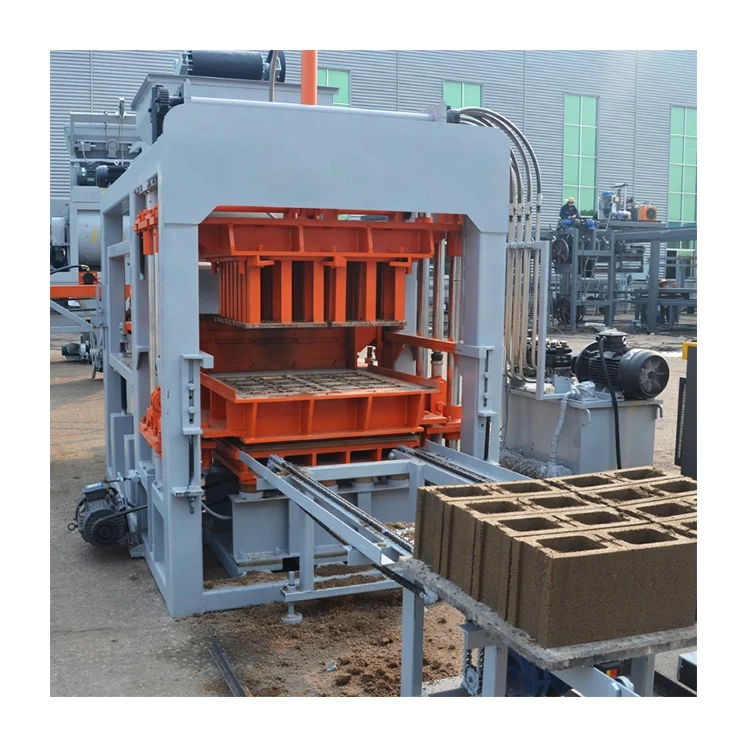
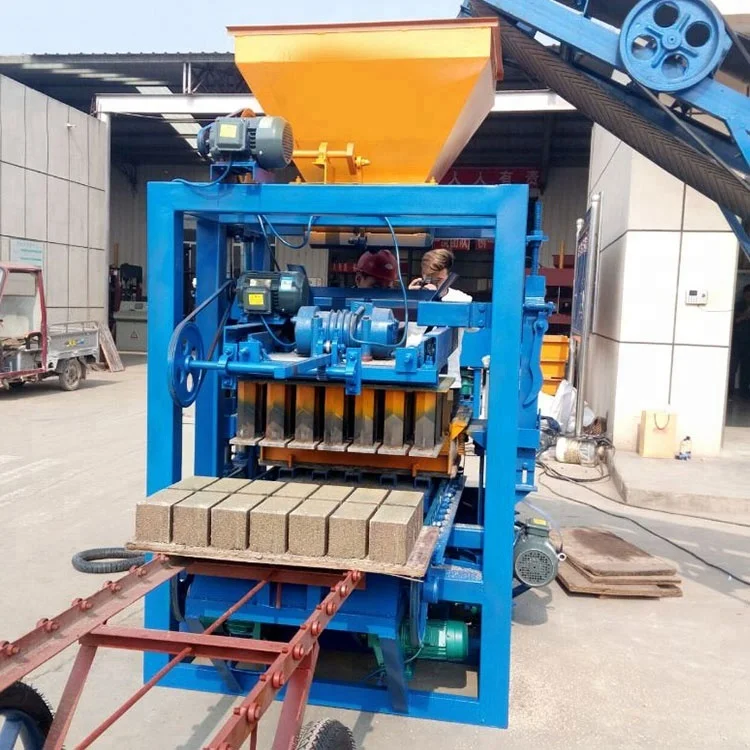
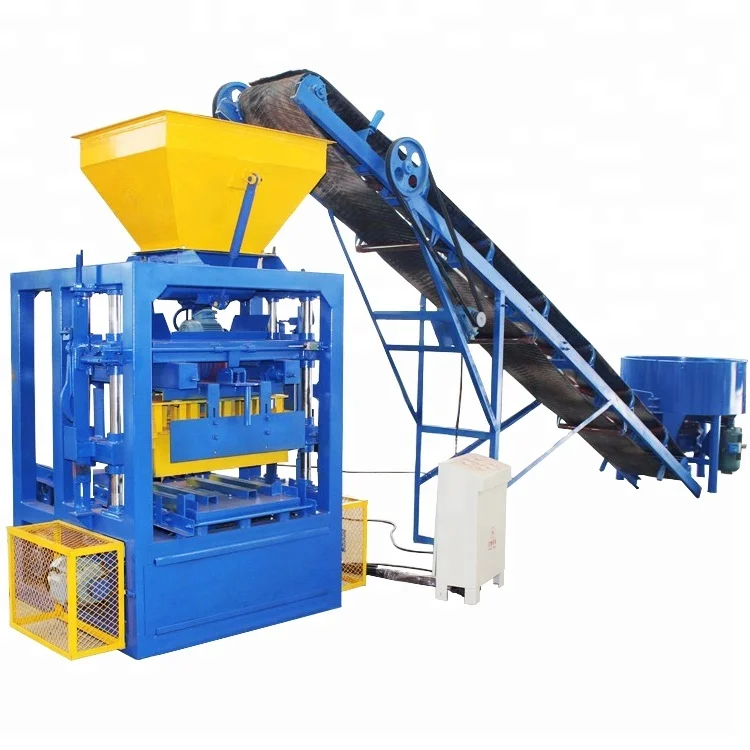
The QTJ4-24 concrete block machine is held in standard configuration, meaning the platform vibration system, the 880×480×38 mm pallet carriage, and the electro-mechanical control cabinet are assembled and tested before your order is placed. Standard hollow and solid block moulds are paired with the machine from inventory. This eliminates the multi-week fabrication wait that custom-ordered presses require. When your project start date is fixed and non-negotiable, having a QTJ4-24 block machine in stock is the difference between producing blocks on day one and watching a construction deadline slip.
Container Loading and Sea Freight Readiness
Once voltage and mould format are confirmed, the machine is dismantled into shipping configuration for container loading. The press frame, vibration platform, and control cabinet are separated and secured to prevent movement during transit. Packing photographs are taken before the container doors close, giving you a visual record of how every component is braced. This matters because port handling can be rough, and knowing your QTJ4-24 block machine in stock was properly secured before departure gives you leverage if anything arrives out of place.
Reading the Specs That Directly Affect Your Daily Output
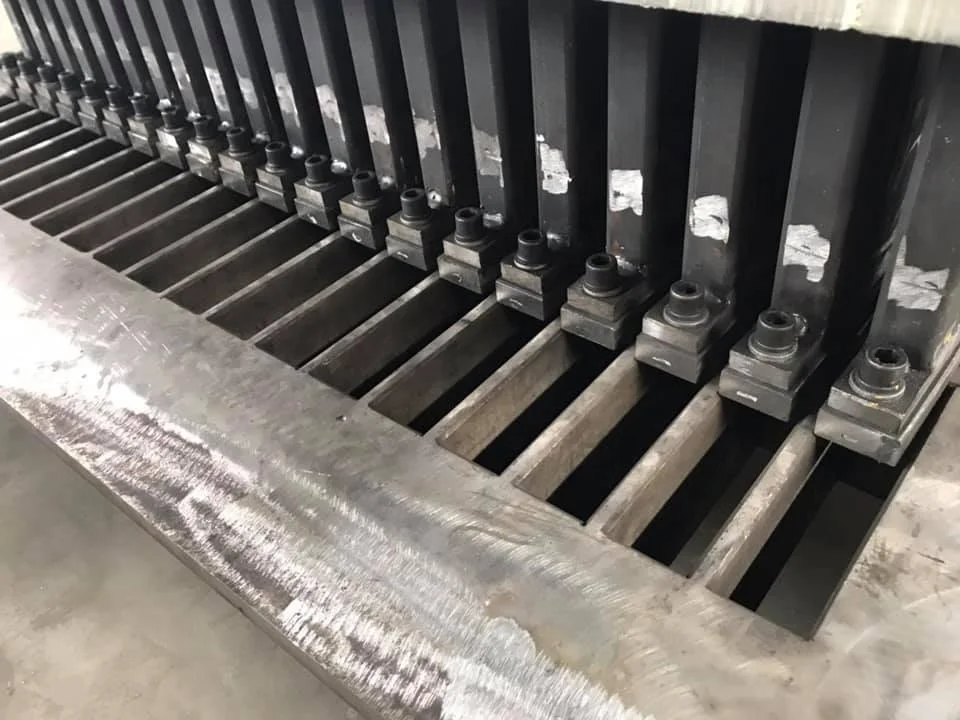
The platform vibration system operates at 4200 r/min with an exciting force of 35.5 kN, working together with the 15 MPa hydraulic rated pressure to compact the concrete mix inside the mould. These two forces must be matched to your specific aggregate — if your local sand is finer or coarser than average, the vibration frequency and pressure together determine whether the demoulded block holds its shape or slumps. The 26-second molding cycle is the machine’s baseline timing, but actual daily throughput depends entirely on which block format you are pressing, how fast operators feed the pallets, and whether your curing area can keep up. The 880×480×38 mm pallet size dictates how many blocks fit per cycle and must match the curing racks and forklifts you already have on site — ordering a pallet size that your existing infrastructure cannot handle creates a bottleneck before the first block is even cured [NEED_CITE: pallet handling standards for concrete block plants].
What Happens When Pallet Size Is Ignored
A pallet dimension mismatch is one of the most common silent problems in block production. If the 880×480×38 mm pallet does not fit your curing racks, operators end up stacking blocks by hand on the floor, which slows curing, increases breakage, and turns a semi-automatic line into a manual operation. Forklift tine spacing must also match the pallet width — otherwise every pallet move requires repositioning, adding time between molding cycles and reducing the realistic daily volume well below what the machine itself is capable of producing [NEED_CITE: block curing rack and forklift compatibility requirements].
Why Buyers Choose This Stocked Configuration
The QTJ4-24 is specified as one matched system: press, pallet, mould, and handling are configured together rather than assembled from separate suppliers. Voltage and control language are confirmed against your site conditions before dispatch, not assumed from a catalogue default. Standard moulds for the formats your market actually buys are paired with the machine from stock, and custom mould drawings can follow once production is running. Installation guidance and operator training are provided so that the first week of production is not spent troubleshooting. Wear parts and replacement mould availability are documented before the machine ships, so the first scheduled changeover does not become an emergency.
Documentation & Verification
- Factory test record on your specified block format and pallet size before dispatch
- Voltage, frequency, and PLC display language written confirmation sheet
- Pallet specification matching your curing rack and forklift dimensions
- Machine specification sheet with all rated values for the shipped configuration
- Packing photographs showing dismantling, bracing, and container loading sequence
- Customs documentation support for destination port clearance
Installation, Commissioning & Support
- Foundation must be level and rated for 2060×1730×2580 mm footprint and dynamic vibration load
- Dedicated 3-phase circuit matching confirmed voltage and frequency, isolated from welding equipment
- Machine arrives dismantled; reassembly covers vibration platform, control cabinet, and pallet feeder
- First production run verifies molding cycle, block dimensions, and demoulding strength against your mix
- Operator training covers mould change procedure, pallet handling rhythm, and daily greasing points
- Wear parts list and replacement mould drawing provided for ongoing production continuity
What to Share When You Request a Dispatch Quote
Send your target block format and the daily volume you need to meet your project timeline. Include your site voltage, phase configuration, and frequency so the motor and control cabinet are wound correctly before the QTJ4-24 block machine in stock leaves the factory. If you already have curing racks, forklifts, or a mixer on site, share their specifications so the pallet size and feeding arrangement are matched to what is already in place — not guessed from a default list.
Frequently Asked Questions
Q: Which QTJ4-24 configurations are currently in stock and ready to ship?
A: The standard QTJ4-24 semi-automatic machine with platform vibration, electro-mechanical control, and 880×480×38 mm pallet carriage is held in stock. Standard hollow and solid block moulds are paired from inventory. If your project requires a specific paving or kerbstone format, confirm early so the correct mould is included in the same dispatch.
Q: What is the dispatch lead time and how is container loading handled?
A: Stocked units typically ship within days of voltage and mould confirmation. The machine is dismantled into shipping configuration, secured inside the container with bracing, and packing photographs are provided before departure. Container loading plans are shared so you can prepare site unloading equipment and crew in advance of arrival.
Q: Can the voltage be customized before shipment without delaying dispatch?
A: Yes, the default 380V/3-phase/50Hz configuration can be adjusted to match your local supply. This must be confirmed before the machine leaves the factory, as rewiring after arrival causes commissioning delays and risks motor damage. Voltage and frequency confirmation is a standard checkpoint in the dispatch process for every QTJ4-24 block machine in stock.
Q: What standard moulds ship with the machine and can additional formats be added?
A: Standard hollow and solid block moulds are included with the stocked machine. Additional formats such as paving blocks or interlocking bricks can be added to the same shipment if available in inventory. Mould drawings are provided so you can verify dimensions against your market requirements before the container is sealed.
Q: How is arrival timing estimated and what documentation comes with the shipment?
A: Port-to-port transit time is quoted based on the destination port at the time of booking. Customs documentation support is included to assist with clearance. The full documentation package covers factory test records, voltage confirmation, packing photographs, and the operation manual in the confirmed display language.