

Description
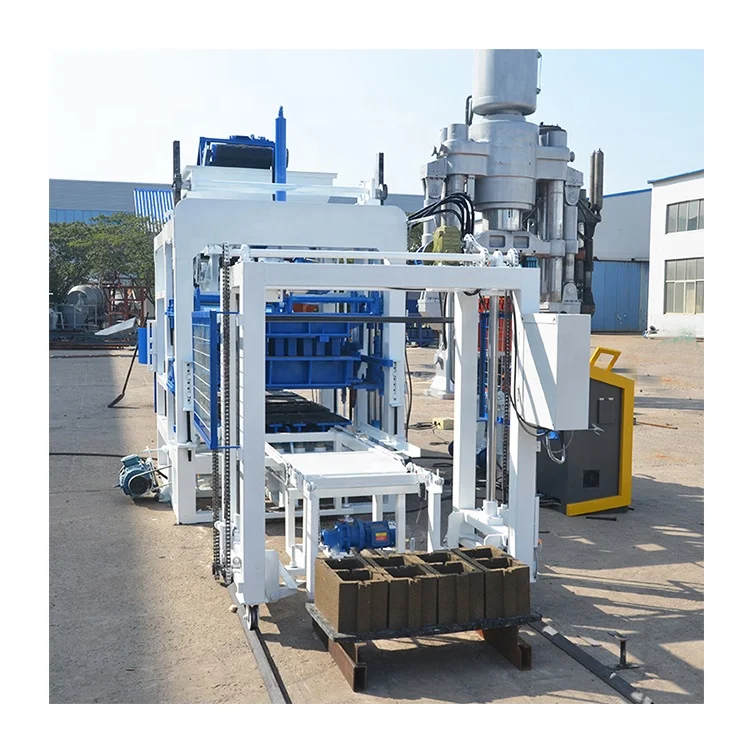
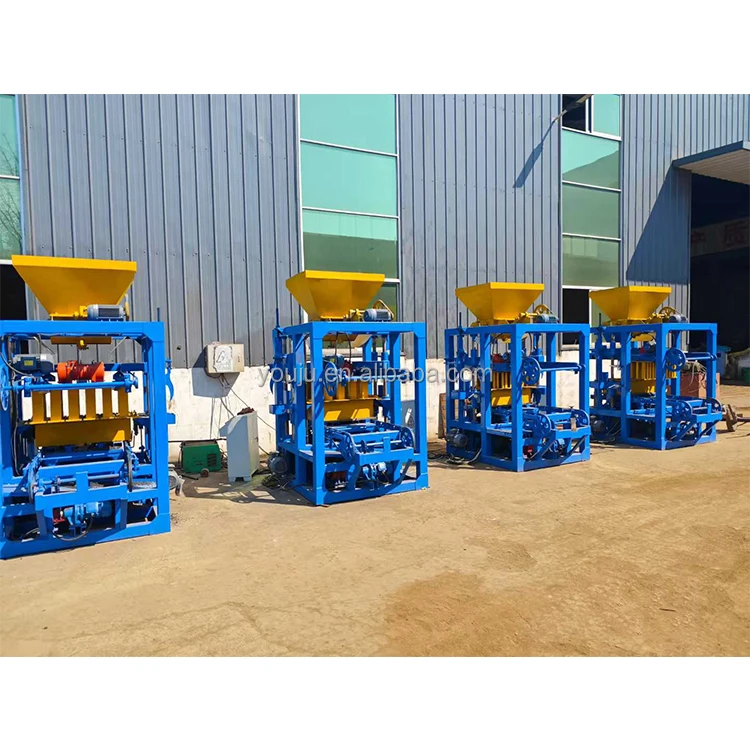
Proven Dispatch Workflow — The QTJ4-24 semi-automatic block machine is staged and inspected against confirmed destination voltage before container loading, so the buyer’s arrival estimate matches reality.
Technical Specifications
| Parameter | Value |
|---|---|
| Model | QTJ4-24 |
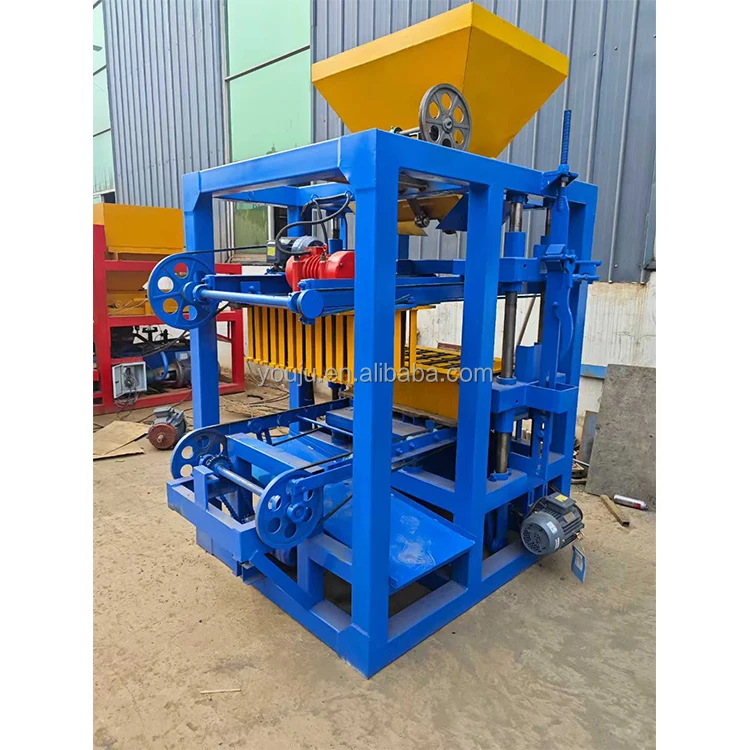
| Product Type | Semi-Automatic Concrete Block Making Machine |
| Machine Type | Stationary, platform vibration |
| Overall Dimensions | 3600mm × 1700mm × 2560mm (working state) |
| Total Mass | 1750 kgs |
| Molding Type | Platform Vibration |
| Pallet Size | 850mm × 450mm |
| Overall Power | 14.25 kW |
| Vibration System | Lower platform (2 × 3kW motors) + Upper (1.5kW attached device) |
| Elevating System | Cone-shape motor with JZQ250 speed reducer |
| Delivery Device | Cycloidal pin wheel speed reducer with chains and V-belt |
| Automation Level | Semi-automatic (mechanical and electronic combined control) |
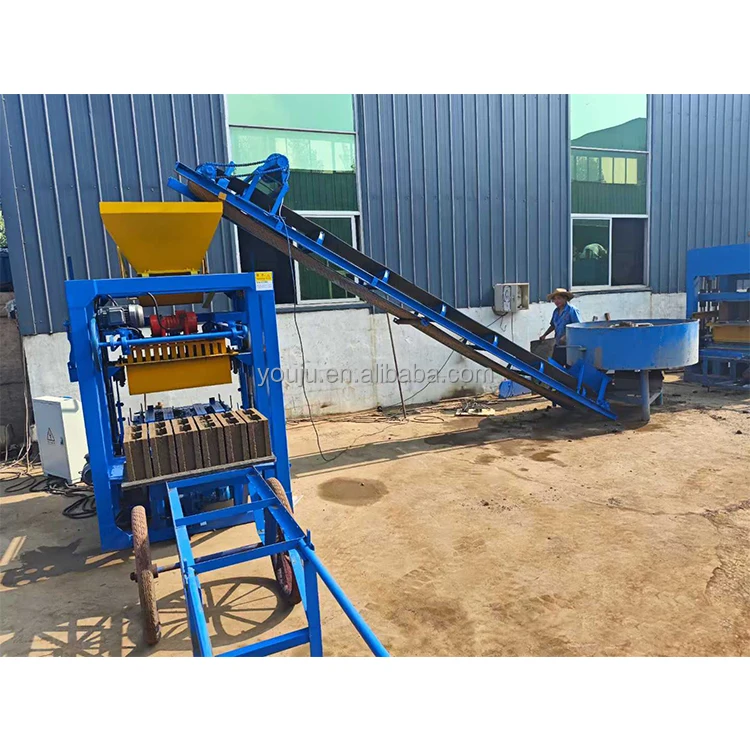
| Basic Supporting Equipment | JQ350 pan mixer, 6m belt conveyor, trolley |
| Optional Equipment | Auto stacker (3-6 layers depending on block height) |
| Voltage & Frequency | (basis to be confirmed with destination country) |
| Cycle Time | (basis to be confirmed with block format and mix) |
| Output Capacity | (basis to be confirmed with block format and mix) |
Application Suitability
| Application | Material or Output |
|---|---|
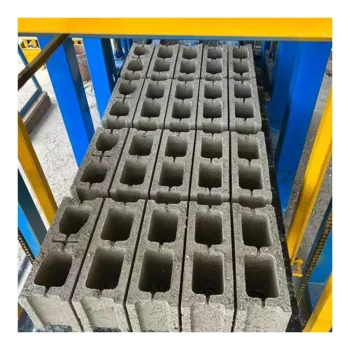
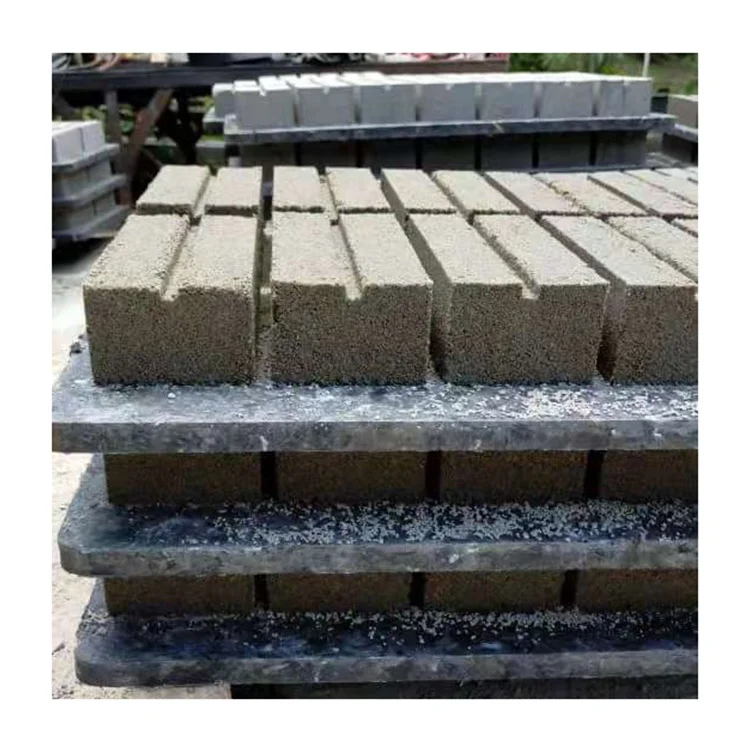
| Small-scale concrete block plants | Hollow blocks and solid bricks from crushed stone, sand, and cement |
| On-site production for contractors | Masonry units from locally sourced aggregate for housing or infrastructure projects |
| Entry-level block manufacturing | Standard concrete bricks using regional sand and gravel blends |
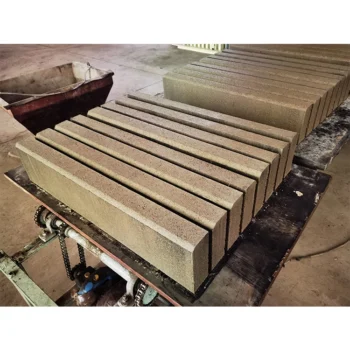
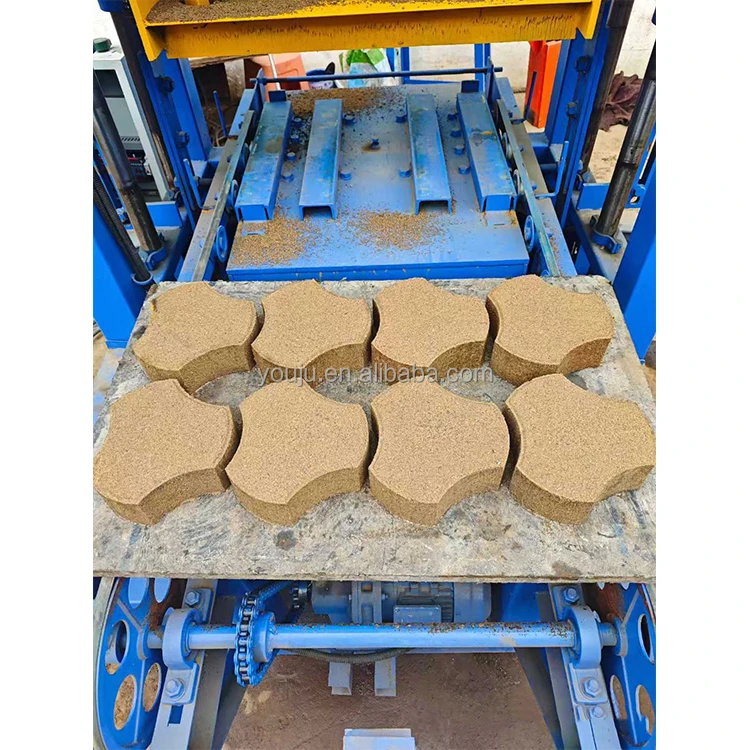
| Supplementary format production | Paving blocks and kerbstones where compatible with the 850mm × 450mm pallet |
Why the Voltage Question Must Precede the Container Booking
Confirming frequency and phase at the inquiry stage prevents a multi-week delay when the QTJ4-24 block machine in stock arrives on site.
I recall a shipment where a contractor in the Middle East needed machines on the ground immediately. The unit was loaded and dispatched within days, but the local grid operated on 60Hz while the motors were wound for 50Hz. The machine sat idle for three weeks while replacement motors were sourced and shipped. That delay cost more than the expedited freight saved. When you search for a QTJ4-24 block machine in stock, the fastest path from factory to production starts with a single question: what is your site’s exact voltage, phase, and frequency? [NEED_CITE: voltage and frequency standards by export market]
Matching Stocked Configurations to Your Project Deadline
The value of availability is only real if the machine configuration fits your site conditions and block format requirements. The QTJ4-24 ships as a basic matched line with a JQ350 pan mixer and 6m belt conveyor, meaning raw material handling and mixing are accounted for without a separate procurement cycle. Buyers working toward a construction milestone need the complete basic package ready for dispatch, not just the press alone. Securing a QTJ4-24 block machine in stock only matters if the supporting equipment ships in the same container.
Container Loading and Dismantling for Transit
The 3600mm × 1700mm × 2560mm working footprint must be broken down for container loading to ensure the unit and its supporting equipment fit within standard shipping dimensions. The machine is dismantled into major assemblies — the main frame, vibration platform, mixer, and conveyor — then secured for ocean freight. A clear loading plan provided before dispatch tells the buyer exactly how the equipment will be arranged inside the container, preventing surprises at the destination port. [NEED_CITE: standard container dimensions and loading constraints for heavy machinery]
Platform Vibration and Mould Format Output
The QTJ4-24 uses a dual-vibration arrangement: two 3kW motors drive the lower platform while a 1.5kW attached device provides upper vibration. This combination compacts the concrete mix from both directions, producing consistent block density across the 850mm × 450mm pallet surface. For a 390mm × 190mm × 190mm hollow block, the mould holds 4 pieces per cycle; for a 240mm × 115mm × 53mm solid brick, it holds 21 pieces per cycle. The actual cycle time and daily output depend on the buyer’s specific mix design, aggregate gradation, and curing conditions — figures that should be calculated per format rather than assumed from a single headline number. Pallet size must also match the buyer’s existing curing racks and forklift capacity to avoid handling bottlenecks after the blocks leave the machine.
The Cost of Skipping Electrical Confirmation Before Dispatch
Sending a block machine overseas without verifying the destination electrical supply creates a problem that no amount of factory testing can catch in advance. The QTJ4-24’s 14.25 kW total power draw includes vibration motors, the elevating cone-shape motor, and the delivery device motor — all of which are wound to a specific voltage and frequency. If the local supply does not match, the motors either run at the wrong speed or fail to start entirely. Replacing motors at the destination adds weeks of downtime and significant procurement cost, erasing any advantage gained from fast dispatch. [NEED_CITE: motor failure rates from voltage and frequency mismatch in exported machinery]
Why Source This Machine Through Our Dispatch Workflow
Every QTJ4-24 block machine in stock is verified against the buyer’s destination electrical standards before container loading, not after arrival. The machine, JQ350 mixer, 6m belt conveyor, and trolley are specified as one matched basic line, eliminating the need to coordinate multiple suppliers for supporting equipment. Mould formats are selected based on the block sizes the buyer’s market actually sells, with pieces-per-mould stated clearly for each option. Packing photographs and customs documentation are prepared before the container is sealed, reducing clearance delays at the destination port. The optional auto stacker can be included at the order stage, giving the buyer a choice between manual trolley handling and semi-automated stacking of 3 to 6 layers without a later retrofit.
Documentation & Verification
- Factory test record showing vibration motor operation at buyer’s confirmed voltage and frequency
- Container loading plan with dismantling layout for the machine, mixer, and conveyor
- Electrical schematic with voltage, phase, and control panel labeling language confirmed
- Mould format list with pieces per mould for each ordered block size
- Packing photographs taken before container sealing for customs and insurance reference
Installation, Commissioning & Support
- Foundation must accommodate 3600mm × 1700mm working footprint with level concrete pad for platform vibration stability
- Dedicated circuit required for 14.25 kW total draw, with breaker sizing confirmed against local electrical code
- Machine arrives dismantled; reassembly of frame, vibration platform, mixer, and conveyor on site before first run
- Initial commissioning includes cycle timing verification with buyer’s actual mix and aggregate
- Operator training covers mould change procedure and daily vibration motor inspection routine
- Wear parts list provided for elevator speed reducer gears and vibration motor bearings
What to Include in Your Inquiry
To provide an accurate dispatch timeline and container loading plan, share your target block format and the pieces per mould you need for your market. Confirm your site’s voltage, phase, and frequency so the motors and control panel are wound and labeled correctly before the QTJ4-24 leaves the factory. Specify whether you need the basic line with manual trolley handling or prefer the optional auto stacker included in the same shipment.
Frequently Asked Questions
Q: Which QTJ4-24 configurations and mould formats are currently in stock?
A: The standard QTJ4-24 semi-automatic machine with JQ350 pan mixer, 6m belt conveyor, and trolley is stocked for near-term dispatch. Common mould formats including 390mm × 190mm × 190mm hollow block and 240mm × 115mm × 53mm solid brick are available. Confirm your required block sizes so the correct moulds ship with the machine.
Q: What is the dispatch lead time and estimated arrival by destination port?
A: Dispatch timing depends on current stock levels and whether electrical confirmation has been completed. Once voltage, frequency, and control language are verified, the machine can be prepared for container loading. Arrival estimates depend on the destination port and shipping route, which are quoted at the inquiry stage.
Q: How is the machine dismantled and loaded into a container for shipment?
A: The QTJ4-24 is broken into major assemblies — main frame, vibration platform, mixer, and conveyor — to fit within standard container dimensions alongside pallets and moulds. A loading plan is shared before dispatch so you know exactly how equipment is arranged and secured for transit.
Q: Are voltage, frequency, and control language confirmed before dispatch?
A: Yes. The destination country’s voltage, phase, and frequency must be confirmed before the motors are finalized and the machine leaves the factory. Control panel labeling language is also agreed at this stage to prevent commissioning delays on site.
Q: What supporting equipment ships together versus needs separate ordering?
A: The basic line includes the QTJ4-24 press, JQ350 pan mixer, 6m belt conveyor, and trolley, all loaded in the same container. The optional auto stacker for 3 to 6 layer stacking can be added at the order stage. Pallets are specified separately based on quantity and material preference.