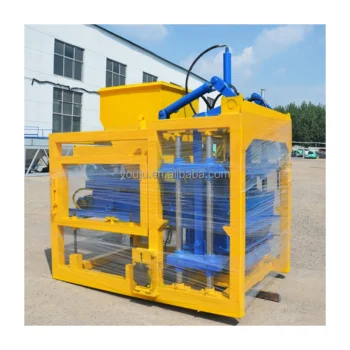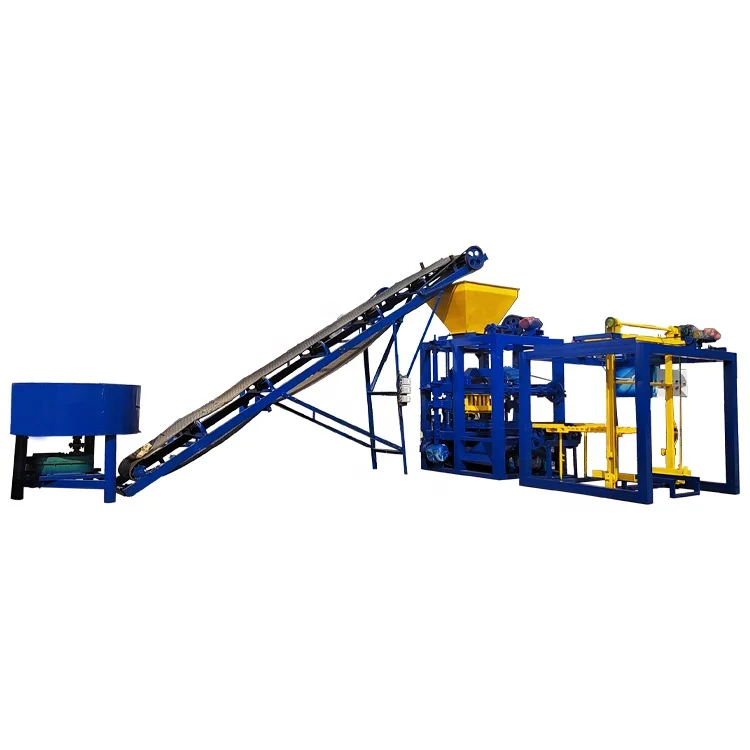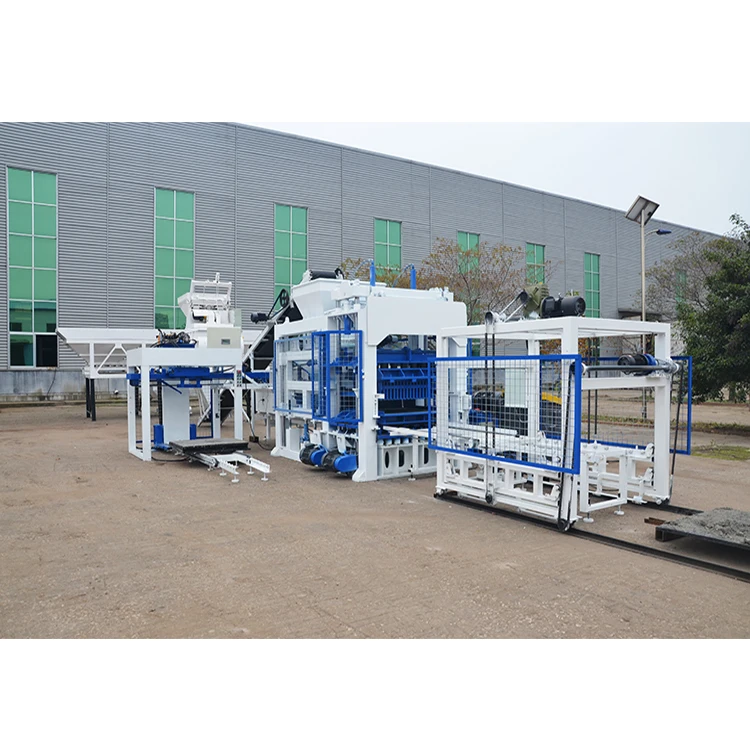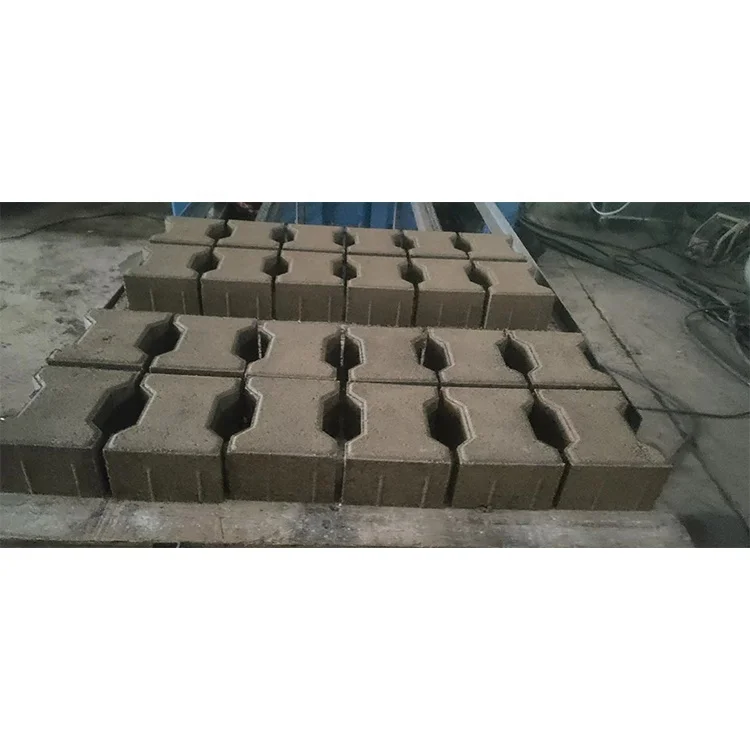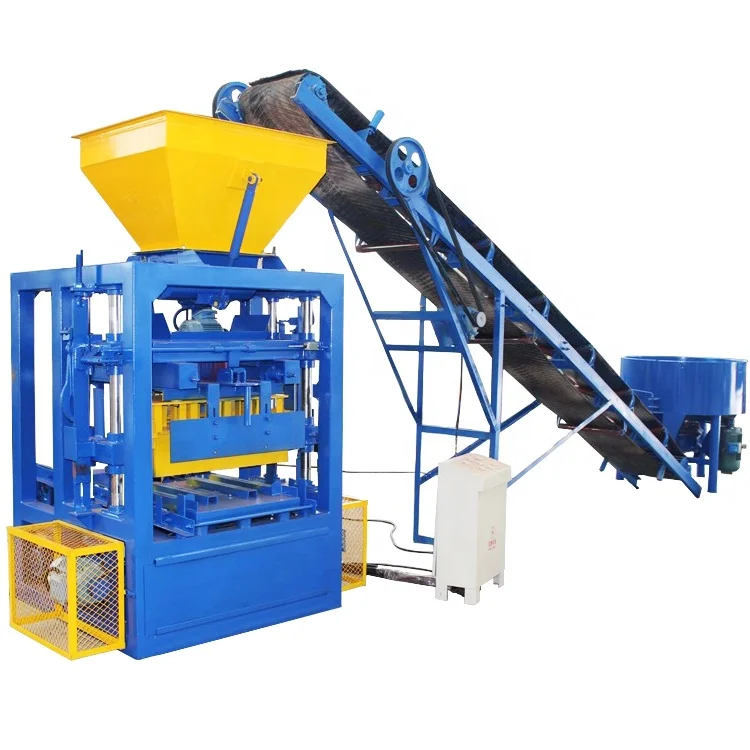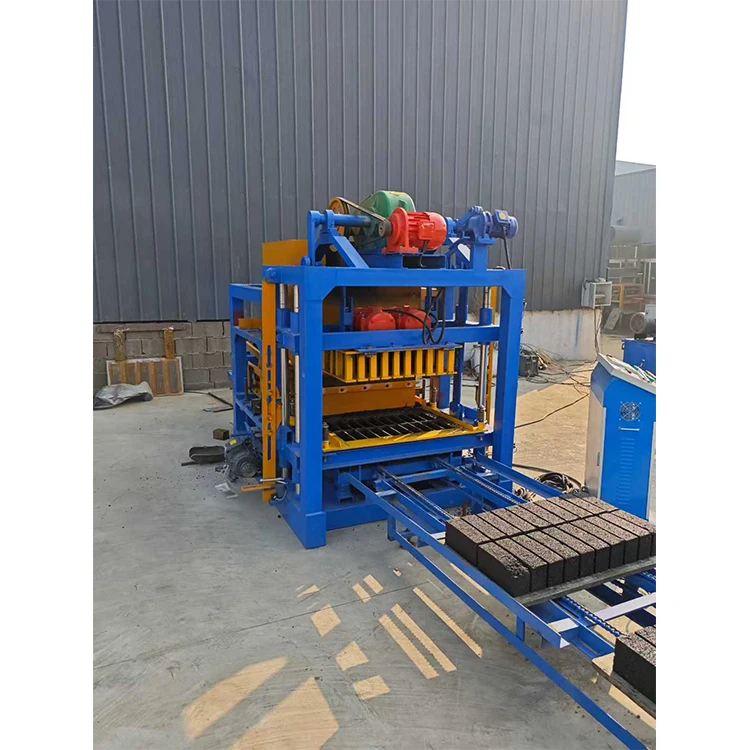
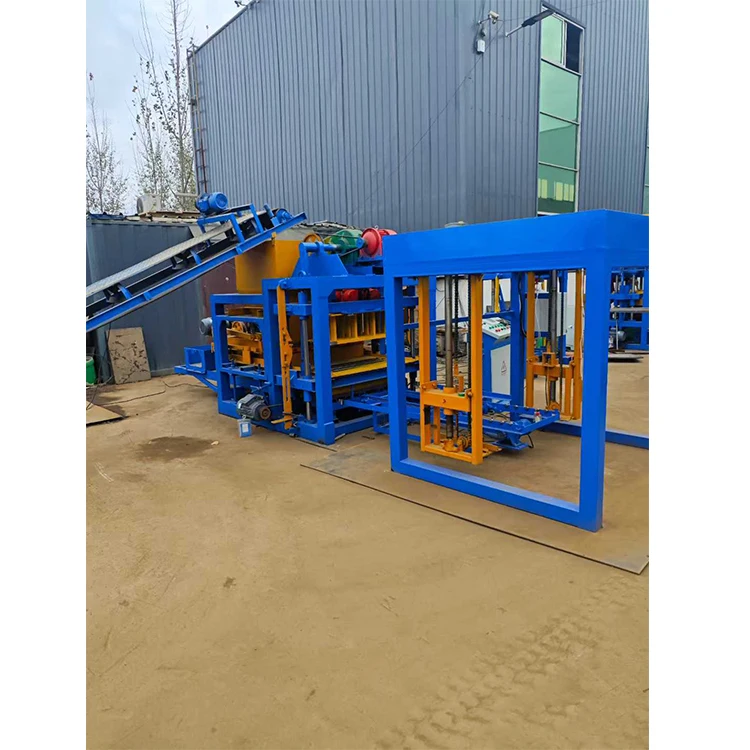
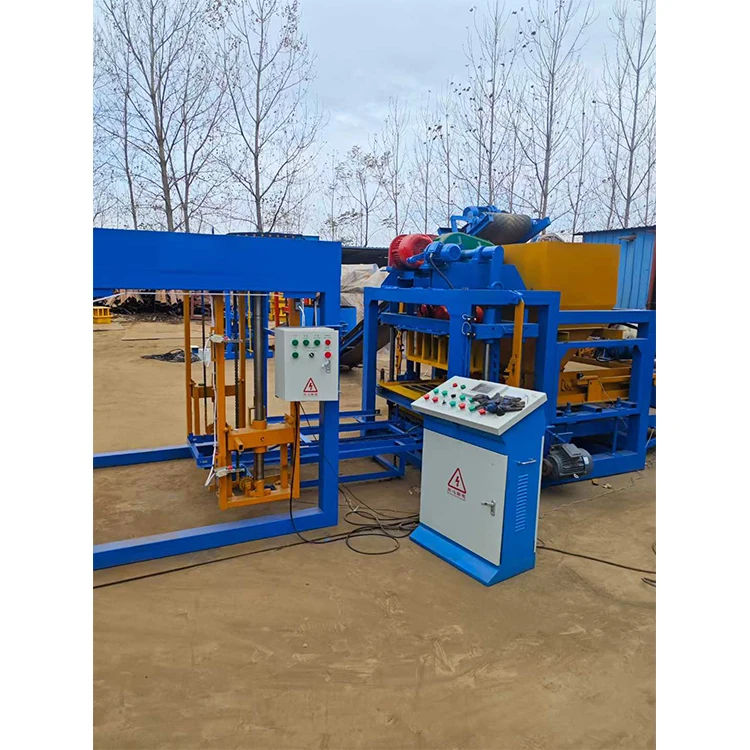


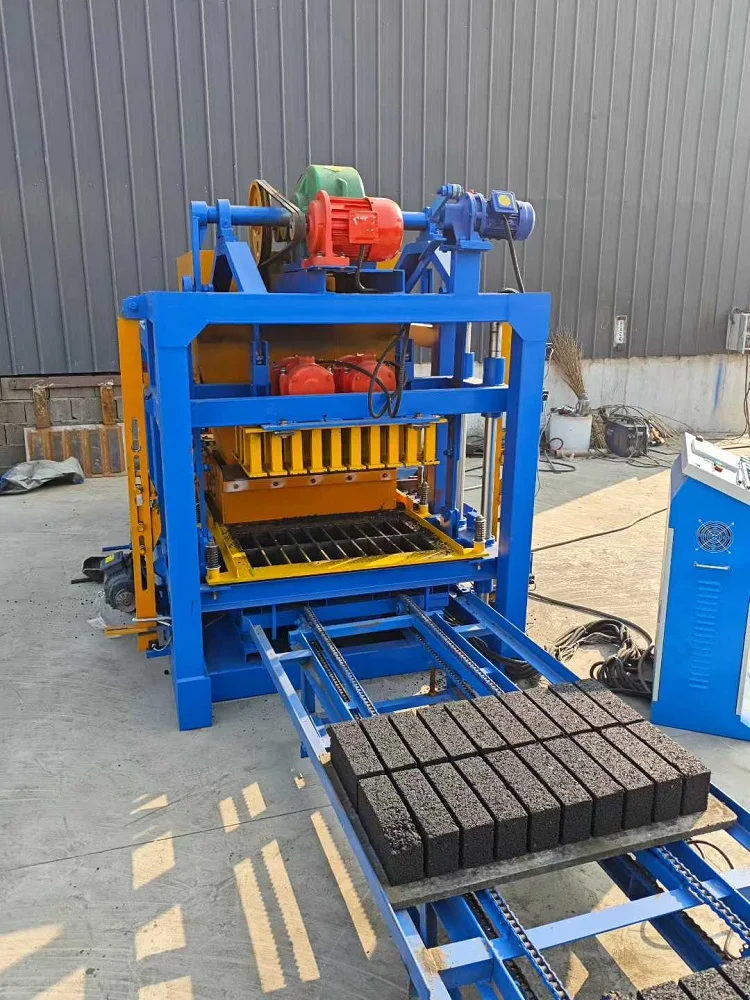
Description
Rapid Dispatch Coordination — we confirm container loading dates and voltage matching before the QTJ4-25 leaves the factory floor, preventing the three-week delays I have watched stall entire job sites.
Technical Specifications
| Parameter | Value |
|---|---|
| Model | QTJ4-25 |
| Product Type | Automatic Concrete Block Making Machine |
| Machine Power | 16.58 kW |
| Molding Cycle | 25 seconds |
| Capacity | 4600 pcs/8hours (basis not stated in source — confirm block format / material / thickness) |
| Machine Weight | 5000 KGS |
| Overall Size | 640015002700 mm |
| Pallet Size | 850*480 mm |
| Control System | PLC controlled fully automatic |
| Automation Level | Fully automatic (pallet feeding, material feeding and scraping, block stacker) |
| Vibration System | Vibration motor with big vibration box |
| Motor | Siemens motor (source value — verify against manufacturer catalog) |
| Frame Material | Thick steel |
| Block Formats | Hollow blocks, solid blocks/bricks, paver stone bricks |
| Raw Material | Concrete, sand, cement, fly ash, crushed stone, lime, water |
| Warranty | One year |
Application Suitability
| Application | Material or Output |
|---|---|
| Housing development on-site production | Hollow blocks from crushed stone, cement, and local sand |
| Medium-scale block plant expansion | Solid bricks using fly ash and cement blends |
| Paver stone production for municipal contracts | Paving stones from fine aggregate and cement mixes |
| Contractor self-supply for building projects | Various formats using locally available raw materials |
What "Available Now" Actually Means for Your Project Timeline
Dispatch readiness covers more than the machine sitting on a factory floor.
When a contractor tells me the block machine must arrive before the rainy season starts, I know the real clock is not the manufacturing lead time — it is the gap between order confirmation and the moment the container clears customs at destination port. An Automatic Block Machine in stock still requires dismantling verification, electrical cabinet voltage confirmation, and PLC language setting before it boards the vessel. I have seen machines physically ready yet delayed at port because the 440V/60Hz requirement was never communicated to the electrical team, leaving the buyer watching their construction crew sit idle while a replacement transformer was sourced locally [NEED_CITE: common causes of industrial equipment commissioning delays].
Container Loading and Dispatch Scheduling
Securing an Automatic Block Machine in stock is the first step, not the last. The QTJ4-25 weighs 5000 KGS and ships dismantled into components that must fit a standard container with pallets and moulds. I check the loading plan against the actual mould count the buyer ordered, because a mismatch discovered at the port means repacking and missing the vessel booking.
Voltage and Frequency Verification Before Crating
My experience shipping to South America taught me a costly lesson: a block machine wired for 380V/50Hz arriving at a 440V/60Hz site will trip the breaker immediately and wait weeks for a frequency converter. Every QTJ4-25 I prepare for dispatch goes through a terminal-by-terminal voltage check with the electrical team, and the PLC display language is set to match the operator’s working language before the control cabinet is sealed [NEED_CITE: voltage and frequency standards by export market].
Arrival Estimate and Customs Documentation
The realistic delivery window depends on shipping route, port congestion, and whether the buyer has arranged customs clearance in advance. I provide the container number and bill of lading copy as soon as the vessel departs, so the buyer can begin pre-clearance paperwork rather than discovering missing documents when the container reaches the terminal.
Pallet Size and Curing Area Alignment
The 850*480 mm pallet size on the QTJ4-25 must match both the curing rack spacing at the destination site and the forklift tine width the buyer already operates. I have watched entire production lines stall because pallets ordered with the machine could not be lifted by the existing forklift, forcing the buyer to source new handling equipment or manually reposition every pallet — defeating the purpose of the automatic stacking system that comes with this line.
Mould Inventory and Format Matching
Standard moulds for hollow blocks, solid bricks, and paver stones ship with the machine when available, but custom formats require separate lead times. I confirm which moulds are physically on the shelf versus which need manufacturing, because a buyer planning to produce interlocking pavers needs that mould ready on day one, not arriving on a second shipment three weeks later [NEED_CITE: mould availability and production scheduling for block plants].
Molding Cycle and Realistic Output Planning
The 25-second molding cycle governs how fast the press completes one format, but actual daily output depends on block height, mix consistency, pallet return speed, and operator rhythm. The quoted 4600 pieces per 8-hour shift assumes a specific block format that must be confirmed against your target product before the machine is configured.
The Cost of Skipping Pre-Shipment Electrical Checks
A machine that arrives with incorrect voltage wiring does not just delay production — it forces the buyer to hire local electricians to rewire the cabinet, voids the motor warranty if the wrong current damaged the windings, and pushes back every downstream construction milestone that depended on block supply. I keep a checklist by the electrical bench and will not sign off on container loading until every terminal matches the destination country’s grid specification.
Why Dispatch Coordination Matters Here
- Block machinery is our single focus, so the QTJ4-25 press, moulds, pallets, and stacking equipment are specified as one matched system before crating.
- Voltage, frequency, and PLC display language are confirmed against your site’s electrical specification before the machine leaves, not discovered at commissioning.
- Stocked machines and standard moulds allow faster dispatch, but we still run a factory test with your target block format before sealing the container.
- Packing photographs and dismantling records are provided so you can verify the machine condition before it sails and match components during reassembly.
Documentation & Verification
- Factory test record showing QTJ4-25 cycle timing on your specified block format
- Electrical schematic with confirmed voltage and frequency for your grid
- Pallet specification sheet matching your curing rack and forklift dimensions
- Packing photographs documenting machine condition before container sealing
- Mould drawing and format list for every mould included in the shipment
Installation, Commissioning & Support
- Foundation must support 5000 KGS machine weight plus dynamic vibration loads across the 640015002700 mm footprint
- Dedicated power circuit rated for 16.58 kW continuous draw at your confirmed voltage and frequency
- Dismantled components reassembled on-site with alignment check on vibration box and pallet track
- PLC control parameters set for your raw material mix and target block format during first production run
- Operator training covers mould change procedure, pallet feeding rhythm, and stacker synchronization
- Wear parts list provided with recommended local sourcing specifications for vibration motor components
What to Include in Your Inquiry
Tell me the block format you need to produce, the daily volume your project requires, and the voltage and frequency at your site. If you have existing pallets or curing racks, share the dimensions so I can confirm compatibility before quotation.
Frequently Asked Questions
Q: What is the dispatch lead time for QTJ4-25 from order confirmation to port loading?
A: Machines listed as in stock can typically be prepared for container loading within a short window, but the exact timeline depends on mould availability, electrical configuration work, and factory testing with your specified block format. I provide a confirmed loading date after we verify your voltage requirements and complete the pre-shipment test run.
Q: How is the machine dismantled and packed for container shipment?
A: The QTJ4-25 is partially dismantled to fit standard container dimensions, with the main frame, vibration system, and stacking equipment secured separately. I provide packing photographs showing component condition and placement before the container is sealed, so you know exactly what arrives and can plan reassembly sequence.
Q: Can voltage and PLC display language be confirmed before the machine leaves the factory?
A: Yes, this is standard procedure on every machine I prepare. I work with the electrical team to match your site’s voltage and frequency specification, and the PLC display is set to your preferred language before the control cabinet is closed. Skipping this step has cost buyers weeks of downtime in my experience.
Q: Which standard moulds are in stock and ready to ship with the machine?
A: Standard moulds for hollow blocks, solid bricks, and paver stones may be available from inventory, but I confirm physical stock at the time of your order. Custom formats or additional mould sizes require separate manufacturing lead time, which I quote alongside the machine dispatch schedule.