

Description
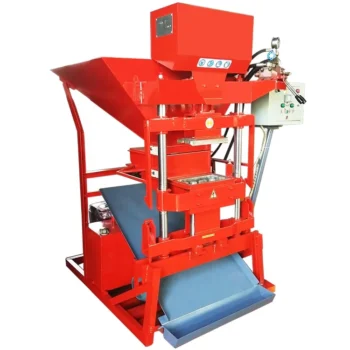
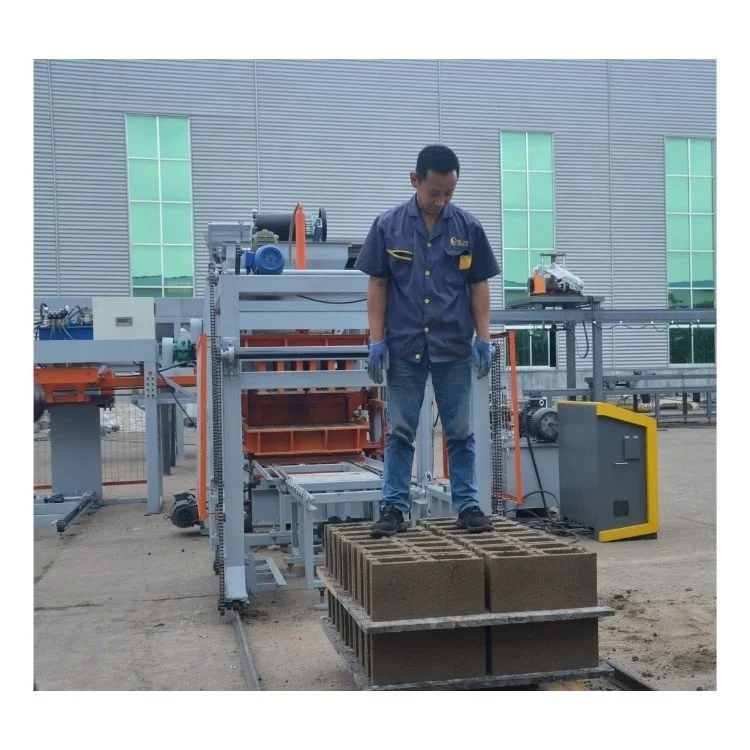
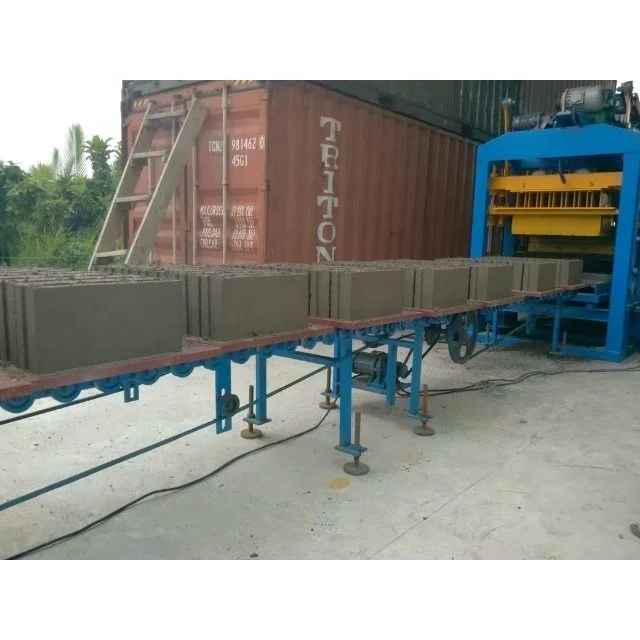
Ready When Your Project Is — QTJ4-25 concrete block machine kept in stock configuration for immediate dispatch planning, so buyers facing tight construction deadlines avoid multi-week production waits.
Technical Specifications
| Parameter | Value |
|---|---|
| Model | QTJ4-25 |
| Product Type | Automatic Concrete Block Making Machine |
| Overall Dimensions (L×W×H) | 3060×1730×2580 mm |
| Rated Pressure | 16–21 MPa |
| Main Vibration Form | Platform Vibration |
| Vibration Frequency | 4200 r/min |
| Vibration Force | 45.5 kN |
| Pallet Size | 850×550 mm |
| Molding Cycle | 25–30 s (basis to be confirmed by block format and mix) |
| Overall Power | 14.9 kW |
| Total Mass | 4 T |
| Demolding Method | Vibration |
| Factory Area Required | 200 m² |
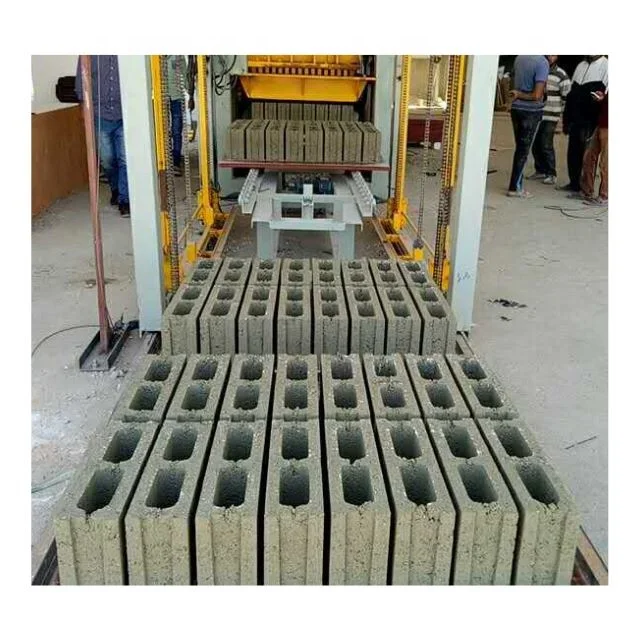
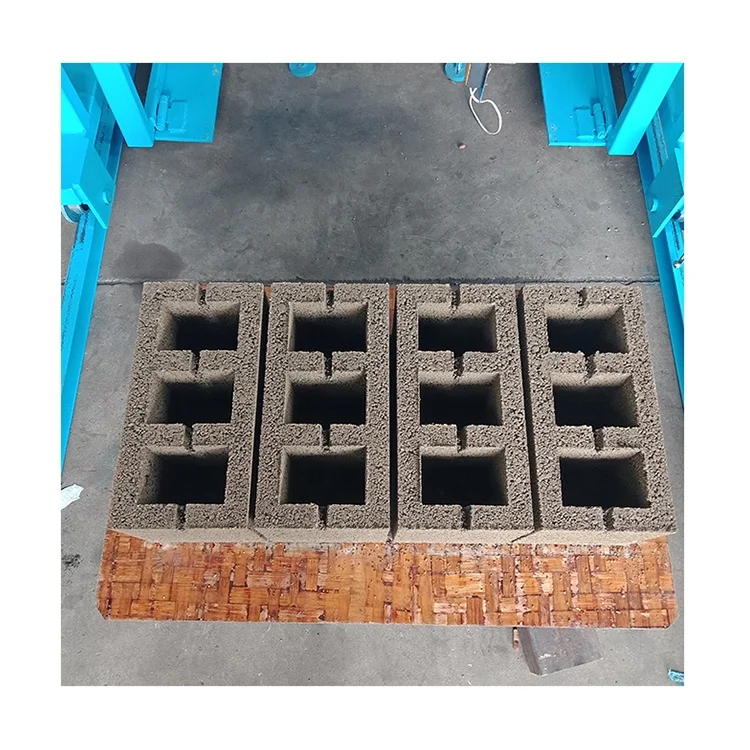
| Applied Products | Hollow blocks, solid blocks, pavers, interlocking blocks, curbstone, colored pavers |
| Raw Materials | Crushed stone, sand, cement, dust, fly ash, gravel, slag |
| Assembly State | Complete machine |
| Container Loading | 1×40HQ (basic equipment) |
| Warranty | 1 year (excluding spare parts) |
Application Suitability
| Application | Material or Output |
|---|---|
| Medium-scale hollow block production | Crushed stone and cement with fly ash blend |
| Solid concrete block for load-bearing walls | Sand, gravel, and cement at standard ratios |
| Interlocking paver manufacturing | Colored concrete mix with fine aggregate |
| On-site block production for building contractors | Local aggregate and cement available at project location |
| First-time plant setup for building material entrepreneurs | Standard raw materials sourced regionally |
Why Voltage Confirmation Must Happen Before Dispatch
A block machine that arrives with the wrong voltage specification sits idle until an electrician rewires the entire control panel — and the project deadline does not wait.
I have stood on a site in Nairobi where a newly arrived block machine could not power on because the PLC and motor were configured for 380V/50Hz while the local grid supplied 415V/50Hz. The buyer lost two weeks of production and nearly forfeited a contract. The QTJ4-25 block machine in stock is only meaningful if the electrical configuration matches the destination grid. [NEED_CITE: voltage and frequency standards by export market] Voltage, frequency, and PLC display language must be locked in writing before the machine leaves the factory floor. This is not a paperwork formality — it is the difference between commissioning on day one and spending the first week sourcing step-down transformers.
Stock Availability and the Dispatch Timeline
Buyers working to a construction deadline cannot absorb typical multi-week lead times that come with built-to-order machines. The QTJ4-25 block machine in stock status means the core press, platform vibration assembly, and standard moulds are assembled and held in a dispatchable state. Once the buyer confirms the electrical specification and pallet material preference, the machine moves into final inspection and packing rather than entering a production queue. This matters most for contractors who have already signed supply agreements with fixed penalty clauses for late delivery.
Container Loading and What Arrives on Site
Shipping a 4-ton machine across oceans requires deliberate dismantling so the QTJ4-25 fits within a single 40HQ container alongside its basic pallets and mould. The main press frame, hydraulic unit, and control cabinet are separated and secured with timber bracing. [NEED_CITE: container loading standards for heavy industrial machinery] Packing photographs are taken at each stage so the buyer can verify condition before the container is sealed. On arrival, the reassembly sequence is documented so local technicians can begin work immediately without waiting for an overseas engineer to land.
Reading the Numbers That Actually Matter
The rated pressure range of 16–21 MPa combined with 45.5 kN of vibration force at 4200 r/min determines the density of the block the QTJ4-25 can produce. Higher vibration frequency compacts fine aggregate more effectively, which matters when the local sand contains a noticeable clay fraction — a common condition across East African and South Asian quarry sources. The 850×550 mm pallet size defines how many blocks are formed per cycle, but it also must match the curing rack dimensions and forklift tine spacing the buyer already owns. A pallet size mismatch means buying an entirely new fleet of curing racks or cutting down every pallet by hand. The 200 m² factory area requirement is compact enough for a contractor setting up production adjacent to a building site, yet it must still accommodate raw material stockpiles, a mixer station, and curing space beyond the press footprint itself.
The Cost of Skipping Pre-Shipment Verification
When a buyer rushes to dispatch without confirming the local aggregate characteristics, the machine arrives configured for a mix design that does not exist at the site. The vibration force and pressure settings optimized for clean crushed stone produce weak, crumbling blocks when the available sand carries high silt content. [NEED_CITE: effect of aggregate clay content on concrete block compressive strength] I have watched a client in Kampala spend the first three days adjusting mould clearance and vibration duration just to get blocks that survived the pallet transfer without cracking. A one-week trial with the buyer’s actual material sample before shipment prevents this entirely, yet buyers under deadline pressure often skip it — and pay for it in wasted cement and rejected batches after arrival.
Why Buyers Source This Machine Through Us
Block machinery is our single product focus, meaning the QTJ4-25 is specified alongside its pallets, moulds, and handling equipment as one matched system rather than assembled from separate suppliers. Configuration is set against the buyer’s actual mix design and target block format, not a catalogue default. Mould design covers the formats the buyer’s local market actually sells, with custom drawings available when standard formats do not match. [NEED_CITE: CE machinery directive requirements for concrete block equipment] Automation level is selectable so a buyer can start with manual pallet handling and add automatic stacking later. Dispatch lead time and arrival estimates are quoted at the order stage, not discovered after payment.
Documentation & Verification
- Line layout drawing showing QTJ4-25 placement within 200 m² factory area with curing zone marked
- Machine specification sheet confirming voltage, frequency, and PLC language for destination market
- Factory test record run on the buyer’s specified block format before container loading
- Mould drawing and format list for every block type included in the order
- Packing photographs documenting dismantling and securing inside the 40HQ container
- Customs documentation package supporting import clearance at destination port
Installation, Commissioning & Support
- 200 m² minimum floor space with level concrete slab required before QTJ4-25 placement
- Dedicated power circuit matching confirmed voltage and frequency for the 14.9 kW total load
- Machine reassembled from 40HQ container sections using documented bolt-torque sequence
- Vibration frequency and pressure calibrated to buyer’s local aggregate during first production run
- Operator training covers mould change procedure and pallet alignment on the 850×550 mm platform
- Wear parts list provided for hydraulic seals and vibration components with reorder references
Preparing Your Inquiry
To move from stock enquiry to confirmed dispatch, share the block formats your market demands along with your daily output target per format. Provide a sample or analysis of your local aggregate — particularly the silt and clay fraction — so vibration and pressure settings can be matched before shipment. Confirm your site voltage, frequency, and the language your operators need on the PLC display.
Frequently Asked Questions
Q: Is the QTJ4-25 currently in stock or built to order, and what is the dispatch lead time?
A: The QTJ4-25 is held in stock configuration for the core press and standard moulds. Once electrical specifications and pallet preferences are confirmed, the machine enters final inspection and packing. Dispatch lead time depends on current stock level and destination port, and is quoted at order stage so the buyer can plan site readiness accordingly.
Q: What voltage and frequency options are available, and how is this confirmed before shipment?
A: The machine can be configured for common industrial voltage and frequency combinations used across African and South Asian grids. The buyer provides the exact supply specification from their local utility or site electrician. This value is written into the production order and verified during the factory test before the control cabinet is sealed for packing.
Q: How is the machine dismantled for container loading, and what arrives on site?
A: The press frame, hydraulic unit, and control cabinet are separated to fit within a single 40HQ container. Basic pallets and the ordered moulds are packed alongside. Timber bracing secures each section, and packing photographs are shared with the buyer before the container is sealed. Reassembly documentation is included in the shipment.
Q: What documentation ships with the machine for customs clearance?
A: The shipment includes a commercial invoice, packing list, bill of lading, and certificate of origin as required by the destination country. The machine specification sheet and factory test record travel with the documents. Additional certifications are provided if the buyer’s import regulations require them, confirmed during the order stage.
Q: What is the typical sea freight arrival estimate to major destination ports?
A: Sea freight transit time depends on the origin port and destination, along with current shipping lane conditions. An arrival estimate is quoted at order stage based on the sailing schedule available at that time. Buyers are advised to confirm the estimate closer to dispatch date as vessel schedules can shift due to port congestion or carrier changes.