Description
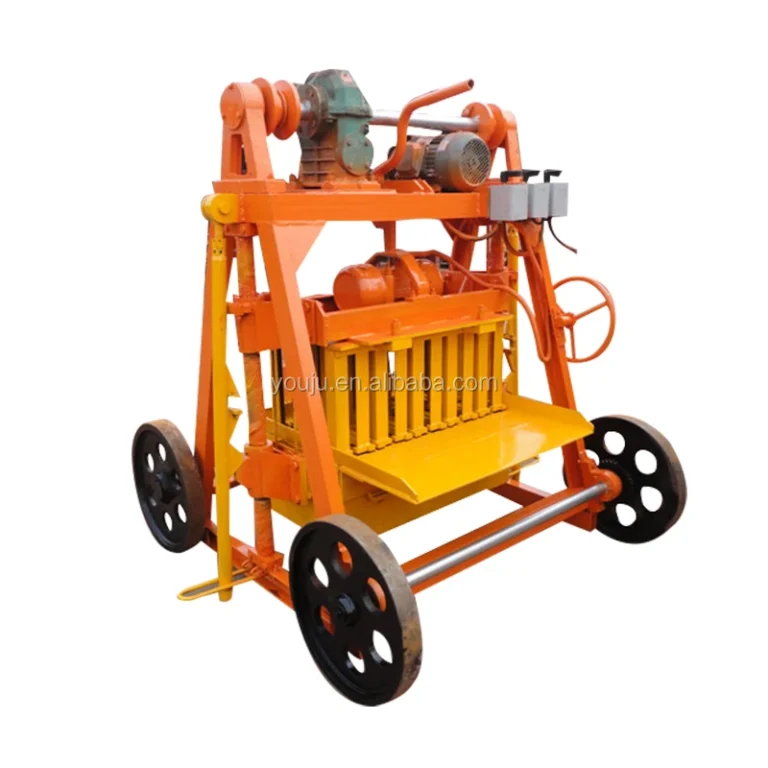
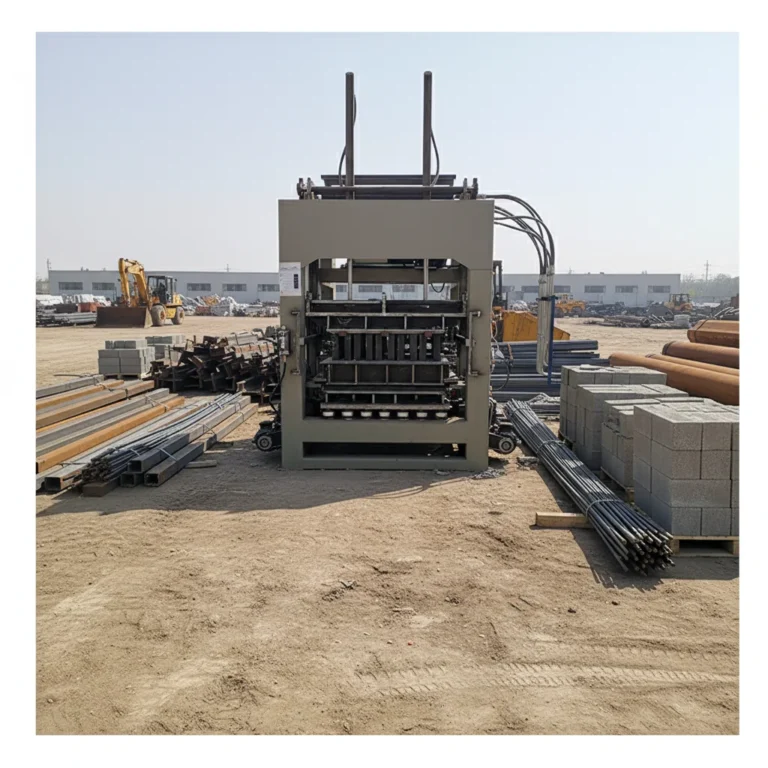
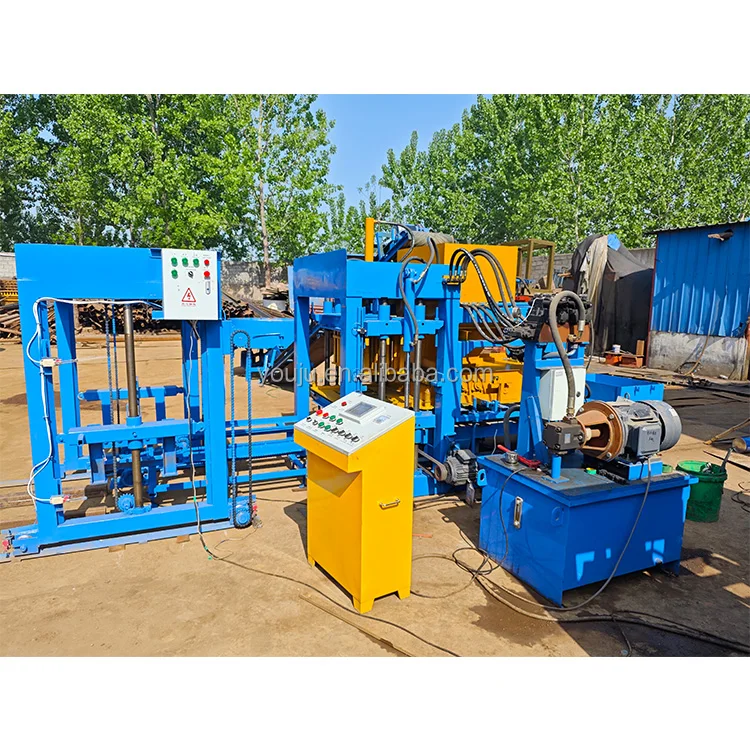
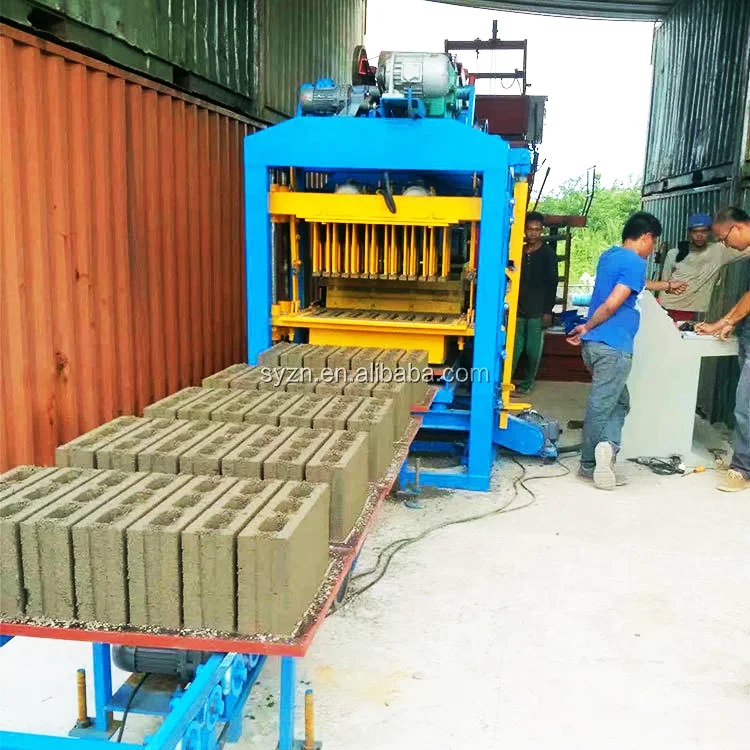
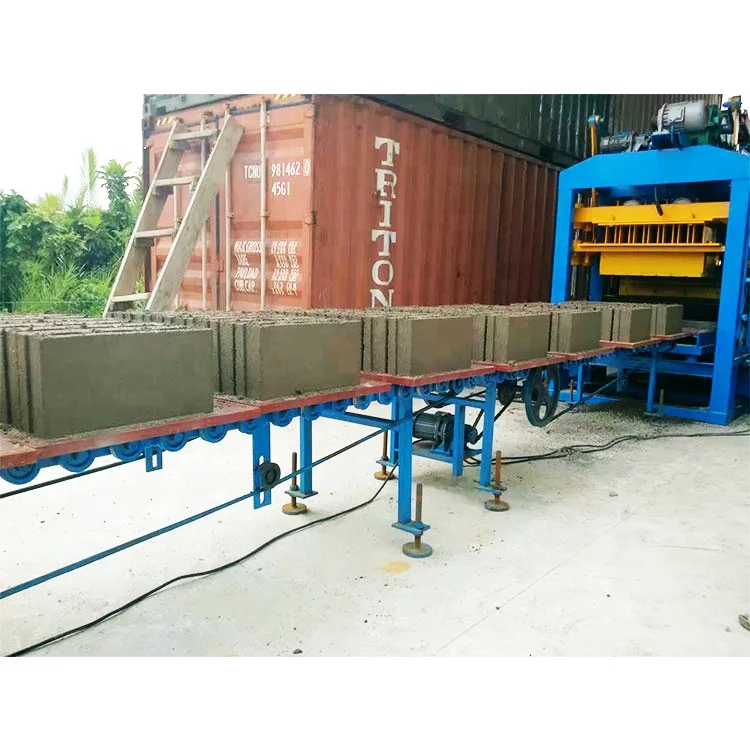
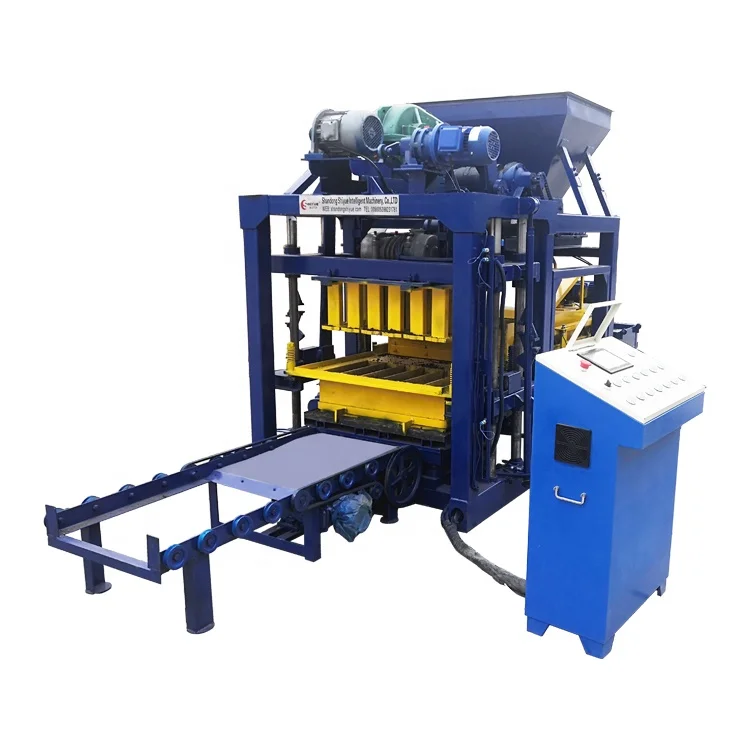
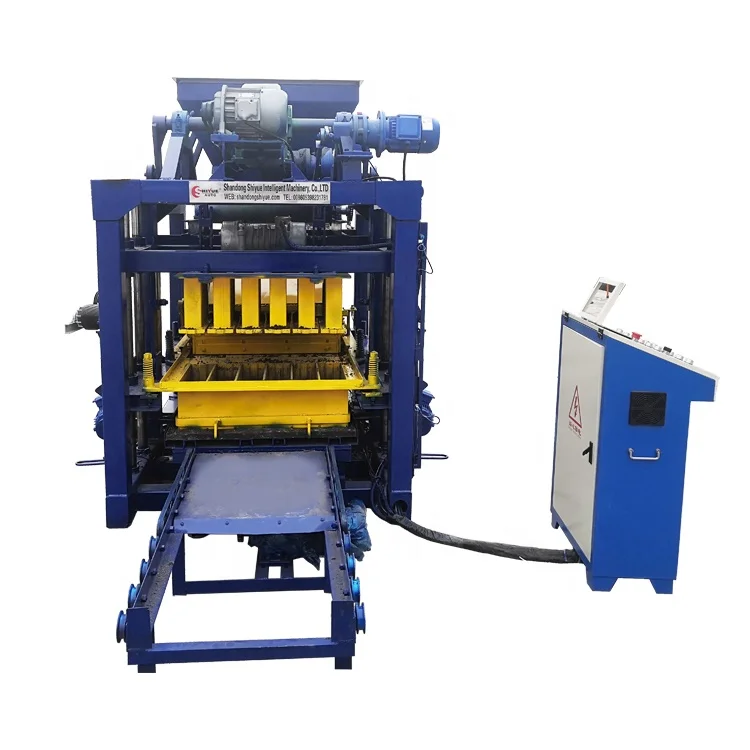
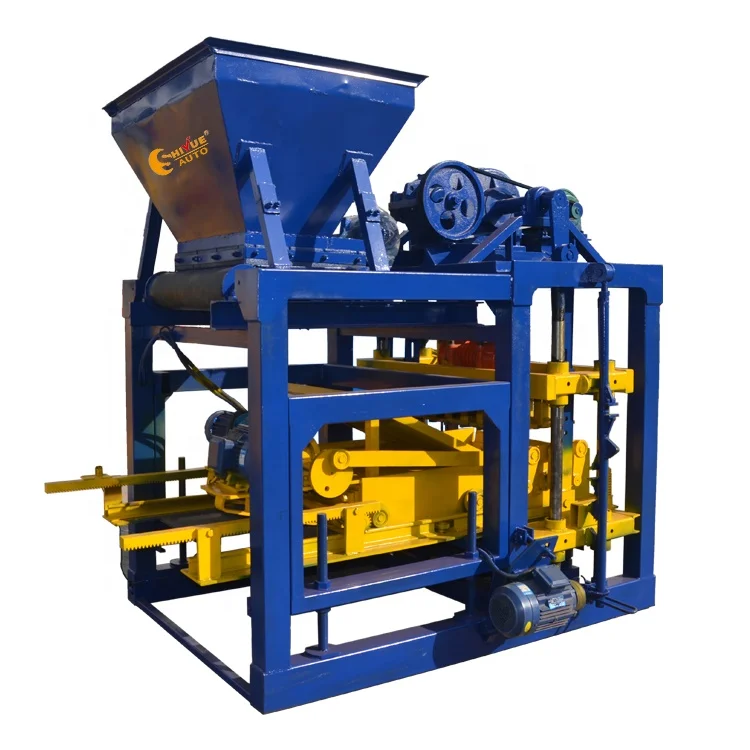
Stocked configuration — the QTJ4-25 block machine in stock fast delivery is dispatched with pallet, mould plate and hydraulic unit already matched, so your container leaves without waiting for separate suppliers to align.
Technical Specifications
| Parameter | Value |
|---|---|
| Model | QTJ4-25 |
| Product Type | Kerb Stone Brick Making Machine |
| Overall Dimensions (L×W×H) | 3060×1730×2580 mm |
| Rated Pressure | 16–21 MPa |
| Vibration Frequency | 4200 r/min |
| Vibration Force | 45.5 kN |
| Pallet Size | 850×550 mm |
| Molding Cycle | 25–30 s (basis not stated in source — confirm block format and material) |
| Overall Power | 14.9 kW (source value — verify against final configuration) |
| Total Mass | 4 T |
| Demolding Method | Vibration |
| Minimum Factory Area | 200 m² |
| Container Loading | 1×40 HQ (basic equipment) |
| Warranty | 1 year (whole machine, excluding spare parts) |
Application Suitability
| Application | Material or Output |
|---|---|
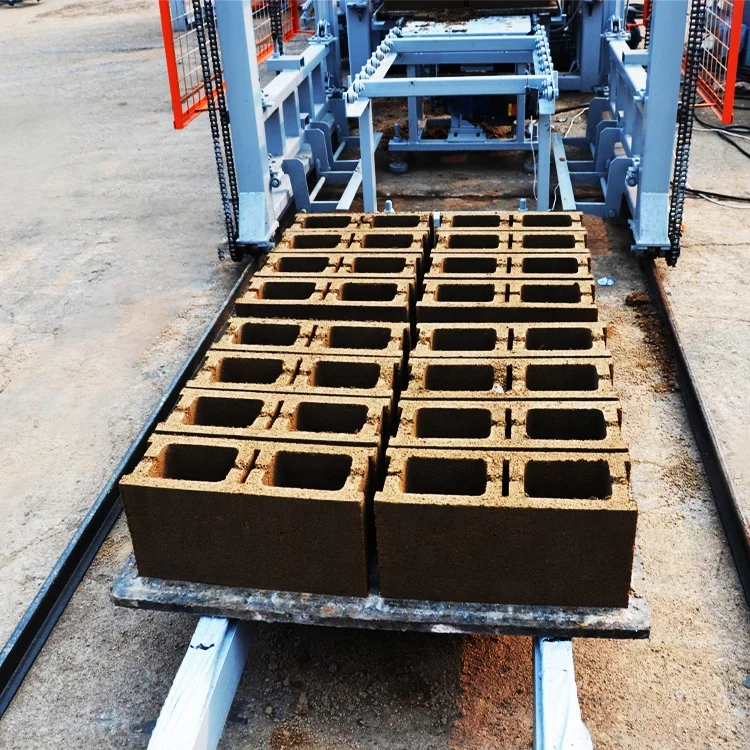
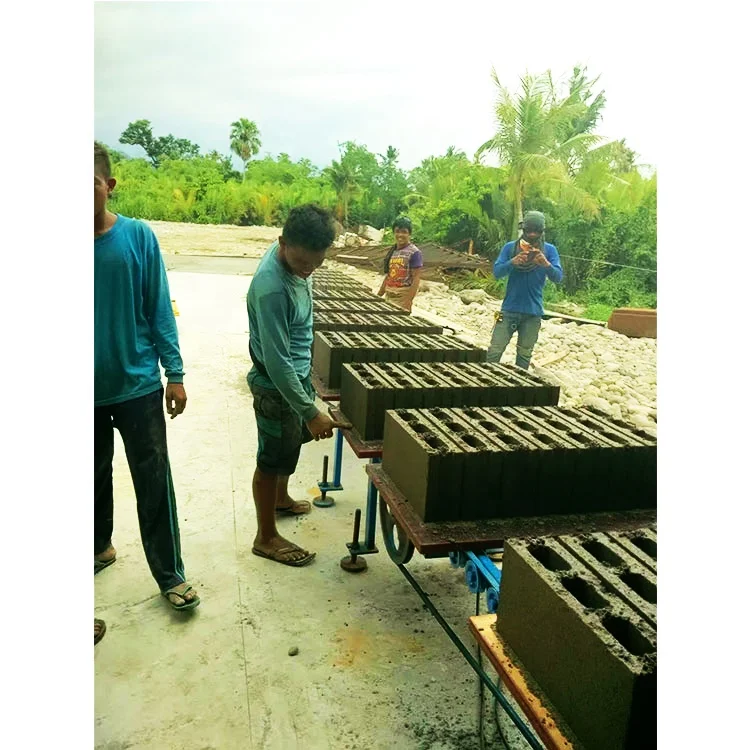
| Kerb stone production | Crushed stone, sand, cement blends |
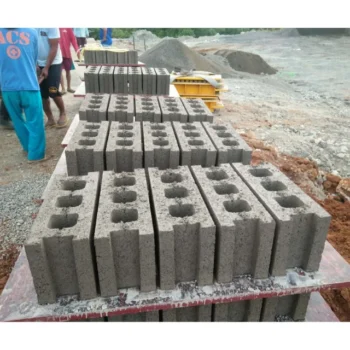
| Hollow and solid block runs | Fly ash, gravel, slag with cement binder |
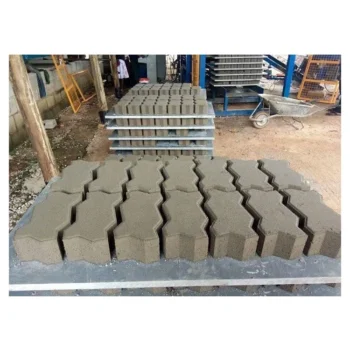
| Paving block and colored paver batches | Fine aggregate with pigment and cement |
| Interlocking brick for site contractors | Local sand and stone dust mixes |
Why the Molding Cycle Figure Needs Context Before You Commit
The QTJ4-25 block machine in stock fast delivery quotes a 25–30 second cycle, but that number only holds meaning once the block format, wall thickness and raw material density are locked in.
Catalog sheets often present a single cycle time as if it applies to every product the press can run. In practice, a thin interlocking brick reaches full compaction faster than a thick kerb stone, and a dry mix with coarse aggregate behaves differently from a fly-ash-heavy blend. I once saw a buyer quote a per-hour output to a municipal contractor, only to find on commissioning that the kerb stone cycle was running several seconds longer than the brochure figure. The gap between quoted and actual throughput was enough to push the project past its deadline [NEED_CITE: typical variation in cycle time across block formats].
Stocked Unit Readiness for Tight Project Timelines
When a road contractor or municipal project team needs to start producing kerbstones within weeks rather than months, having a QTJ4-25 block machine in stock fast delivery means the press, hydraulic pack and standard mould plate can be consolidated into one container without waiting on third-party components. The 4-tonne machine fits a single 40 HQ, keeping freight straightforward and port-side handling simple. Buyers working backward from a project handover date can factor in sea transit and customs clearance with a known dispatch point rather than an open-ended production queue.
Dispatch Sequence and What Leaves the Factory Together
Every stocked unit is prepared so that the pallet stack, hydraulic hoses, control panel and one set of moulds ship in the same container. This avoids the situation where the press arrives but the pallets or the mould crate sit in a second shipment delayed by a different booking [NEED_CITE: common split-shipment delays in machinery exports]. The loading plan is photographed before the container doors close, giving the buyer a visual packing record to cross-check on arrival.
How Pressure and Vibration Shape the Kerb Stone You Actually Sell
The 16–21 MPa rated pressure combined with 45.5 kN vibration force is the pairing that determines whether a kerb stone leaves the mould dense enough to survive handling, transport and years of roadside impact. Platform vibration at 4200 r/min compacts the aggregate from the pallet upward; hydraulic pressure then locks that compacted state before demolding. If the local stone dust carries a high clay content, the same pressure setting that works with clean crushed granite may produce a softer edge. That is why sending a sample of the intended aggregate for a trial press is the step that prevents a batch rejection on site.
The Pallet and Factory Floor Equation
An 850×550 mm pallet dictates the footprint of the curing yard, the forklift tine width and the rack spacing if the buyer uses stacked curing. Choosing a pallet size without checking these downstream dimensions means either buying new handling equipment or watching pallets pile up on the floor. The 200 m² minimum factory area assumes a compact layout; real-world production with curing racks and a raw material stockpile needs more room.
What Happens When Voltage and Control Language Are Overlooked
A machine wired for a voltage that does not match the buyer’s site supply sits idle while transformers are sourced, and commissioning slips by weeks. A control panel displaying instructions in a language the operator cannot read introduces errors during mould changes and cycle adjustments. Confirming voltage, frequency and display language before the unit leaves the factory removes two of the most common arrival-day surprises [NEED_CITE: voltage and frequency standards by export market].
Why Buyers Source This Press Here
The QTJ4-25 is configured around the block format the buyer’s market actually sells, not a default catalogue setting. Mould design is available to buyer drawings, so a kerb stone profile specific to a local municipal standard can be produced from the first run. Pallet, press and handling equipment are specified as a matched set from one supplier, eliminating finger-pointing between vendors when a line issue arises. Installation support includes operator training on the specific mould and cycle settings for the buyer’s chosen format. Stock availability shortens the gap between order and production start.
Documentation & Verification
- Factory test record run on your specified kerb stone format before dispatch
- Pallet specification sheet matched to your curing rack and forklift dimensions
- Hydraulic and electrical schematic with confirmed voltage and frequency
- Packing photographs showing container load and crate placement before sealing
- Wear parts and mould list with first replacement schedule included
Installation, Commissioning & Support
- 200 m² minimum floor area verified against your curing yard and material stockpile layout
- Power circuit sized for 14.9 kW total load with dedicated breaker per phase specification
- Machine arrives as single-unit load in one 40 HQ, dismantled for reassembly on your slab
- First-run cycle setting calibrated to your kerb stone mix and local aggregate sample
- Operator training covers mould change procedure and vibration platform maintenance
Before You Request a Quote
Provide the kerb stone or block profile drawing, your daily output target and the aggregate type available at your site. Share the local voltage and frequency so the control panel and motor wiring can be matched before dispatch. If you have existing pallets or forklifts, send their dimensions so the pallet specification aligns with your handling equipment.
Frequently Asked Questions
Q: How is the 25–30 second molding cycle validated for my specific block?
A: The cycle figure is a starting point. We run a factory test using your block drawing and a sample of your local aggregate to measure the actual cycle under your material conditions. The test record, including achieved compaction density and demolding result, is shared before shipment so your output projection rests on measured data, not a catalogue generalization.
Q: What is the realistic dispatch lead time for a stocked QTJ4-25?
A: Stocked units are prepared for container loading once pallet specification, mould selection and voltage are confirmed. Loading into a 40 HQ and arranging the booking typically follows within a short window. We quote the dispatch date and estimated arrival based on your destination port at the time of order confirmation, not after production begins.
Q: Will the machine run on my site’s electrical supply without modification?
A: Voltage and frequency are confirmed during the order stage and the motor wiring and control panel are set accordingly before the machine leaves the factory. The electrical schematic included in the documentation package shows the exact configuration shipped, so your electrician can verify the incoming supply and breaker sizing on arrival day.
Q: Are moulds and hydraulic wear parts included for the first replacement cycle?
A: The wear parts and mould list provided with the quotation specifies which items are included in the initial shipment and which are recommended as first-order spares. This way the first mould change or hydraulic seal replacement does not halt production while you wait for an international shipment to arrive.