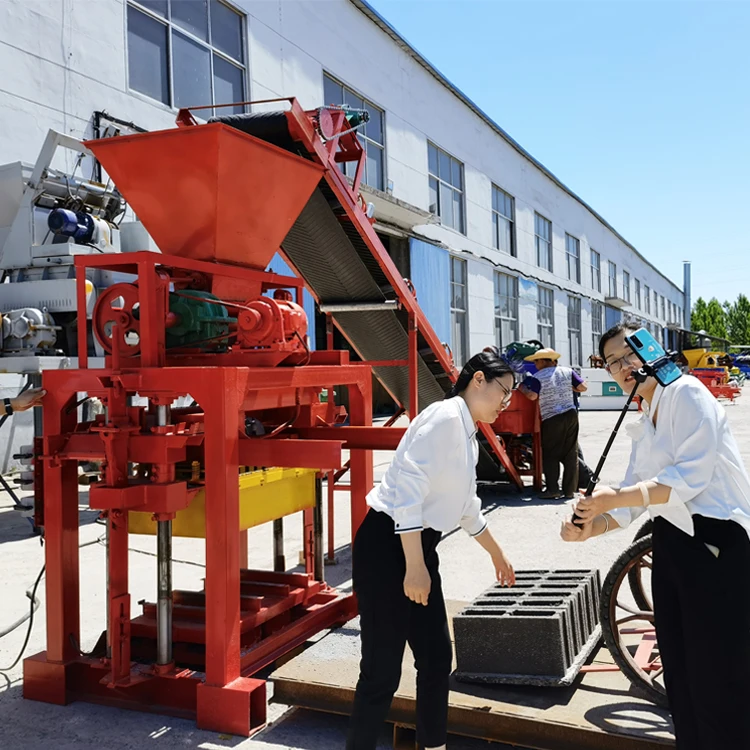
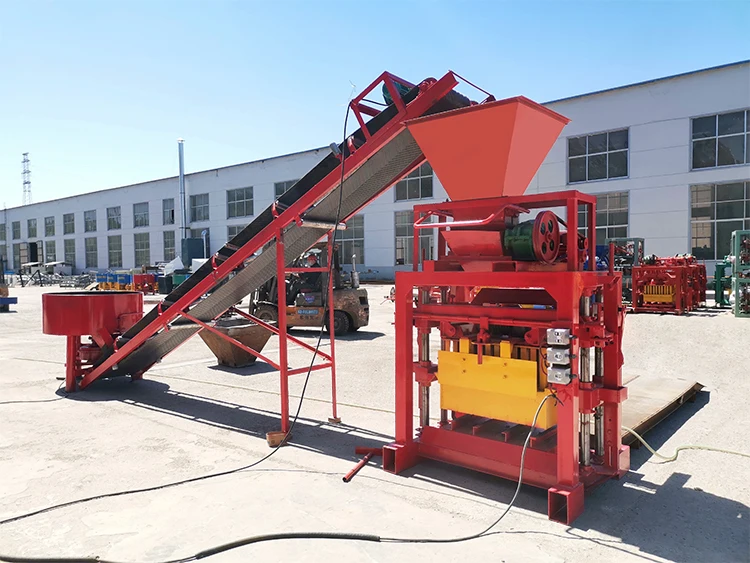

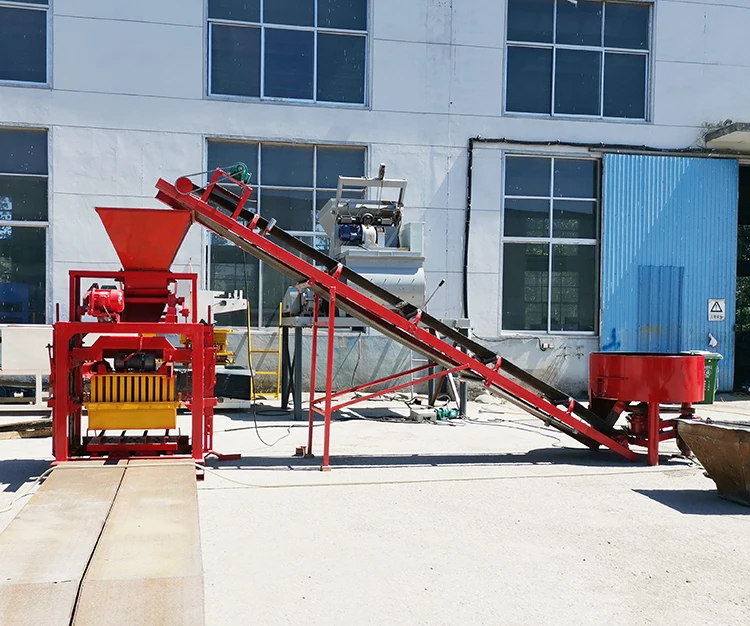

Description
Fast dispatch readiness — QTJ4-35 units held in stock with electrical configuration verified before container loading, not after arrival.
Technical Specifications
| Parameter | Value |
|---|---|
| Model | QTJ4-35 |
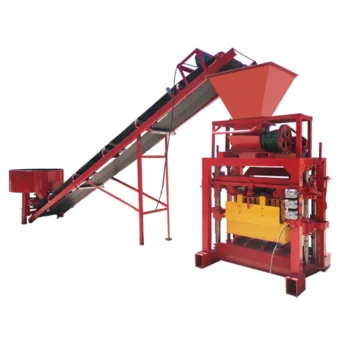
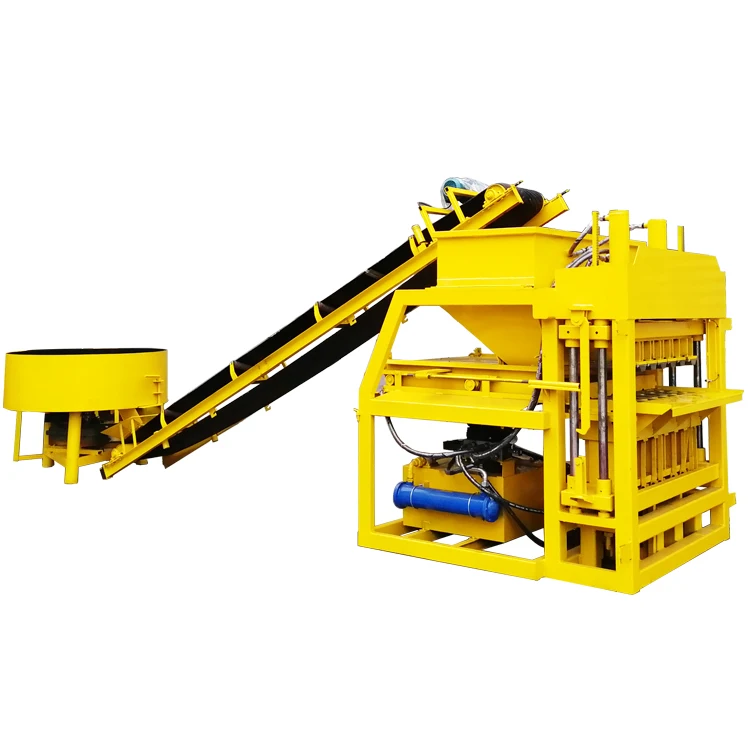
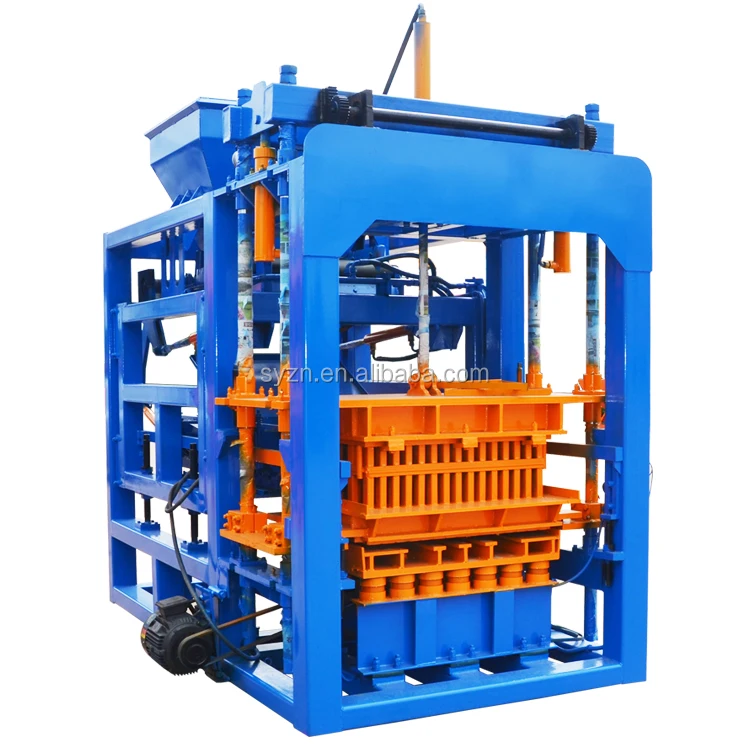
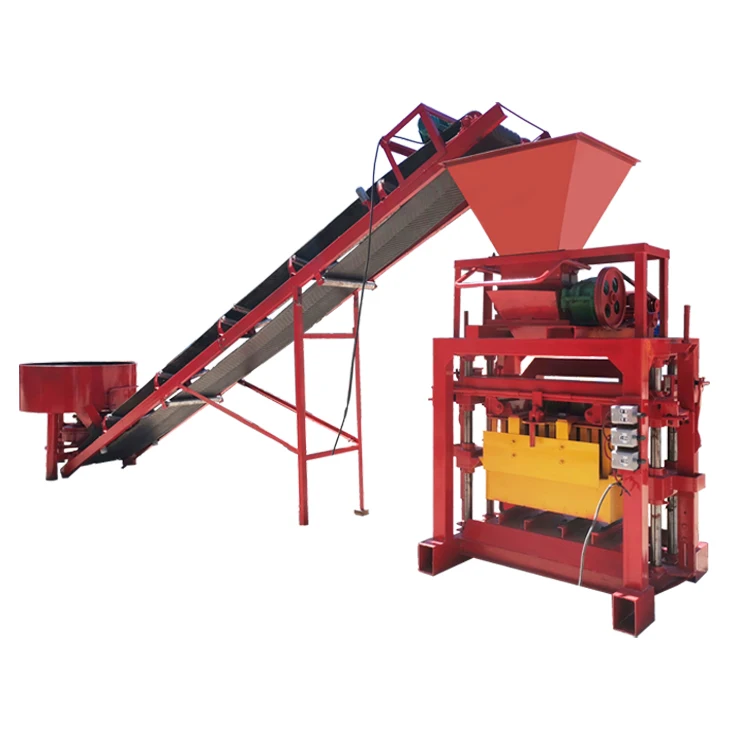
| Product Type | Mechanical Manual Block Making Machine |
| Overall Dimensions (L×W×H) | 2050 × 1660 × 1900 mm |
| Main Vibration Form | Motor Vibration |
| Vibration Force | 35 kN |
| Pallet Size | 850 × 450 × 20 mm |
| Molding Cycle | 35–40 s (basis not stated in source) |
| Overall Power | 9.8 kW |
| Automation Level | Mechanical manual, four-lead guidance with upper and bottom mould compression |
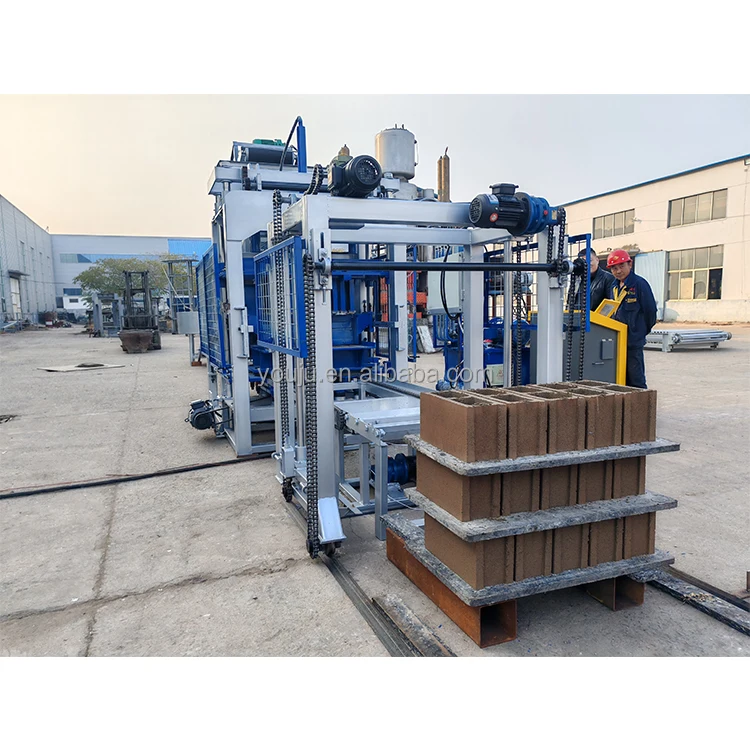
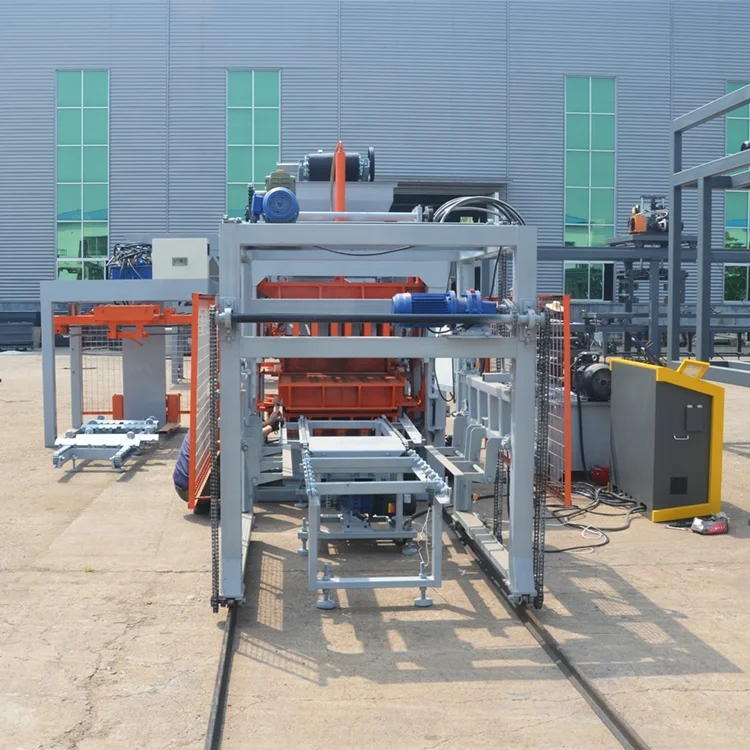
| Stacking Method | Manual pallet handling |
| Hydraulic Pressure | Not applicable (mechanical vibration type) |
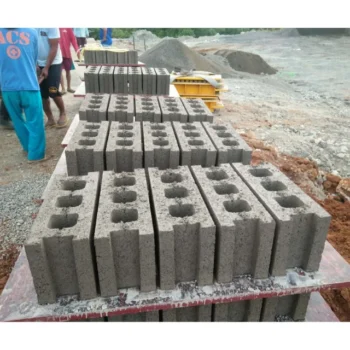
| Output — 400×200×200 mm hollow block | 4 pcs/mould, 360–408 pcs/h, 2,880–3,264 pcs/8 hr |
| Output — 400×150×200 mm hollow block | 5 pcs/mould, 360–510 pcs/h, 2,880–4,080 pcs/8 hr |
| Output — 240×115×53 mm solid brick | 21 pcs/mould, 1,512–1,890 pcs/h, 12,096–15,120 pcs/8 hr |
| Output — 200×100×60 mm paver | 14 pcs/mould, 1,008–1,260 pcs/h, 8,064–10,080 pcs/8 hr |
| Output — 225×112.5×60 mm interlocking block | 9 pcs/mould, 648–810 pcs/h, 5,184–6,480 pcs/8 hr |
Application Suitability
| Application | Material or Output |
|---|---|
| Small-scale block plant | Hollow blocks and solid bricks from crushed stone, sand, and cement |
| On-site housing project production | Paving blocks and interlocking blocks using locally available aggregate |
| First-plant entrepreneur setup | Multiple block formats from a single machine with mould changes |
| Building material distributor catalogue | Entry-level mechanical block machine for resale or rental |
| Contractor self-production | Hollow blocks and kerbstones produced directly at the construction site |
Why Voltage Confirmation Must Happen Before the Container Is Booked
A stocked machine that cannot be powered on arrival is not fast delivery — it is a three-week delay sitting on a job site.
I learned this the hard way last year when a batch of automatic block machines shipped to Brazil without confirmed voltage specifications. The project deadline was tight, the machines arrived on schedule, but the local grid ran a different frequency than what the motors were wound for. The contractor waited for a transformer and rewiring while the crew stood idle. Now every QTJ4-35 block machine in stock that leaves our yard has its electrical drawing checked against the buyer’s confirmed site voltage before it is dismantled for loading [NEED_CITE: voltage and frequency standards by export market]. The dispatch speed only matters if the machine actually runs when it arrives.
Stock Availability and Dispatch Timing
Buyers working to a project start date need a machine that ships within days, not weeks of production lead time. The QTJ4-35 block machine in stock is held in assembled and tested condition so that the only delay between order confirmation and container booking is the electrical verification and pallet matching check. For contractors who have a housing development breaking ground next month, this timing window determines whether blocks are produced on site or purchased from a third-party supplier at a premium.
Container Loading and Arrival Estimation
The compact footprint of this mechanical manual block machine means it fits into standard container configurations alongside additional moulds and spare pallets. Before dispatch, the machine is dismantled to reduce shipping volume, and packing photographs are shared with the buyer for customs clearance preparation. We quote an arrival estimate at the time of booking so that the buyer can schedule the foundation slab and raw material delivery to match [NEED_CITE: typical container transit times by destination region].
Reading the Capacity Table Honestly
The vibration force of 35 kN combined with motor-driven mechanical vibration determines how densely the concrete mix is compacted into each mould cavity. Denser compaction produces stronger blocks but requires a cycle time that matches the mix design — a drier mix with fine aggregate sets faster than a wetter mix with coarse crushed stone. The pallet size of 850 × 450 × 20 mm must align with the curing racks and forklift tines already on site; a mismatch means pallets cannot be stacked mechanically during the curing period. The 9.8 kW total power draw keeps utility requirements manageable for first-plant operators who may not have a dedicated high-capacity transformer installed yet.
The Cost of Skipping the Pre-Shipment Checklist
When voltage is not confirmed, the motor may run at reduced torque or overheat within the first shift, damaging windings that require weeks to replace. When pallet dimensions are not checked against the buyer’s existing curing infrastructure, blocks must be moved by hand from mismatched pallets, slowing the entire production rhythm. Mould change time on a mechanical manual machine depends on bolt access and alignment pins — if the buyer plans to run multiple formats but was not told how long each change takes, the promised format flexibility disappears during actual operation [NEED_CITE: common commissioning delays in block machine installations].
Why Procurement Through This Channel Works
Every QTJ4-35 unit is verified as a matched system — machine, mould, and pallet specified together rather than sourced separately. Stocked machines have already completed a factory test cycle, so the vibration motor, guide posts, and mould compression mechanism are proven before they reach the buyer. Electrical drawings are reviewed against the destination country’s grid standards before dismantling [NEED_CITE: CE machinery directive requirements for industrial equipment]. Customs documentation is prepared in parallel with container booking to prevent clearance delays at the destination port. The focus stays on availability and arrival timing, not on redesigning the machine from a catalogue default.
Documentation & Verification
- Factory test record showing vibration motor run-in and mould compression cycle before dispatch
- Voltage and frequency confirmation sheet signed off against buyer’s site electrical specification
- Pallet dimension drawing matched to buyer’s existing curing rack and forklift configuration
- Packing photographs documenting dismantling state and container loading arrangement
- Customs documentation package prepared for destination port clearance requirements
Installation, Commissioning & Support
- Foundation slab must support the 2050 × 1660 mm footprint with level tolerance for four-lead guide post alignment
- Power supply circuit rated for 9.8 kW continuous draw with correct voltage and frequency as confirmed pre-shipment
- Machine arrives dismantled; reassembly includes guide post alignment, vibration motor connection, and mould mounting
- First production run verifies cycle timing and block density against the buyer’s local aggregate and cement mix
- Mould change procedure demonstrated for each ordered format with bolt access and alignment pin sequence
- Spare vibration motor brushes and guide post bushings included for initial maintenance intervals
What We Need to Move Your Order Forward
To confirm stock allocation and prepare the correct electrical configuration, provide your site voltage and frequency, the block formats you plan to produce, and your target daily output per format. Share your existing pallet dimensions and curing area layout so we can verify compatibility before loading. Let us know your destination port and project start date so the arrival estimate aligns with your construction timeline.
Frequently Asked Questions
Q: What is the dispatch lead time for the QTJ4-35 — is it truly in stock?
A: The QTJ4-35 is held as a stocked model, meaning the machine has completed factory testing and is available for immediate preparation. Dispatch lead time covers electrical verification against your site voltage, pallet matching confirmation, dismantling, and container booking — typically a matter of days rather than a full production cycle. We confirm the exact dispatch date at the time of order placement.
Q: Which block formats are included with standard moulds, and can additional moulds ship in the same container?
A: Standard moulds cover hollow blocks, solid bricks, pavers, and interlocking blocks as listed in the capacity table. Additional moulds or custom format moulds can be loaded in the same container if space allows after machine dismantling. Confirm your required formats early so mould production or allocation is completed before the container is sealed.
Q: How is the machine dismantled and loaded for container shipment?
A: The machine is partially dismantled to reduce shipping volume — typically the mould assembly, vibration motor housing, and guide post upper section are separated from the main frame. Packing photographs are taken at each stage and shared with the buyer. This dismantling approach also speeds up on-site reassembly since the main frame remains intact.
Q: What voltage and frequency options are available from stock?
A: Stocked units are configured based on confirmed buyer requirements rather than pre-wound to a single standard. Before dispatch, we verify your site voltage and frequency and adjust the motor winding and control wiring accordingly. This step is completed before container loading to prevent the kind of on-site electrical delay that halts commissioning.
Q: What arrival estimate can I expect once the container is booked?
A: Arrival estimates depend on the destination port and shipping route. We provide a transit time estimate at the point of container booking so you can plan foundation work and raw material delivery around the expected arrival date. Customs documentation is prepared in advance to support prompt clearance once the container reaches the destination terminal.