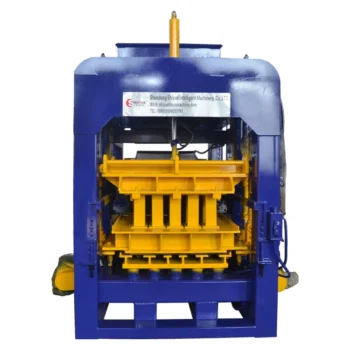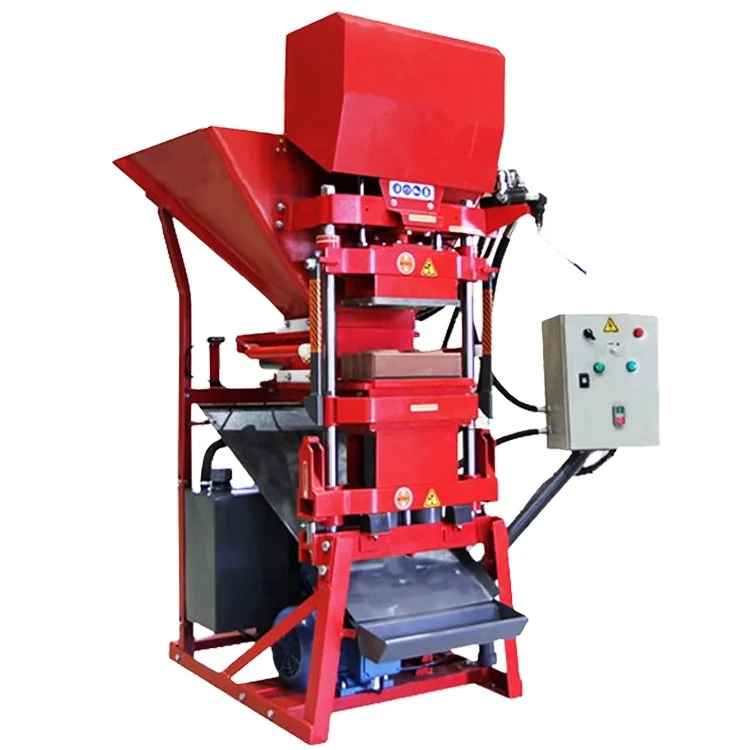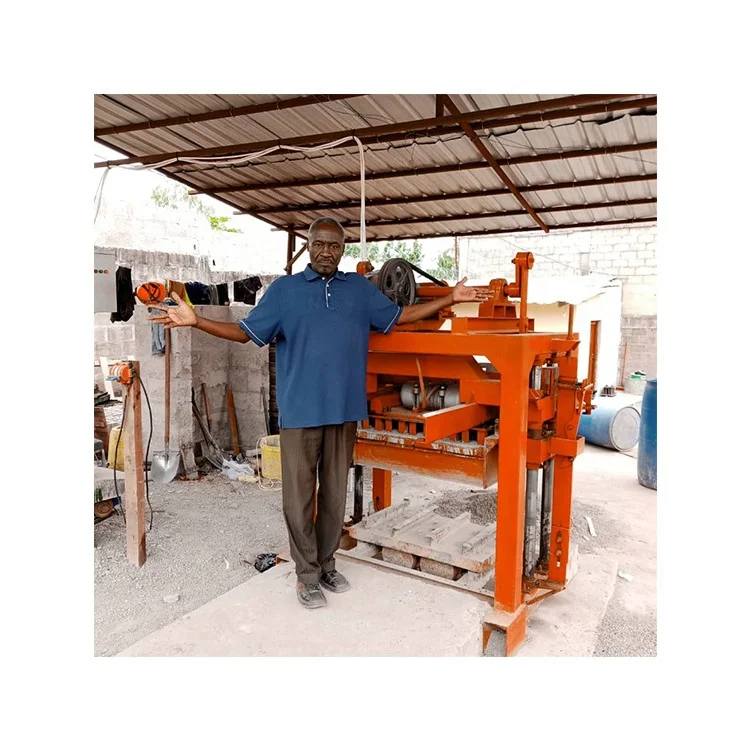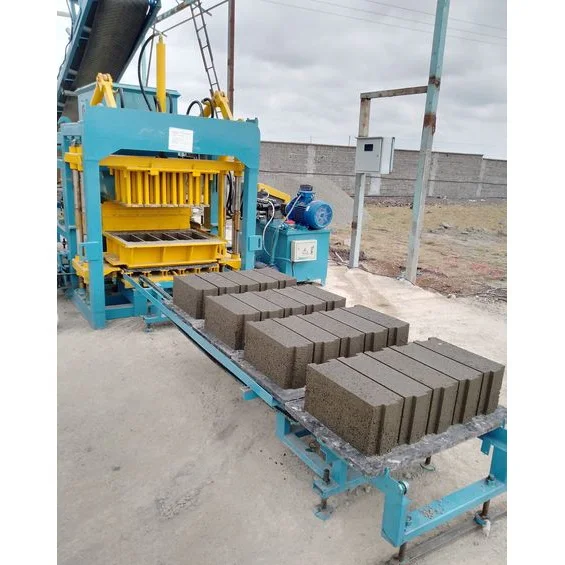
Description
Ready-to-Ship QTJ4-40 — Stocked units with voltage and control language confirmed before dispatch so commissioning starts the day the container is opened.
Technical Specifications
| Parameter | Value |
|---|---|
| Model | QTJ4-40 |
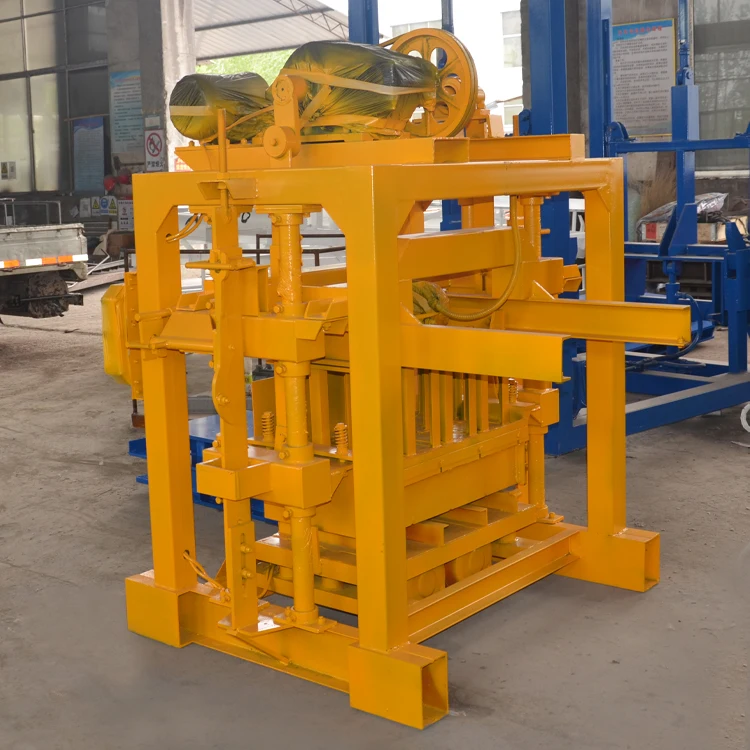
| Product Type | Semi-Automatic Concrete Block Making Machine |
| Rated Power | 9.5 kW |
| Voltage & Frequency | Configured to buyer’s local supply (basis not stated in source — confirm voltage, frequency and phase before order) |
| Control System | Semi-automatic with top die push/pull and automatic scraper |
| Molding Cycle | 40 s |
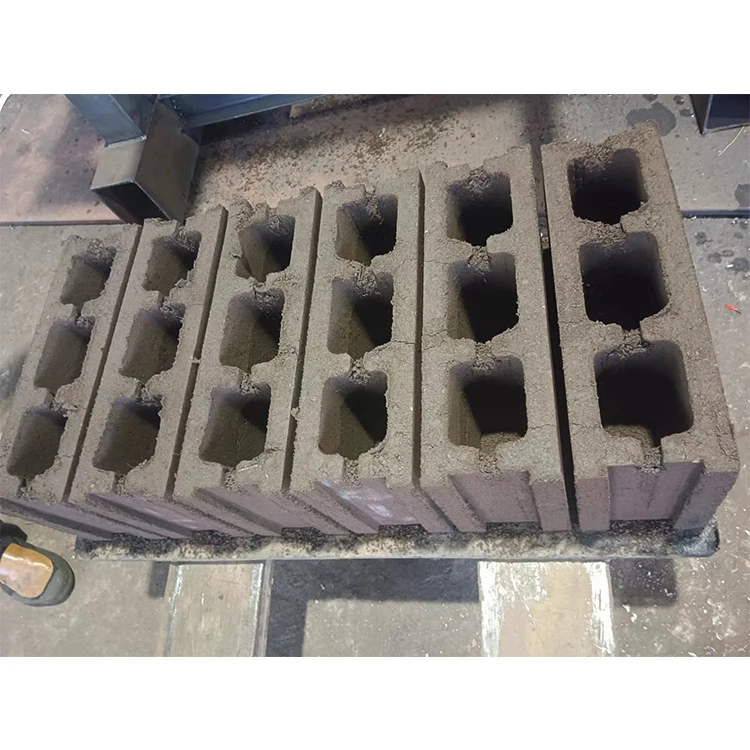
| Theoretical Output (400×200×200 mm hollow block, 4 pcs/mould) | 360 pcs/h, 2800 pcs/day |
| Theoretical Output (400×150×200 mm hollow block, 5 pcs/mould) | 450 pcs/h, 3600 pcs/day |
| Theoretical Output (225×112.5×60 mm solid brick, 9 pcs/mould) | 800 pcs/h, 6400 pcs/day |
| Pallet Size | 850×450 mm |
| Vibration System | Bed mould vertical vibration + upper mould compression vibration |
| Overall Dimensions (L×W×H) | 1350×1460×1800 mm |
| Net Weight | 1 T |
| Mould Formats | Hollow block, paver block, interlocking brick, fly ash brick (multi-format via mould change) |
Application Suitability
| Application | Material or Output |
|---|---|
| Small-scale hollow block production | Crushed stone, sand and cement blends |
| Fly ash brick manufacturing | Fly ash, lime, gypsum and cement mixes |
| Paver and interlocking brick for landscaping | Colored concrete with fine aggregate |
| On-site block making for construction contractors | Local aggregate and cement on project sites |
| First plant for entrepreneurs | Standard concrete mixes with low initial investment |
Why the Voltage Question Should Come Before the Price on a QTJ4-40 Block Machine in Stock
A control panel wired for the wrong frequency sits idle while electricians reconfigure the site supply.
I have watched a container of block machines arrive at a Middle East port with the control cabinets built for a voltage standard the site did not have. The buyer had the machine on the floor in days, but the electrical rework took three weeks. A QTJ4-40 block machine in stock is only fast if the motor winding, heater elements and PLC input match the destination grid from the start. [NEED_CITE: voltage and frequency standards by export market]
Dispatch Without Guesswork
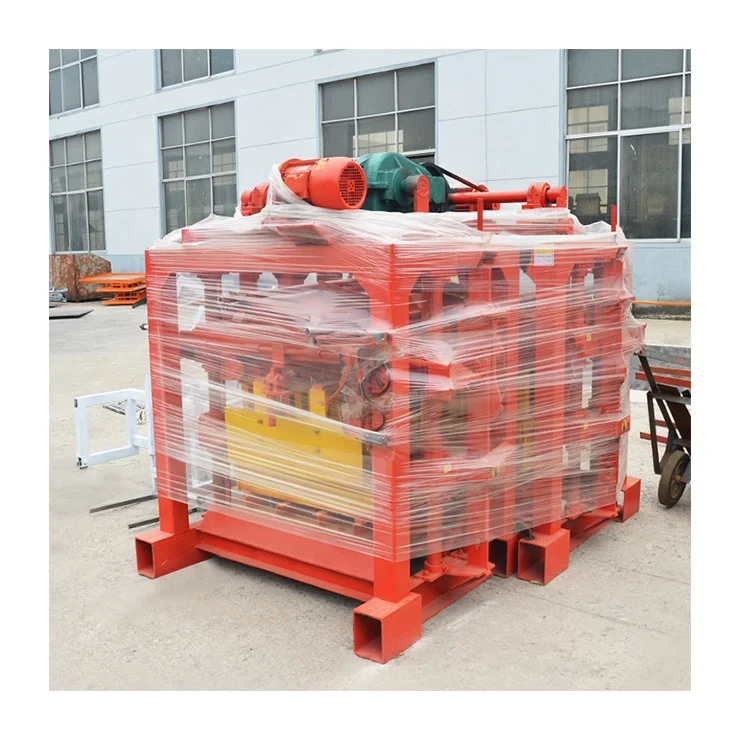
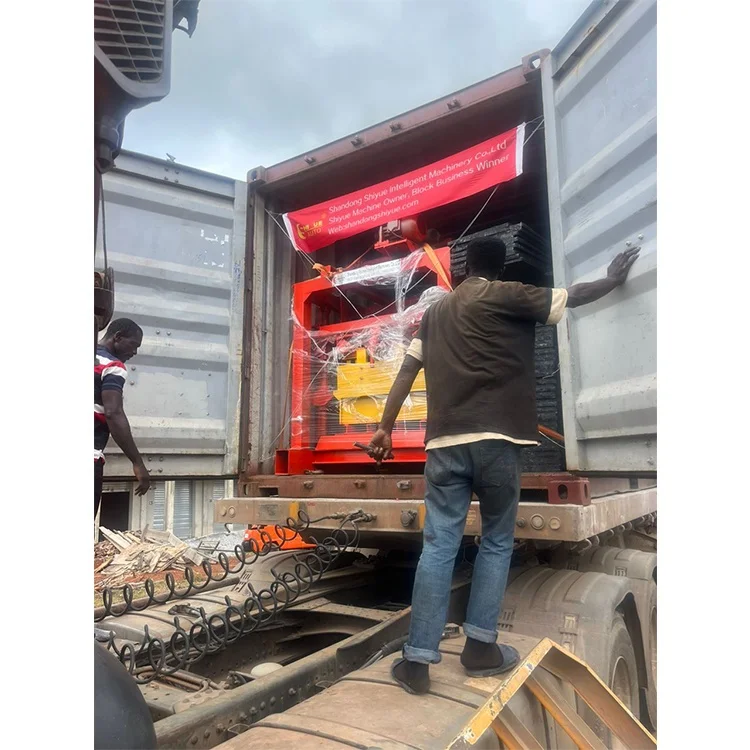
The value of a QTJ4-40 block machine in stock disappears the moment dispatch details are vague. We confirm the exact machine serial number, the mould formats loaded, and the pallet count before the proforma is issued. Container loading plans show how the press, moulds and pallets are dismantled and braced inside the box, so the buyer knows what arrives and in what condition.
Arrival Timing You Can Build a Schedule Around
Project contractors and first-time plant owners plan their curing area, labour and raw material orders around an arrival date. We quote the dispatch lead time and the estimated port arrival at the order stage, not after the machine is built. When a QTJ4-40 block machine in stock is allocated, the loading date is fixed and the shipping documents are prepared in parallel so customs clearance does not add avoidable days. [NEED_CITE: typical container shipping transit times to Middle East and African ports]
What the Vibration System Means for Block Density
The QTJ4-40 uses dual vibration: vertical vibration under the bed mould and compression vibration from the upper mould. In practice this means the concrete is compacted from two directions during the 40-second cycle, producing a denser block wall and a smoother face. The 850×450 mm pallet size fits standard curing racks and small forklifts already common on block yards, so the buyer does not need to replace handling equipment to accommodate the machine.
The Cost of Skipping Voltage Confirmation
When voltage and phase are assumed rather than confirmed, the consequences arrive on site. Motors overheat on the wrong frequency, contactors chatter, and PLC displays fail to initialize. The buyer then sources transformers or replaces the entire control panel locally, paying premium prices and losing production days. Every QTJ4-40 we dispatch has the voltage, frequency, phase and control language written into the build sheet before the cabinet is wired. [NEED_CITE: common motor failure modes under incorrect voltage supply]
Why Buyers Source This Machine Here
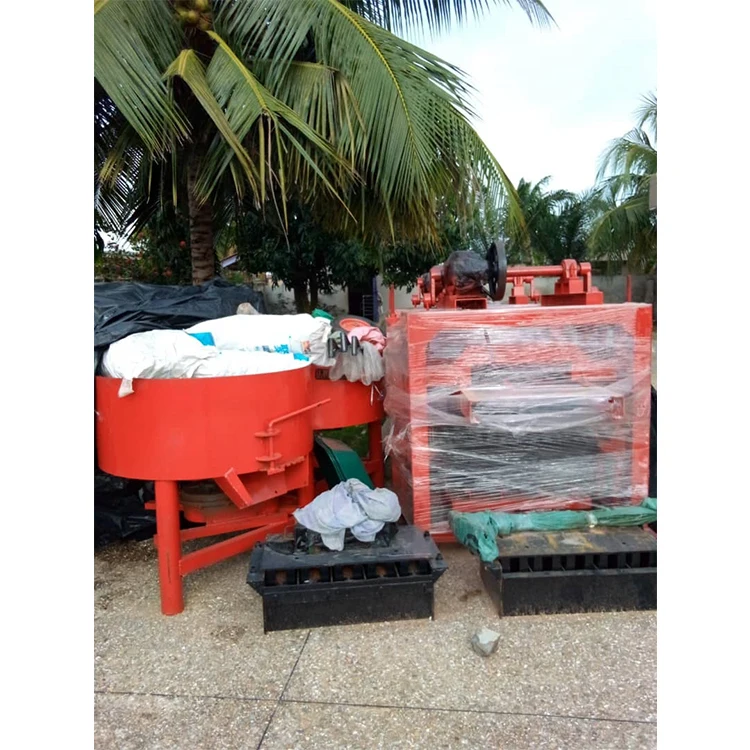
Block machinery is our single focus, so the press, mould, pallet and handling equipment are specified as one matched set rather than assembled from separate vendors. We configure the QTJ4-40 against the buyer’s actual mix design and local aggregate, not a catalogue default. Moulds for the formats the buyer’s market sells — including custom drawings — are stocked or built before dispatch. Automation level is selectable, so a buyer can start semi-automatic and add pallet handling later. Installation support and operator training are included so the first production run happens within days of arrival.
Documentation & Verification
- Factory test record on your block format and pallet size before dispatch
- Voltage, frequency and PLC language confirmation sheet signed before wiring
- Machine dismantling and container loading photographs for your shipping file
- Mould drawing and format list matching the moulds loaded in the container
- Operation and maintenance manual with wear parts list for the QTJ4-40
Installation, Commissioning & Support
- 9.5 kW rated power requires a dedicated circuit with correct breaker rating at site
- Semi-automatic top die push/pull calibrated during first-day commissioning on your mix
- 850×450 mm pallets matched to your existing curing racks and forklift capacity
- Mould change procedure trained on-site so format swaps do not consume a shift
- Vertical and compression vibration settings tuned to your aggregate and block strength target
What We Need to Allocate Your Machine
Send the block format you will produce most, the local raw materials available, and the site voltage and frequency. Include the curing area dimensions and the forklift you already have so we confirm pallet compatibility. If a project deadline drives the order, share the required arrival month and we will quote the dispatch date and transit estimate in the proposal.
Frequently Asked Questions
Q: Which QTJ4-40 machines and moulds are currently in stock and ready to ship?
A: Standard QTJ4-40 units and common mould formats such as hollow block, solid brick and interlocking brick are held in stock. Before allocation we confirm the exact serial number, the mould set loaded, and the pallet count so the buyer has full visibility of what will be dispatched.
Q: What is the dispatch lead time and estimated arrival at my port?
A: Stocked QTJ4-40 units are typically dispatched within a short window after voltage confirmation and payment clearance. We quote the container loading date and the estimated transit time to your destination port at the order stage so you can plan site preparation around a known arrival window.
Q: How is the machine dismantled and loaded into a container for shipment?
A: The QTJ4-40 is partially dismantled — the press frame, moulds and pallets are separated and braced inside the container to prevent movement during transit. Packing photographs are taken during loading and shared with the buyer before the container is sealed for customs documentation.
Q: Will the voltage and frequency be matched to my site before dispatch?
A: Yes. Voltage, frequency, phase and control panel language are confirmed with the buyer and written into the build sheet before the electrical cabinet is wired. This eliminates the most common cause of commissioning delays when the machine arrives on site.
Q: What customs documentation and packing photographs are provided?
A: We provide the commercial invoice, packing list, bill of lading and a CE declaration where applicable, along with loading photographs showing how the QTJ4-40 and moulds are secured inside the container. This documentation package supports smooth customs clearance at the destination port.