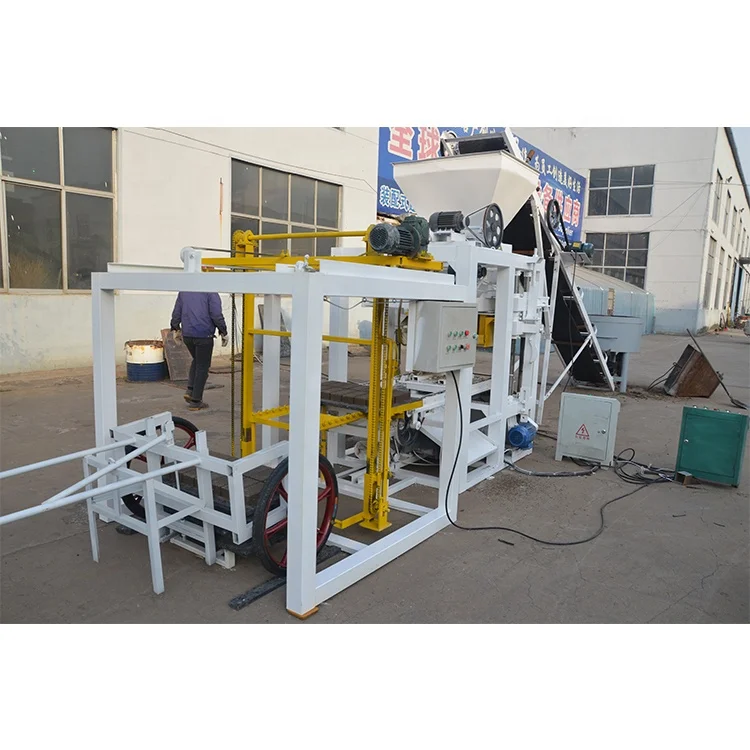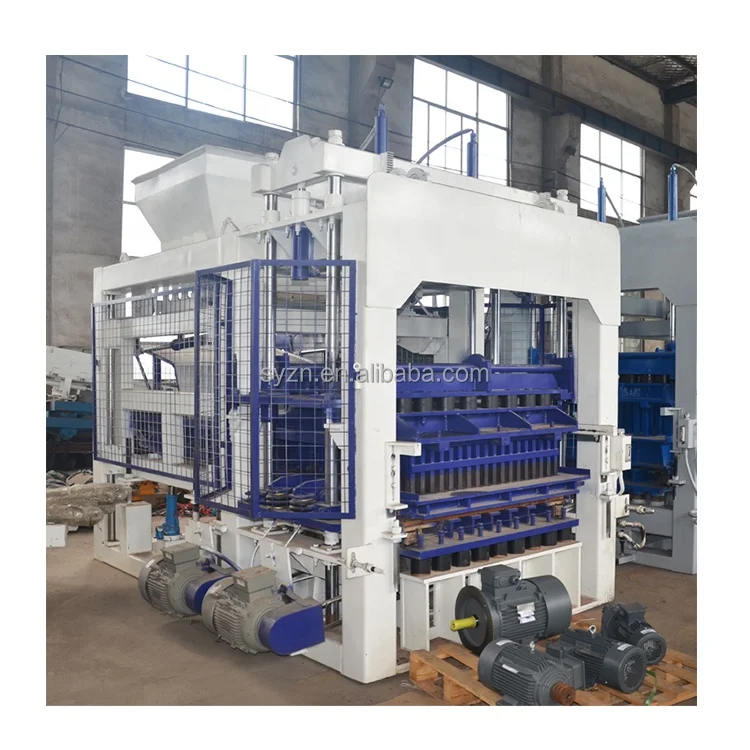


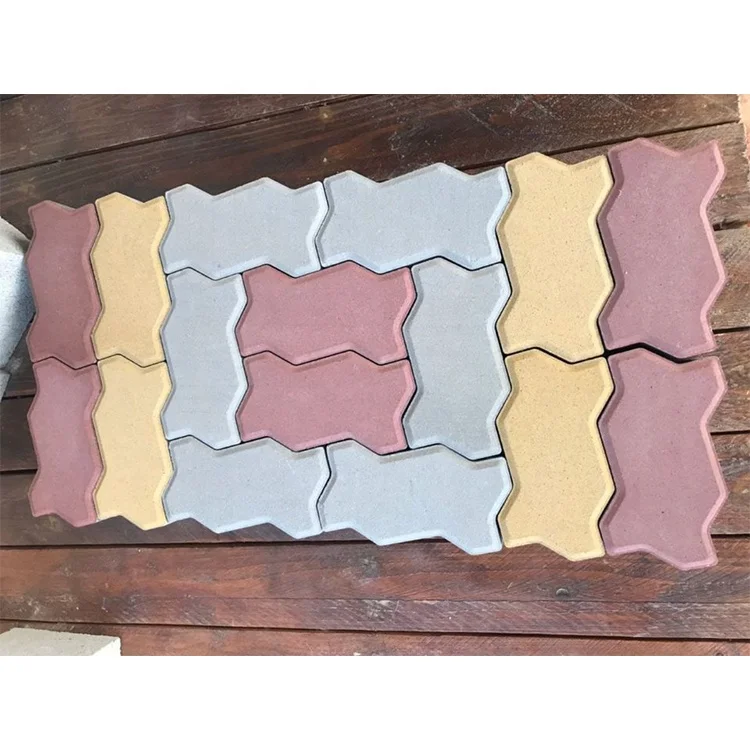
Description
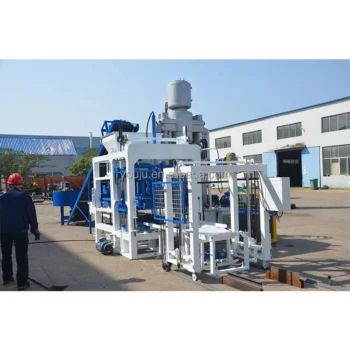
Single-focus dispatch readiness — QT12-15 machines and matching pallets are staged for container loading with voltage and PLC language confirmed before the crate closes, not after arrival.
Technical Specifications
| Parameter | Value |
|---|---|
| Model | QT12-15 |
| Product Type | Hydraulic Automatic Concrete Block Making Machine |
| Hydraulic Pressure | 21 MPa |
| Rated Power | 45.7 kW |
| Voltage & Frequency | 380 V or customized to buyer requirement |
| Control System | PLC (Siemens) |
| Overall Dimensions (L×W×H) | 9350 × 2520 × 2950 mm |
| Net Weight | 12 T |
| Pallet Size | 1350 × 850 × 40 mm |
| Output — Hollow Block 400×200×200 mm | 12 pcs/mould, 2800 pcs/hour, 22400 pcs/day (basis: 400×200×200mm hollow block format) |
| Output — Hollow Block 400×150×200 mm | 16 pcs/mould, 3840 pcs/hour, 30720 pcs/day (basis: 400×150×200mm hollow block format) |
| Output — Solid Brick 240×115×53 mm | 62 pcs/mould, 14000 pcs/hour, 112000 pcs/day (basis: 240×115×53mm solid brick format) |
| Automation Level | Full automatic |
| Color Options | According to buyer request |
| Warranty | 1 year |
| Standards | ISO 9001:2008, CE |
Application Suitability
| Application | Material or Output |
|---|---|
| High-capacity hollow block production | Crushed stone, sand, cement, and fly ash aggregates for 400×200×200 mm and 400×150×200 mm formats |
| Solid brick manufacturing for masonry | Local sand and cement mixes targeting 240×115×53 mm standard brick |
| Large-scale building material factory output | Multi-format concrete products across hollow block and solid brick ranges |
| Project-driven on-site block supply | High-volume hollow block runs tied to construction scheduling deadlines |
What "Stock Available" Actually Means for the QT12-15 Automatic Block Machine in Stock Fast Delivery
Stocked does not mean unverified — every unit leaves only after voltage, frequency, and PLC language are confirmed against the destination site.
I once watched a buyer in the Middle East take delivery of a high-output hydraulic block press only to find the PLC display was in a language none of his operators could read. Commissioning stalled for weeks while the control panel was reflashed on-site. That kind of delay is entirely avoidable when the dispatch checklist includes a language confirmation step before the machine enters the crate. The QT12-15 automatic block machine in stock fast delivery is staged with that sequence built in, so arrival means installation, not troubleshooting [NEED_CITE: PLC display language configuration before export shipment].
Dispatch Staging and Container Loading Sequence
When a buyer confirms an order against stocked inventory, the physical sequence matters as much as the lead time. For the QT12-15 automatic block machine in stock fast delivery, the main press frame, hydraulic station, and pallet magazine are dismantled into container-fit sections and photographed at each stage. Loading plans specify which components go into which container, so the receiving crew can unload in reverse order and begin reassembly without searching through mixed crates.
Stocked models also carry confirmed pallet dimensions of 1350 × 850 × 40 mm. This lets the buyer verify curing rack spacing and forklift tine length before the ship leaves port, avoiding the situation where pallets arrive and the existing curing infrastructure cannot accommodate them.
Lead Time Transparency for Project-Driven Buyers
Project contractors working to a construction deadline cannot absorb open-ended production schedules. The dispatch lead time for a stocked QT12-15 is quoted at the inquiry stage, alongside the container loading arrangement and estimated arrival window. This means the buyer’s site preparation crew can schedule foundation work, power connection, and raw material stockpiling against a known machine arrival date rather than a tentative one [NEED_CITE: typical shipping timelines for heavy industrial machinery by destination region].
When the order includes standard moulds — hollow block 400×200×200 mm or solid brick 240×115×53 mm — those are loaded in the same container as the press, so first-day production is possible once commissioning concludes.
Reading the Specs That Matter on the Shop Floor
The 21 MPa hydraulic pressure rating on the QT12-15 is not an abstract figure; it determines the compaction density achievable with the buyer’s specific aggregate blend. Higher clay or silt content in local sand reduces effective pressure transfer during the vibration-press cycle, meaning the same hydraulic setting produces lower block strength. Matching pressure to mix design is the reason factory test records are run before dispatch.
The 45.7 kW rated power draw sets the minimum transformer capacity and dedicated circuit sizing at the plant. Buyers who assume standard workshop power is sufficient often face tripped breakers during the first high-pressure cycle. The 380 V standard configuration can be adjusted to match destination voltage and frequency before the machine ships, eliminating the need for an external step-down transformer that adds both cost and a failure point.
Pallet size at 1350 × 850 × 40 mm governs curing rack dimensions, forklift handling capacity, and the floor area required between press output and stacking zone. A buyer with existing 1200 × 750 mm pallets cannot simply adapt — the mould cavity layout is machined to the pallet footprint, so a mismatch means either new pallets or a different machine tier.
What Happens When Dispatch Details Get Skipped
Skipping pre-shipment voltage confirmation forces the buyer to source a local transformer or rewire the motor windings after arrival — both options add cost and compress an already tight project schedule. A machine rated for 380 V / 50 Hz connected to a 440 V / 60 Hz supply will run hotter, shortening hydraulic seal life and risking motor burnout within the first production cycle [NEED_CITE: voltage mismatch effects on industrial hydraulic motors].
Leaving pallet dimensions unconfirmed means the curing racks already built on-site may not accept the delivered pallets, forcing the buyer to rebuild racks or handle blocks manually until replacement pallets arrive. These are not theoretical problems — they are the most common reasons commissioning calls come in during the first week after installation.
Why Source This Machine Through a Stock-and-Dispatch Channel
Block machinery is the sole product focus here, which means the QT12-15 press, moulds, pallets, and handling equipment are specified as one matched system. There is no assembling a line from separate suppliers and discovering interface gaps at installation.
Voltage, frequency, and PLC display language are confirmed before the machine enters production or leaves stock, removing the most frequent cause of post-arrival delay. Factory test records and packing photographs are shared before container loading, giving the buyer visual confirmation of the exact unit that will arrive.
Dispatch lead time and container loading plans are quoted at the inquiry stage, not after payment, so project scheduling can proceed on confirmed dates. Moulds and wear parts lists ship with the machine, ensuring the first replacement cycle does not become an emergency sourcing exercise.
Documentation & Verification
- Line layout with capacity calculations naming the exact block format behind each output figure
- Factory test record run on the buyer’s target mould before the machine is crated
- Packing photographs showing dismantling sequence and container loading arrangement
- Voltage, frequency, and PLC language confirmation sheet signed before dispatch
- Hydraulic and electrical schematic matched to the shipped unit’s configuration
- Wear parts and mould list included in the shipping documents
Installation, Commissioning & Support
- Foundation must support 12 T static load plus dynamic vibration across the 9350 × 2520 mm footprint
- Dedicated 45.7 kW circuit with confirmed voltage and frequency matching the shipped motor rating
- Machine ships dismantled for container loading; reassembly sequence follows the provided packing photographs
- First-run commissioning verifies hydraulic pressure at 21 MPa against the buyer’s actual aggregate mix
- Operator training covers PLC interface navigation in the confirmed display language
- Wear parts list identifies hydraulic seals and mould liners for the first replacement order
Before You Send the Inquiry
To match a stocked QT12-15 to your site, the most useful details are your target block format, the daily output you need to meet your project schedule, and your local power supply voltage and frequency. If you already have curing racks and forklifts on-site, share those dimensions so the 1350 × 850 × 40 mm pallet compatibility can be confirmed before dispatch. Specifying your preferred PLC display language at inquiry stage keeps the commissioning timeline clean.
Frequently Asked Questions
Q: Which block format does the quoted pcs/hour figure assume?
A: Every output figure on this page is tied to a specific mould. The 2800 pcs/hour rate assumes a 400×200×200 mm hollow block format with 12 cavities per mould. Switching to 400×150×200 mm with 16 cavities yields a different hourly rate. Always confirm which format your capacity calculation is based on.
Q: Is the QT12-15 currently in stock or made to order, and what is the dispatch lead time?
A: Stocked models are available for fast dispatch once voltage, frequency, and PLC language are confirmed. Lead time is quoted at inquiry based on current inventory and your destination port. Container loading plans and estimated arrival dates are provided before order confirmation.
Q: Can the voltage and PLC language be matched to the destination country before shipment?
A: Yes. The 380 V standard can be customized to your site’s voltage and frequency requirements. The Siemens PLC display language is set to your operators’ preferred language before the machine is crated, avoiding on-site reprogramming delays during commissioning.
Q: Are pallets and standard moulds included in the delivery, or quoted separately?
A: Pallets sized 1350 × 850 × 40 mm and the selected standard mould are included and loaded in the same container. This ensures production can begin immediately after commissioning without waiting for separate shipments.
Q: What container loading plan and machine dismantling arrangement apply to this model?
A: The QT12-15 is dismantled into container-fit sections covering the press frame, hydraulic station, and pallet magazine. A loading plan specifies which components go into which container. Packing photographs document the sequence so your crew can unload and reassemble efficiently.