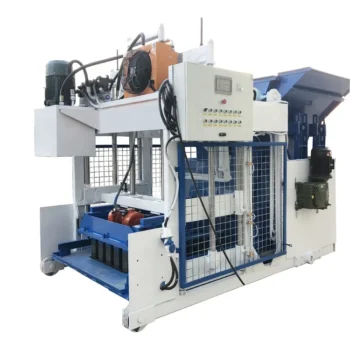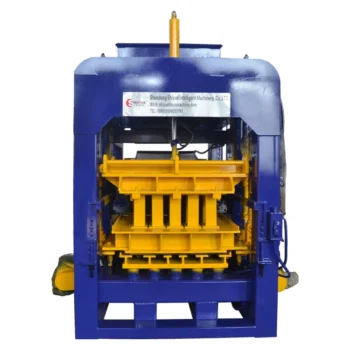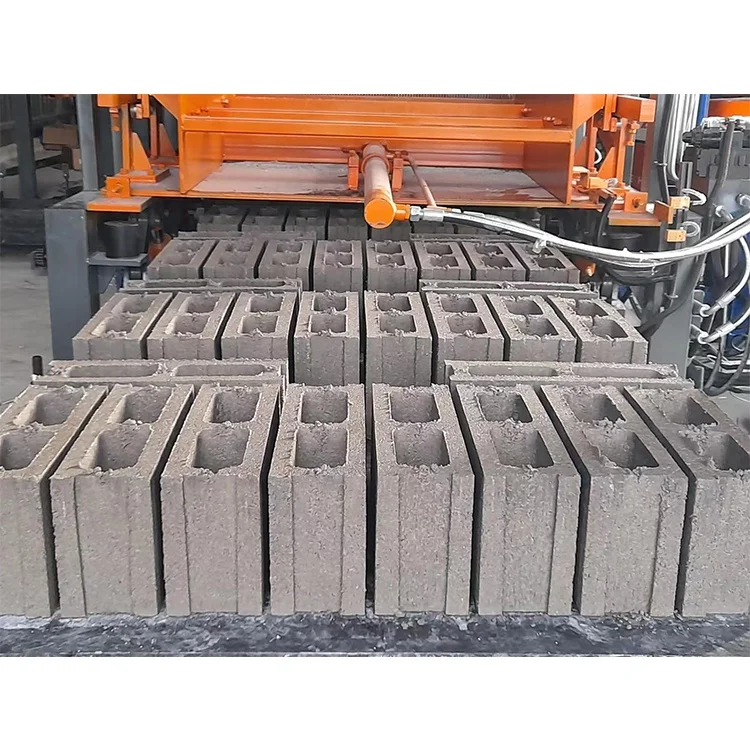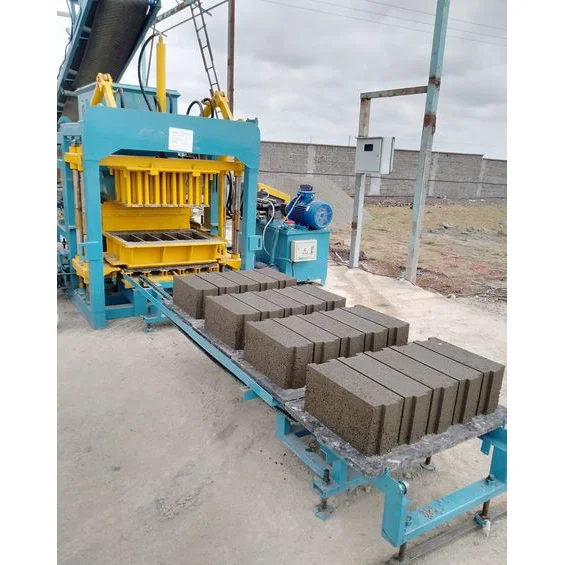
Description
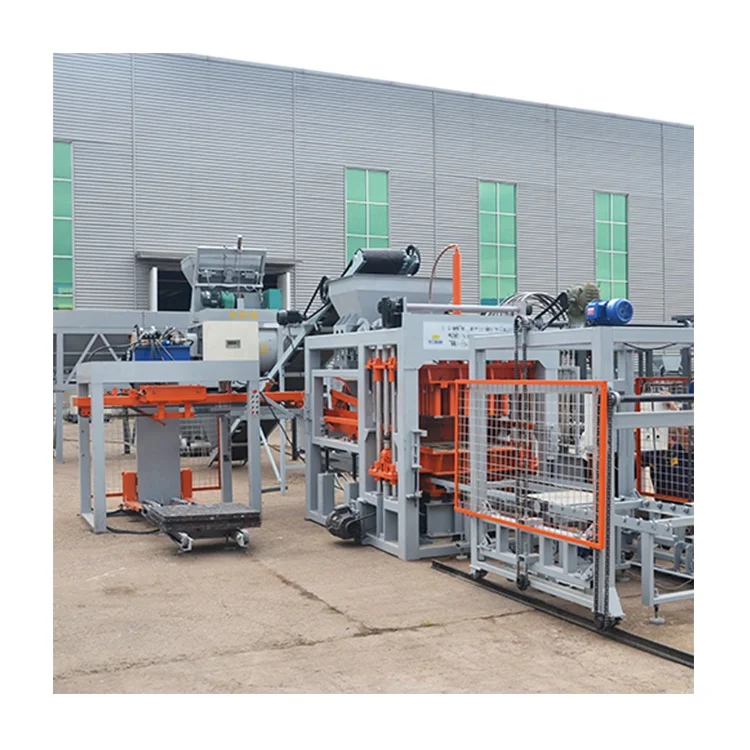
Stock-Ready Dispatch — QT6-15 units sit assembled in our Linyi yard, meaning your container loading date is measured in days rather than the typical multi-week production wait.
Technical Specifications
| Parameter | Value |
|---|---|
| Model | QT6-15 |
| Product Type | Automatic Concrete Hollow Block Machine |
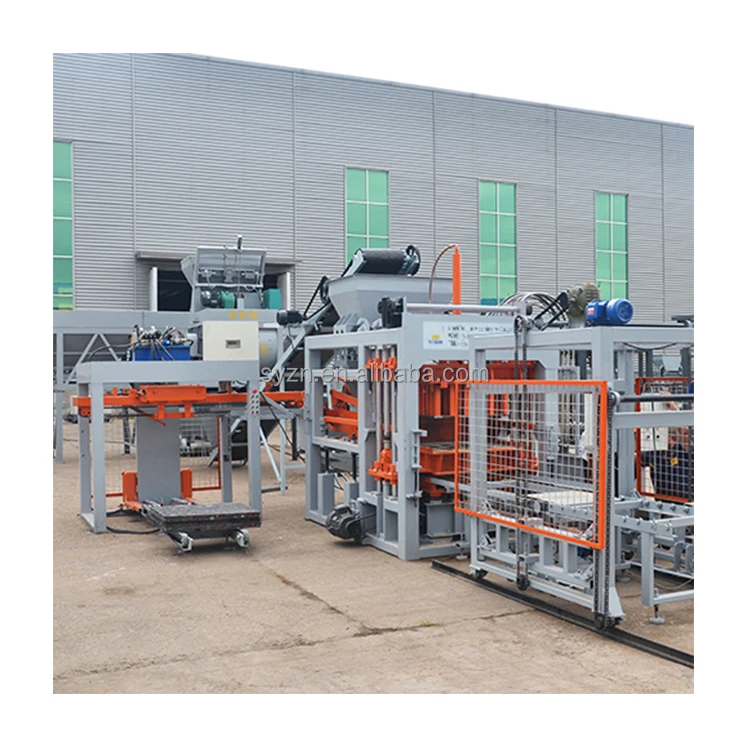
| Overall Dimensions (L×W×H) | 7400×1900×2660 mm |
| Molding Cycle | 15-25s |
| Vibration Frequency | 4600 r/min |
| Exciting Power (Vibration Force) | 40-50 kN |
| Total Power | 31.25 kW |
| Mixer Model | JQ350 |
| Pallet Size | 850×550×25 mm |
| Total Weight | 7 T |
| Control System | PLC control system |
| Automation Level | Automatic (pallet feeder, conveyor, sweeper included) |
| Output Capacity | 1200-1680 pcs/h (based on 400×200×200mm hollow block, 15-20s cycle) |
| Output Capacity | 1800-2400 pcs/h (based on 400×150×200mm hollow block, 15-20s cycle) |
| Output Capacity | 3240 pcs/h (based on 240×115×53mm solid brick, 15-20s cycle) |
| Daily Output (8hr) | 9600-13440 pcs (based on 400×200×200mm hollow block) |
| Daily Output (8hr) | 14400-19200 pcs (based on 400×150×200mm hollow block) |
| Daily Output (8hr) | 16200-19440 pcs (based on 240×115×53mm solid brick) |
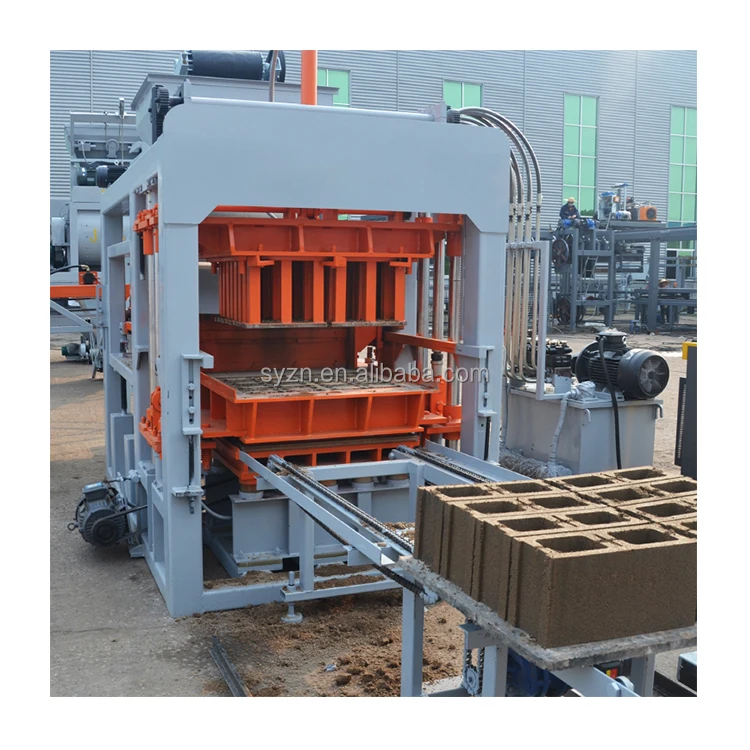
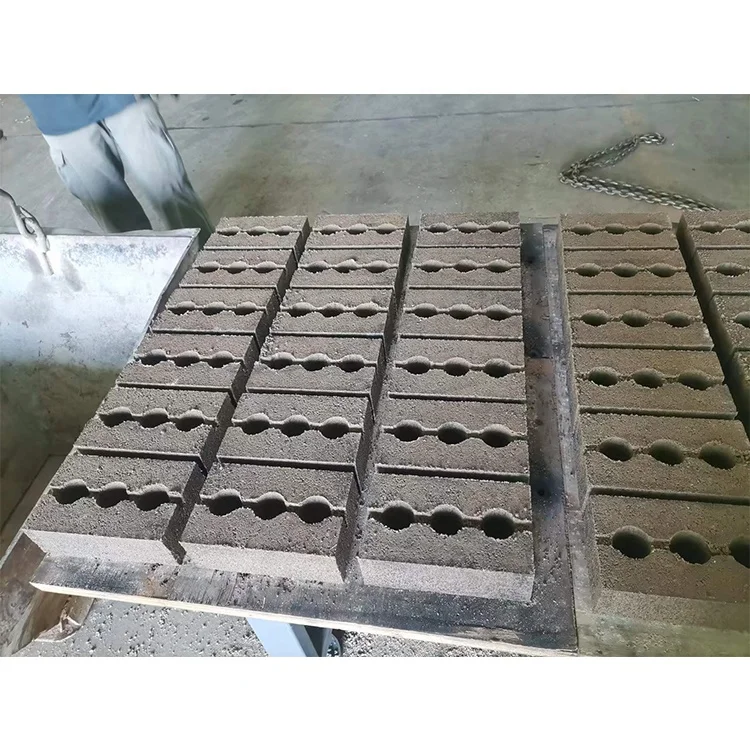
| Applied Products | Paver, solid block, hollow block, curbstone |
| Raw Materials | Crushed stones, sand, cement, dust, fly ash |
| Standards | CE |
Application Suitability
| Application | Material or Output |
|---|---|
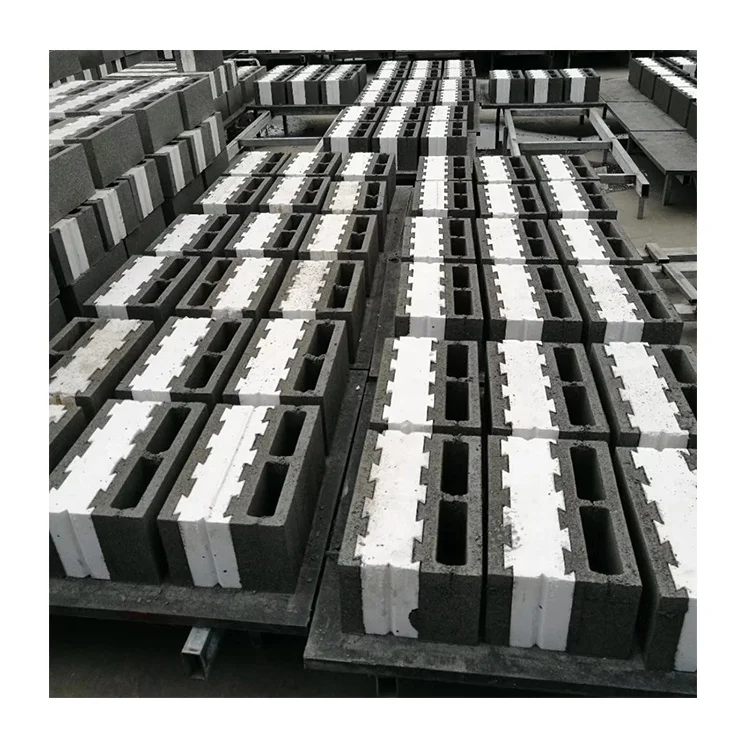
| Load-bearing wall construction | 400×200×200mm hollow blocks from crushed stone and cement |
| Partition and infill masonry | 400×150×200mm hollow blocks using fly ash and sand blends |
| Pavement and landscaping | Interlocking pavers with high-density vibration compaction |
| Road and boundary infrastructure | Curbstone formats from coarse aggregate mixes |
| Solid brick production | 240×115×53mm clay-format bricks from cement and dust |
Why the Voltage Question Must Precede the Shipping Date
A QT6-15 block machine in stock fast delivery means nothing if the motor burns out on a 60Hz grid it was never wound for.
I spent years flying to Middle East construction sites, and the most expensive delays never came from the machine itself — they came from the nameplate. I once released a unit to a Gulf project without reconfirming their local grid frequency. The motor overheated on the first day of production, and the contractor lost three weeks waiting for a rewind. Now every machine I sign off on gets its voltage and frequency checked against the site electrical spec before it ever touches the pallet. The QT6-15 automatic block machine is no exception. [NEED_CITE: voltage and frequency standards by export market]
Dispatch Timing and Container Loading Logistics
When a project deadline is fixed, the date the container leaves Linyi determines the date your crew starts laying block. This model is held in assembled, factory-tested condition, so the gap between payment clearance and container loading is measured in days. A 20GP container accommodates the dismantled host frame along with approximately 500 production pallets, keeping the complete production setup in a single shipment.
Matching the Pallet to Your Curing Yard
The 850×550×25mm pallet is the interface between the press and your curing area. Its dimensions dictate the forklift tine spacing, the curing rack slot width, and the floor space each block of wet product occupies. Confirming this size against your existing yard layout before dispatch avoids the situation where a machine arrives and the handling equipment on site cannot move its output. [NEED_CITE: pallet handling standards in concrete block plants]
Vibration Force, Hydraulic Pressure, and Block Density
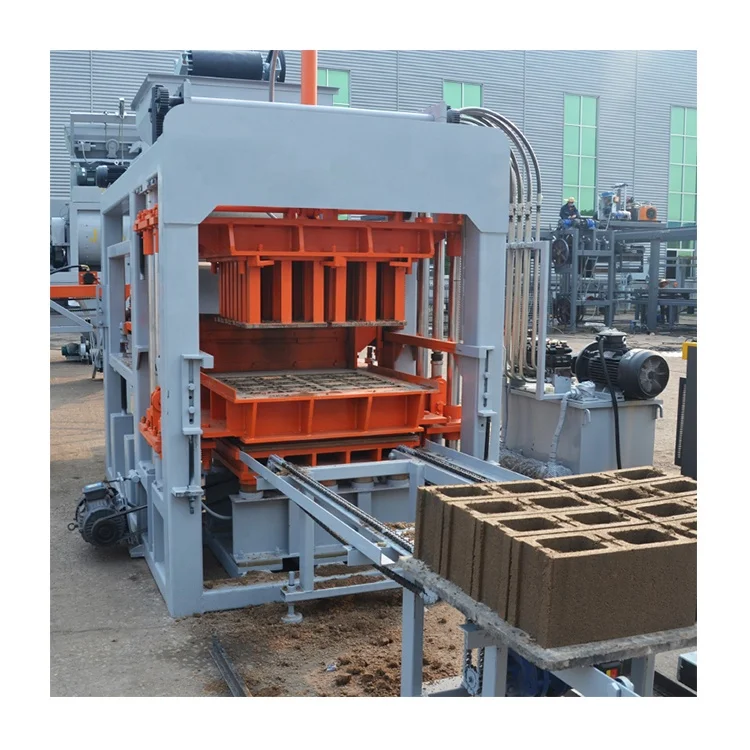
The 40-50 kN exciting power at 4600 r/min works together with the hydraulic station to compact the mix into a dense, consistent block. Vibration alone settles the aggregate; hydraulic pressure locks it under load while the cement begins its initial set. The 15-25s molding cycle reflects the time needed for this dual-action compaction across formats from hollow block to solid brick.
The Cost of Skipping Pre-Shipment Verification
When electrical specifications are assumed rather than confirmed, the machine arrives and sits idle while a replacement motor is sourced locally. When pallet size is chosen without regard to the curing racks already welded on site, blocks have to be stacked by hand until new racks are fabricated. These are not theoretical delays — they are the exact failure modes I have documented on commissioning visits. Every QT6-15 block machine in stock fast delivery release now goes through a pre-dispatch checklist that catches these mismatches before the container doors close. [NEED_CITE: common commissioning delays in block machine installations]
Why Buyers Source This Model Through Our Dispatch Channel
Block machinery is our single focus, so the host press, mould, pallet, and handling equipment leave the yard as one matched system. Each configuration is set against the buyer’s actual mix design and target block format rather than pulled from a catalogue default. Mould inventory covers the formats your local market sells, with custom drawings available for non-standard profiles. Automation level is selectable, allowing a buyer to start with the included pallet feeder and conveyor and add automatic stacking later. Dispatch lead time is confirmed at quotation stage, not buried in fine print.
Documentation & Verification
- Factory test record run on your target block format before dispatch
- Machine specification sheet with confirmed voltage and PLC language
- Pallet specification matched to your curing rack and forklift dimensions
- Hydraulic and electrical schematic for on-site maintenance reference
- Packing photographs showing dismantling and container loading state
- CE declaration and operation manual included with shipment
Installation, Commissioning & Support
- Foundation plan provided for the 7400×1900 mm machine footprint
- Power supply verified against the 31.25 kW total load before energization
- Host frame reassembled on site with alignment checked against pallet track
- PLC display language and control parameters set to operator preference
- Operator training covers mould change procedure and daily maintenance cycle
- Wear parts and mould list supplied for first replacement planning
What to Include in Your Dispatch Inquiry
To lock in a confirmed loading date, share your target block formats, daily output requirement, and the raw materials available at your site. Specify your local voltage, frequency, and preferred PLC display language so these are set before the machine leaves the factory. If you have existing curing racks or forklifts, send their dimensions so the pallet and handling configuration can be verified against them.
Frequently Asked Questions
Q: What is the dispatch lead time for a stocked QT6-15?
A: Stocked units are factory-tested and ready for container loading once payment clears and pre-shipment verification is complete. The typical window from confirmation to gate-out is significantly shorter than a made-to-order production run. Your quotation will state the exact loading date.
Q: How is the QT6-15 loaded into a 20GP container?
A: The host frame is dismantled to fit within standard container dimensions, loaded alongside the hydraulic station, PLC cabinet, and approximately 500 production pallets. Packing photographs document the loading state, and reassembly instructions are included for your on-site team.
Q: Can voltage and PLC language be confirmed before the machine ships?
A: Yes, and this is a mandatory step in our dispatch process. The motor nameplate, transformer configuration, and PLC display language are verified against your site electrical specification and operator preference before the machine is released to the container.
Q: Which mould formats are available from stock?
A: Standard stock covers the hollow block, solid brick, and paver formats listed in the capacity table. Custom moulds for non-standard profiles are produced to buyer drawings with a separate lead time quoted at inquiry stage.
Q: What commissioning support comes with the machine?
A: On-site installation guidance covers frame reassembly, power connection verification, and first-run parameter setting. Operator training addresses the PLC interface, mould change sequence, and daily maintenance points specific to this model’s hydraulic and vibration systems.