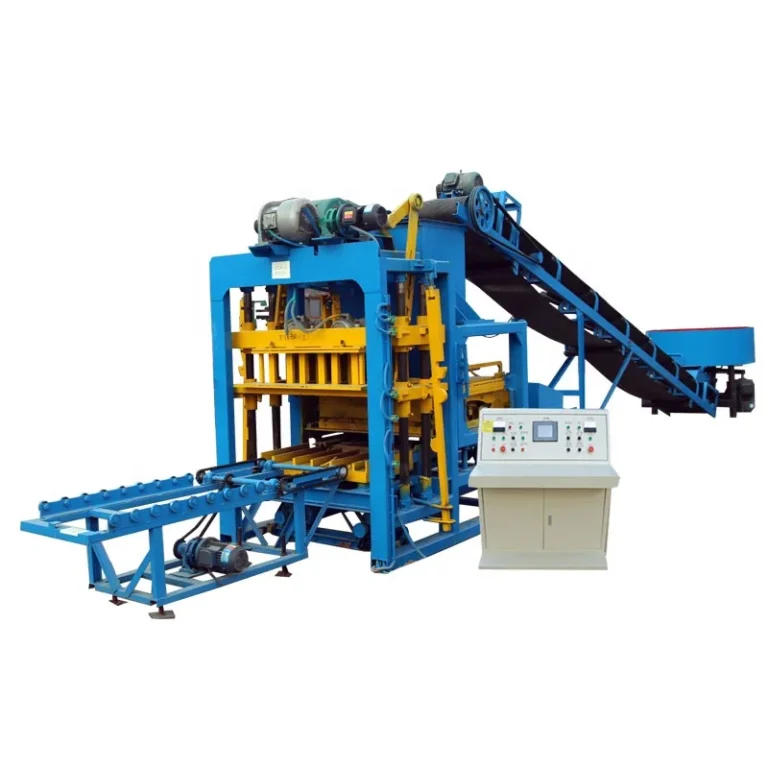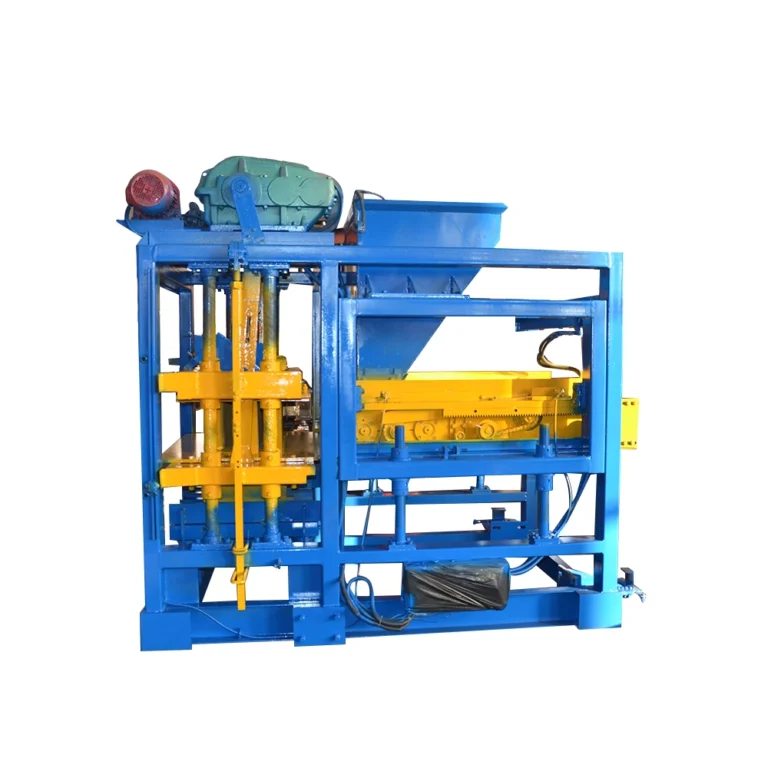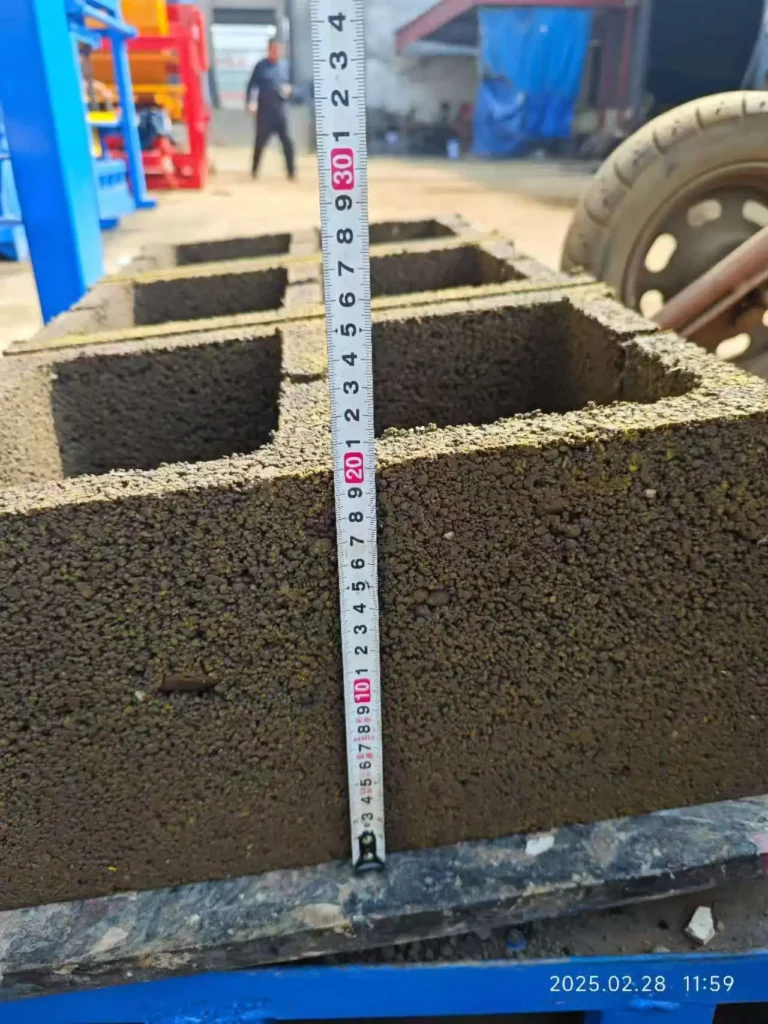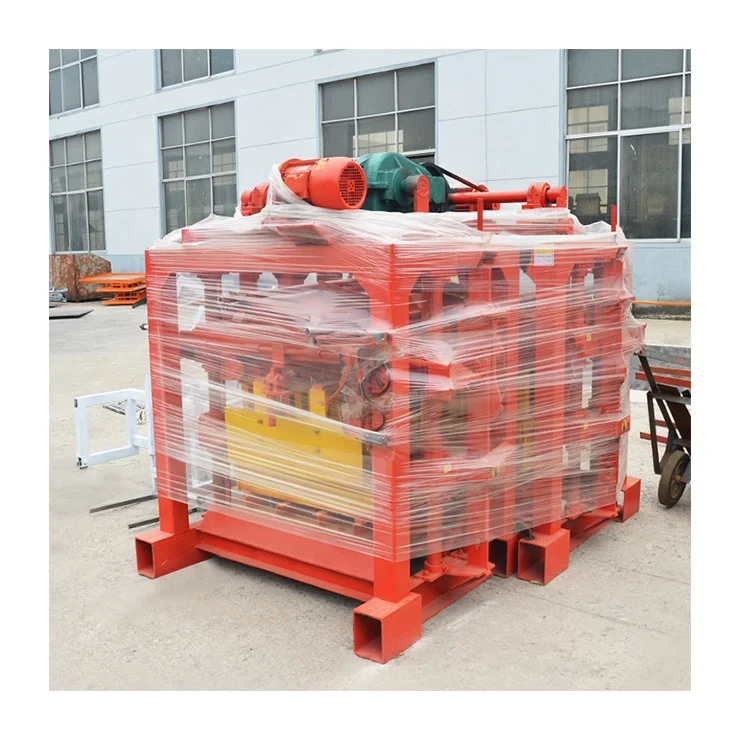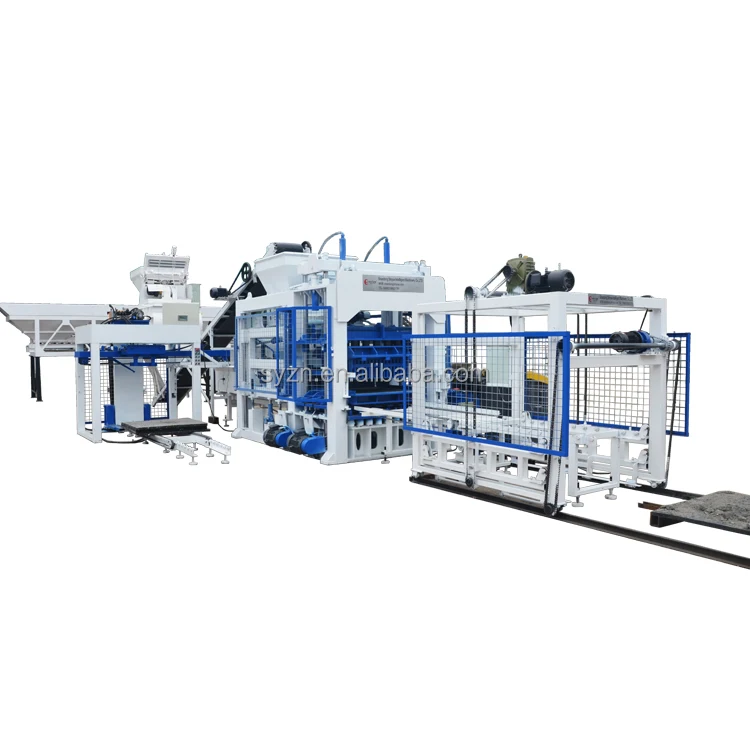
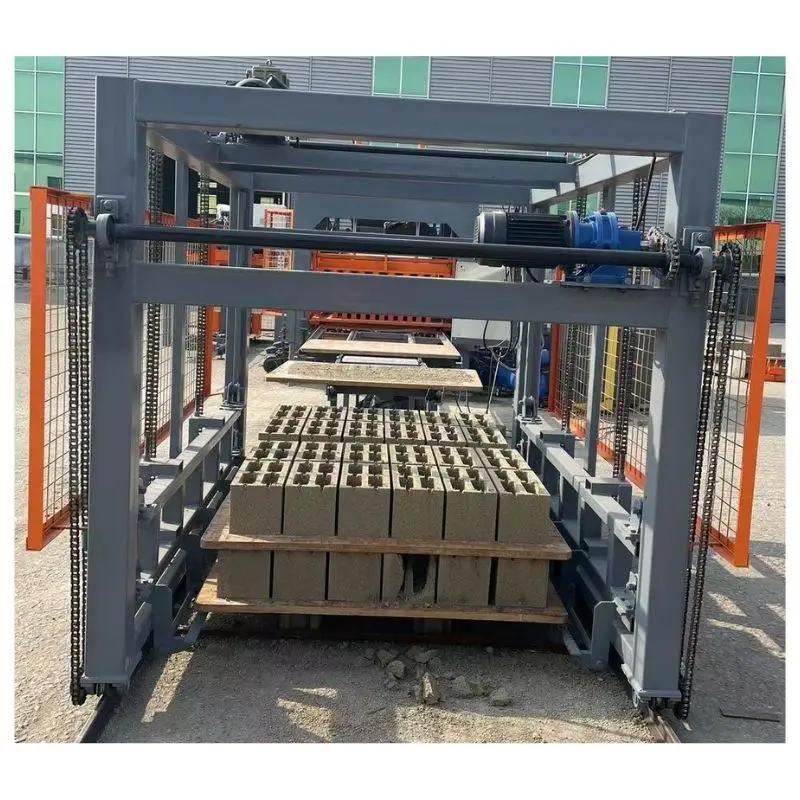
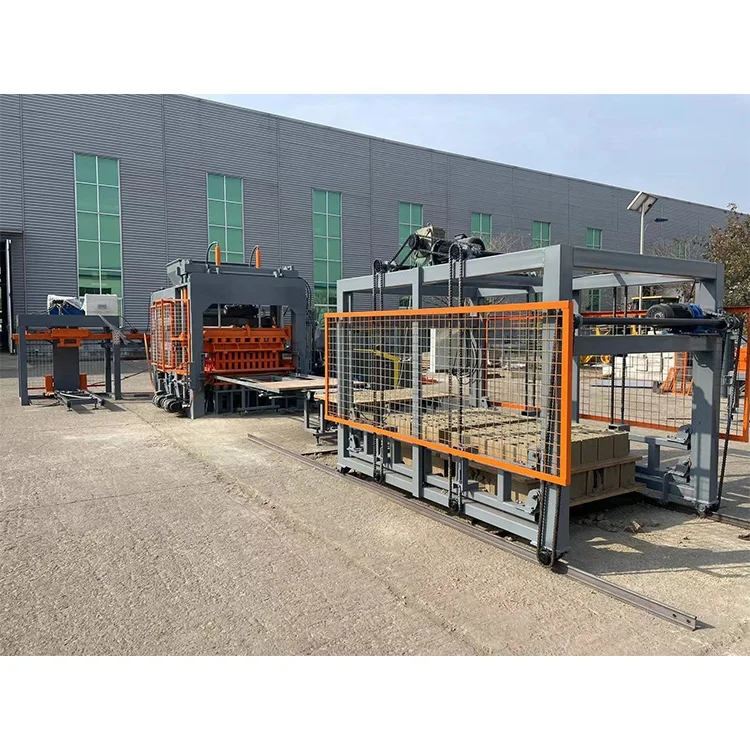
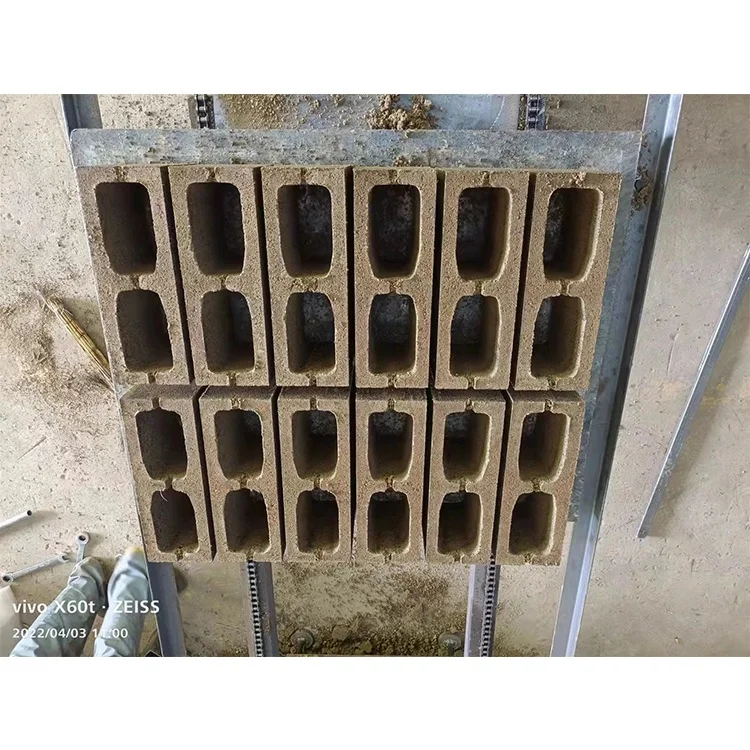
Description
Configuration set against the buyer’s actual mix design — QT10-15 stock units ship with vibration and pressure parameters ready for on-site recalibration once your local aggregate is confirmed.
Technical Specifications
| Parameter | Value |
|---|---|
| Model | QT10-15 |
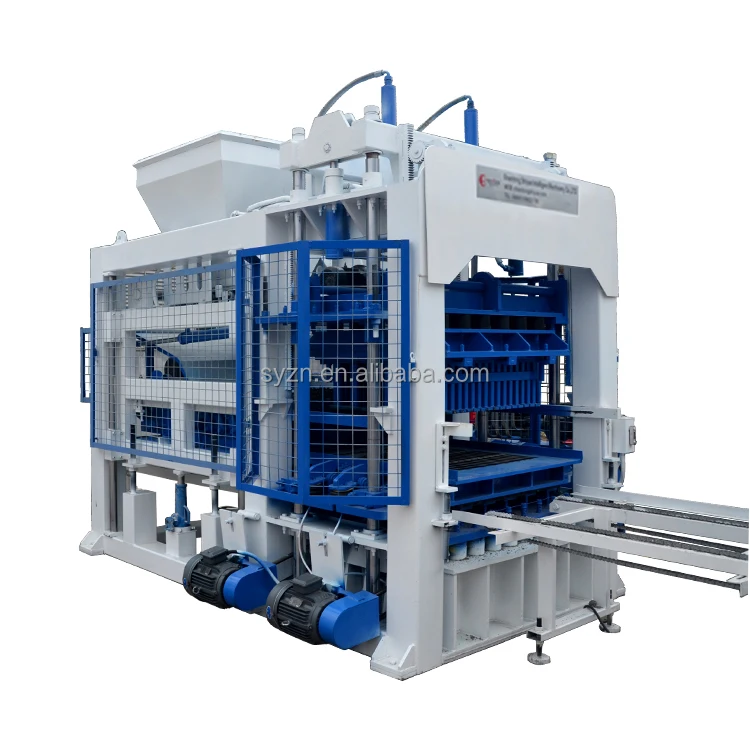
| Product Type | Stationary Automatic Block Making Machine |
| Vibration Acceleration | 20g |
| Vibration System | Dynamic and static table with frequency conversion, four-axis vibration |
| Motor Drive | Motor drive with frequency conversion control |
| Feeding System | Press-in arch breaker, 360° rotation for material distribution |
| Cloth Platform | Replaceable wear-resistant plate |
| Vibration Damping | Flexible vibration reduction of pressure head, adjustable pressure air bag in mold box |
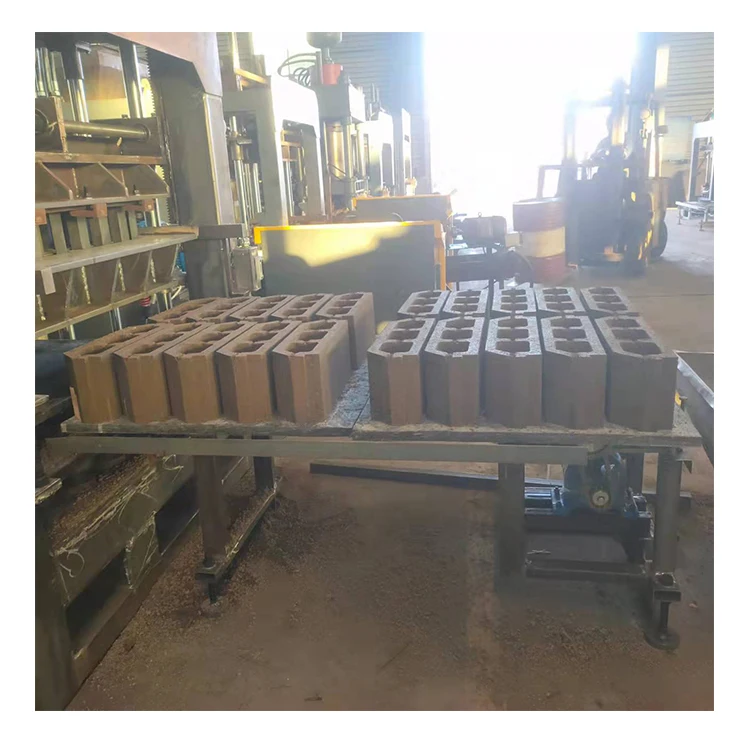
| Mould Compatibility | Hollow blocks, interlock bricks, porous bricks, pavement bricks, slope protection bricks |
| Automation Level | Full automatic |
| Technology Reference | European technology, Industry 4.0 upgraded |
| Output Capacity | basis not stated in source — confirm block format, material, and thickness |
| Cycle Time | basis not stated in source — confirm block format |
| Hydraulic Pressure | basis not stated in source |
| Pallet Size | basis not stated in source |
| Voltage & Frequency | basis not stated in source |
| Control System | basis not stated in source — confirm PLC brand and language |
| Key Features | Full automatic operation, frequency conversion vibration control, multi-format mould compatibility, 360° material feeding distribution |
Application Suitability
| Application | Material or Output |
|---|---|
| Hollow wall block production | Crushed stone, cement, sand, and fly ash mixes |
| Interlock brick manufacturing | Graded aggregate with cement binder for pavement and landscaping |
| Porous brick production | Lightweight aggregate blends for permeable urban drainage surfaces |
| Pavement brick manufacturing | High-density concrete mixes for pedestrian and light-traffic areas |
| Slope protection brick production | Coarse aggregate and cement for erosion control on embankments |
Why "In Stock" Only Matters If the Dispatch Timeline Is Honest
A QT10-15 block machine in stock means nothing if the mould and pallet configuration still need weeks of custom work before the container leaves the yard.
I have watched buyers celebrate a quick purchase order, only to find that the stocked press was paired with a mould set for a block format their market does not sell. The machine sat in a port warehouse while replacement tooling was fabricated back at the factory. When you are searching for a stationary block machine fast delivery, the real question is whether the complete package — press, mould, pallets, and handling equipment — can actually ship together [NEED_CITE: typical block machine dispatch dependencies across press, mould, and pallet availability].
The QT10-15 stationary block machine fast delivery promise only holds when every line item on the packing list is confirmed against your block format, local aggregate, and site voltage before the machine is crated.
Dispatch Readiness Beyond the Press Itself
A stocked QT10-15 block machine in stock represents the hydraulic press and its frame, but the production line requires mould boxes matched to your target format, pallets sized for your curing yard, and feeding systems calibrated for your raw material particle size. We confirm each of these line items before quoting a dispatch date, because a press without matched tooling is a capital expense sitting idle on a factory floor.
Container Loading and Machine Dismantling for Shipment
The QT10-15 ships in dismantled form across standard containers, with the main frame, vibration table, hydraulic station, and mould assemblies packed separately to prevent transit damage. The loading plan accounts for the sequence of on-site reassembly — the heaviest and most structurally critical components go in first so that installation crews can begin bolting down the frame before the lighter sub-assemblies arrive. This sequencing avoids the common problem of a half-built machine waiting for a container still at sea [NEED_CITE: container loading sequence standards for heavy industrial machinery].
What the Arrival Estimate Actually Covers
When we quote an arrival estimate for the QT10-15 block machine in stock, that figure runs from the dispatch confirmation through ocean transit to port of destination. It does not cover customs clearance delays or inland transport to your site. We provide the HS code, packing photographs, and customs documentation so your freight forwarder can begin pre-clearance while the vessel is still in transit, reducing the gap between port arrival and gate delivery.
Understanding the Four-Axis Vibration System
The QT10-15 uses a dynamic and static table configuration with four-axis vibration at up to 20g acceleration. In a stationary block press, vibration force and hydraulic pressure must work together — vibration settles the concrete mix into the mould cavity while hydraulic pressure compacts it from above. If the vibration frequency is too low for a stiff, low-slump mix, the block emerges with voids and weak edges. If the pressure is too high relative to the vibration, the mix is crushed rather than compacted, reducing surface finish quality. The frequency conversion control on this machine allows the operator to adjust vibration intensity from the PLC, meaning the same press can handle a porous brick mix with lightweight aggregate and a dense pavement brick mix with crushed granite — provided the operator understands how to read the block coming off the pallet and adjust accordingly. The 360° press-in arch breaker in the feeding system ensures that dry, cohesive mixes do not bridge in the hopper, which is a frequent cause of underfilled moulds and inconsistent block weight across a single production cycle.
The Cost of Ignoring Pallet and Curing Yard Compatibility
Buyers who specify a QT10-15 without confirming pallet size against their existing curing racks and forklifts discover the mismatch when the first production run arrives at the curing area. Pallets that are too wide for the rack slots mean blocks must be restacked by hand. Pallets made from a material incompatible with the local climate — bamboo in a humid zone where they warp within weeks, or steel in a coastal salt-air environment where corrosion pits the surface — create reject blocks with uneven bases [NEED_CITE: pallet material degradation rates in tropical and coastal block production environments]. The pallet specification must be locked before the machine ships, not negotiated after it arrives.
What Makes a Stock Purchase Actually Deliver
The QT10-15 configuration is verified against your target block format before the quotation is issued, not after. The mould set, pallet type, and automation level are confirmed as a matched system. The voltage, frequency, and PLC display language are locked to your country’s electrical standard and your operator’s language. Factory testing runs your specified mould with a reference mix to confirm cycle behaviour before crating. Packing photographs document every component so you can cross-check against the bill of lading at the port. Customs documentation is prepared in parallel with production so the shipping window is not delayed by paperwork.
Documentation & Verification
- Factory test record running your specified mould format with reference mix before dispatch
- Line layout drawing showing press, feeding, pallet return, and stacking station positions
- Mould drawing set with dimensional tolerances for each block format ordered
- Voltage and PLC display language confirmation sheet signed before production
- Hydraulic and electrical schematic for on-site troubleshooting and local electrician reference
- Packing photographs and customs documentation prepared before container loading
Installation, Commissioning & Support
- Foundation plan specifies load-bearing requirements for the QT10-15 vibration table and hydraulic station footprint
- Dedicated power circuit sized for the frequency conversion motor drive and control panel draw
- Machine arrives dismantled; on-site reassembly follows the documented container loading sequence
- First-run commissioning includes vibration frequency and hydraulic pressure adjustment to your local mix
- Operator training covers PLC interface navigation, mould change procedure, and daily lubrication schedule
- Wear parts list identifies replaceable cloth platform plates, vibration springs, and hydraulic seals
What We Need to Confirm Before Shipping
To match the QT10-15 to your site, provide your target block formats with dimensions, your local aggregate type and particle size range, your site voltage and frequency, and your preferred PLC display language. If you have existing curing racks or forklifts, share the pallet dimensions they accept so we can confirm compatibility before the order is placed.
Frequently Asked Questions
Q: How quickly can a stocked QT10-15 ship after order confirmation?
A: Dispatch timing depends on how much configuration work is required. If the mould set, pallet type, and voltage match existing stock, the machine can ship within a short lead time. If custom moulds or specific pallet materials are needed, fabrication adds to the timeline. We quote the dispatch date only after all line items are confirmed.
Q: What happens if my local aggregate differs from the factory test mix?
A: The frequency conversion vibration system on the QT10-15 allows on-site adjustment of vibration intensity and cycle parameters. We provide the baseline settings from factory testing and guide your operator through recalibration during commissioning so the machine produces consistent blocks with your actual raw materials.
Q: Can I add automation stages after the initial purchase?
A: The QT10-15 is a full automatic machine, but supporting equipment such as automatic stacking and cubing can be specified at purchase or added later. Confirming the upgrade path before ordering ensures the press control system and pallet handling layout leave room for future expansion without major rework.
Q: Which block formats can one QT10-15 produce?
A: The press accepts moulds for hollow blocks, interlock bricks, porous bricks, pavement bricks, and slope protection bricks. The realistic output per shift depends on the specific block format and dimensions you choose. We provide a capacity calculation for each format based on the cycle time of that particular mould.