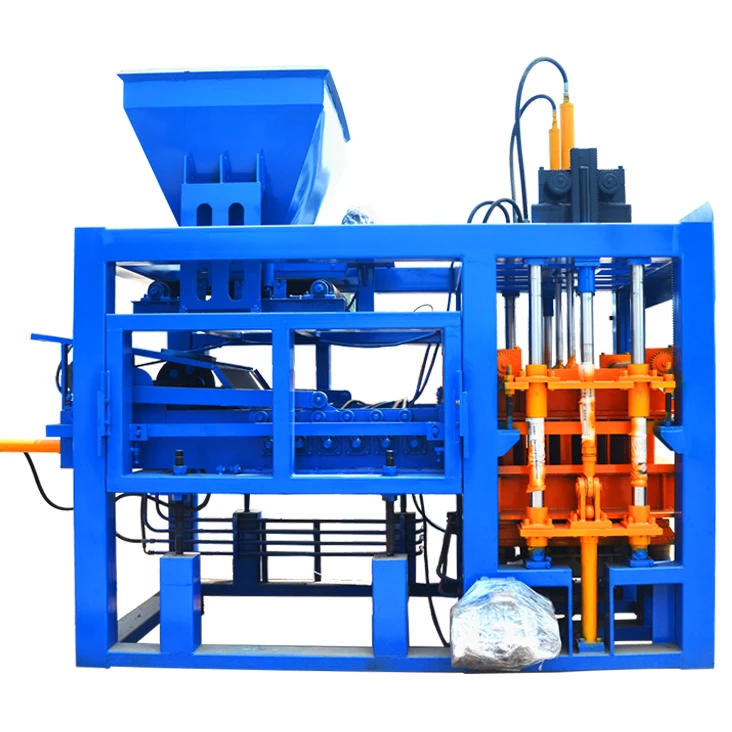


Description
Matching the Machine to the Deadline — QT8-15 units held in stock with standard moulds, so dispatch scheduling starts from today’s date rather than a production queue, keeping your project timeline intact.
Technical Specifications
| Parameter | Value |
|---|---|
| Model | QT8-15 |
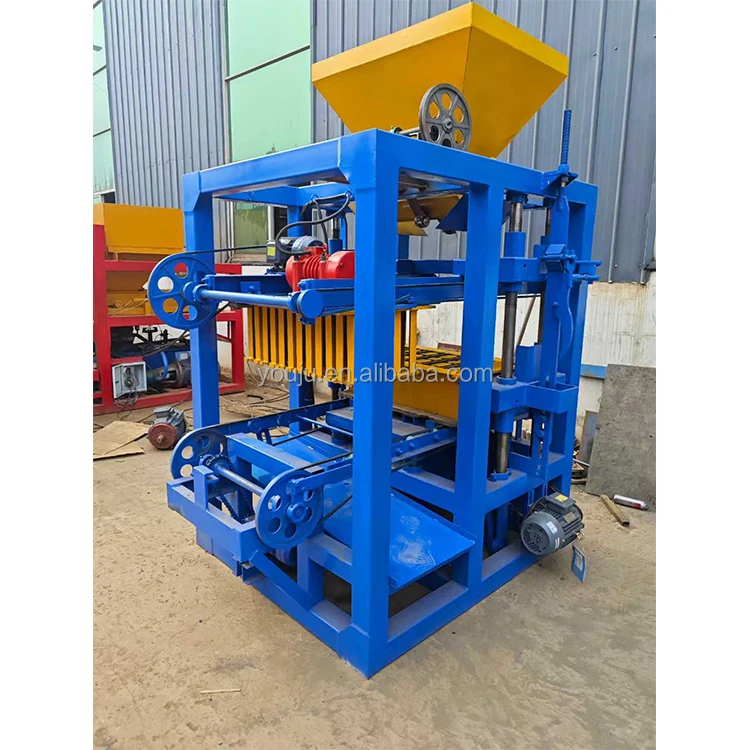
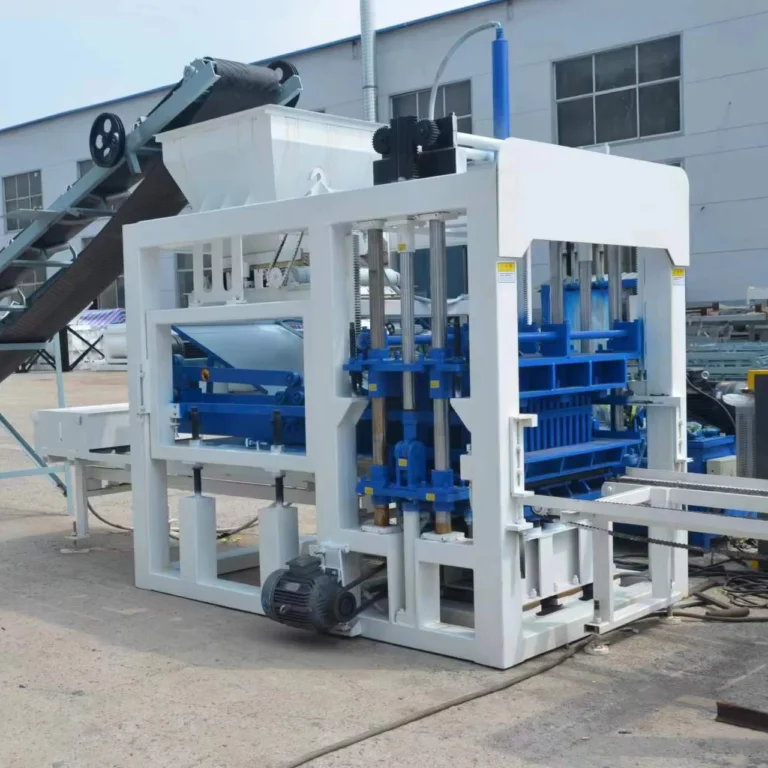
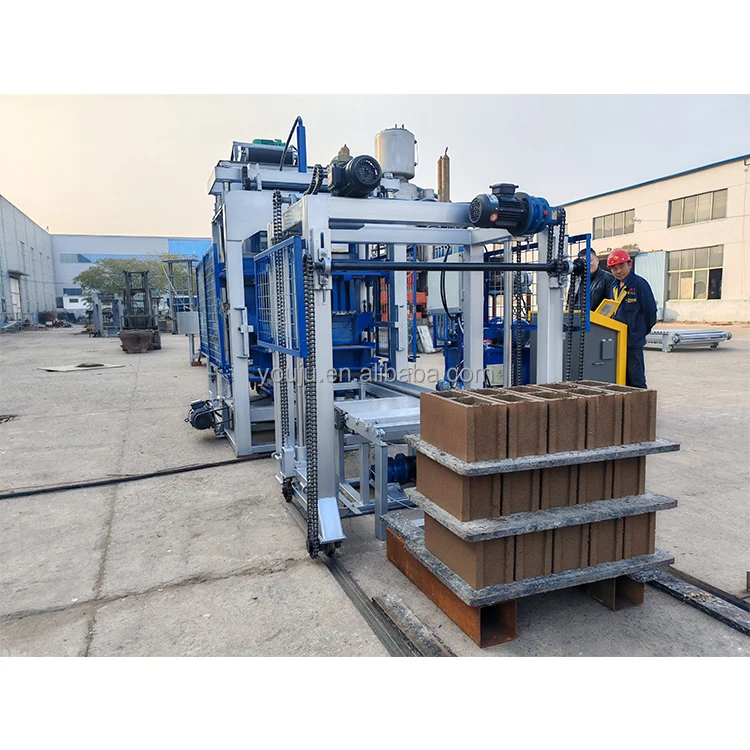
| Product Type | Automatic Stationary Concrete Block Making Machine |
| Overall Dimensions (L×W×H) | 8400×1700×2950 mm |
| Overall Power | 37 kW |
| Molding Cycle | 15–25 s (basis not stated in source — confirm block format, material, thickness) |
| Vibration Frequency | 2800–4500 r/min |
| Main Vibration Form | Platform Vibration |
| Machine Weight | 10000 kg |
| Voltage | Customized to buyer’s local voltage standard |
| Pallet Size | 950×900 mm |
| Factory Area Required | 600 m² |
| Control System | Computer-based with fault diagnosis and long-distance control capability |
| Material Feeding System | Dedicated storage and distribution system for feeding accuracy |
| Automation Level | Automatic |
| Assembly State | Stationary |
Application Suitability
| Application | Material or Output |
|---|---|
| Hollow and solid concrete block production | Crushed stone, cement, sand, and aggregate mixes for building construction |
| Paving block and interlocking brick production | Fine aggregate and pigment blends for roads and landscape surfaces |
| Curbstone production for infrastructure | Dense concrete mixes with coarse aggregate for load-bearing kerbs |
| Colored paver production | Cement with oxide pigments and graded sand for decorative finishes |
Why the Voltage Question Should Come Before the Price on a QT8-15 Block Machine Fast Delivery in Stock
A machine that cannot be powered on arrival is not delivered — it is stored at your cost.
I once dispatched a fully automatic stationary block machine to a West African job site without confirming the local frequency standard. The machine was wired for 50 Hz; the site ran on 60 Hz. The motor overheated within hours, and the contractor waited weeks for a replacement control panel to arrive by air freight. That delay cascaded into the entire building schedule [NEED_CITE: voltage and frequency standards by export market]. When buyers focus on securing a QT8-15 block machine fast delivery in stock, the electrical specification sometimes gets treated as a detail to sort out later. It is not a detail — it is the difference between commissioning on day one and sitting idle while the project clock runs.
Dispatch Lead Time and What "In Stock" Actually Covers
When we list a QT8-15 as available for rapid dispatch, that covers the main press, hydraulic station, and control cabinet. Standard moulds — typically the hollow block and solid block formats most markets require — are also held on the shelf. Buyers working to a construction deadline can lock in a shipping date before the container is even booked, because the lead time calculation starts from an existing machine rather than a production slot. This is the core advantage of pursuing a QT8-15 block machine fast delivery in stock: the schedule is measured in days to port, not weeks on the assembly floor.
Container Loading and the Dismantling Reality
A stationary block machine of this size — 8400 mm in length and over 10 tonnes — does not roll into a container whole. The main frame, hydraulic system, and feeder assembly are separated into manageable sections for flat-rack or open-top container loading. Pallets and moulds are bundled and secured alongside. Every shipment leaves with packing photographs and a container loading plan so the buyer can verify the loading sequence before the doors close. Knowing the dismantling and reassembly scope upfront prevents surprises when the machine arrives and the installation crew needs to know which bolts go where.
Reading the Specs That Determine Site Readiness
The 37 kW overall power rating tells the buyer exactly what transformer capacity must be in place before the machine is energized. A site running other heavy equipment alongside the block line must account for simultaneous draw [NEED_CITE: industrial power distribution planning for block plants]. The 950×900 mm pallet size is the dimension that governs the curing yard layout — every curing rack, forklift tine spacing, and stacking pattern must accommodate that footprint. The vibration frequency range of 2800–4500 r/min, combined with platform vibration, determines how densely the concrete is compacted in the mould; different aggregate gradings respond differently across that range, which is why trial runs with the buyer’s actual mix matter. The 600 m² factory area requirement gives a fast answer to whether the existing plot can host the press, raw material storage, and curing space together.
The Cost of Skipping the Pallet and Voltage Conversation
When a quotation lists the press alone without confirming pallet material, pallet handling equipment, or the curing rack system, the buyer discovers at commissioning that finished blocks must be moved by hand. That was never the plan, and the labour cost was never in the budget. Similarly, when voltage and PLC display language are left unconfirmed, the machine arrives and the electrician cannot read the fault codes. The QT8-15 block machine fast delivery in stock loses its value entirely if the supporting specifications are settled after the container sails [NEED_CITE: common commissioning delays in exported block machinery].
Why Procurement Here Reduces Arrival Risk
Block machinery is our single production focus, which means the press, mould, pallet, and handling equipment are specified as one matched system rather than sourced from separate vendors. The configuration is set against the buyer’s actual mix design and local aggregate, not a catalogue default. Moulds for the formats the buyer’s market actually sells are designed and supplied together, including custom drawings where needed. Before dispatch, every unit goes through a factory test on the buyer’s target block format, and the test record ships with the documentation package. Installation support covers on-site assembly, commissioning, and operator training so the crew is productive from the first production day.
Documentation & Verification
- Factory test record run on your specified block format before the machine leaves the floor
- Voltage, frequency, and PLC display language confirmation sheet signed before dispatch
- Container loading plan with packing photographs showing securing and bracing details
- Machine specification sheet with mould drawing and format list for customs clearance
- Hydraulic and electrical schematic matching the as-built configuration
- Operation and maintenance manual with wear parts and mould replacement intervals
Installation, Commissioning & Support
- Foundation pad must support 10000 kg machine weight plus dynamic vibration loads across the 8400 mm frame length
- Dedicated 37 kW power circuit with voltage and frequency matching the confirmed specification sheet
- Main frame, hydraulic station, and feeder arrive dismantled — assembly sequence follows the packing photograph guide
- Computer-based control system commissioned on-site with fault diagnosis parameters set to the buyer’s mix
- Operator training covers mould change procedure, vibration frequency adjustment, and daily maintenance checkpoints
- Wear parts list and mould inventory provided at handover for the first replacement cycle
What to Share When Requesting a Shipping Schedule
Tell us the block formats your market moves — hollow, solid, paver, interlocking, or curbstone — along with your target daily output so we can confirm which standard moulds ship with the press. Provide your local voltage, frequency, and preferred PLC display language so the electrical package is locked before the container is booked. If you have an existing curing yard or forklift fleet, share the pallet dimensions and rack spacing so the 950×900 mm pallet compatibility is verified in advance.
Frequently Asked Questions
Q: Is the QT8-15 currently held in stock, and what is the standard dispatch window?
A: QT8-15 units are maintained in stock along with standard hollow and solid block moulds. Once the buyer confirms voltage, frequency, and PLC language, the machine is prepared for container loading. Dispatch lead time is measured from the confirmation date, and an arrival estimate at the destination port is quoted before the container is booked.
Q: How many containers does a complete QT8-15 shipment require?
A: The main press frame, hydraulic station, feeder assembly, pallets, and moulds are separated for container loading. The exact container count depends on the pallet quantity and supplementary equipment ordered. A detailed loading plan is provided before dispatch so the buyer can arrange port-side logistics accordingly.
Q: When must the destination voltage and frequency be confirmed?
A: Voltage and frequency must be confirmed before the electrical package is finalized and the control cabinet is wired. This step is completed during the order confirmation stage, well before production or container loading begins, so there is no delay to the dispatch schedule once the specification is locked.
Q: What is the typical transit time from dispatch to the destination port?
A: Transit time depends on the destination port and shipping route. An arrival estimate is provided upfront alongside the dispatch date so the buyer can plan site preparation, foundation work, and crew scheduling around a known delivery window rather than an uncertain one.
Q: Which standard moulds ship with the QT8-15, and are additional formats available from stock?
A: Standard hollow block and solid block moulds are typically held in stock alongside the machine. Additional formats such as pavers, interlocking bricks, and curbstones may also be available for simultaneous shipment. Buyers should specify their required formats at inquiry so availability can be confirmed before the order is finalized.