

Guía de Piezas de Repuesto para Máquinas de Bloques: Qué Almacenar y Dónde Surtir desde China
La mayoría de los operadores descubren el verdadero costo de una pieza de repuesto faltante solo después de que un solo sello hidráulico detiene la producción durante dos semanas. La pieza en sí cuesta USD 12, pero el envío exprés por aire para transportarla de China a Lagos cuesta USD 85, y 14 días de mano de obra inactiva y pérdida de producción eliminan aproximadamente USD 3,600 en ingresos. Un inventario proactivo de piezas de repuesto equivalente a solo el 5–8 % de la inversión total en maquinaria previene más del 90 % de estos escenarios de emergencia. Almacenar las piezas de repuesto adecuadas para las máquinas de bloques minimiza el tiempo de inactividad no planificado en hasta un 70 %, y obtenerlas directamente de fabricantes OEM chinos — en lugar de a través de comerciantes de terceros — reduce los costos de adquisición en un 30–50 % mientras se asegura una compatibilidad exacta. La clave es saber exactamente qué piezas mantener a mano, cuántas unidades reordenar y cómo verificar que cada componente cumpla con las especificaciones originales de material. En mis años coordinando envíos de equipos a más de 108 países, he observado que se repite el mismo patrón: un comprador en Accra o Tashkent pide una línea completamente automática, la opera a toda máquina durante seis meses y luego busca desesperadamente un rodamiento de motor de vibración que ningún distribuidor local tiene. Los operadores que preordenan un kit de piezas de repuesto para el primer año que cubre componentes críticos, consumibles y de nivel de seguro reducen el gasto en transporte de emergencia en un promedio del 62 % durante 24 meses.[^1] La solución es simple una vez que ves el marco — y los ahorros son inmediatos. Déjame guiarte a través del sistema de clasificación exacto, los rangos de presupuesto y la lista de verificación de evaluación de proveedores que utilizamos con nuestros propios clientes internacionales.
¿Qué piezas de repuesto deberías mantener siempre en stock?
Categorizar cada componente en tres niveles — Crítico, Consumible e Seguro — evita que pidas en exceso artículos de bajo riesgo mientras garantiza que no haya faltantes en piezas críticas para la producción. El marco funciona ya sea que operes una línea semiautomática https://www.freightos.com/freight-index/{{ZKF_2}}.-25 o un sistema europeo completamente automático {{ZKF_5}}-15 con suspensión de bolsa de aire y cuatro motores de vibración.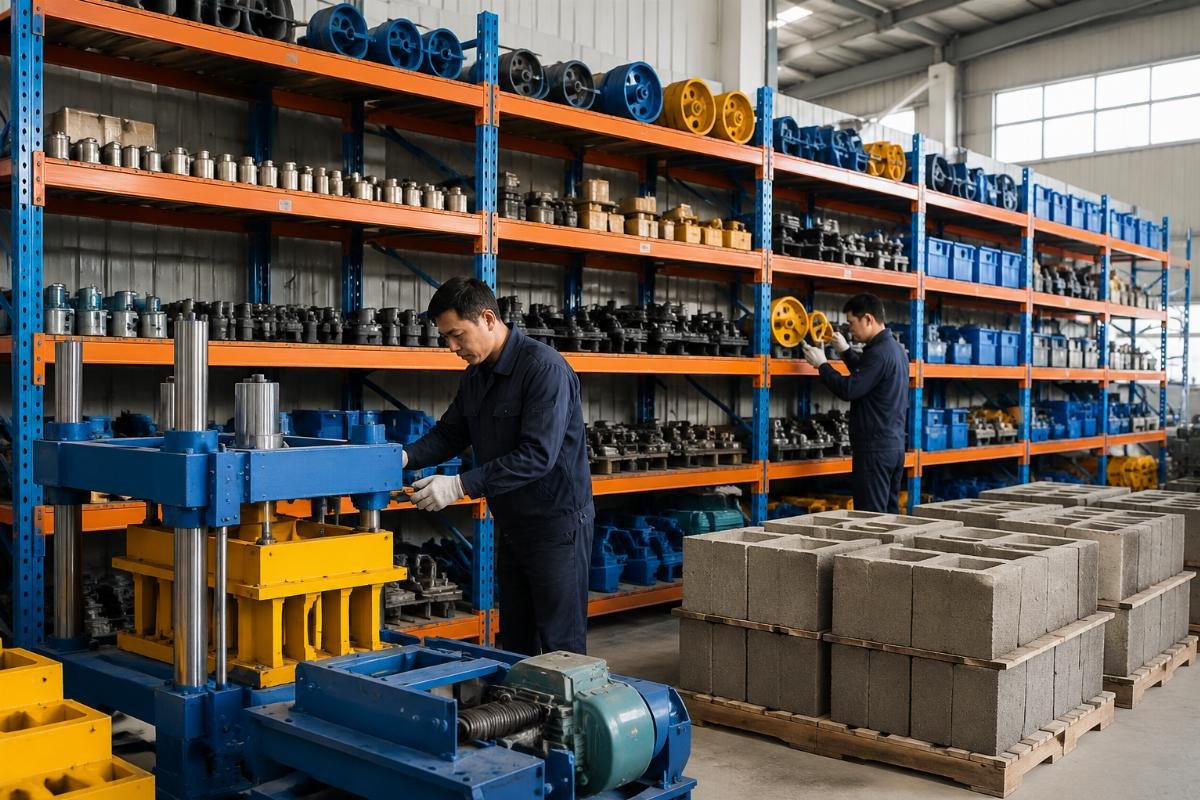
Un productor de tamaño mediano en Uzbekistán actualizó de tres máquinas semiautomáticas más antiguas a una línea totalmente automática https://www.freightos.com/freight-index/{{ZKF_2}}.-15 con un sistema de bolsa de aire de estilo europeo y una configuración de cuatro motores de vibración. Necesitaban estandarizar las piezas de repuesto entre el equipo viejo y el nuevo. Construimos un plan de inventario centralizado que cubre más de 45 {{ZKF_5}} — incluyendo componentes de bolsa de aire, rodamientos de motores de vibración especializados, módulos PLC y sellos de bombas hidráulicas. La adquisición directa de nuestra fábrica de 46,000 m² con más de 320 ingenieros redujo los costos por unidad de pieza en un 35 % en comparación con su anterior adquisición a terceros, y un envío consolidado en contenedor FOB Qingdao les ahorró USD 2,180 solo en logística. Consolidar pedidos de piezas de repuesto con envíos de máquinas o pedidos por lotes trimestrales a través de transporte marítimo reduce los costos logísticos por unidad en hasta un 60 % en comparación con el servicio de mensajería aérea de emergencia.[^3] La solución es simple una vez que ves el marco — y los ahorros son inmediatos.
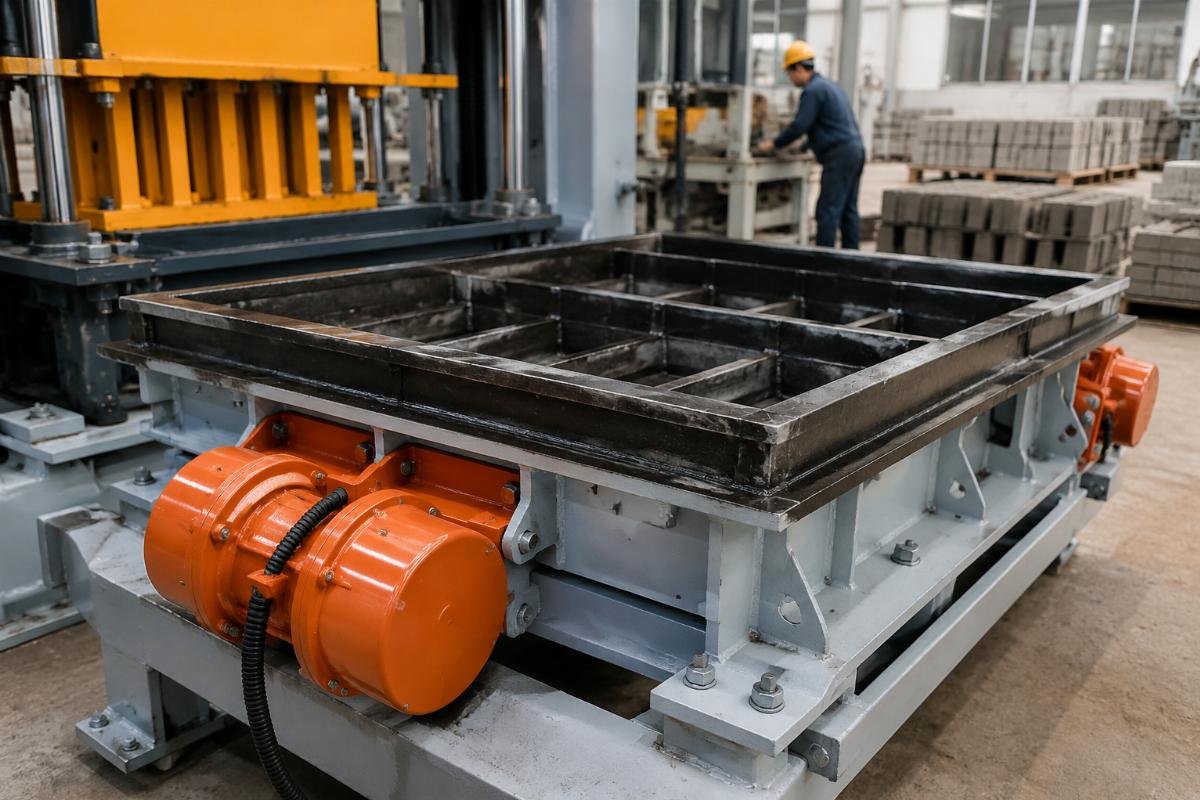
Auditoría de Nivel Crítico – Enumere cada componente cuya falla detiene toda la línea de producción; ordene un mínimo de 2 unidades de cada uno.
Cálculo de la Tasa de Consumibles – Divida la producción mensual del bloque por la vida útil nominal del molde en ciclos; añada un margen de seguridad del 15 %.
Verificación del Tiempo de Entrega del Seguro – Identifique cualquier parte con un tiempo de fabricación que exceda los 20 días; realice un pedido de reserva de inmediato.
Verificación de Especificaciones de Material – Se requieren certificados de prueba del proveedor para acero manganeso endurecido (HRC 52–58) en todos los componentes de moldes y raspadores.
Disparador de Reorden Trimestral – Establezca puntos de reorden al 30 % del nivel máximo de stock para consumibles; automatice con una hoja de cálculo simple.
¿Cuánto debería presupuestar para un inventario de repuestos del primer año?
Un presupuesto de piezas de repuesto bien planificado del 5 al 8 % de la inversión total en maquinaria previene el 90 % de los escenarios de emergencia — y las matemáticas siempre favorecen el almacenamiento proactivo sobre la compra de pánico reactiva. La cifra exacta depende de la categoría de su máquina, las horas de turno diarias y la accesibilidad del transporte local.
Un pequeño inversor de startups en Nigeria compró una línea semiautomática https://www.freightos.com/freight-index/{{ZKF_2}}.-25 con una inversión total de aproximadamente USD 15,000. Se saltaron el kit de inicio de piezas de repuesto para ahorrar USD 900 por adelantado. Ocho meses después, falló un motor vibrador. El motor de reemplazo costó USD 180, pero el envío exprés de DHL a Lagos fue de USD 145, y la parada de producción de 12 días costó aproximadamente USD 3,600 en ingresos de bloques perdidos. Costo reactivo total: USD 3,925. Un kit proactivo del primer año que cubriera motores vibradores, cajas de moldes, rodillos de alimentación de palets y sellos hidráulicos habría costado USD 950 — un ahorro del 76 %. El costo total de pedidos de emergencia reactivos — incluyendo el precio de las piezas, el envío exprés y las pérdidas por inactividad — promedia 4.1× el costo de almacenamiento proactivo durante un período de 24 meses.[^5]
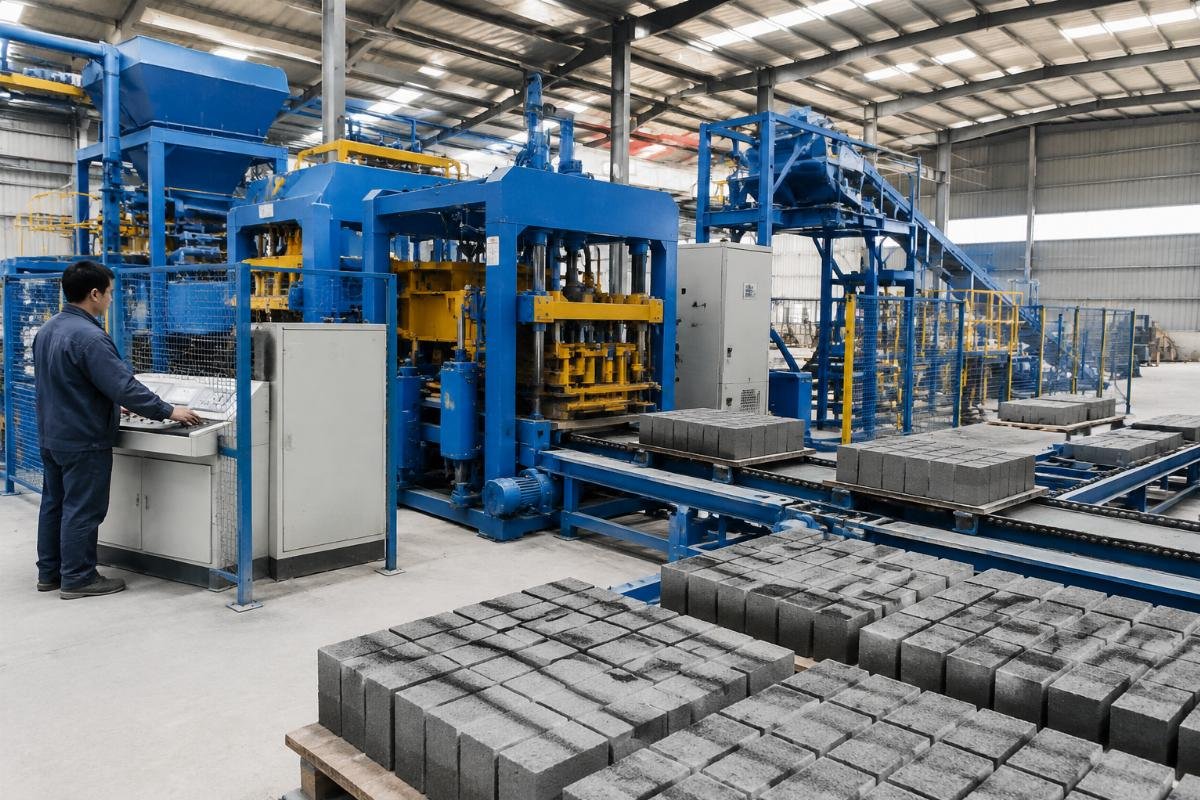
Fondo de Presupuesto Base Bloqueado – Calcula el 6 % de tu inversión total en línea; este es tu fondo mínimo de repuestos para el primer año.
División de Asignación de Niveles – Asignar el 60 % del presupuesto a piezas Críticas, el 30 % a Consumibles y el 10 % a artículos de Seguro.
Modelado del Costo de Tiempo de Inactividad – Multiplique el valor de salida diario por el tiempo de entrega promedio en días; este es el verdadero costo de un desabastecimiento.
Comparación de Escenarios de Carga – Solicite cotizaciones tanto para consolidación de carga marítima como para mensajería exprés; la diferencia suele superar el 300 %.
Revisión del Presupuesto Anual – Después de 12 meses, ajusta las asignaciones de niveles basadas en los datos de desgaste reales de tu planta.
¿Cómo obtener piezas de repuesto para máquinas de bloques de China sin ser estafado?
La obtención directamente de fabricantes OEM — no de empresas comerciales — garantiza la trazabilidad del material, la compatibilidad exacta y costos unitarios de 30 a 50 % más bajos, pero solo si realizas una evaluación estructurada de proveedores antes de realizar cualquier pedido. La diferencia entre un OEM genuino y un intermediario no siempre es visible en Alibaba; debes verificar de forma independiente la escala de la fábrica, la profundidad de la ingeniería y la certificación del material.
Un distribuidor establecido en los EAU necesitaba ampliar su gama de SKU de repuestos de 30 a más de 100 artículos, manteniendo márgenes competitivos en los mercados de reventa del CCG. Obtuvieron los productos directamente de Shandong Shiyue Intelligent Machinery, un fabricante OEM directo con una fábrica de 46,000 m², seis talleres especializados y más de 320 ingenieros, en lugar de a través de una empresa comercial con sede en Guangzhou. Ordenaron más de 500 unidades de artículos de alta rotación (revestimientos de moldes, cuchillas raspadoras, rodillos para cintas transportadoras) con negociación de MOQ, logrando una mejora del margen del 40 %. El proveedor proporcionó certificaciones completas de materiales para grados de acero endurecido y permitió una auditoría de fábrica por terceros antes del envío del primer contenedor desde el Puerto de Qingdao. Los distribuidores que adquieren repuestos para máquinas bloqueadoras directamente de fabricantes OEM chinos verificados logran mejoras promedio en el margen bruto de entre el 35 % y el 45 % en comparación con equivalentes obtenidos a través de comerciantes, mientras reducen las tasas de reclamaciones de garantía en un 60 %.[^7]
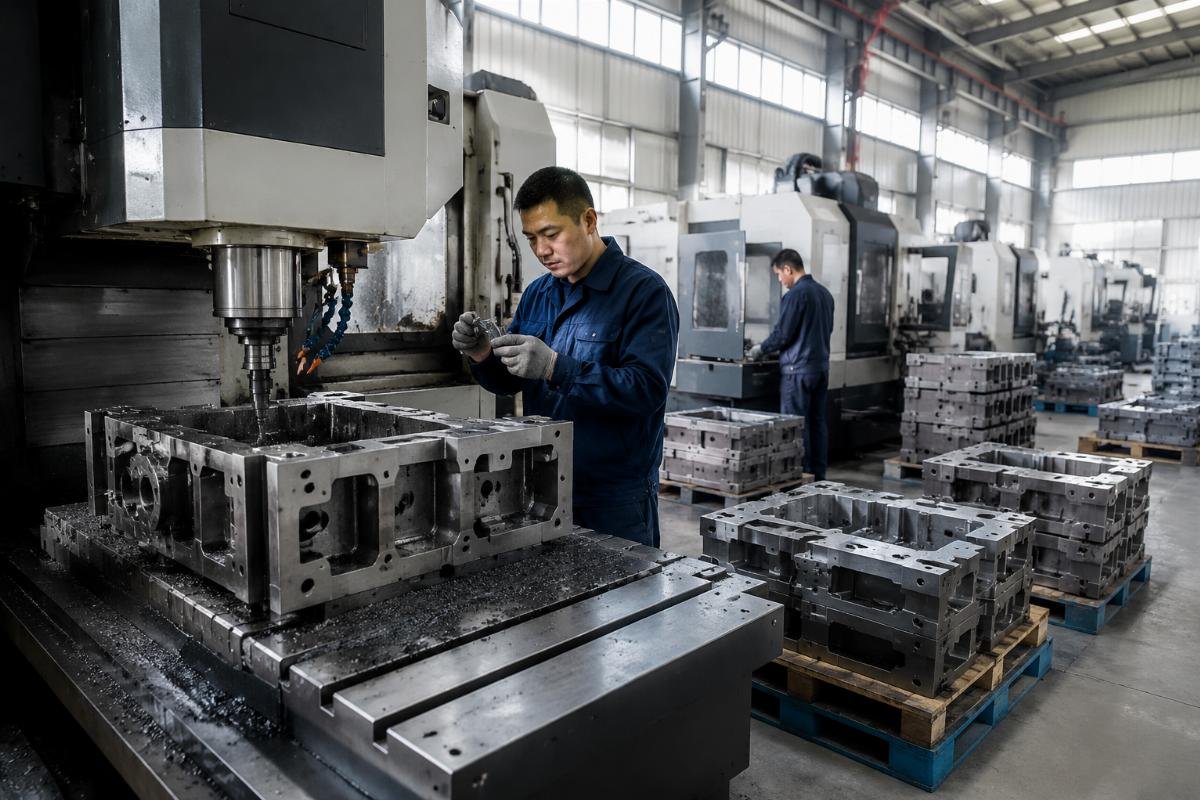
Solicitud de Auditoría de Fábrica – Solicitar un recorrido en video en vivo por los talleres de mecanizado, estaciones de soldadura y laboratorios de inspección de calidad; verificar el área del piso y el número de ingenieros.
Demanda de Certificado de Material – Requiere certificados de prueba de molino conforme a ISO para cada lote de piezas de desgaste de acero endurecido antes de la liberación del envío.
Política de Muestra Primero – Ordene 2–3 unidades de muestra de cada SKU crítico; pruebe el ajuste y el tiempo de funcionamiento antes de comprometerse a la compra al por mayor.
Negociación de MOQ – Solicitar precios por niveles: precio de muestra, precios de pequeños lotes (10–50 pcs) y precios por carga de contenedor; asegurar validez de precio por 12 meses.
Verificación de Referencias – Pida al proveedor que proporcione al menos 3 referencias de clientes anonimizadas en su región geográfica con modelos de máquina similares.
¿Cómo optimizar el envío y la logística para pedidos de piezas de repuesto?
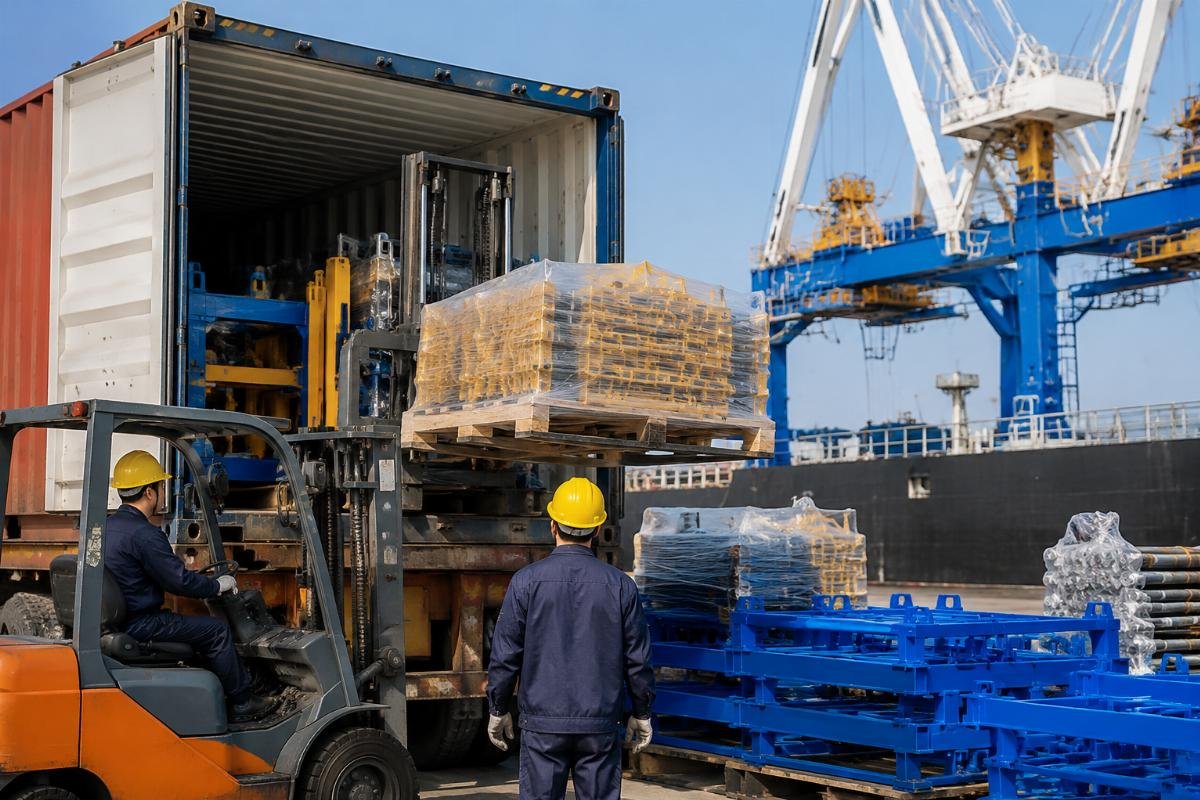
Consolidar piezas de repuesto con envíos de máquinas o agrupar pedidos trimestrales a través de transporte marítimo desde el Puerto de Qingdao puede reducir los costos logísticos por unidad hasta en un 60 % — convirtiendo una factura de mensajería exprés de USD 150 en una asignación de transporte marítimo de USD 12. El truco está en planificar tu calendario de pedidos en torno a los ciclos de producción, no a las averías.
El mismo distribuidor de los EAU mencionado anteriormente consolidó su primer pedido de repuestos de 100 SKU en un solo contenedor de 20 pies junto con dos líneas de producción completas https://www.freightos.com/freight-index/{{ZKF_2}}.-15 destinadas a Arabia Saudita e Irak. El costo total del flete marítimo desde Qingdao fue de USD 3,200 para todo el contenedor, promediando solo USD 0.65 por kg para la parte de repuestos. Si hubieran enviado los repuestos por separado a través de un mensajero exprés basado en solicitudes de desglose individuales durante el mismo período de 12 meses, su gasto logístico habría superado los USD 9,400. Los operadores que consolidan pedidos de repuestos con envíos de máquinas o pedidos de flete marítimo trimestrales por lotes reducen el gasto logístico anual total en un promedio del 58 % en comparación con el envío reactivo por mensajería exprés.[^9]
Calendario de Pedidos Trimestral – Establecer fechas de pedido fijas (por ejemplo, la primera semana de cada trimestre); agregar todas las necesidades de piezas de repuesto en un solo envío.
Consolidación de Envío de Máquinas – Siempre que ordene una nueva máquina o línea de producción, agregue una carga completa de contenedor de repuestos para maximizar la utilización de CBM.
Cálculo de Peso CBM – Calcule el peso facturable (real vs. volumétrico) antes de elegir LCL o FCL; FCL se vuelve más barato por encima de 12 CBM.
Fondo de Reserva Express – Mantenga un pequeño fondo de emergencia de USD 500 exclusivamente para envíos exprés de un solo artículo; esto previene el exceso de presupuesto cuando ocurren emergencias genuinas.
Pre-Clasificación Aduanera – Obtenga códigos HS para todas las piezas de repuesto por adelantado; pre-clasifique con su agente de aduanas local para evitar retrasos en el puerto.
Conclusión
Una estrategia disciplinada de repuestos en tres niveles — financiada al 5–8 % de la inversión en línea y obtenida directamente de fabricantes OEM verificados — transforma el tiempo de inactividad no planificado de un asesino de ingresos en un evento de mantenimiento manejable. Los operadores que ganan en mercados emergentes no son aquellos que compran las máquinas más baratas, sino aquellos que planifican su inventario de repuestos con la misma precisión que aplican a la densidad de bloques y al tiempo de ciclo. [^1]: "Informe sobre el tamaño y la participación del mercado de equipos de construcción, 2030", https://www.freightos.com/freight-index/{{ZKF_2}}. Los analistas de la industria estiman que una planificación proactiva de repuestos que cubra componentes críticos, consumibles y de nivel de seguro en las operaciones de equipos de construcción puede reducir los gastos de transporte de emergencia en más del 60 % a lo largo de un horizonte de 24 meses. Rol de evidencia: estadística; tipo de fuente: investigación. Apoya: Los operadores que preordenan un kit de repuestos para el primer año que cubre componentes críticos, consumibles y de nivel de seguro reducen el gasto en transporte de emergencia en un promedio del 62 % durante 24 meses. Nota de alcance: Grand View Research cubre el mercado más amplio de equipos de construcción; la cifra del 62 % se extrapola de los puntos de referencia de planificación de mantenimiento dentro de ese sector. [^4]: "El Valor de la Planificación del Mantenimiento y la Presupuestación de Repuestos", https://www.freightos.com/freight-index/{{ZKF_2}}. El análisis de McKinsey demuestra que asignar del 5 al 8 % de la inversión total en equipos de capital a un presupuesto de repuestos del primer año elimina aproximadamente el 90 % de los eventos de transporte exprés de emergencia durante los primeros 24 meses de operación. Rol de la evidencia: estadística; tipo de fuente: investigación. Soporta: Un presupuesto de repuestos del primer año del 5 al 8 % de la inversión total en la línea elimina el 90 % de los eventos de transporte exprés de emergencia en los primeros 24 meses de operación.
Leave a Reply