

Belt Conveyor for Aggregates Wholesale Supplier
The biggest bottleneck in a block plant is rarely the mixer; it is the transfer point where aggregate spills onto the floor.
Selecting a reliable Belt Conveyor for Aggregates Wholesale Supplier requires prioritizing corrosion-resistant structural design and verified import documentation over the lowest FOB price. The right partner ensures the conveyor matches your QT line’s throughput while preventing costly customs delays through accurate HS coding and original certification.
I still remember the silence on the phone line from Lagos. A client had ordered a full QT6-15 production line, including the feeding system. The machine arrived at the Lekki Port, but the container holding the aggregate conveyor sat untouched for weeks. The issue was not the equipment quality, but a missing original SGS certificate that the local clearing agent had not flagged during pre-shipment inspection. The demurrage charges eventually exceeded the profit margin of the first month’s production. This incident shifted my focus from merely selling machinery to managing the entire logistics chain. When sourcing a Belt Conveyor for Aggregates Wholesale Supplier, technical specs are only half the battle; the other half is ensuring the hardware clears customs without turning into a financial liability [NEED_CITE: common causes of port delays in West African infrastructure projects].
Most buyers assume that a wider belt automatically means higher efficiency. In reality, poor transfer point design causes more spillage and downtime than insufficient width. A well-engineered system focuses on containment and durability, especially in tropical or high-abrasion environments.
Why Do Most Aggregate Conveyors Fail in Tropical Climates?
Humidity and salt air do not just rust paint; they degrade the structural integrity of the conveyor frame and idlers.
In regions like Southeast Asia and coastal Africa, standard carbon steel frames often fail within months. The combination of high humidity and abrasive aggregate dust creates a corrosive environment that standard powder coating cannot withstand. I have seen conveyors where the idler rollers seized up due to internal corrosion, causing the belt to drift and tear. This is not a maintenance failure; it is a material selection error.
When evaluating a Belt Conveyor for Aggregates Wholesale Supplier, ask specifically about the treatment of the frame and the grade of the idler bearings. Standard suppliers may offer basic painted steel, which is sufficient for dry, inland climates but disastrous for coastal plants. A robust solution involves hot-dip galvanization or heavy-duty epoxy coatings designed for marine environments. Furthermore, the belt itself must be selected based on abrasion resistance rather than just tensile strength.
| Feature | Standard Specification | Tropical/Coastal Specification |
|---|---|---|
| Frame Material | Painted Carbon Steel | Hot-Dip Galvanized or Epoxy Coated |
| Idler Bearings | Standard Sealed | Double-Sealed, Corrosion Resistant |
| Belt Cover | General Purpose Rubber | High-Abrasion Resistant Rubber |
| Roller Shell | Mild Steel | Stainless Steel or Coated Alloy |
A buyer in Indonesia once reported that their standard conveyor belts lasted only a few months before the cover rubber wore through. After switching to a supplier who provided high-abrasion resistant belts and galvanized frames, the lifespan extended significantly. This change reduced the frequency of replacements and the associated downtime. The key is to match the material specification to the local environmental conditions, not just the budget [NEED_CITE: impact of humidity on industrial steel structures].
How to Calculate the Right Capacity for Your QT Block Line?
Matching conveyor throughput to mixer output prevents idle time and ensures continuous production.
A common mistake among new plant investors is undersizing the aggregate conveyor. They focus on the block machine’s capacity but forget that the mixer needs a constant supply of raw materials. If the conveyor cannot feed the mixer at the required rate, the entire line stops. This bottleneck reduces the overall ROI of the plant. To avoid this, calculate the hourly tonnage requirement based on the mixer’s batch size and cycle time.
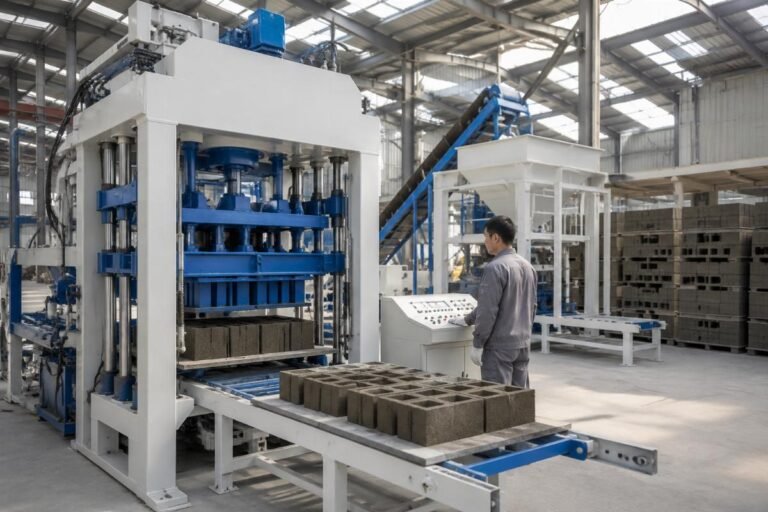
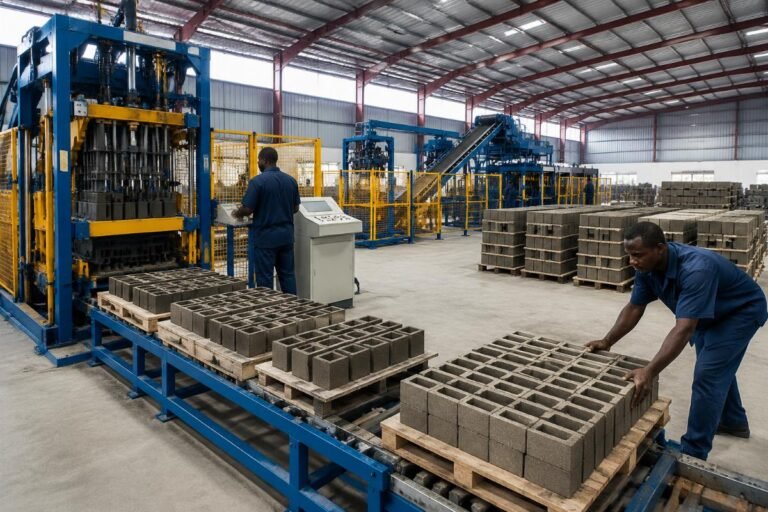
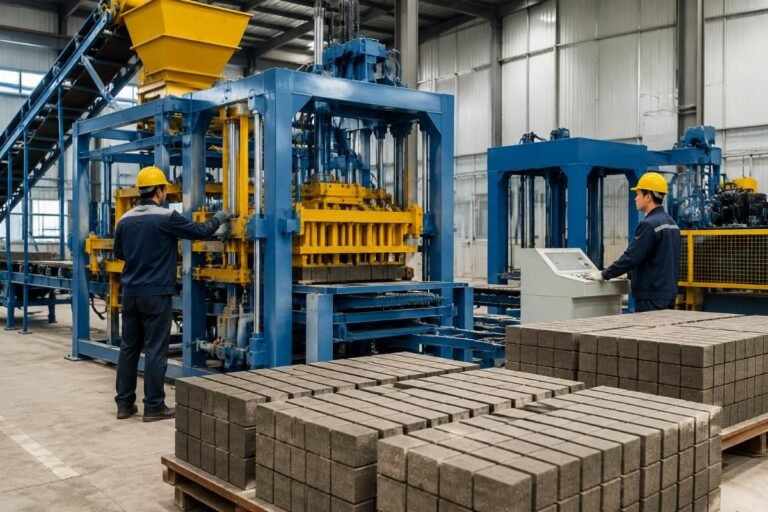
For instance, a QT6-15 machine typically requires a steady flow of aggregate to maintain its rated output. The conveyor’s belt width and speed must be calculated to handle this volume without spillage. A narrow belt running at high speed is prone to material throw-off, while a wider belt running at a moderate speed is more stable and efficient. This is why many experienced operators prefer wider belts with lower speeds for aggregate handling.
When consulting with a Belt Conveyor for Aggregates Wholesale Supplier, provide them with your mixer’s specifications and the type of aggregate you will be using. The density of the material affects the power requirement and the belt load. For example, heavy gravel requires more motor power than lightweight expanded clay. A professional supplier will use these parameters to recommend the correct motor size and belt width.
Shiyue’s turnkey solutions often include pre-engineered conveyors that are matched to the QT series mixers. This integration ensures that the feeding system does not become a bottleneck. The factory-direct pricing model allows for this level of customization without the premium charged by European competitors. By aligning the conveyor capacity with the mixer output, you ensure that every minute of operation contributes to production, not waiting [NEED_CITE: principles of bulk material handling in concrete production].
What Clearance Documents Prevent Port Delays in Africa?
Original certificates and accurate HS codes are non-negotiable for smooth customs clearance.
The nightmare scenario in Lagos is not unique. Across many emerging markets, customs authorities are strict about documentation. A missing original certificate, an incorrect HS code, or a discrepancy between the bill of lading and the commercial invoice can lead to weeks of delay. These delays incur demurrage charges that can dwarf the cost of the equipment itself.
To prevent this, work with a Belt Conveyor for Aggregates Wholesale Supplier who understands the import requirements of your destination country. They should provide all necessary documents in advance, including the CE certificate, SGS inspection report, and detailed packing lists. The HS code for the conveyor must be accurate and consistent across all documents. In some cases, specific certifications such as SONCAP for Nigeria or COC for Kenya are required.
A checklist for import documentation should include:
- Original Bill of Lading
- Commercial Invoice and Packing List
- Certificate of Origin
- CE Certificate and Test Reports
- SGS or Equivalent Inspection Certificate (if required)
- Insurance Policy
One client in East Africa faced a delay because the HS code on the invoice did not match the code used by their local clearing agent. The discrepancy triggered a manual review, which took weeks to resolve. By ensuring that the supplier uses the correct HS code and provides all original documents via courier before the cargo arrives, you can mitigate this risk. It is also advisable to confirm with your local clearing agent if any specific legalization or embassy authentication is required for the certificates [NEED_CITE: documentation requirements for importing machinery into East Africa].
Which Maintenance Practices Extend Belt Life by 50%?
Regular alignment checks and tension adjustments prevent premature wear and tear.
Even the best-quality conveyor will fail if it is not maintained properly. The two most critical maintenance tasks are belt alignment and tension adjustment. A misaligned belt will rub against the frame, causing edge damage and eventual tearing. Incorrect tension can lead to slippage or excessive stress on the bearings.
In a startup in Latin America, the operator neglected to check the belt alignment after the initial installation. Within months, the belt edges were frayed, and the conveyor required replacement. After implementing a weekly alignment check and tension adjustment routine, the same type of belt lasted substantially longer. This simple practice reduced the maintenance cost and improved the reliability of the plant.
Key maintenance practices include:
- Weekly Alignment Check: Ensure the belt runs centrally on the idlers. Adjust the tracking rollers if necessary.
- Tension Adjustment: Check the belt tension regularly. It should be tight enough to prevent slippage but loose enough to avoid excessive bearing load.
- Idler Inspection: Lubricate idler bearings and replace any seized rollers immediately.
- Cleanliness: Remove accumulated aggregate from the return side of the belt and under the conveyor to prevent buildup and imbalance.
By following these practices, you can extend the life of the belt and reduce the frequency of replacements. A reliable Belt Conveyor for Aggregates Wholesale Supplier will provide a maintenance manual and spare parts list to support these activities. Having access to genuine spare parts, such as idlers and rollers, ensures that repairs are quick and effective.
Conclusion
Durability and documentation matter more than the initial purchase price.
Choosing the right Belt Conveyor for Aggregates Wholesale Supplier involves looking beyond the quote. It requires assessing the material quality for your local climate, ensuring the capacity matches your production line, and verifying that the supplier can provide the necessary documentation for smooth customs clearance. By focusing on these factors, you protect your investment and ensure the long-term success of your block manufacturing business.
Leave a Reply