

QT4-15 to QT12-15 Auto Block Machine Manufacturer & Supplier
Higher output capacity does not guarantee higher profit if the machine sits idle due to supply chain mismatches or customs holds.
Purchasing a fully automatic block machine requires more than comparing theoretical daily output; buyers must verify hydraulic stability, PLC logic compatibility, and hidden logistics costs to ensure project viability. A Fully Automatic Block Machine Buyer Checklist is essential to avoid costly import errors, particularly when selecting between models like the QT4-15 and QT12-15 for specific production goals in emerging markets.
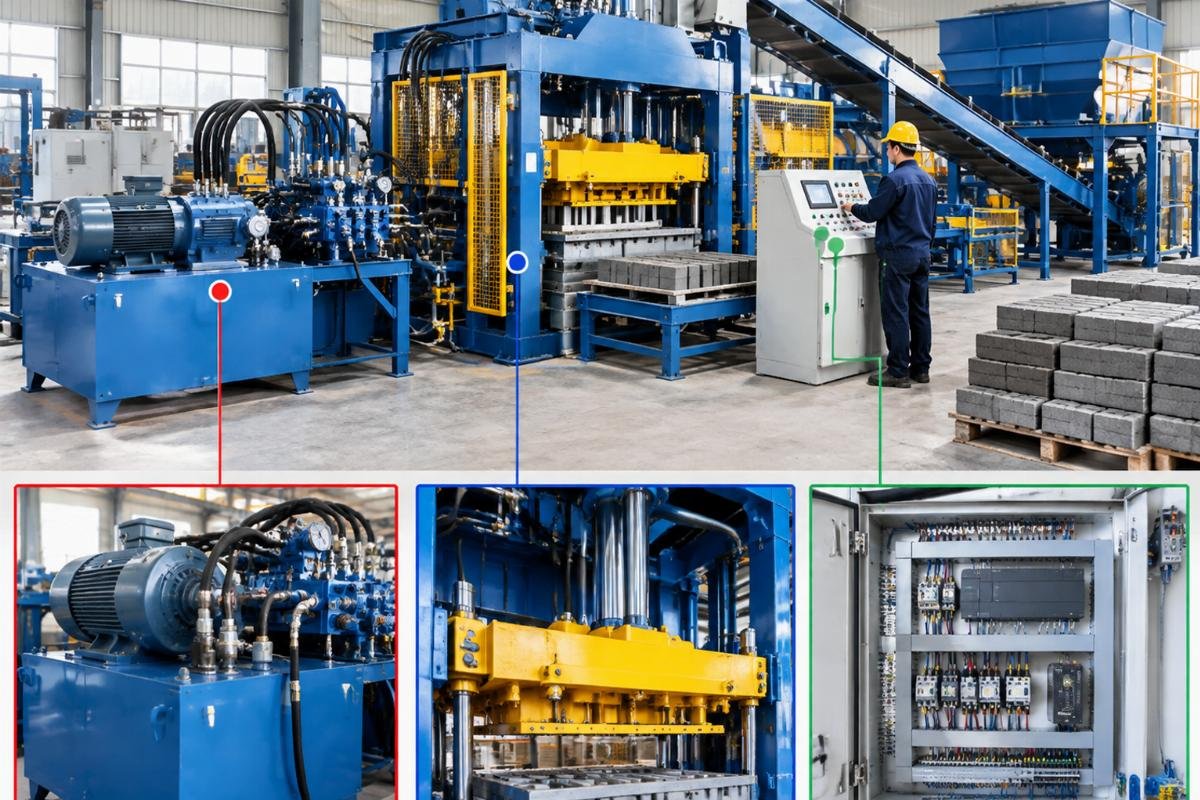
Many investors focus intensely on the FOB price and the rated capacity of the equipment, assuming that a larger machine automatically translates to a faster return on investment. This assumption often leads to significant operational bottlenecks. The real cost driver in cross-border machinery procurement is frequently not the equipment itself, but the demurrage fees resulting from documentation errors and the productivity loss from mismatched auxiliary systems. By prioritizing technical verification and logistical precision over raw tonnage, buyers can secure a sustainable production line. This approach transforms the procurement process from a simple transaction into a strategic infrastructure investment.
What Specs Truly Matter Beyond Output Capacity?
Hydraulic response time and PLC durability determine actual uptime, not just the maximum cycles per hour listed in the brochure.
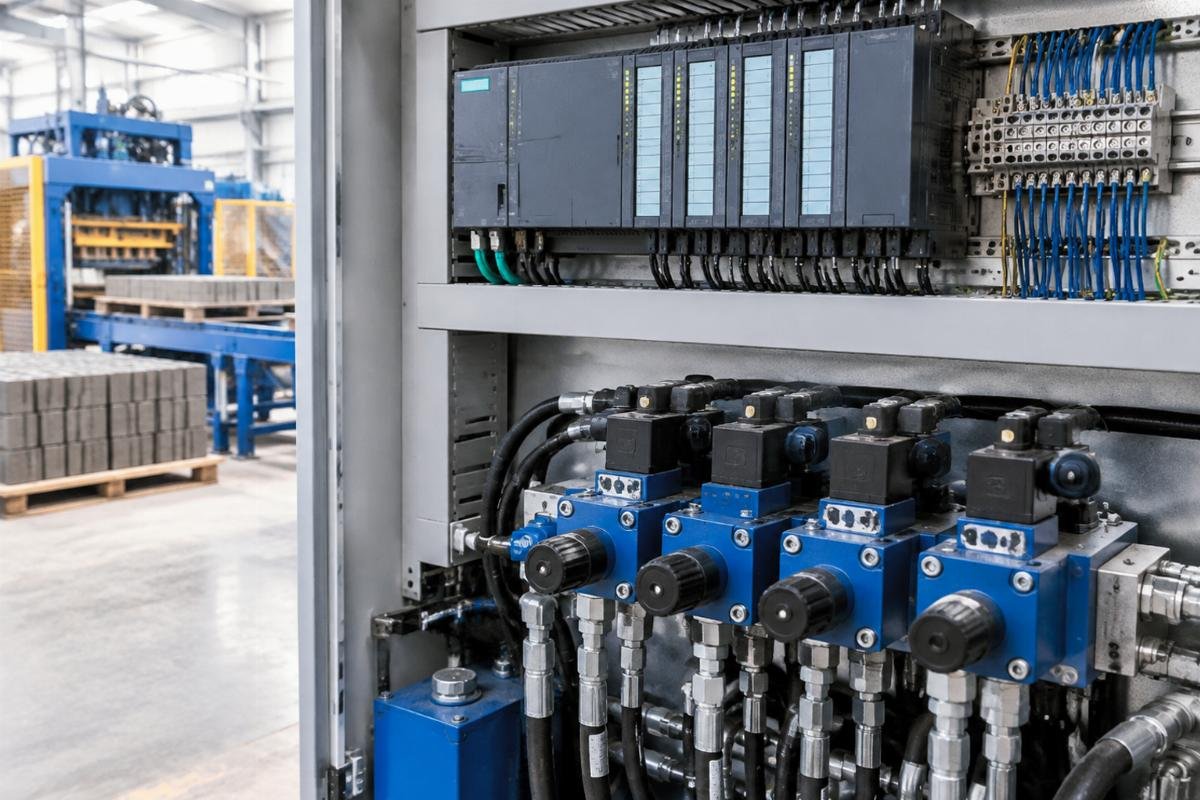
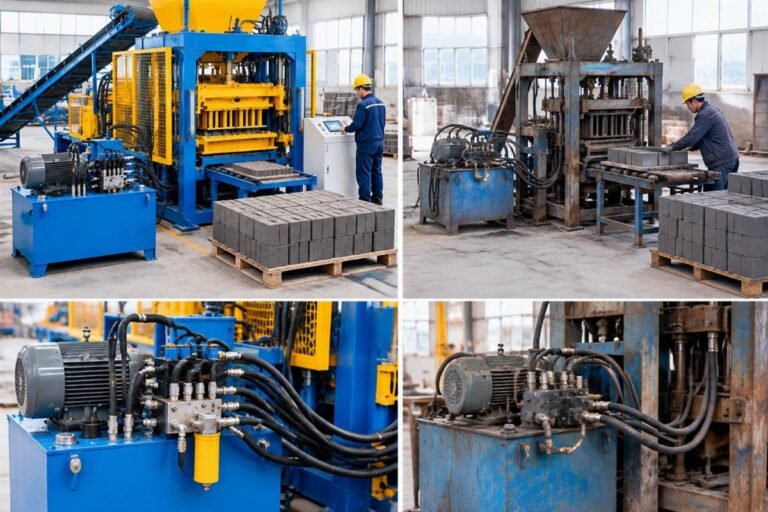
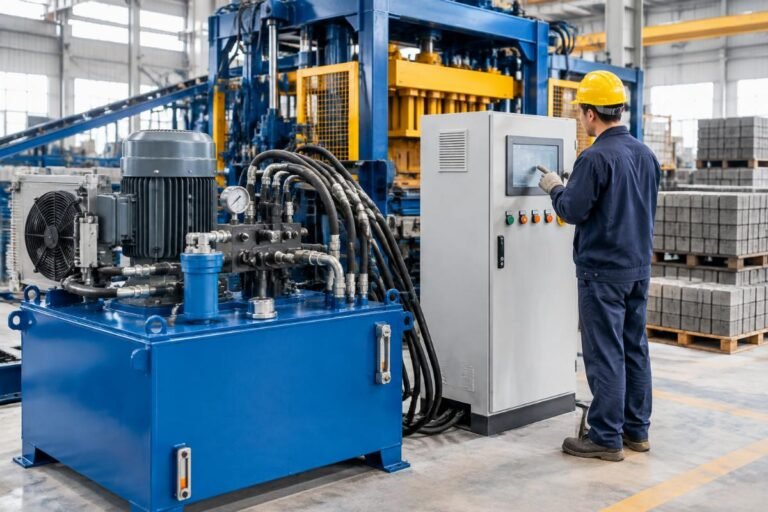
When evaluating a Fully Automatic Block Machine Buyer Checklist, most buyers start with the mold size and output capacity. However, the heart of the machine lies in its control system and power transmission. A machine that promises high output but suffers from frequent sensor failures or hydraulic leaks will operate at a fraction of its potential. The stability of the hydraulic system is critical because block forming requires consistent pressure to ensure uniform density and strength. If the hydraulic valves are of inferior quality, the machine may experience pressure drops during the compression phase, leading to cracked blocks and increased waste rates. [NEED_CITE: impact of hydraulic pressure consistency on concrete block density]
Furthermore, the Programmable Logic Controller (PLC) is the brain of the operation. In regions with unstable power grids, such as parts of Latin America and Africa, voltage fluctuations can cause standard PLCs to reset or malfunction. A robust machine should feature a PLC from a reputable global brand, such as Siemens or Mitsubishi, which offers better resistance to electrical noise and easier access to spare parts locally. The Human-Machine Interface (HMI) should also support multiple languages, allowing local operators to troubleshoot minor issues without waiting for remote technical support. [NEED_CITE: reliability comparison of industrial PLC brands in volatile grid conditions]
Consider the case of a project in Chile where a newly installed automatic line suffered frequent, unexplained stops. The issue was not mechanical but electrical; the local grid had minor voltage spikes that the standard control board could not handle. The solution was not a new machine, but the installation of an industrial-grade voltage stabilizer. This simple addition restored continuous operation. Without verifying the electrical compatibility and the quality of the core components, even the most advanced machine can become a liability.
How to Avoid Customs Delays with Correct Documentation?
Incorrect HS code classification is the primary cause of port delays, often costing more in demurrage than the shipping fee itself.
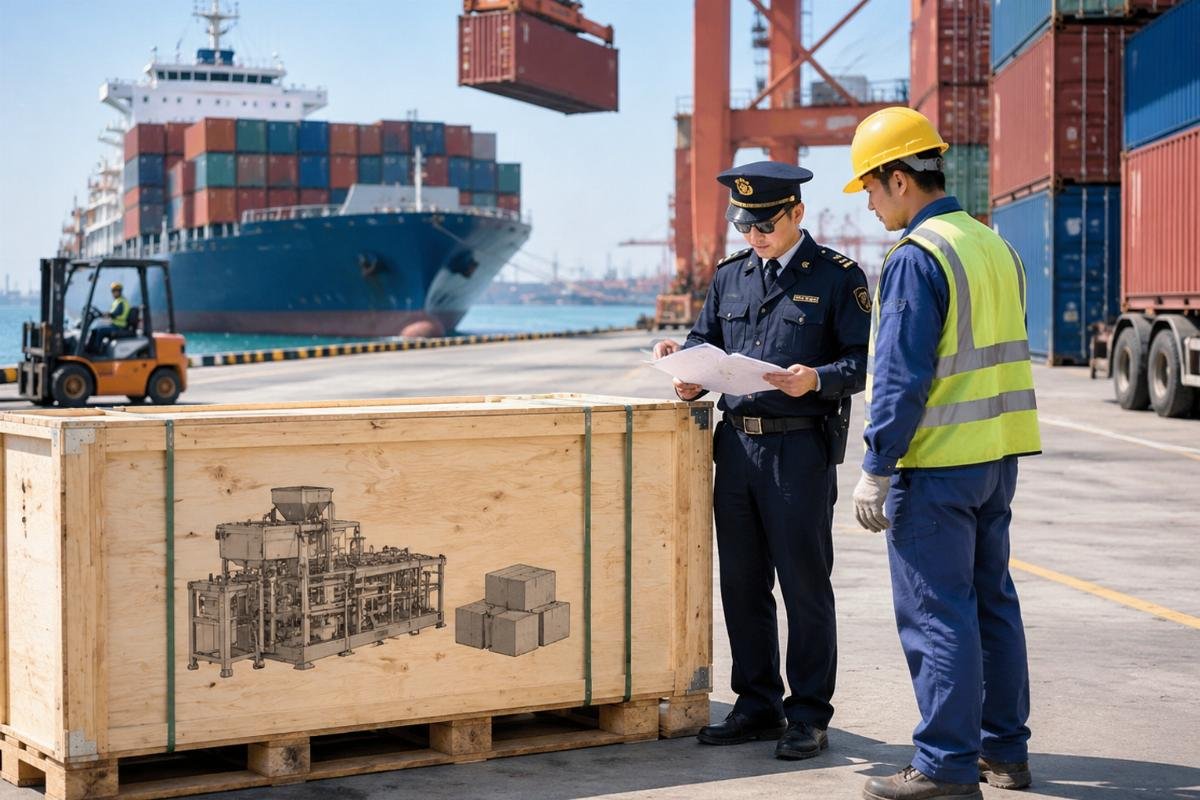
Navigating international trade regulations requires precise attention to detail. A common pitfall for importers is the misclassification of the concrete block machine HS code customs requirements. Machinery is often shipped in multiple containers, including the main frame, the batching plant, and the hydraulic power unit. If these components are declared under separate, incorrect codes, customs authorities may flag the shipment for inspection, leading to weeks of delay. For instance, separating the hydraulic unit from the main frame without a unified declaration strategy can trigger additional duties or require specialized import licenses that the buyer does not possess. [NEED_CITE: standard HS code classification rules for integrated industrial machinery]
A practical example from Brazil illustrates this risk. A buyer imported a fully automatic line, but the hydraulic station was declared separately from the main machine body. Customs officials at Santos Port questioned whether the hydraulic unit was a standalone item or part of the whole machine. This discrepancy resulted in a three-week hold-up while the buyer scrambled to provide technical diagrams and proof of integration. The demurrage charges accumulated daily, significantly eating into the project’s initial budget. To avoid this, all components of the same production line should be declared under a single, comprehensive HS code that reflects the function of the entire system, supported by a detailed packing list that clearly links each container to the main invoice.
Additionally, certification documents must be flawless. CE certificates and test reports should match the serial numbers of the equipment exactly. Any discrepancy, no matter how minor, can give customs officers grounds to detain the cargo. Buyers should request draft documents from the supplier before shipment to verify that all details align with local import regulations. This proactive step prevents last-minute surprises and ensures a smoother clearance process.
QT4-15 vs. QT12-15: Which Model Fits Your Raw Material Supply?
Matching the machine model to your batching plant capacity and raw material availability prevents expensive idle time.
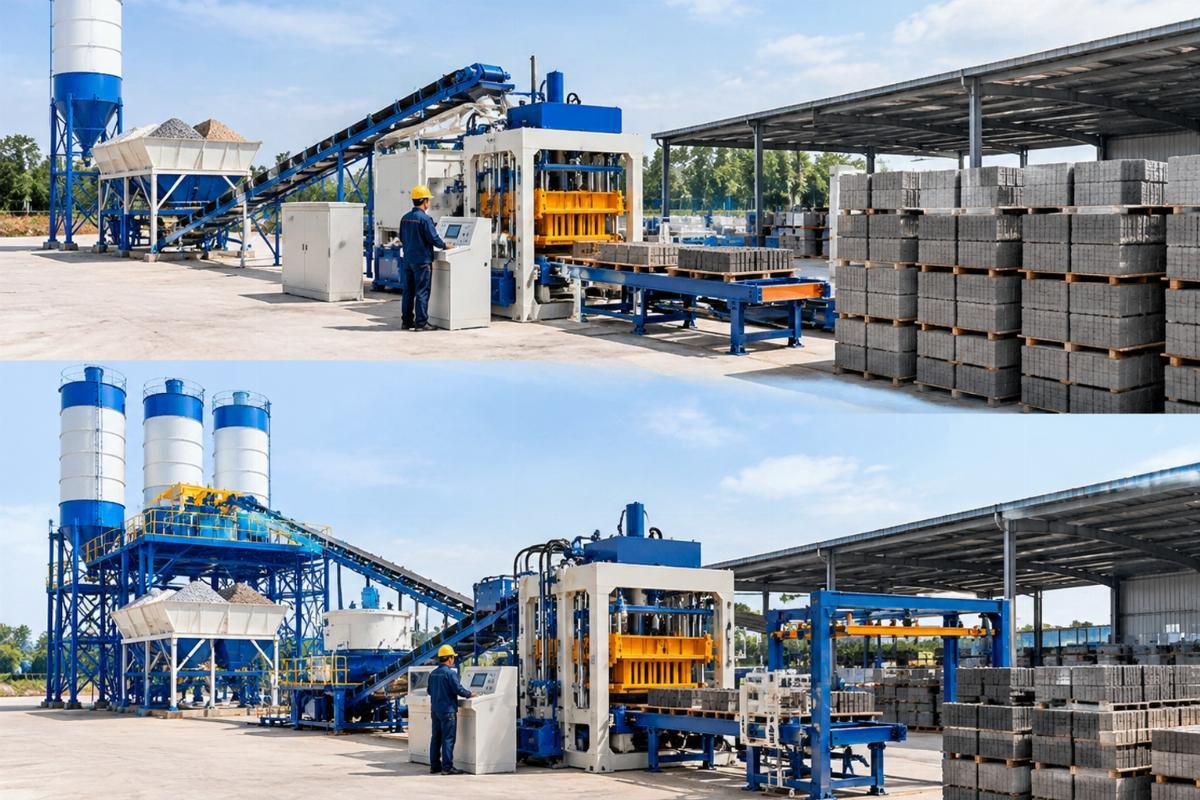
Choosing between a QT4-15 and a QT12-15 is not just about budget; it is about balancing the entire production ecosystem. The QT4-15 is a versatile mid-range model suitable for startups or projects with moderate demand. It requires less raw material input and can be operated with a smaller team. In contrast, the QT12-15 is a high-output powerhouse designed for large-scale infrastructure projects. However, its high speed demands a correspondingly large and efficient batching plant. If the mixer cannot supply concrete fast enough, the QT12-15 will sit idle, negating its capacity advantage. [NEED_CITE: optimal ratio of batching plant volume to block machine cycle time]
| Feature | QT4-15 Model | QT12-15 Model |
|---|---|---|
| Target Production Scale | Small to Medium | Large Industrial |
| Raw Material Demand | Moderate | High |
| Batching Plant Requirement | Standard Mixer | High-Capacity Twin-Shaft Mixer |
| Labor Requirement | Low to Medium | Medium to High |
| Energy Consumption | Lower | Higher |
| Ideal For | Local Housing, Pavers | Highway Projects, Mass Housing |
A startup in Mexico learned this lesson the hard way. They invested in a QT12-15 machine, attracted by its high theoretical output. However, their existing batching plant was designed for a smaller semi-automatic line. The mixer could not keep up with the QT12-15’s rapid cycle time, forcing the machine to run at less than half its capacity. The investor was paying for premium performance they could not utilize. Eventually, they had to upgrade the entire feeding system, incurring additional costs and delays. Had they started with a QT4-15 or matched the batching plant correctly from the outset, they would have achieved stable production immediately.
For buyers considering a QT12-15 block machine import checklist, it is crucial to calculate the total material flow. Ensure that your sand screening, cement silo, and water supply systems can sustain the maximum output of the machine. Shiyue’s turnkey solutions address this by providing matched batching plants and operator training, ensuring that every component works in harmony. This holistic approach guarantees that the machine performs as intended from day one, maximizing the return on investment.
What Are the Hidden Costs of Importing Heavy Machinery?
The landed cost includes far more than the FOB price, with installation, training, and spare parts inventory being significant factors.
When calculating the automatic brick making line ROI calculation, many buyers only consider the purchase price and shipping fees. This narrow view overlooks several critical cost centers. Installation and commissioning are vital steps that require skilled technicians. If the supplier does not provide on-site training, the buyer may need to hire external experts, adding to the expense. Moreover, improper installation can lead to premature wear and tear, increasing maintenance costs in the long run. [NEED_CITE: average cost breakdown of industrial machinery installation and commissioning]
Spare parts inventory is another hidden cost. While major components are durable, wear parts like mold liners, vibration motors, and sensors need regular replacement. Buying these parts locally after the machine breaks down can be expensive and time-consuming due to import delays. It is advisable to purchase a comprehensive spare parts kit along with the machine. This kit should include items with a predictable lifespan, ensuring that production can continue uninterrupted while waiting for larger repairs.
Insurance and inland transportation also contribute to the final cost. Heavy machinery requires special handling during transport from the port to the factory site. Standard trucking services may not be equipped to handle the weight and dimensions of a fully automatic line. Buyers should factor in the cost of specialized heavy-lift transport and crane services for unloading. Additionally, comprehensive insurance coverage during transit and installation protects against unforeseen accidents, providing peace of mind and financial security.
By accounting for these hidden costs, buyers can create a more accurate budget and avoid cash flow surprises. A well-planned financial model includes not just the machine, but the entire ecosystem required to keep it running efficiently. This comprehensive planning is a key element of a successful Fully Automatic Block Machine Buyer Checklist.
Conclusion
Successful machinery procurement balances technical specs with logistical precision and operational readiness.
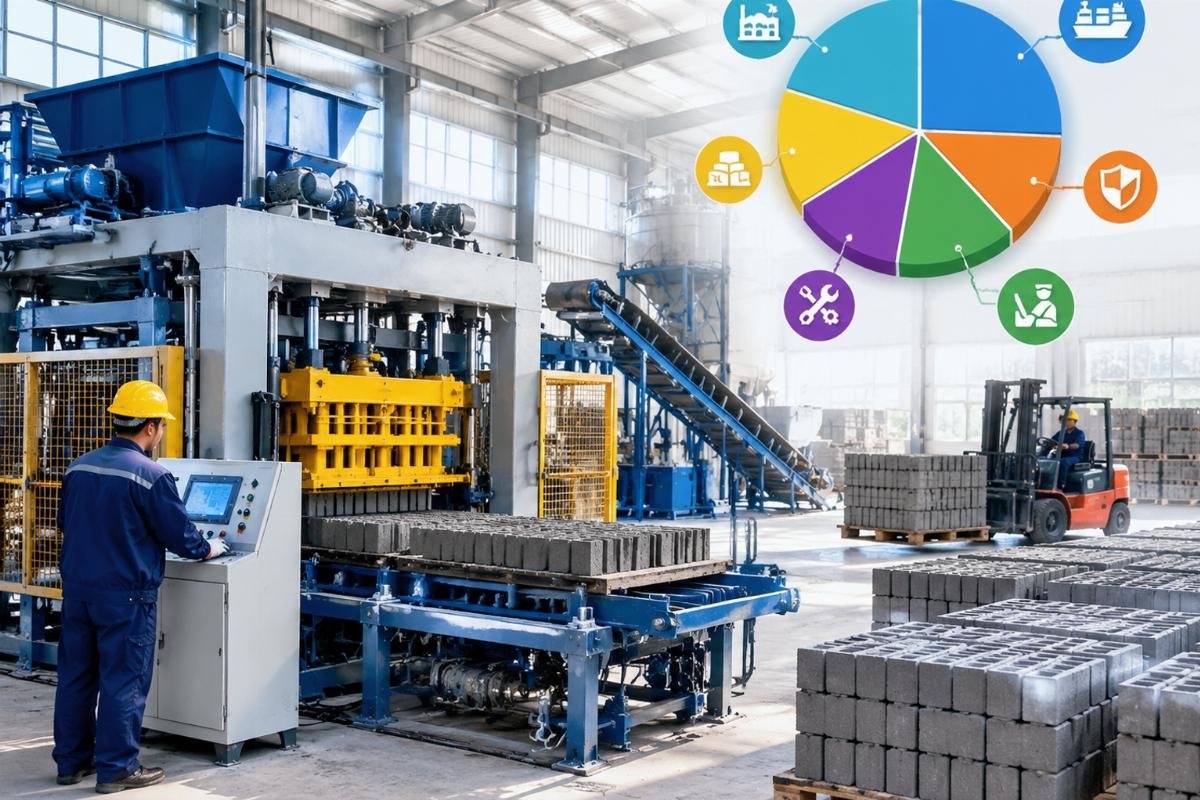
Importing a fully automatic block machine is a complex endeavor that extends beyond selecting a model number. By focusing on hydraulic stability, ensuring accurate customs documentation, and matching the machine to your raw material supply chain, you can avoid common pitfalls that derail projects. Whether choosing a QT4-15 for a startup or a QT12-15 for large-scale production, the key is to view the purchase as part of an integrated system. A thorough Fully Automatic Block Machine Buyer Checklist serves as your guide to navigating these challenges, ensuring that your investment delivers consistent performance and sustainable growth.
Leave a Reply