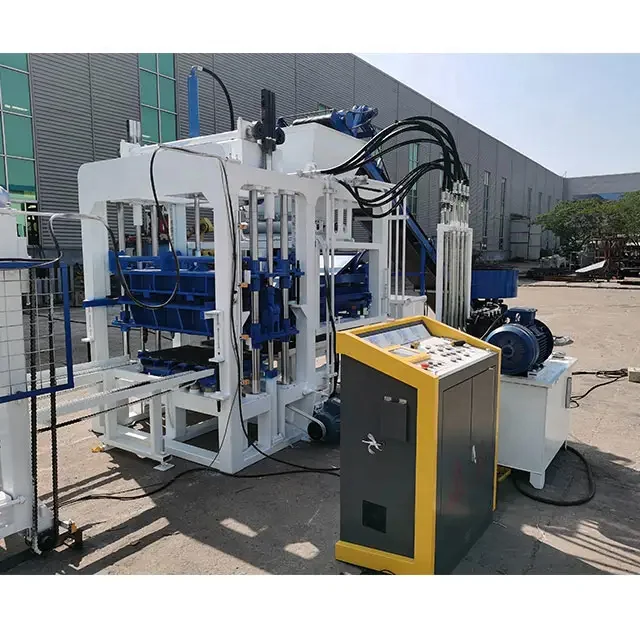


Description
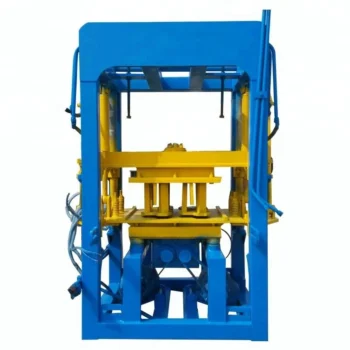
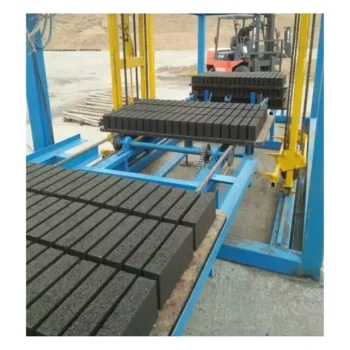
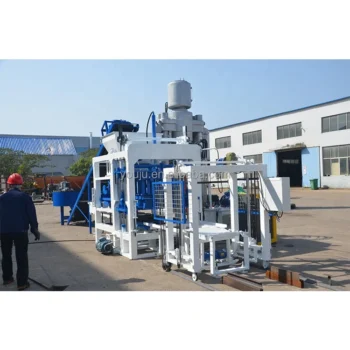
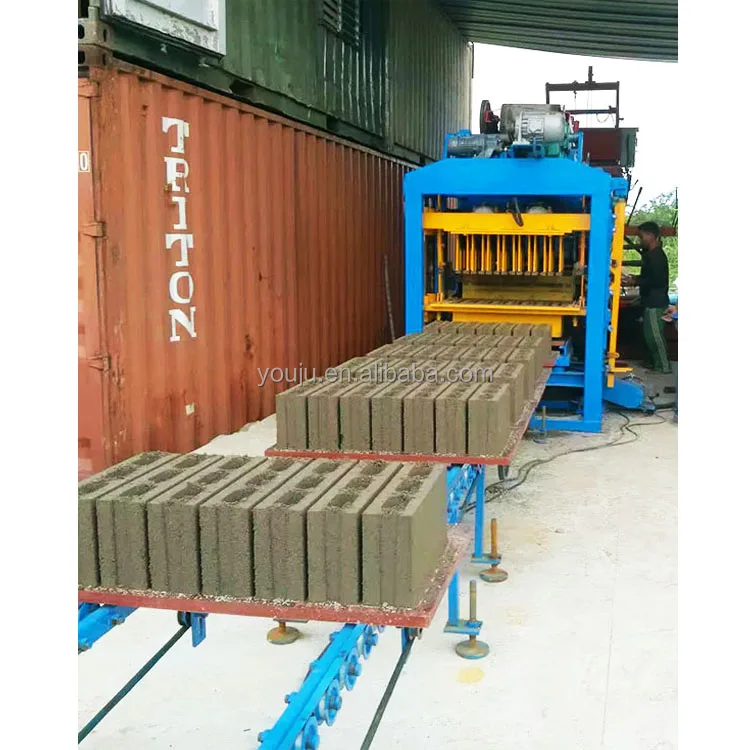
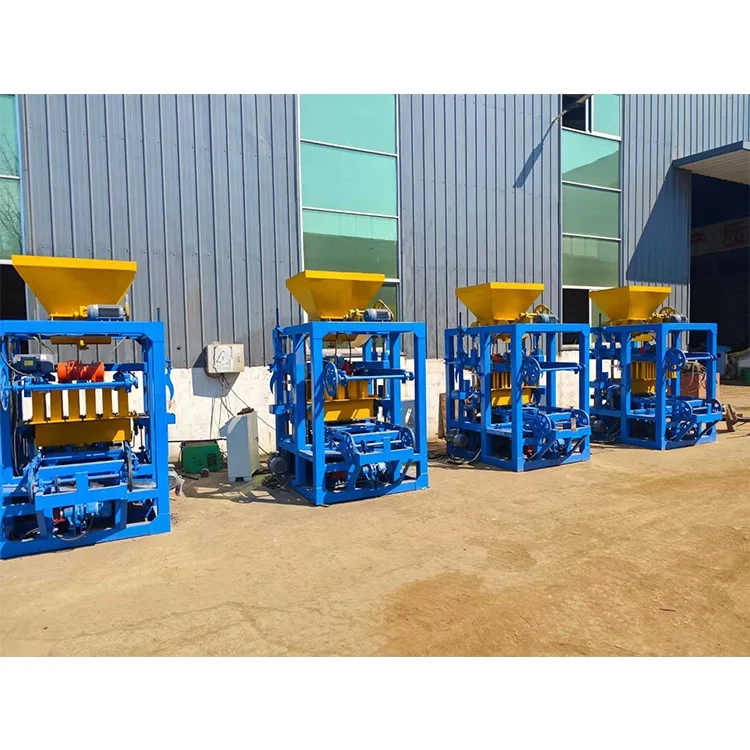
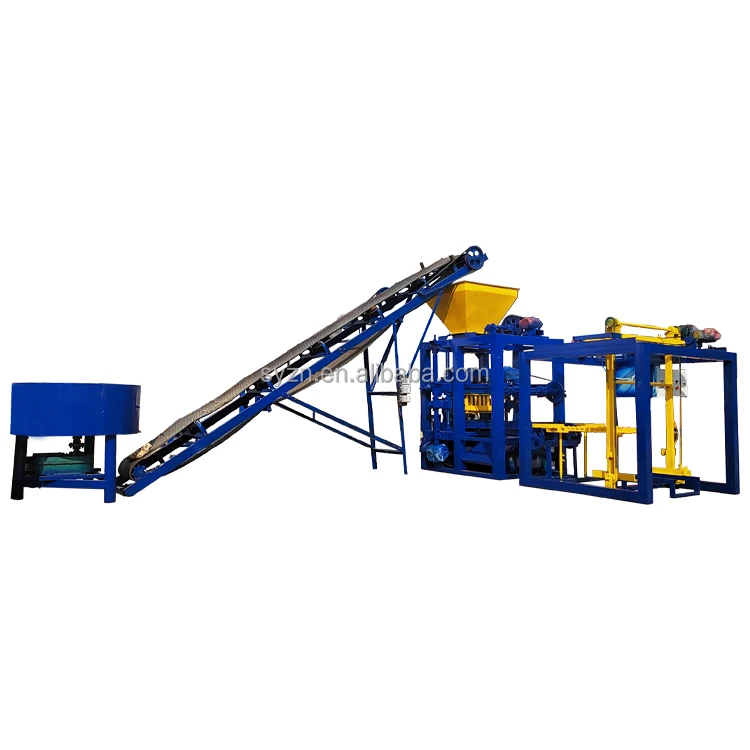
Matched System Dispatch — the QT4-18 line leaves our Shandong yard as one tested assembly of press, mixer, pallet conveyor and block receiver, so your crew is not waiting on separate shipments to start producing.
Technical Specifications
| Parameter | Value |
|---|---|
| Model | QT4-18 |
| Product Type | Automatic Concrete Block Making Machine |
| Overall Dimensions | 2500 × 1750 × 2200 mm |
| Rated Pressure | 16 MPa |
| Vibration Form | Platform Vibration |
| Pallet Size | 950 × 550 mm |
| Molding Cycle | 18–25 s (basis to be confirmed) |
| Overall Power | 27.5 kW |
| Control System | PLC control with frequency converter |
| Electrical Components | Schneider |
| Mould Lifting Mechanism | Double-sided synchronous gears |
| Pallet Feeder Power | Hydro-cylinder |
| Assembly State | Complete line: mixer, pallet conveyor, molding machine, block conveyor, hydraulic station, electronic console |
| Certification | CE |
Application Suitability
| Application | Material or Output |
|---|---|
| Hollow block production plants | Crushed stone, sand, cement, water |
| Solid block manufacturing | Crusher dust, fly ash, cement blends |
| Paving block and interlocking brick | Fine aggregate with pigment additives |
| On-site contractor block production | Locally sourced aggregate and cement |
| Building material manufacturer expansion | Standard concrete mixes per regional code |
Why the Voltage Question Must Come Before the Dispatch Date
Confirming the destination voltage and frequency before the crate leaves the factory is the single step that prevents a machine from sitting idle on arrival.
I once watched a block line sit idle on a Saudi project site for three weeks because the control panel was wired for 380 V / 50 Hz while the site transformer delivered 440 V / 60 Hz. The contractor had confirmed the order, the deposit was paid, and the automatic block making machine in stock arrived on schedule — yet the PLC would not power up safely. A rewinding job and a new set of contactors later, the crew finally started commissioning. That experience now shapes every pre-dispatch checklist I run. [NEED_CITE: voltage and frequency standards by export market]
Dispatch Timing That Matches Your Project Calendar
Stock availability only matters if the machine on the floor is the one configured for your site. The QT4-18 units ready for dispatch ship as a complete line, which means the mixer, hydraulic station, and electronic console are already matched and factory-tested together. When you are racing against a construction season deadline, an automatic block making machine in stock that leaves as one verified system shortens the gap between order and first block.
Container Loading and On-Site Reassembly
The 2500 × 1750 × 2200 mm frame is dismantled into major sub-assemblies for container loading. Pallet conveyor sections, the hydraulic station, and the electronic console are packed separately with numbered connection points. This keeps the automatic block making machine in stock within standard container dimensions while ensuring your crew can follow the reassembly sequence without guessing which hydraulic line feeds the mould lift cylinder. [NEED_CITE: CE machinery directive requirements for industrial equipment]
Reading the Specs That Actually Affect Your Block Quality
The 16 MPa rated hydraulic pressure works together with the platform vibration to compact the mix into the mould cavity. Higher pressure without matched vibration leaves air voids; vibration without sufficient pressure produces blocks that chip during pallet handling. The 950 × 550 mm pallet size dictates your curing rack dimensions and forklift tine spacing — order pallets that match this footprint and your existing handling equipment stays in use. The PLC with frequency converter controls the moulding cycle between 18 and 25 seconds, and the Schneider electrical components are specified so that replacement contactors and overload relays can be sourced from local distributors in most export markets. Double-sided synchronous gears on the mould lifting mechanism keep the mould box level during extraction, which reduces the scrap rate from corner damage on freshly formed blocks.
The Hidden Cost of Skipping the Pre-Dispatch Voltage Check
A machine that arrives with the wrong motor winding or control transformer rating does not simply need a quick fix. The entire power circuit — from the main breaker through the frequency converter to each motor starter — must be verified against the site supply. Downtime accumulates while electricians source compatible components locally, and the construction crew sits idle. [NEED_CITE: electrical commissioning delays on construction equipment imports]
Why Buyers Source This Line Through Our Dispatch Channel
The QT4-18 is treated as one system rather than a press sold separately from its mixer and conveyor. Voltage, PLC display language, and pallet dimensions are confirmed before the machine is loaded. Stock status is communicated with the exact mould formats available for immediate dispatch, so you know which block sizes you can produce from day one. Factory test records document the molding cycle and block output before the line is dismantled for shipment.
Documentation & Verification
- Stock confirmation letter listing exact QT4-18 units and moulds ready for dispatch
- Container loading plan showing dismantled sub-assemblies and securing points
- Factory test record documenting molding cycle and block dimensions before crating
- Arrival estimate quoted from order confirmation to destination port
- Electrical schematic with voltage and frequency as confirmed for your site
Installation, Commissioning & Support
- Foundation pad must be level within tolerance for the 2500 × 1750 mm machine footprint
- Dedicated circuit required for the 27.5 kW total power draw with proper breaker sizing
- Sub-assemblies arrive numbered for reassembly of pallet conveyor, hydraulic station, and console
- PLC display language set to your operator preference before dispatch
- First production run supervised to confirm 18–25 s molding cycle on your mix design
- Schneider component list provided so local distributors can supply replacements
What We Need to Confirm Before Dispatch
Send the block formats your market sells, the daily output target, and the aggregate available within hauling distance of your plant. Include your site voltage and frequency, the PLC display language your operators read, and the pallet size your curing racks and forklifts already accommodate. If you have existing upstream mixers or downstream handling, note those so the line interfaces correctly.
Frequently Asked Questions
Q: Which QT4-18 units and moulds are currently in stock?
A: Available stock is confirmed at inquiry with a letter stating the exact machine serial numbers and the mould formats loaded on each unit. Standard hollow, solid, and paving block moulds are typically held; custom formats require a lead time for mould fabrication.
Q: How quickly does the machine dispatch after order confirmation?
A: Once voltage, PLC language, and pallet specs are confirmed, the machine is dismantled and container-loaded within a short window. Stock units avoid the production queue that built-to-order machines require.
Q: What arrival time should I plan for at my port?
A: Arrival depends on destination port and current vessel schedules. We quote an estimated transit time at order confirmation so you can plan foundation work and raw material delivery around a known window.
Q: How is the QT4-18 packed for container shipping?
A: The line is dismantled into major sub-assemblies — frame, hydraulic station, pallet conveyor, and electronic console — each packed with numbered connection points for straightforward reassembly on your foundation pad.
Q: Which block formats can I produce with the mould included?
A: The standard mould included with each stock unit is confirmed in the dispatch letter. Common formats include hollow blocks and solid blocks sized to regional building codes; additional moulds can be added to future shipments.