Description
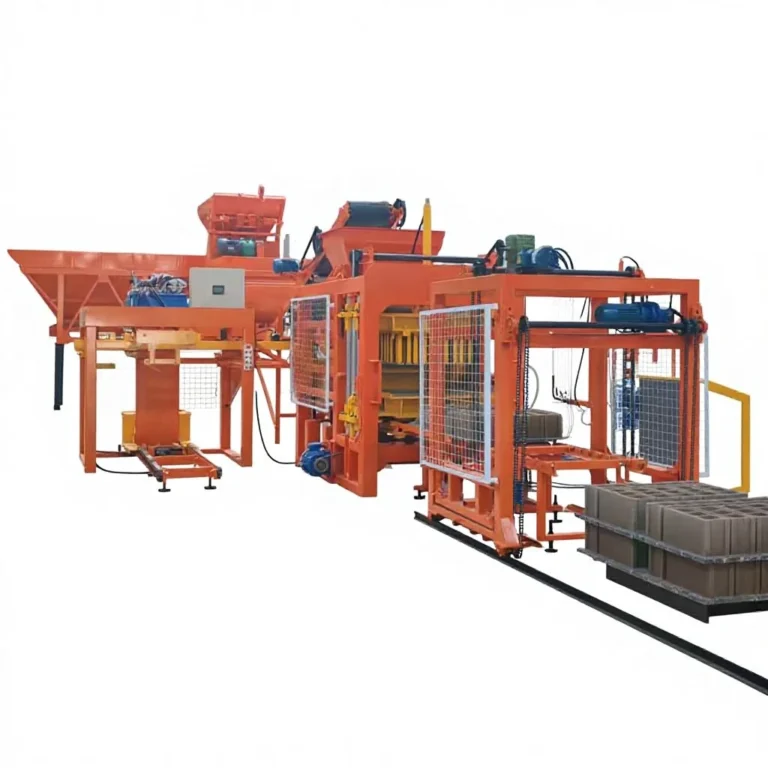
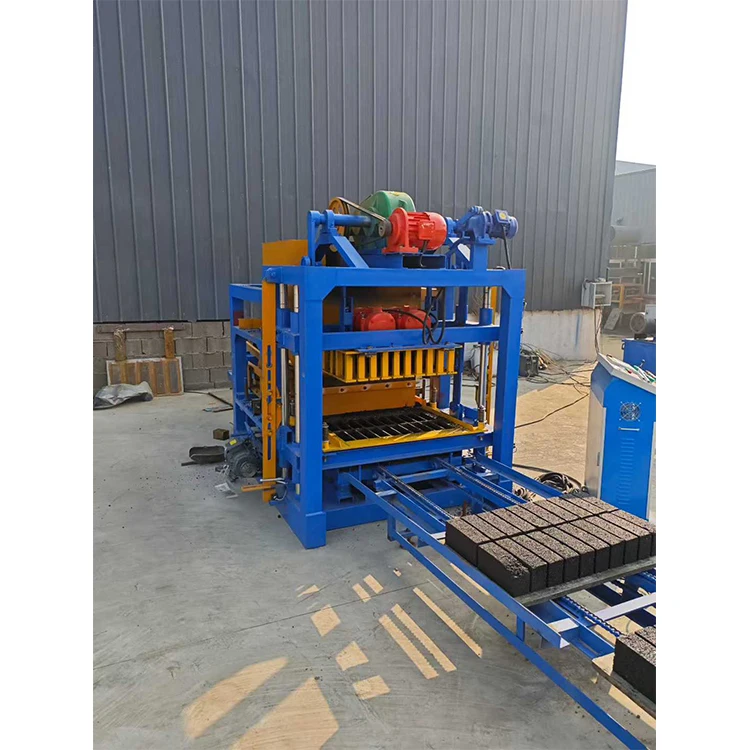
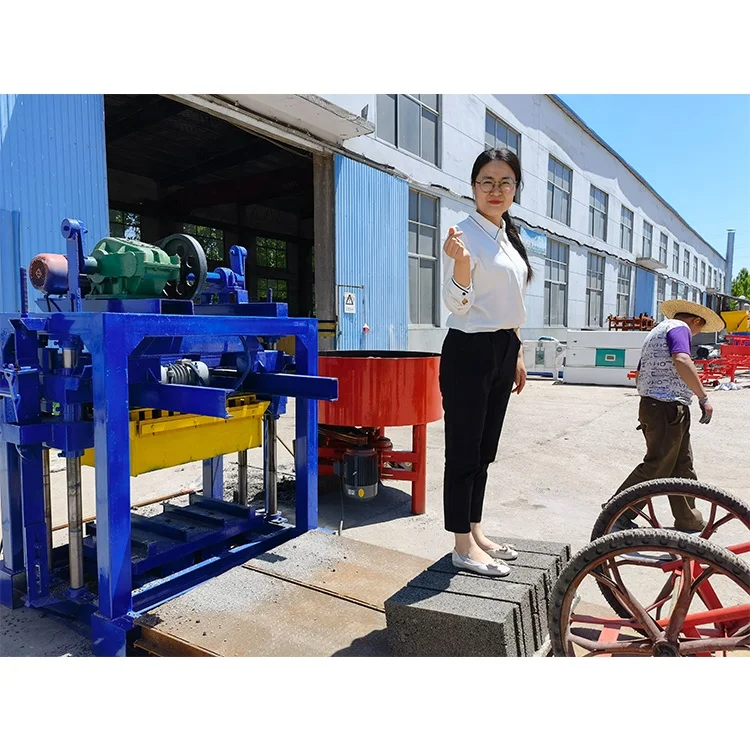
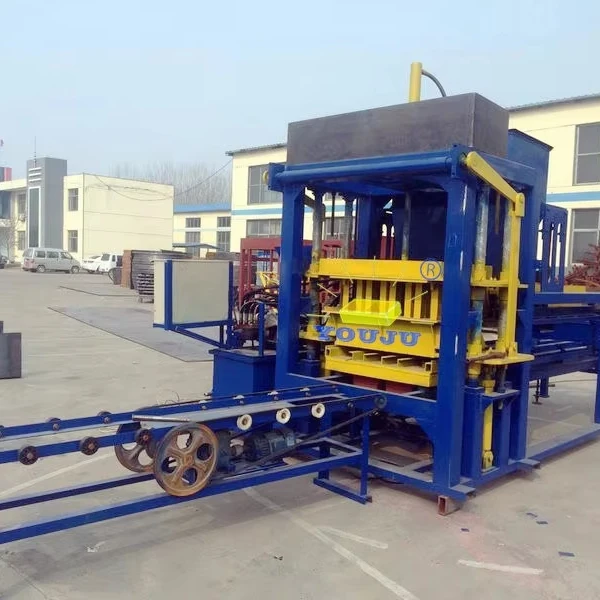
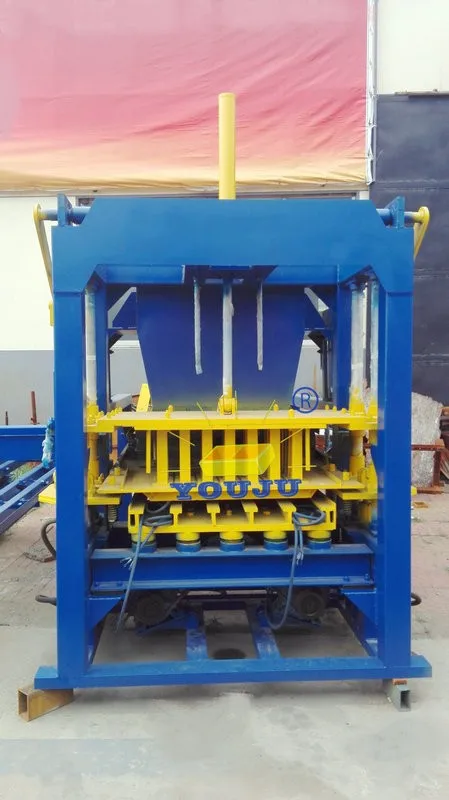
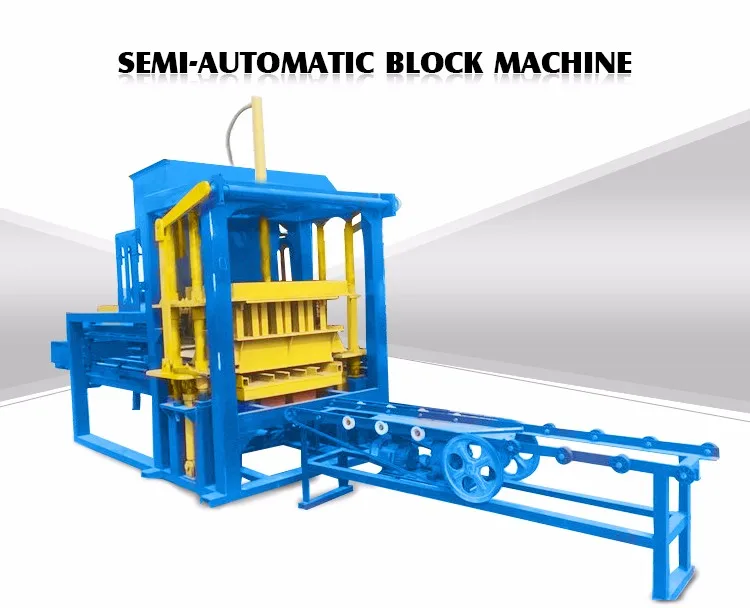
Matched System Dispatch — the QT4-20 block machine in stock ships as a coordinated press, pallet, and mould package rather than a bare unit, reducing on-site assembly gaps for deadline-driven projects.
Technical Specifications
| Parameter | Value |
|---|---|
| Model | QT4-20 |
| Product Type | Hydraulic Block Making Machine |
| Overall Dimensions (L×W×H) | 7100×1600×2610 mm |
| Rated Power | 27.5 kW |
| Rated Pressure | 16–21 MPa |
| Vibration Form | Platform Vibration |
| Vibration Frequency | 4600 r/min |
| Vibration Force | 40 kN |
| Pallet Size | 1020×570 mm |
| Molding Cycle | 15–25 s |
| Molding Area | 400×800 mm |
| Demolding Method | Hydraulic |
| Total Mass | 5 T |
| Recommended Factory Area | 500 m² |
| Control System | PLC (brand and language options to be confirmed) |
| Voltage & Frequency | Configurable (basis to be confirmed for destination market) |
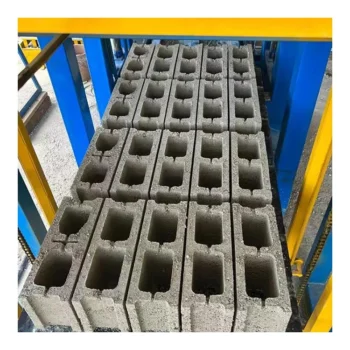
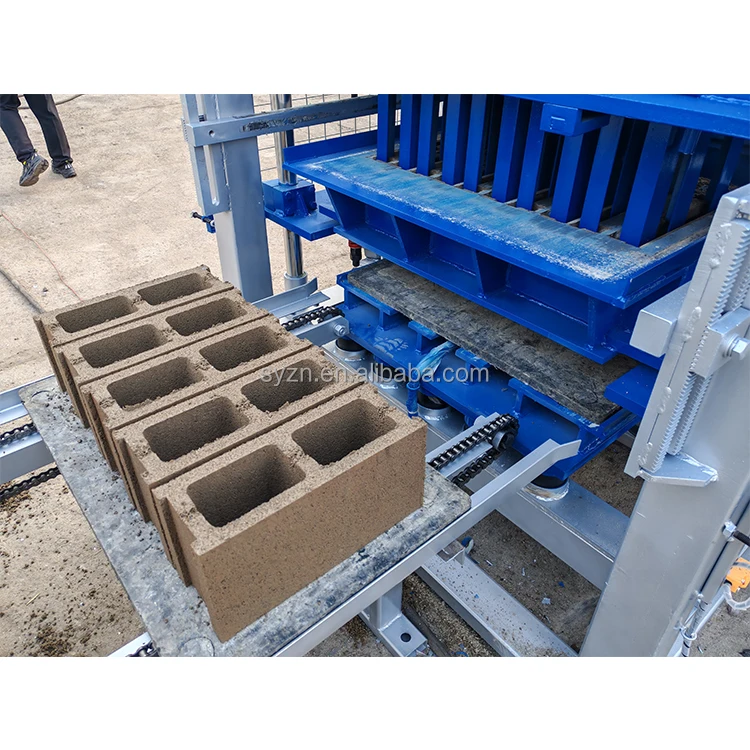
| Theoretical Productivity — Hollow Brick (400×200×200 mm, 4 pcs/mould, 15–20 s cycle) | 7,200–9,600 pcs/day |
| Theoretical Productivity — Porous Brick (240×115×90 mm, 14 pcs/mould, 15–20 s cycle) | 20,200–26,800 pcs/day |
| Theoretical Productivity — Standard Brick (240×115×53 mm, 28 pcs/mould, 15–27 s cycle) | 47,400–53,700 pcs/day |
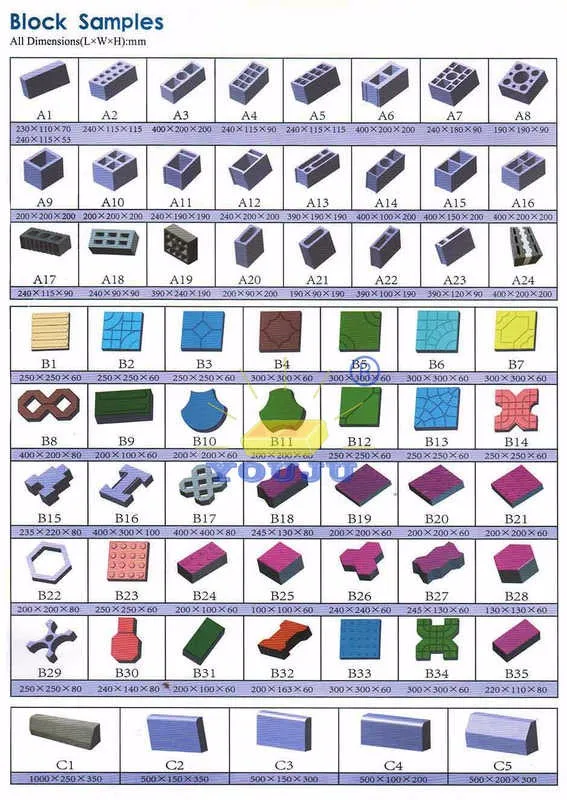
| Applied Products | Concrete blocks, hollow/solid blocks, pavers |
| Raw Materials | Crushed stone, sand, cement, dust, fly ash, gravel, slag |
| Warranty | One year for the whole machine |
| Certification | CE (scope and validity to be verified) |
Application Suitability
| Application | Material or Output |
|---|---|
| Housing project hollow block production | Crushed stone and cement mix, 400×200×200 mm format |
| Infrastructure kerb and paver runs | Sand, gravel, and slag blends, interlocking formats |
| First plant setup for standard brick supply | Fly ash and dust blends, 240×115×53 mm format |
| On-site contractor block production | Local aggregate with cement, hollow and solid formats |
| Distributor inventory for regional resale | Standard hollow and porous brick formats from stock |
Why Voltage Confirmation Must Happen Before the Container Leaves
A stocked machine that cannot energize on arrival is not a fast delivery — it is a delayed project.
I have watched QT4-20 block machine in stock orders sit on a jobsite for weeks because the motor nameplate read 380V/50Hz while the local grid ran 440V/60Hz. The PLC cabinet sat idle, the hydraulic pump never cycled, and the contractor burned through a concrete crew’s wages waiting for a transformer or a rewound motor. This happens more often than it should [NEED_CITE: voltage and frequency mismatches in exported industrial machinery]. The fix takes five minutes at the order stage and weeks on the ground.
Dispatch Timing Without the Guesswork
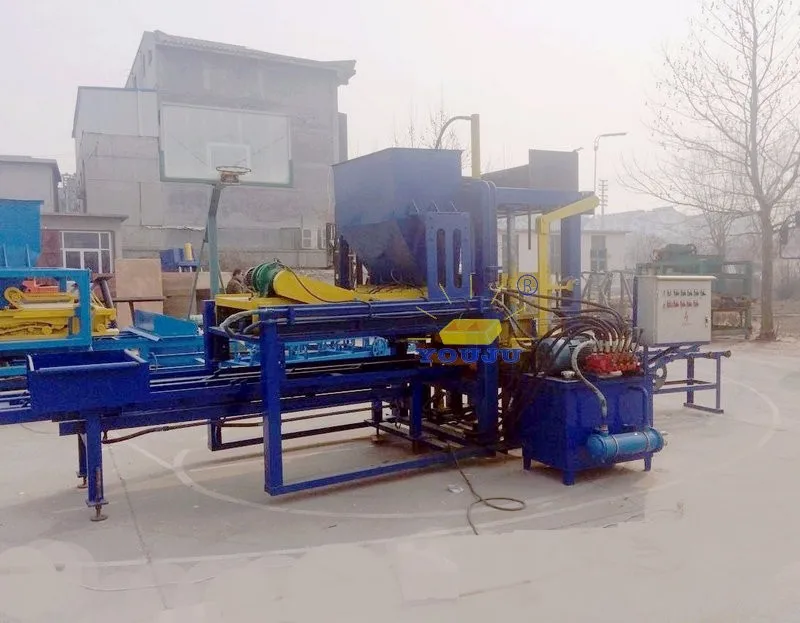
When a project deadline is fixed, the lead time conversation needs to cover more than the press itself. The QT4-20 block machine in stock leaves the yard as a matched unit — press frame, hydraulic station, PLC cabinet, and standard mould set. Dispatch scheduling begins the moment the voltage, frequency, and PLC display language are locked in writing, not assumed from a catalogue default.
What Actually Ships in the Container
A bare press without pallets, without a pallet feeding station, and without a stacking frame means the buyer is hand-stacking wet blocks from hour one. Before release, the loading plan confirms whether the shipment includes the 1020×570 mm pallets, the hydraulic power unit, and the mould formats the buyer’s market actually moves. Container space is calculated around the dismantled frame, the pallet stack, and the mould crate [NEED_CITE: container loading plans for stationary block machinery].
Reading the Numbers That Matter
The 40 kN vibration force paired with 16–21 MPa hydraulic pressure determines how tightly the mix compacts before demolding — too little vibration on a coarse gravel mix produces crumbly edges, while too much pressure on a fine fly ash blend can crack green blocks on the pallet. The 1020×570 mm pallet size must match the curing racks the buyer already owns or plans to build; a mismatch means either new racks or blocks curing on the ground. The 15–25 s molding cycle varies by format — a four-cavity hollow block mould cycles differently from a twenty-eight cavity standard brick mould, and daily output figures only hold when the stated format and cycle time are both respected.
The Cost of Skipping the Auxiliary Question
Buyers who focus on the press price and skip the pallet handling conversation end up paying for it in labour. Blocks stacked by hand cool unevenly, crack at different rates, and require more curing space than a racked line. A QT4-20 running without a pallet return system means an operator walks every pallet back to the feed side — across a 500 m² floor, that distance adds up fast [NEED_CITE: labour allocation in semi-automatic block plants]. The auxiliary stations are not extras; they are what turns a press into a line.
Why Buyers Source This Model Here
Block machinery is a single focus for the supply team, so the QT4-20 press, its moulds, pallets, and handling stations are specified together rather than pulled from separate vendors. Configuration is set against the buyer’s actual mix and local aggregate, not a generic default. Standard moulds for hollow, porous, and solid formats ship from stock, and custom mould drawings are supported when the local market demands a format outside the standard range. Voltage, frequency, and PLC language are confirmed per order, so the machine powers up on arrival rather than waiting for field modifications.
Documentation & Verification
- Machine specification sheet listing confirmed pallet size and mould format set
- Voltage and frequency confirmation record signed before production release
- PLC display language confirmation matching operator requirements
- Factory test record on the buyer’s target block format before dispatch
- Container loading photographs showing dismantling state and bracing
- Customs documentation package aligned to destination import requirements
Installation, Commissioning & Support
- Foundation pad sized to the 7100×1600 mm footprint with level tolerance specified
- Dedicated power circuit matched to the confirmed 27.5 kW load and voltage rating
- Dismantled press reassembled on-site with hydraulic lines pressure-tested before first cycle
- PLC parameters set to the buyer’s confirmed block format and molding cycle
- Operator training on mould change procedure and hydraulic pressure adjustment
- Wear parts list covering hydraulic seals, vibration springs, and mould liners
- Maintenance schedule aligned to the 40 kN vibration platform inspection intervals
What to Include in Your Inquiry
Send the target block format, the daily output required for that specific format, and the local aggregate available at the project site. Confirm the grid voltage and frequency at the installation point, along with the preferred PLC display language. State whether pallets and auxiliary handling stations are needed in the shipment or already on-site.
Frequently Asked Questions
Q: Is the QT4-20 currently in stock, and what is the dispatch lead time?
A: The QT4-20 is held as a stocked press unit. Dispatch timing depends on confirming voltage, frequency, and PLC language before release. Once those are locked, the container loading plan is finalized and a shipment date is provided upfront rather than estimated.
Q: Which mould formats are stocked and ready to ship with the machine?
A: Standard stocked moulds cover hollow block, porous brick, and standard brick formats. The exact cavity count and block dimensions are confirmed against the buyer’s market requirements before the mould crate is packed for shipment.
Q: How is the machine dismantled and loaded into a container for shipment?
A: The press frame, hydraulic station, and PLC cabinet are dismantled into container-sized sections. Pallets and moulds are crated separately. Loading photographs are taken before the container doors close, and the dismantling method is documented for on-site reassembly.
Q: What voltage and frequency configurations are available from stock?
A: The motor and control cabinet are configurable for common export voltages and frequencies. The exact configuration must be confirmed against the buyer’s local grid before the machine is released for loading, as stock units are adjusted per order.
Q: What is included in the shipment — press only, or pallets and auxiliary equipment as well?
A: The shipment scope is confirmed before ordering. Options include the press with matched 1020×570 mm pallets, standard mould set, and hydraulic power unit. Auxiliary stations such as pallet feeding and stacking are available and must be specified at the inquiry stage.