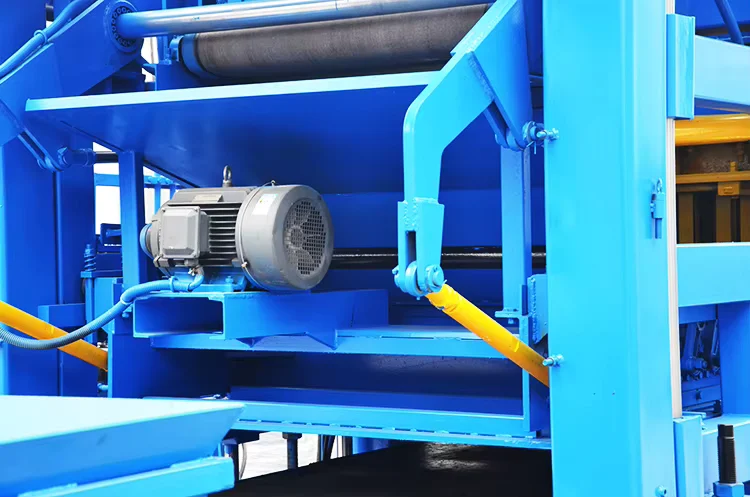
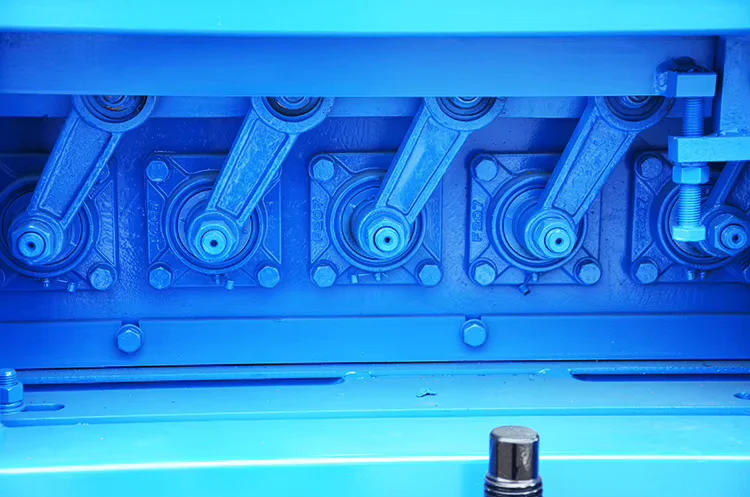
Description
Dispatch Readiness — electrical specifications and container loading schemes are verified before the QT12-15 leaves the facility to prevent port or site delays.
Technical Specifications
| Parameter | Value |
|---|---|
| Model | QT12-15 |
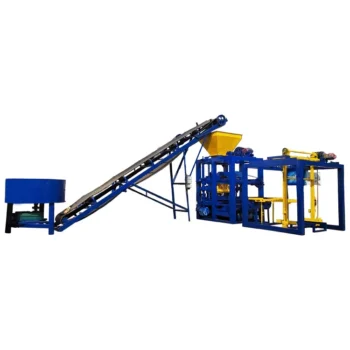
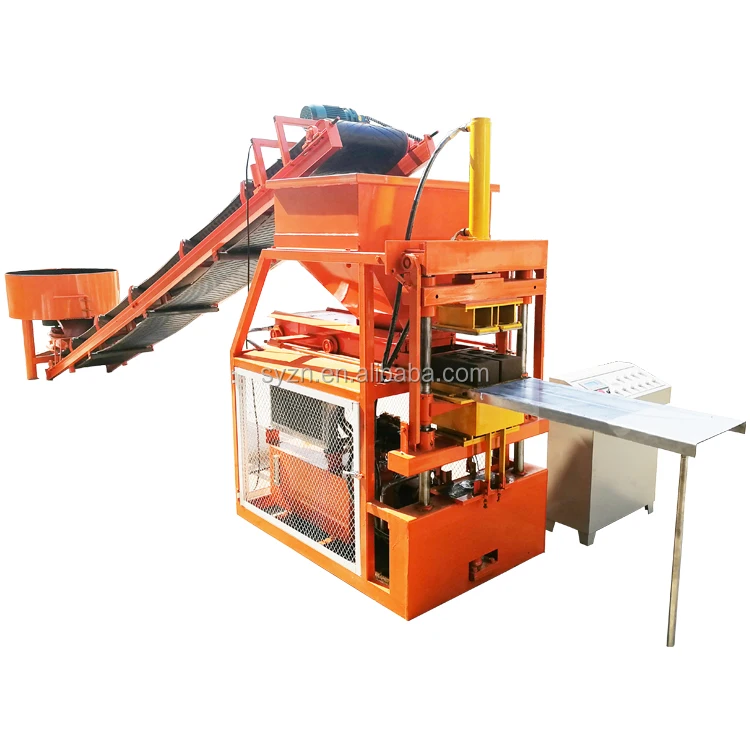
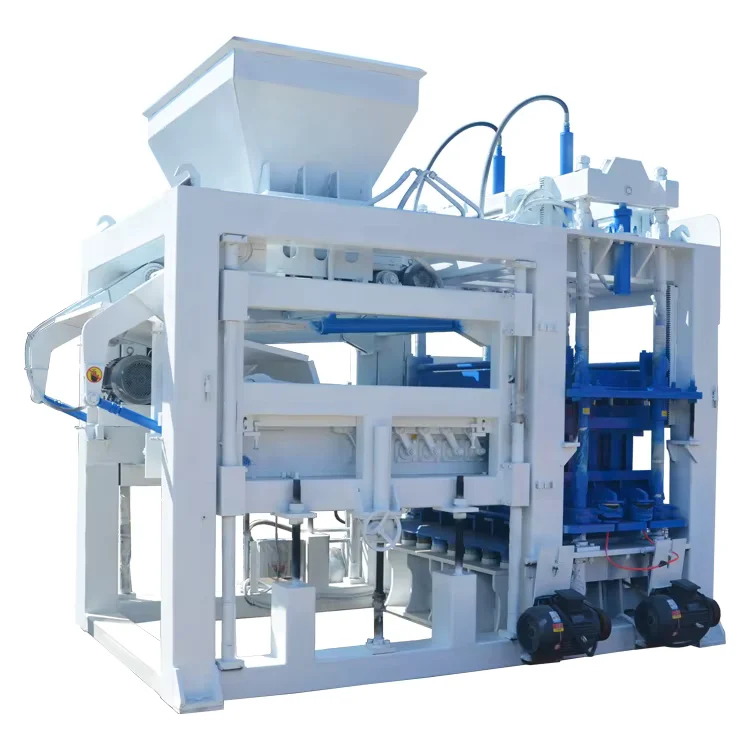
| Product Type | Fully Automatic Concrete Block Production Line |
| Voltage Options | 110 V, 220 V, 240 V, 330 V, 380 V, 400 V, 415 V, 440 V (Frequency to be confirmed) |
| Control System | PLC |
| Overall Dimensions (L×W×H) | 5870×2220×2850 mm |
| Net Weight | 12000 kg |
| Forming Method | Hydraulic pressure |
| Automation Level | Fully Automatic |
| Standard Brick Sizes | 400×100×200 mm, 400×120×200 mm, 390×190×190 mm, 200×100×60 mm, 300×150×100 mm |
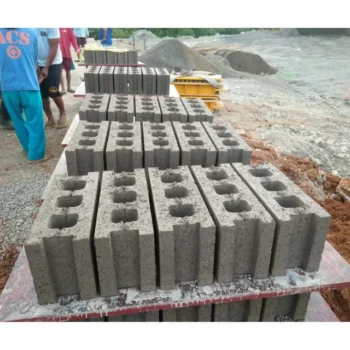
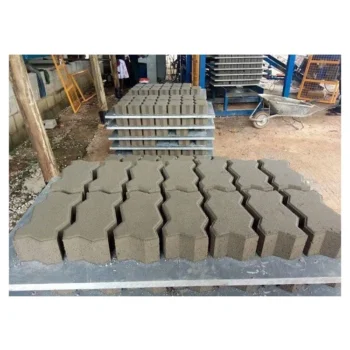
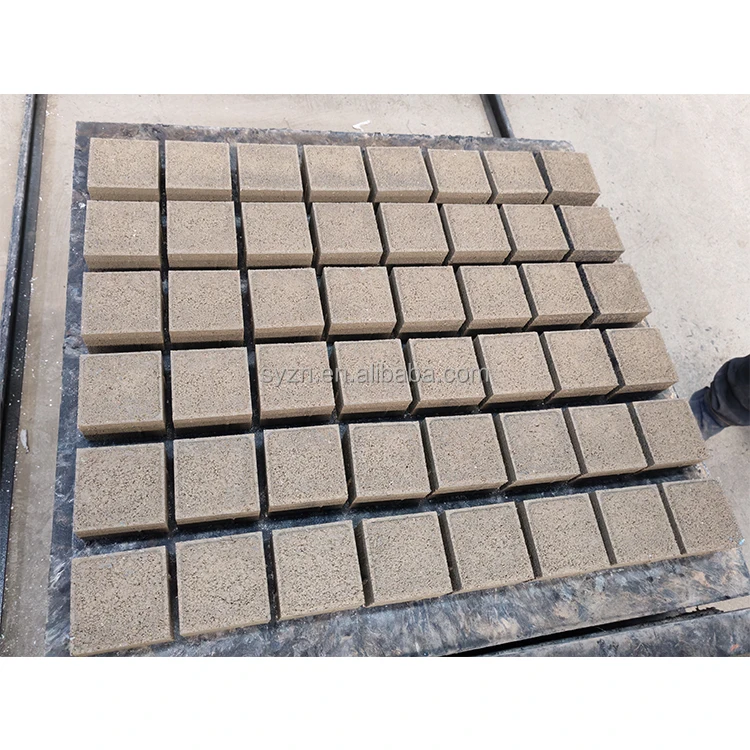
| Block Type | Hollow, Solid, Paver, Curbstone, Interlocking |
| Output Capacity | High output (basis to be confirmed) |
Application Suitability
| Application | Material or Output |
|---|---|
| Block and paver production plants | Standard concrete raw materials for high-volume hollow and solid blocks |
| Construction contractors producing blocks on-site | Crushed stone, sand, and cement for immediate project fulfillment |
| Concrete product manufacturers | Standard aggregates for interlocking bricks and curbstone formats |
Why the Voltage Question Must Precede the Dispatch Date
Confirming the exact local voltage and frequency prevents a multi-week site standstill.
When a production line arrives at a foreign port, the excitement of installation quickly turns into frustration if the PLC control engine refuses to power up due to a mismatched electrical grid. I once oversaw a commissioning where the local site voltage was assumed rather than verified, resulting in a three-week delay while transformers were modified on-site. Securing a QT12-15 concrete block machine in stock is only the first step; matching the electrical specs to the destination facility ensures the equipment actually runs upon arrival [NEED_CITE: voltage and frequency standards by export market].
Container Loading and Dismantling Logistics
Moving a 12000 kg machine across oceans requires precise dismantling and loading plans. The QT12-15 concrete block machine in stock is prepared with standardized dimension calculations to maximize container space and secure the heavy hydraulic components during transit.
Upfront Arrival Estimates for Tight Deadlines
Project contractors cannot afford vague shipping windows when building schedules are fixed. We provide clear dispatch lead times and arrival estimates so you can align your foundation pouring and raw material delivery with the actual equipment arrival.
Dimension and Weight Impacts on Site Preparation
The 5870×2220×2850 mm footprint and 12000 kg net weight dictate your facility’s concrete foundation requirements. Understanding these physical parameters before the fast delivery process begins allows your civil team to prepare the curing areas and forklift routes without last-minute modifications [NEED_CITE: heavy machinery foundation load bearing requirements].
The Hidden Cost of Overlooking Grid Compatibility
Assuming a standard 380 V supply without checking the local frequency can destroy motors and delay the entire construction timeline. When buyers focus solely on fast delivery and ignore the electrical confirmation step, they risk paying for emergency rewinding or sourcing step-down transformers locally, which completely derails the initial project budget and handover dates [NEED_CITE: industrial motor failures due to frequency mismatch].
Why Procure This Ready-to-Ship Line Here
Our single focus on block machinery means the press, pallets, and handling equipment are dispatched as a matched system, avoiding integration delays from separate suppliers. We confirm your destination voltage and PLC language before crating, ensuring the QT12-15 concrete block machine in stock powers up correctly on day one. Standard moulds and supporting components are packed with clear loading schemes, and our documentation team handles the customs paperwork to prevent port hold-ups.
Documentation & Verification
- Factory test records verifying hydraulic pressure performance before crating
- Outgoing video inspection showing the dismantling and loading sequence
- Complete customs documentation package to accelerate port clearance
- Electrical schematic confirming the selected voltage and PLC configuration
Installation, Commissioning & Support
- Foundation blueprints mapped to the 5870×2220×2850 mm machine footprint
- Power distribution guides for the confirmed 110 V to 440 V electrical setup
- On-site reassembly supervision following the pre-planned container loading scheme
- PLC interface language verification during the initial power-up sequence
- Hydraulic pressure vessel testing and calibration upon final assembly
- Wear parts inventory list provided to prevent early operational stoppages
Preparing Your Site for Immediate Integration
To finalize the dispatch schedule, please provide your facility’s exact voltage and frequency, the available footprint for the machine and curing racks, and your target block formats. This information allows us to confirm the container loading plan and lock in the arrival estimate for your project timeline.
Frequently Asked Questions
Q: What is the current dispatch lead time and estimated arrival for the QT12-15?
A: Because this model is kept in ready-to-ship inventory, the dispatch lead time is significantly shorter than custom builds. Once we confirm your electrical specifications and destination port, we provide an exact arrival estimate so you can schedule your site preparation and raw material deliveries accurately.
Q: How is the machine dismantled and loaded into containers for fast shipment?
A: The 12000 kg line is systematically dismantled into major assemblies to fit standard shipping containers securely. We provide a detailed container loading scheme and outgoing video inspection, ensuring all hydraulic and PLC components are protected and easily reassembled upon arrival at your facility.
Q: Are standard moulds and pallets included in the ready-to-ship stock?
A: Yes, the stock package includes the standard moulds and pallets matched to the machine’s hydraulic pressure and vibration force. We confirm the specific block formats you require before dispatch to ensure the loaded container contains everything needed for immediate production.
Q: Can the voltage and PLC language be adjusted quickly before dispatch?
A: Absolutely. Verifying the local voltage and PLC display language is a mandatory step before crating. We configure the electrical system to your exact grid requirements, preventing the costly on-site transformer modifications and commissioning delays that often plague international equipment purchases.
Q: What customs and shipping documentation is provided to ensure smooth delivery?
A: We supply a comprehensive customs documentation package, including detailed packing lists, commercial invoices, and machinery test reports. This proactive paperwork preparation prevents administrative hold-ups at the destination port, keeping your fast delivery schedule intact.