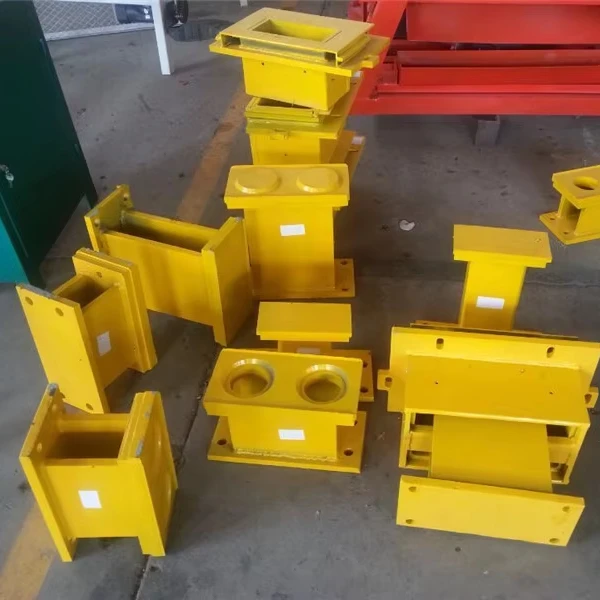
Description
Ready-Machine Focus — Stocked ECO 2700 units skip the production queue, arriving container-ready so your project timeline stays intact rather than waiting on a factory build slot.
Technical Specifications
| Parameter | Value |
|---|---|
| Model | ECO 2700 |
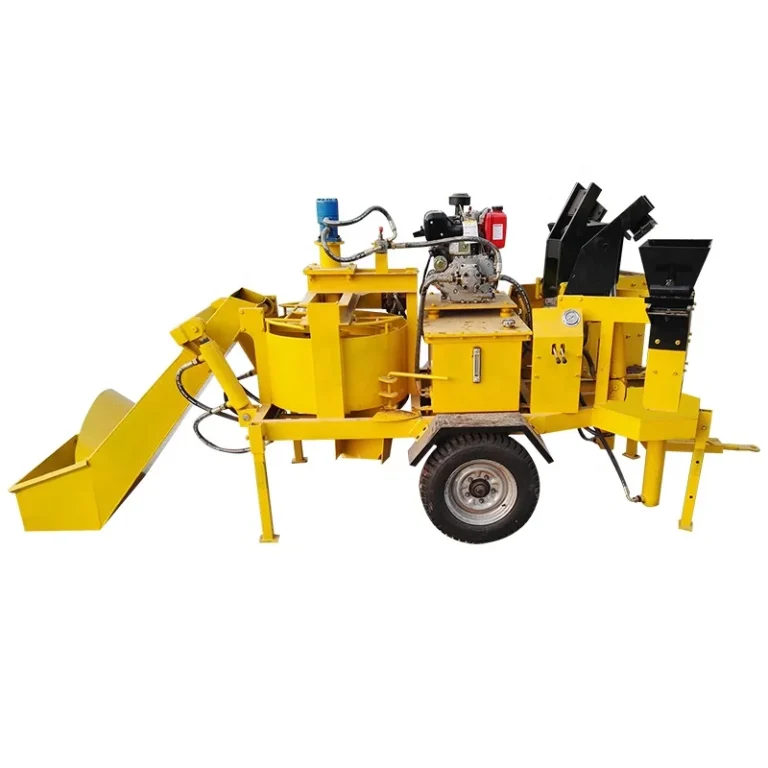
| Product Type | Hydraulic Clay Interlocking Brick Machine |
| Overall Dimensions (L×W×H) | 1600 × 1300 × 2330 mm |
| Total Mass | 1100 kg |
| Engine | 7.5 kW / 12 hp diesel |
| Hydraulic Pressure | 16 MPa |
| Molding Cycle | 10–15 s |
| Output Capacity | 2800 pcs/day (basis not stated in source — confirm block format / material / thickness) |
| Compatible Raw Materials | Clay, cement, sand, soil, shale, fly ash, white lime |
| Hydraulic Cooling | Automatic temperature-controlled switch based on oil temperature |
| Finished Product Strength | Above 12 MPa |
| Mould Change | Manual, interchangeable for various interlocking shapes |
| Assembly State | Skid-mounted compact unit |
Application Suitability
| Application | Material or Output |
|---|---|
| On-site construction brick manufacturing | Local clay blended with cement and sand for wall courses |
| Small-scale interlocking brick plant | Soil and shale mixes pressed into dry-stack format bricks |
| Low-investment community brick production | Fly ash and white lime blends for affordable housing units |
| Rural development block supply | Crushed shale and clay combinations for load-bearing interlocking formats |
What "2800 Bricks per Day" Actually Means for Your Schedule
Capacity figures only hold weight when tied to a specific block format, mix design, and shift length — without those, the number is a placeholder, not a promise.
When I was running factory test cycles before moving to the export desk, I watched buyers plan entire project schedules around brochure capacity numbers. One contractor ordered a clay interlocking brick machine expecting the quoted daily output, only to find that his local clay — higher in sand content than the test standard — required longer press holds and cut actual yield noticeably. The line sat idle while the mix was reformulated, and the project deadline slipped. That is why the ECO 2700 clay interlocking brick machine in stock conversation should always start with your soil sample and target brick dimensions, not just the cycle count [NEED_CITE: clay composition variability and its effect on hydraulic press cycle times].
Dispatch Timing That Matches Your Project Calendar
Buyers working against construction deadlines cannot absorb typical multi-week production queues. The ECO 2700 clay interlocking brick machine in stock status means the unit has already passed factory testing and is positioned for immediate container loading. You confirm the dispatch window, we send packing photographs and the loading plan, and the machine moves to port without waiting for a build slot to open. This matters most for housing project contractors who need interlocking bricks on-site before the wet season or before the next construction phase gates close.
Container Loading and the Compact Footprint Advantage
The ECO 2700 measures 1600 × 1300 × 2330 mm and weighs 1100 kg — dimensions that fit a standard 20-foot container with room left for additional moulds and spare hydraulic seals. Skid-mounted assembly means the unit arrives as one compact section rather than requiring a full day of reassembly on your slab. The diesel engine eliminates any dependency on site electrical infrastructure before commissioning, so the machine can begin pressing bricks the day the forklift sets it down [NEED_CITE: standard container internal dimensions and loading clearances for skid-mounted machinery].
Reading the Specs That Matter Beyond Arrival
The 16 MPa hydraulic pressure rating determines how densely the clay-cement mix is compressed before curing — lower pressure leaves air pockets that reduce finished brick strength below the 12 MPa threshold. The automatic temperature-controlled cooling system monitors hydraulic oil heat during sustained pressing sessions; without it, oil viscosity drops in hot climates and pressure consistency degrades across the shift. The 10–15 second molding cycle range reflects variation between simple solid formats and deeper interlocking profiles that require longer dwell times under pressure. Mould change is manual, meaning a trained operator swaps dies with hand tools rather than waiting on automated clamping — a reasonable trade-off at this machine tier, provided you have the right wrench sizes on hand and the new mould pre-staged beside the press.
When Fast Dispatch Hides a Configuration Mismatch
Speed only helps if the machine that arrives actually matches your conditions. I have seen buyers rush a stock order without confirming whether the hydraulic pressure setting aligned with their clay density, resulting in bricks that crumbled during pallet handling. Others skipped the voltage check on ancillary electrical components — the cooling system switch, for example — and discovered on arrival that the control wiring did not match local frequency standards [NEED_CITE: voltage and frequency standards by export market]. A fast dispatch means nothing if the first week on-site is spent sourcing step-down transformers or recalculating mix ratios because the machine was configured for a different region’s material profile.
Why Buyers Source the ECO 2700 Through This Channel
Single-focus block machinery supply means the ECO 2700 is specified as a matched system — press, mould, and pallet dimensions confirmed together rather than assembled from separate vendors who shift blame when output falls short. Configuration is set against your actual clay sample and target interlocking format, not a catalogue default, so the machine you receive has already been tested with a mix close to yours. Mould design covers the formats your local market actually sells, including custom drawings when standard dies do not match regional wall dimensions. Automation level stays selectable — start with the manual mould change and add pallet handling later without replacing the press. Documentation arrives with the shipment, not weeks after via email chasing.
Documentation & Verification
- Factory test record run on a clay blend matching your submitted soil sample before dispatch
- Packing photographs and container loading plan sent for your approval prior to shipment
- Machine specification sheet confirming hydraulic pressure, engine rating, and mould dimensions
- Mould drawing and format list for every interlocking profile included in the order
- Customs documentation support with HS codes and origin certificates for smooth port clearance
Installation, Commissioning & Support
- Skid-mounted base requires a level concrete pad matching the 1600 × 1300 mm footprint with anchor bolt provisions
- Diesel engine eliminates grid connection needs for the press; verify local voltage only for the cooling system control circuit
- Machine arrives fully assembled on skid — position with a forklift rated for 1100 kg minimum lift capacity
- First-cycle commissioning includes hydraulic pressure calibration against your clay-cement mix design
- Manual mould change procedure covered during operator training with wrench set and die alignment steps
- Hydraulic wear parts list and recommended seal replacement intervals provided at handover
What to Include in Your Inquiry
Send your target interlocking brick dimensions, the daily output you need for that specific format, and a soil sample or composition breakdown from your local source. Include your site conditions — ambient temperature range during production months, available curing area dimensions, and whether you already own pallets or forklifts that the machine must accommodate. Confirm your local voltage and frequency for the ancillary control circuit, and note your preferred PLC display language so commissioning proceeds without translation delays.
Frequently Asked Questions
Q: Is the ECO 2700 currently in stock, and what is the dispatch lead time?
A: Stock status is confirmed at the time of inquiry and can shift based on pending orders. Once confirmed available, the ECO 2700 typically moves to container loading within days rather than weeks, since factory testing has already been completed. You receive packing photographs and the loading plan before the container is sealed, so there are no surprises at the port of origin.
Q: How is the machine packed and loaded for container shipment?
A: The ECO 2700 is skid-mounted at 1100 kg and fits a standard 20-foot container with space remaining for extra moulds, hydraulic seals, and pallet stock. The unit is secured to the container floor with lashing points on the skid frame. Packing photographs are shared before sealing so you can verify positioning and protective wrapping.
Q: What is the estimated arrival time to my port after dispatch?
A: Ocean transit depends entirely on your destination port and current shipping lane schedules. Once the container is booked, the freight forwarder provides a vessel departure date and estimated arrival. We quote the arrival estimate upfront alongside the dispatch confirmation so you can plan site preparation and crew scheduling accordingly.
Q: What customs documentation is provided with the shipment?
A: The shipment includes the commercial invoice, packing list, bill of lading, certificate of origin, and CE declaration where applicable. HS codes for the machine and any spare parts are confirmed in advance. We support your customs broker with any additional paperwork the importing country requires to clear the equipment without delay.
Q: Can I order additional moulds and spare parts in the same container to save freight?
A: Yes. The ECO 2700’s compact footprint leaves container space for supplementary interlocking moulds, hydraulic seal kits, and replacement pallets. Consolidating these into the same shipment avoids separate freight charges and ensures everything arrives together so production can begin immediately after commissioning.