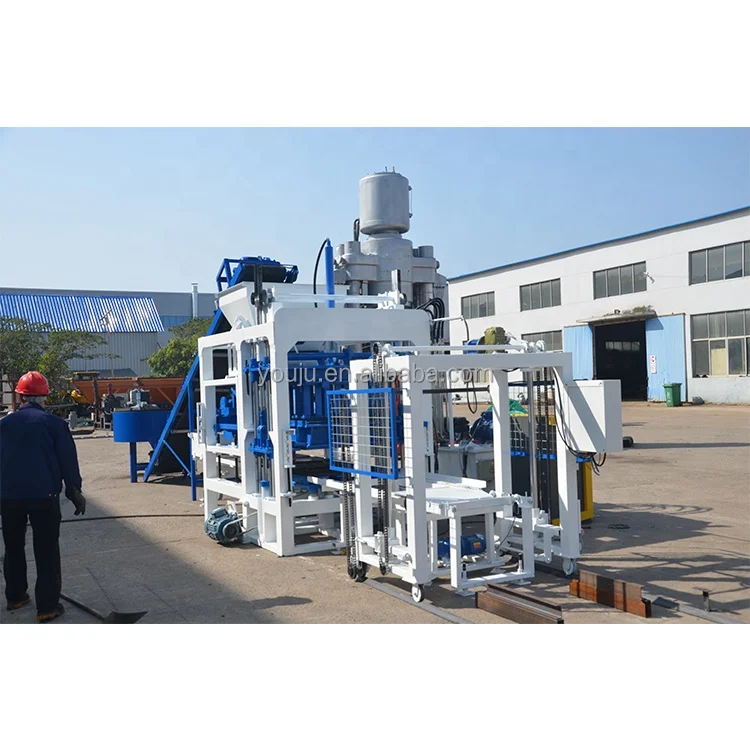


Description
Stocked and ready — QT4-18 units held in the yard for container loading, with dispatch lead times confirmed against the vessel schedule so your project start date holds.
Technical Specifications
| Parameter | Value |
|---|---|
| Model | QT4-18 |
| Product Type | Automatic Concrete Block Making Machine |
| Overall Dimensions (L×W×H) | 2500×1750×2200 mm |
| Rated Pressure | 16 MPa |
| Vibration Form | Platform Vibration |
| Pallet Size | 950×550 mm |
| Molding Cycle | 18–25 s (basis to be confirmed) |
| Overall Power | 27.5 kW |
| Control System | PLC with frequency converter |
| Electrical Components | Schneider |
| Mold Lifting Mechanism | Double-sided sync gears |
| Material Feeding System | Distribution belt hopper |
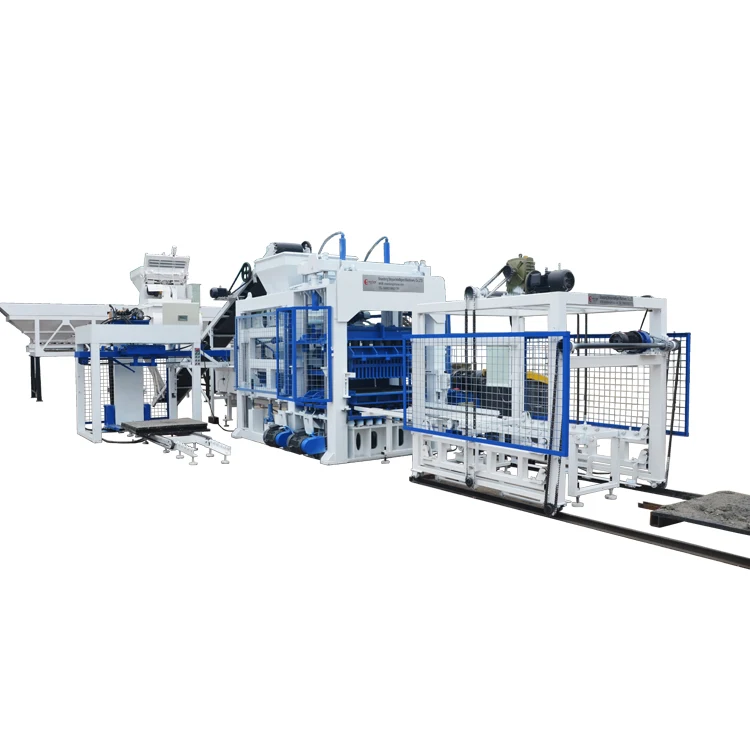
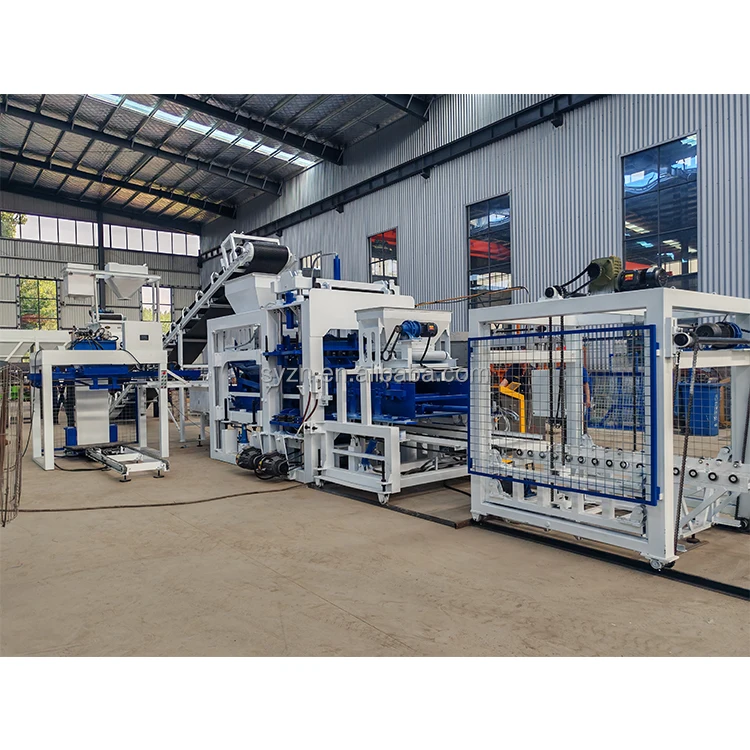
| Assembly State | Composed of mixer, pallet conveyor, molding machine, block conveyor, hydraulic station and electronic console |
Application Suitability
| Application | Material or Output |
|---|---|
| Hollow block production for wall structures | Crushed stone, river sand and cement mix |
| Solid block manufacturing for load-bearing use | Local aggregate with cement binder |
| Paving block production for yards and walkways | Fine aggregate and cement at higher pressure settings |
| On-site block supply for housing projects | Site-sourced sand and gravel with Portland cement |
Why Arrival Date Matters More Than the Brochure Cycle Time
The QT4-18 automatic block machine in stock is quoted with a confirmed dispatch date, not a catalogue estimate.
Project contractors often lock in a construction schedule before the block machine has left the factory. When the vessel booking slips or the container loading plan is unclear, the entire site timeline shifts. I have watched crews stand idle because a QT4-18 automatic block machine in stock was described as ready but still needed voltage conversion and a language reset on the PLC display before it could ship [NEED_CITE: typical port dispatch and container consolidation delays for industrial machinery].
Container Loading and Dispatch Reality
Every QT4-18 automatic block machine in stock is photographed at each dismantling stage before it enters the container. The mixer, pallet conveyor and hydraulic station are secured separately so that no component shifts during sea transit. Buyers receive packing photographs and a loading plan before the container doors close, removing guesswork when the shipment arrives at the destination port.
Matching Voltage and Frequency Before Dispatch
Electrical configurations vary across export markets, and a QT4-18 built for one grid standard cannot simply be rewired on site without delaying commissioning [NEED_CITE: voltage and frequency standards by export market]. Schneider electrical components are specified at the factory to match the buyer’s confirmed voltage, frequency and phase, so the electronic console powers up correctly the first day. The PLC display language is set before the machine leaves the workshop, meaning the operator does not face an unfamiliar interface at start-up.
Reading the Numbers That Actually Matter on Site
The 16 MPa rated pressure and platform vibration work together to compact the mix into the mould cavity. If the local aggregate is coarse or the sand carries high clay content, the vibration amplitude and hydraulic dwell must be adjusted to reach the target block density. The 950×550 mm pallet size defines the curing rack footprint; ordering pallets that do not match the buyer’s existing forklift or curing yard layout creates handling bottlenecks the machine itself cannot solve. The molding cycle of 18–25 s is achievable only when the distribution belt hopper feeds consistently and the mixer delivers a uniform batch — any interruption upstream stretches the cycle and drops daily output.
What Happens When the Pallet and Curing Area Do Not Match
A buyer who selects pallet material without considering the local climate and curing method often finds blocks sticking or cracking during the first week of production. Wooden pallets absorb moisture differently from bamboo or PVC alternatives, and a mismatch shows up as uneven block surfaces rather than a machine fault. I have seen sites lose an entire curing cycle because the pallet dimensions did not align with the rack spacing already welded in the yard [NEED_CITE: block curing rack and pallet compatibility standards].
Why Buyers Choose This Source for Stocked Equipment
Stock status is confirmed in writing before the order is placed, so the dispatch date is a commitment, not a hope. The QT4-18 ships as a matched set — mixer, pallet conveyor, moulding press, block conveyor and hydraulic station — rather than assembled from separate suppliers on arrival. Container loading plans and machine dismantling photographs are shared before shipment. Voltage, frequency and PLC language are locked in during the order stage, not discovered at the port of destination.
Documentation & Verification
- Factory test record showing molding cycle on your specified block format before dispatch
- Voltage, frequency and PLC display language confirmation sheet signed at order stage
- Packing photographs of each dismantled assembly before container doors close
- Container loading plan with weight distribution for your shipping line
- Customs documentation package with HS codes matched to destination country requirements
Installation, Commissioning & Support
- Foundation slab must support 27.5 kW total load with dedicated circuit breaker for the hydraulic station
- Machine arrives dismantled; mixer and pallet conveyor bolt to the main frame on site
- PLC display language and frequency converter parameters verified during first power-on
- Distribution belt hopper calibrated to your local aggregate gradation during commissioning
- Double-sided sync gear mold lifting adjusted to match the specific mould weight installed
What to Include in Your Inquiry
Share the block format you intend to produce, the local aggregate type and moisture condition, and your confirmed site voltage and frequency. Let us know the pallet size your curing area is already set up for, and whether you need the PLC display in a specific language. With these details, the dispatch window and container plan can be quoted accurately.
Frequently Asked Questions
Q: Is the QT4-18 currently in stock and what is the real dispatch date?
A: Stock status is confirmed in writing at the time of inquiry. Once the voltage, frequency and PLC language are agreed, a firm dispatch date is issued against the next available vessel booking. Delays typically come from unconfirmed electrical specs rather than machine availability.
Q: How is the machine dismantled and loaded into the container?
A: The mixer, pallet conveyor, moulding press, block conveyor, hydraulic station and electronic console are separated and secured individually. Packing photographs are sent before the container is sealed so the buyer can verify the loading condition.
Q: What voltage and frequency configurations can ship without delay?
A: Common industrial voltage and frequency combinations for export markets are pre-configured using Schneider components. Any non-standard requirement is confirmed at order stage so the correct transformer and motor ratings are installed before dispatch.
Q: What is included in the shipment besides the press itself?
A: The shipment includes the mixer, pallet conveyor, block conveyor, hydraulic station, electronic console and distribution belt hopper. Moulds, pallets and additional handling equipment are quoted separately based on the buyer’s format and curing setup.
Q: How is arrival time estimated from port of loading to destination?
A: Transit time is quoted based on the confirmed vessel schedule from the loading port to the buyer’s destination port. The estimate accounts for direct routing and is shared alongside the dispatch date so the buyer can plan site preparation accordingly.