


Description
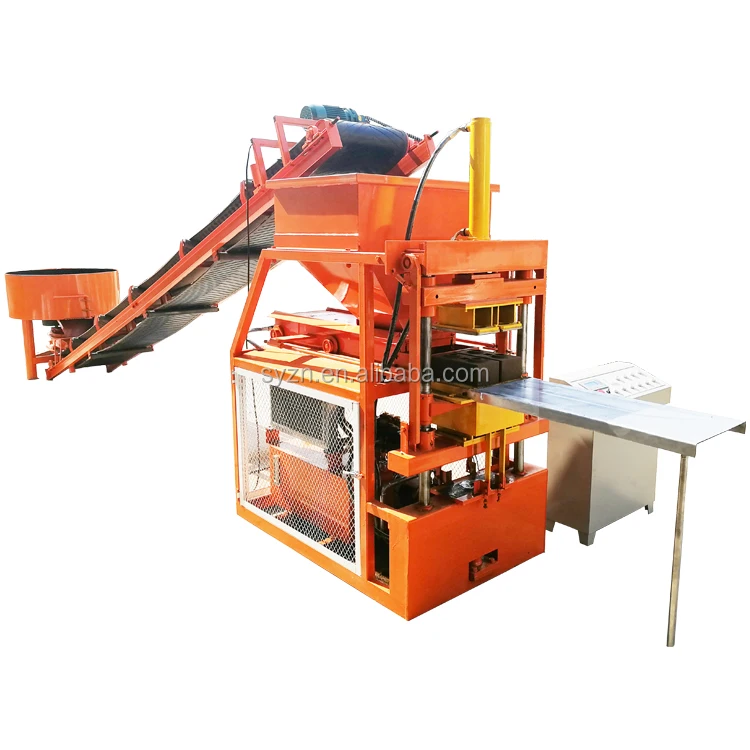
Fast dispatch readiness — every stocked LY2-10 clay brick machine leaves the factory with container loading plans and standard interlocking moulds already matched, so your project timeline is not held hostage by production delays.
Technical Specifications
| Parameter | Value |
|---|---|
| Model | LY2-10 |
| Product Type | Clay Interlocking Brick Making Machine |
| Machine Power | 7.5 kW |
| Molding Cycle | 10 seconds |
| Capacity | 6000 pcs/8 hours (basis not stated in source — confirm block format and material) |
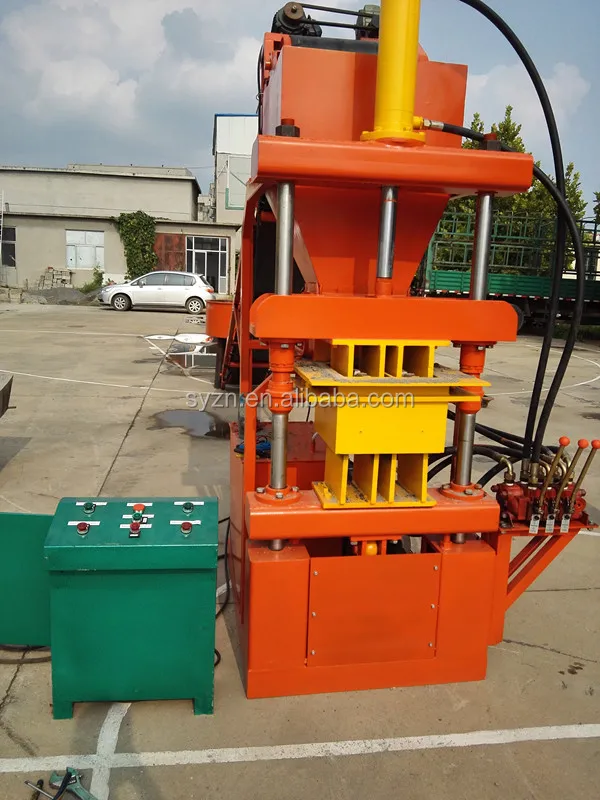
| Bricks per Mould | 2 pcs (interlocking format) |
| Block Size Option 1 | 300 × 150 × 100 mm (1 pc/mould, 750 pcs/hour, 6000 pcs/8 hours) |
| Block Size Option 2 | 250 × 125 × 75 mm (1 pc/mould, 750 pcs/hour, 6000 pcs/8 hours) |
| Block Size Option 3 | 230 × 220 × 115 mm (1 pc/mould, 750 pcs/hour, 6000 pcs/8 hours) |
| Raw Materials | Clay, soil, earth, mud, concrete, cement, fly ash |
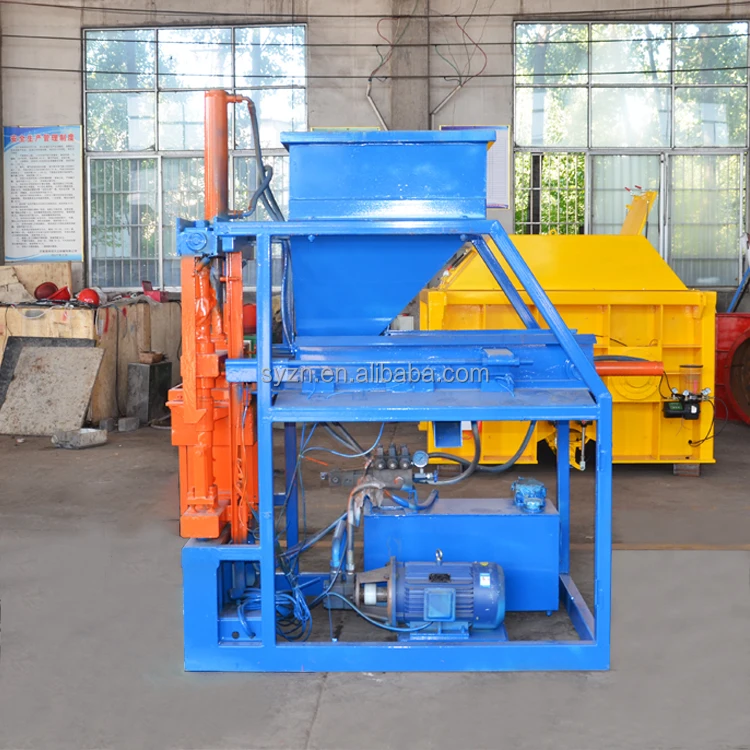
| Overall Dimensions | 1300 × 1800 × 2400 mm |
| Automation Level | Semi-automatic |
| Hydraulic Pressure | To be confirmed at order |
| Vibration Force | To be confirmed at order |
| Pallet Size | To be confirmed at order |
| Voltage & Frequency | Configurable per destination market |
| Control System | To be confirmed at order |
Application Suitability
| Application | Material or Output |
|---|---|
| On-site interlocking brick production for housing projects | Local clay or soil blended with cement |
| Small workshop paver and wall block manufacturing | Earth, mud, and fly ash mixes |
| Contractor-produced structural blocks for masonry walls | Clay and concrete with locally sourced aggregate |
| Rural building material supply points | Soil-cement interlocking bricks in multiple formats |
What "6,000 Pieces per Day" Actually Means for Your Schedule
The capacity figure only holds if the block format, material density, and mould configuration match what was tested at the factory.
Buyers working to a construction deadline often see a daily output number and plan their entire site schedule around it. The reality is that a 300 × 150 × 100 mm interlocking brick cycles differently from a smaller 250 × 125 × 75 mm unit, and clay with high moisture content behaves nothing like a dry soil-cement mix. When a project manager books a LY2-10 clay brick machine in stock based on a headline capacity and then discovers the actual output on their chosen format falls short, the subcontractors and masons are already on site waiting [NEED_CITE: block format impact on daily output calculations]. I have watched contractors lose entire pouring windows because the machine they ordered was rated on a block size they never intended to produce.
Dispatch Timing That Matches Your Project Calendar
When a buyer needs a block machine on-site before a deadline, the gap between order placement and container departure matters more than any other specification. The LY2-10 clay brick machine in stock is prepared for immediate dismantling and loading, with standard interlocking moulds included in the shipment rather than queued behind a custom tooling order. Dispatch lead time is quoted at the inquiry stage so the buyer can align vessel booking with their site preparation schedule.
Container Loading and Arrival Planning Upfront
A semi-automatic machine of this footprint fits into standard container configurations, but the loading plan must account for mould crates, pallet stacks, and hydraulic components that cannot be loose-loaded. Arrival estimates are provided before the order is confirmed, giving the buyer a realistic port-to-site window. This eliminates the common situation where a machine arrives weeks later than expected and the curing area, raw material stockpile, and labour force have all been sitting idle [NEED_CITE: sea freight lead time variability for industrial machinery].
How Vibration Force and Mould Design Interact with Clay Mixes
The 7.5 kW motor drives the moulding cycle at 10 seconds, but the actual brick density depends on how well the vibration force matches the clay or soil-cement mix being fed. A high-clay material with natural plasticity needs less compaction energy than a sandy soil relying on cement as the sole binder. The three standard block sizes — 300 × 150 × 100 mm, 250 × 125 × 75 mm, and 230 × 220 × 115 mm — each present a different volume-to-surface ratio inside the mould, which means the effective pressure on the material varies by format. When the vibration setting is correct for one size but not adjusted for another, the larger bricks may show edge crumbling while the smaller ones are over-compacted and crack during curing. Confirming hydraulic pressure and vibration ratings against the buyer’s actual mix design prevents this mismatch before the machine ships.
The Cost of Ordering Without Confirming Stock Status
A buyer who places an order assuming immediate availability may discover the machine is actually built to order, pushing the delivery window by several production cycles. For contractors with penalty clauses tied to construction milestones, this delay cascades into liquidated damages and subcontractor disputes. Even when a LY2-10 clay brick machine in stock is confirmed, failing to verify voltage compatibility, PLC language, and mould inclusion before shipment can add weeks of on-site troubleshooting that no dispatch speed can recover [NEED_CITE: industrial equipment commissioning delays due to voltage mismatch].
Why Sourcing This Machine Here Reduces Arrival Risk
Block machinery is the single production focus, meaning the LY2-10 is not assembled from generic press frames and third-party moulds pulled from unrelated catalogues. The machine, mould, and pallet specifications are matched as one system before it enters stock. Dispatch readiness includes a factory test record on the interlocking formats listed above, so the buyer receives proof of cycle time and brick integrity before the container is sealed. Standard moulds ship with the unit, eliminating a separate tooling lead time that would otherwise delay production start. Container loading plans with dismantling details and packing photographs are provided at order confirmation, and customs documentation support covers the export paperwork so the machine clears the destination port without hold-ups.
Documentation & Verification
- Factory test record on your selected interlocking block format before dispatch
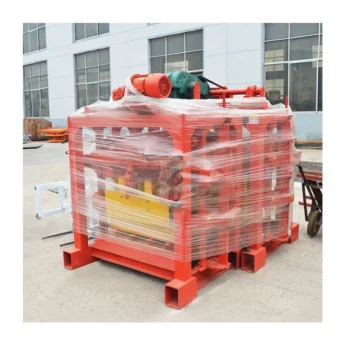
- Packing photographs showing dismantling and container loading sequence
- Voltage and control language confirmation sheet matched to destination market
- Machine specification sheet with mould drawing and format list included
- Operation and maintenance manual covering semi-automatic cycle procedures
Installation, Commissioning & Support
- Foundation pad sized to the 1300 × 1800 mm footprint with level tolerance specified
- Dedicated circuit for the 7.5 kW motor with voltage confirmed before energisation
- Dismantled state documented so on-site reassembly follows the packing sequence
- Mould change procedure trained for all three interlocking formats at commissioning
- Wear parts list supplied covering hydraulic seals and mould liner replacements
- Daily maintenance schedule aligned to the 10-second cycle intensity
Preparing Your Inquiry for a Fast Quotation
To get a dispatch date and arrival estimate, share the interlocking block format you plan to produce, the clay or soil-cement mix available at your site, and the voltage and frequency standard in your market. If you already have pallets or a curing area with fixed dimensions, include those measurements so the pallet size and handling configuration can be matched before the machine leaves the factory.
Frequently Asked Questions
Q: Which LY2-10 models are currently in stock and how fast can they ship?
A: Stocked units are configured with standard interlocking moulds for the three listed block sizes and are prepared for container loading once the buyer confirms voltage, frequency, and control language. Dispatch lead time is quoted at the inquiry stage based on current stock position and the destination port, so the buyer knows the departure window before placing the order.
Q: How is the machine dismantled and loaded into a container for sea freight?
A: The LY2-10 is partially dismantled to fit standard container dimensions, with the hydraulic assembly, mould crate, and control panel packed separately to prevent transit damage. A loading plan with packing photographs is provided at order confirmation so the buyer can verify the container utilisation and prepare unloading equipment at the destination port.
Q: What is the realistic arrival timeline from order to port of destination?
A: The arrival estimate is quoted upfront based on the dispatch date and typical sea freight schedules to the buyer’s port. This window accounts for container booking, customs clearance at origin, and transit time, giving the buyer a realistic date to plan site preparation and raw material stockpiling.
Q: Are standard moulds included in the stocked unit or ordered separately?
A: Stocked LY2-10 units include the standard interlocking moulds for the three block sizes listed in the specification table. Custom mould designs based on buyer drawings are available separately and carry their own lead time, which is confirmed during the inquiry before the machine order is finalised.
Q: What voltage and frequency options are available from stock for my market?
A: Voltage and frequency are confirmed with the buyer before the stocked unit is released for shipment, ensuring the motor and control system match the destination market’s electrical standard. This confirmation step prevents commissioning delays that occur when a machine arrives configured for a different grid specification.