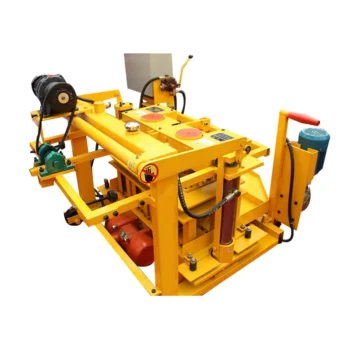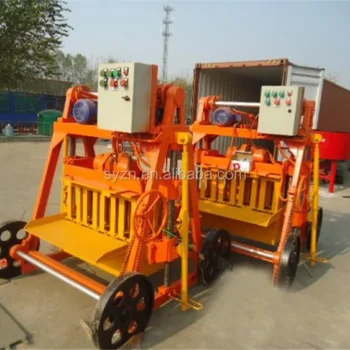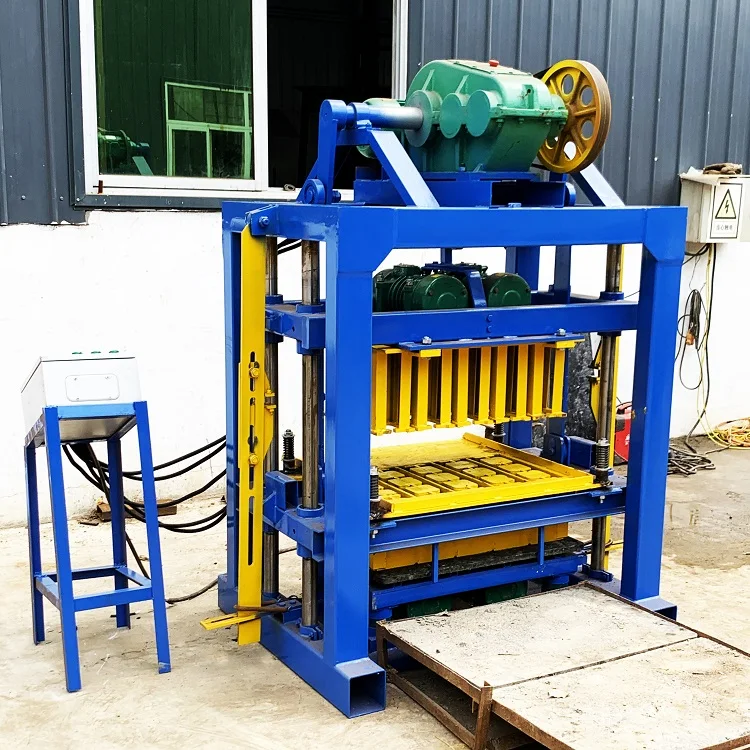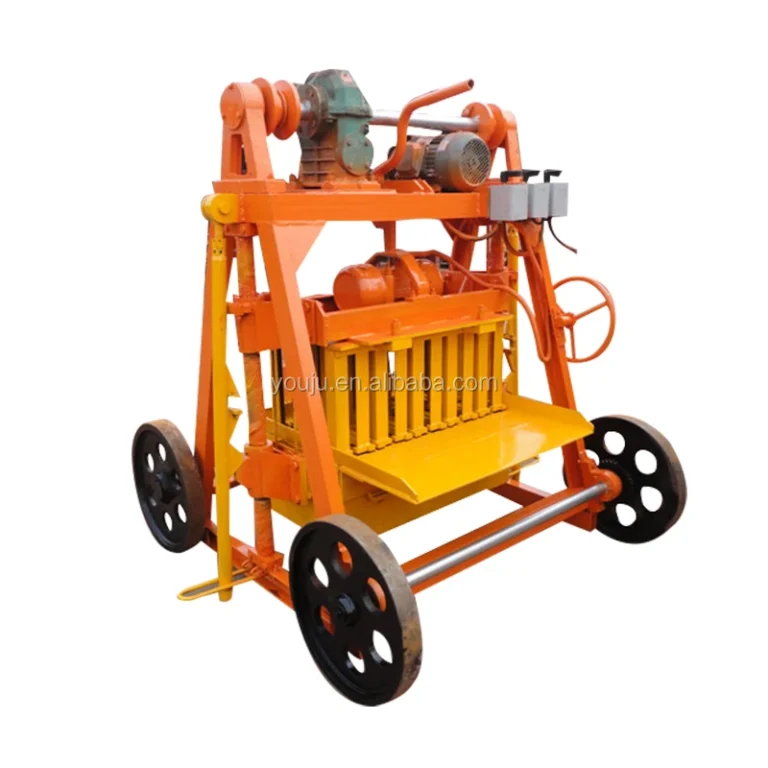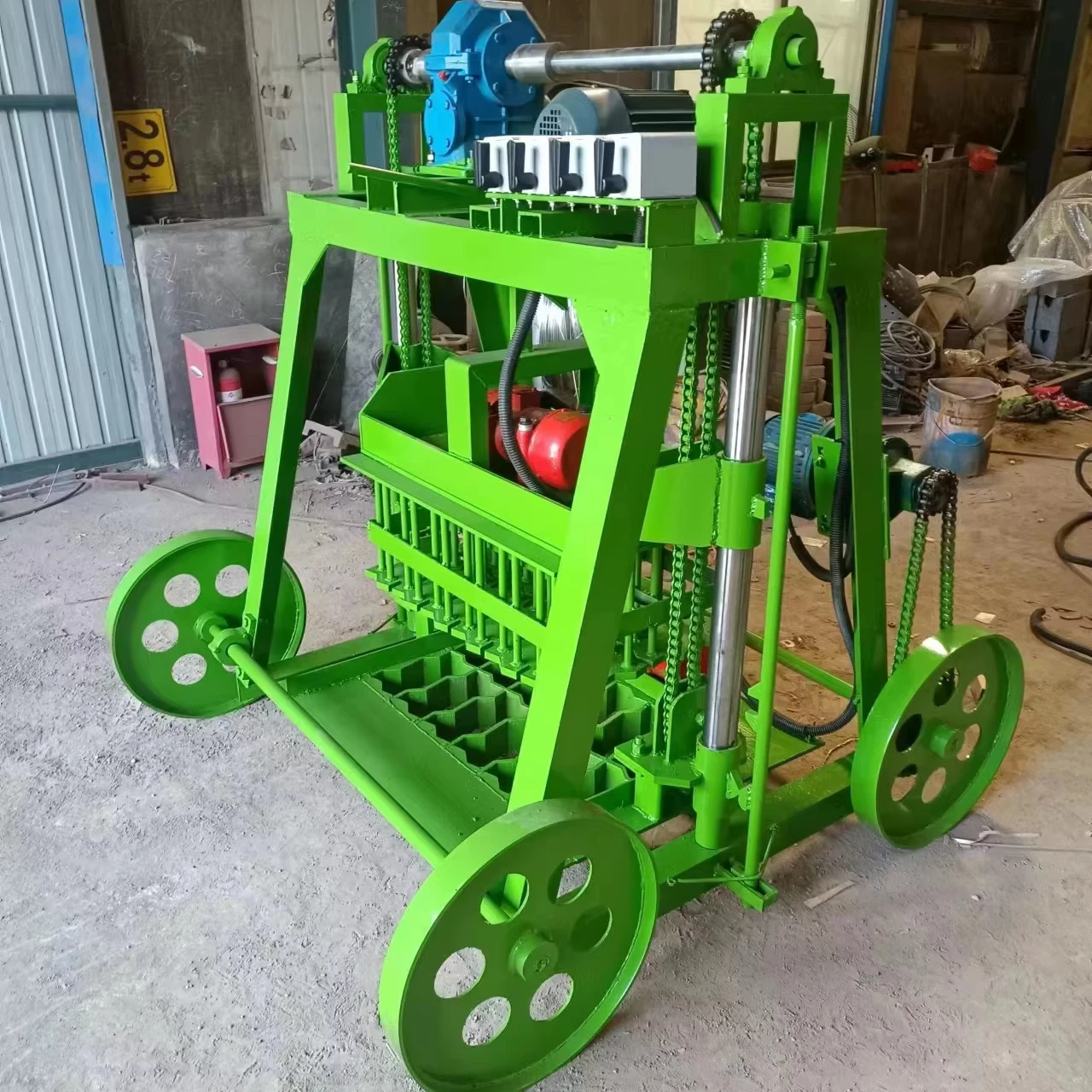

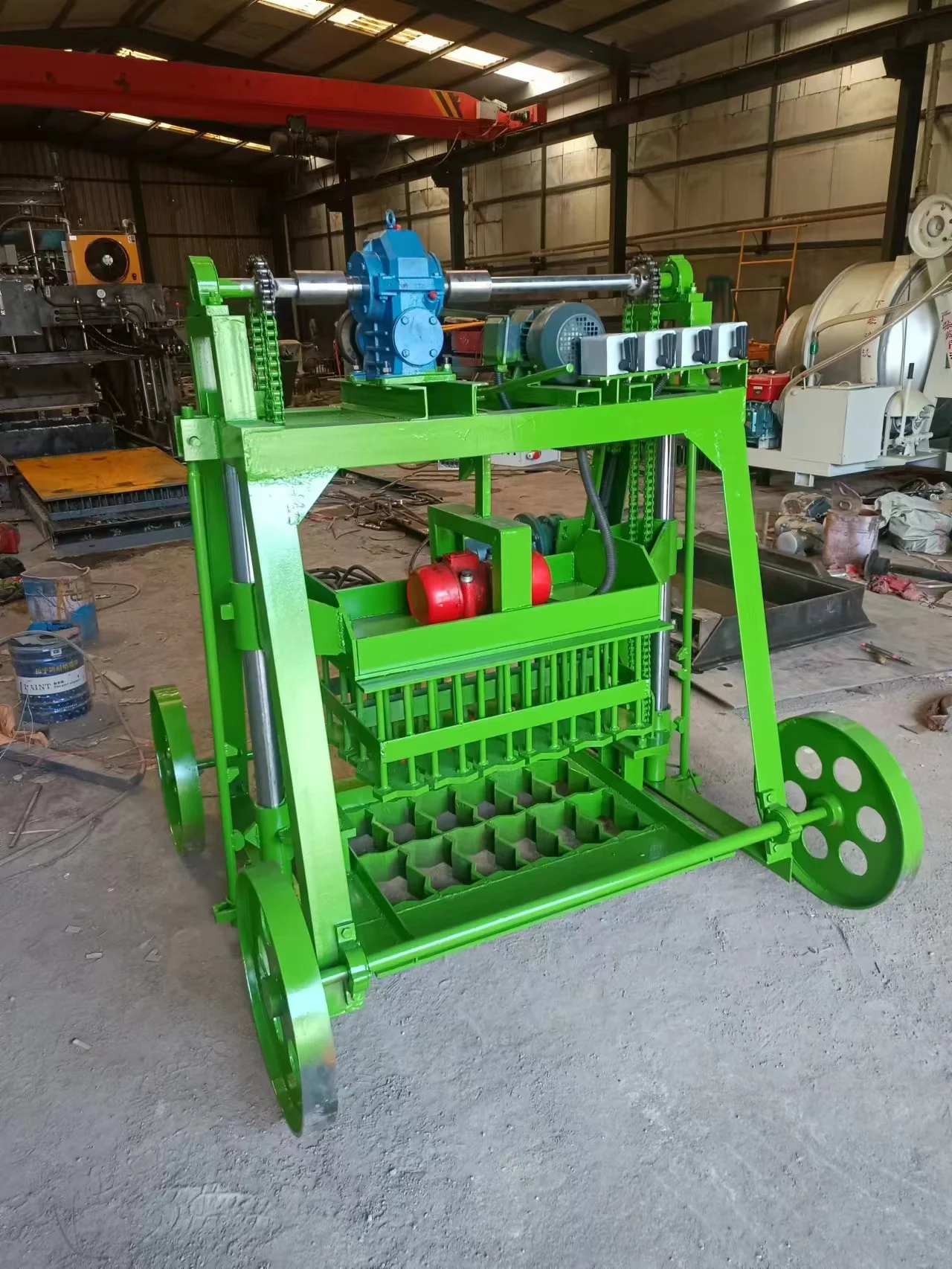
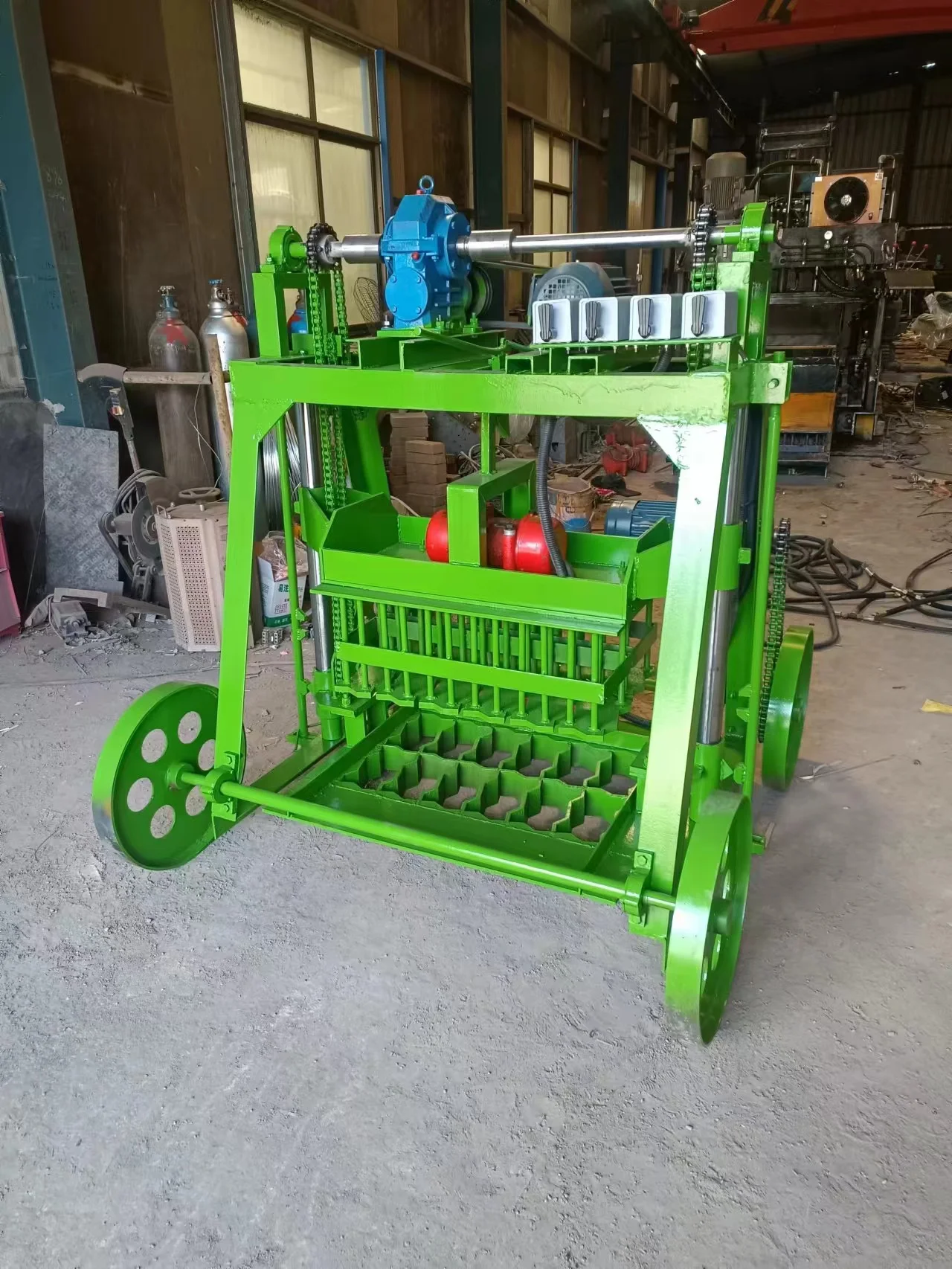
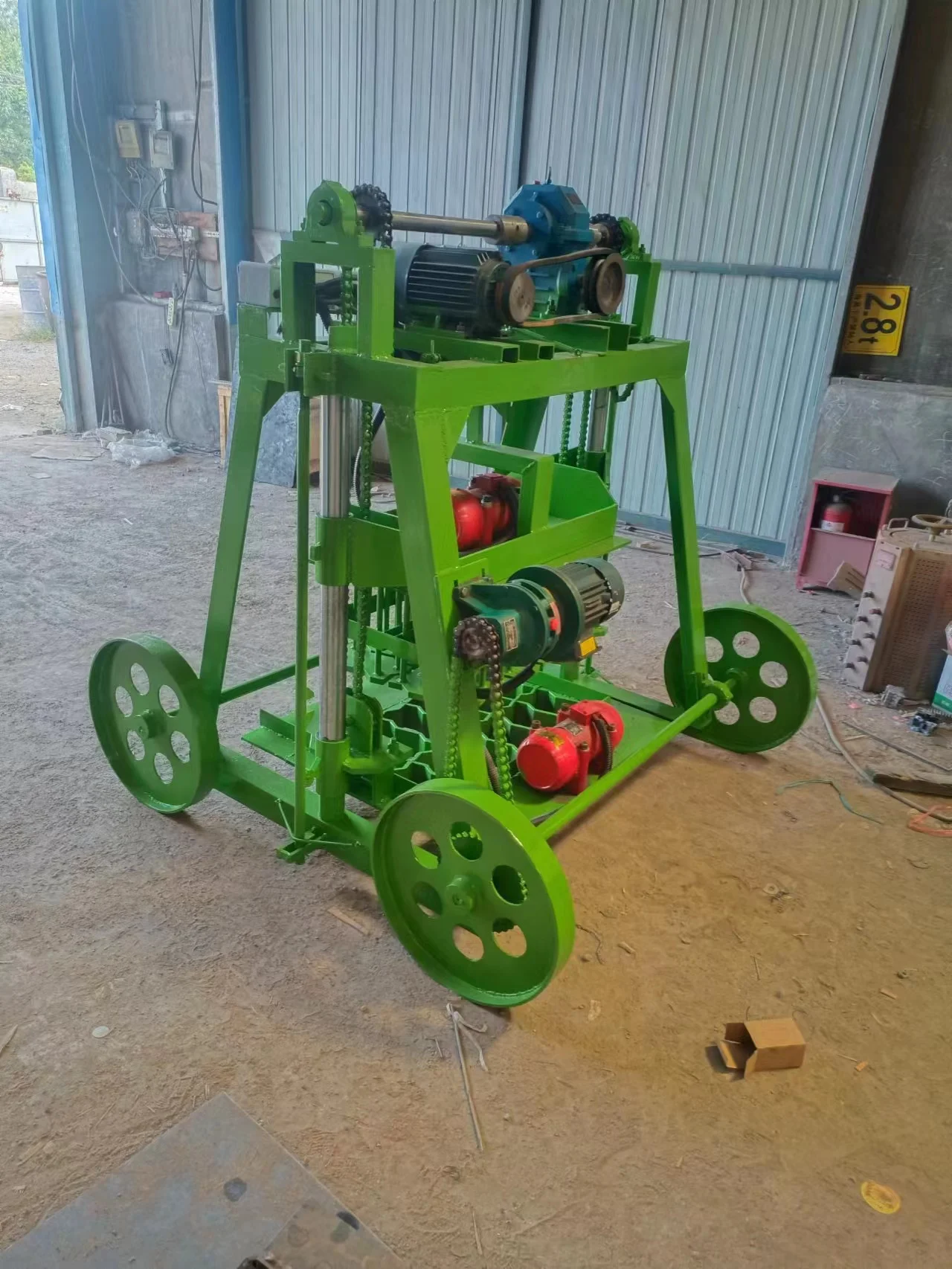
Description
Immediate Dispatch Availability — Stocked QMJ4-45 mobile block machine units ready for container loading, eliminating typical multi-week production delays for contractors facing project deadlines.
Technical Specifications
| Parameter | Value |
|---|---|
| Product Type | Mobile Egg Laying Block Making Machine |
| Model | QMJ4-45 |
| Power Source | Diesel / Petrol Engine |
| Total Power | 6 KW |
| Vibration Frequency | 2400 r/m |
| Vibration Method | Mold Vibration |
| Molding Cycle | 45 s |
| Molding Capacity | 4 pcs/mould (basis not stated in source) |
| Demold Method | Manual |
| Turning Method | Manual |
| Automation Level | Manual / Egg-laying |
| Pallet Requirement | Reduced consumption pallets (egg-laying operation) |
| Warranty | One year for the whole machine |
| Certification | CE |
Application Suitability
| Application | Material or Output |
|---|---|
| On-site block production without fixed plant | Cement, sand, crushed stone, fly ash |
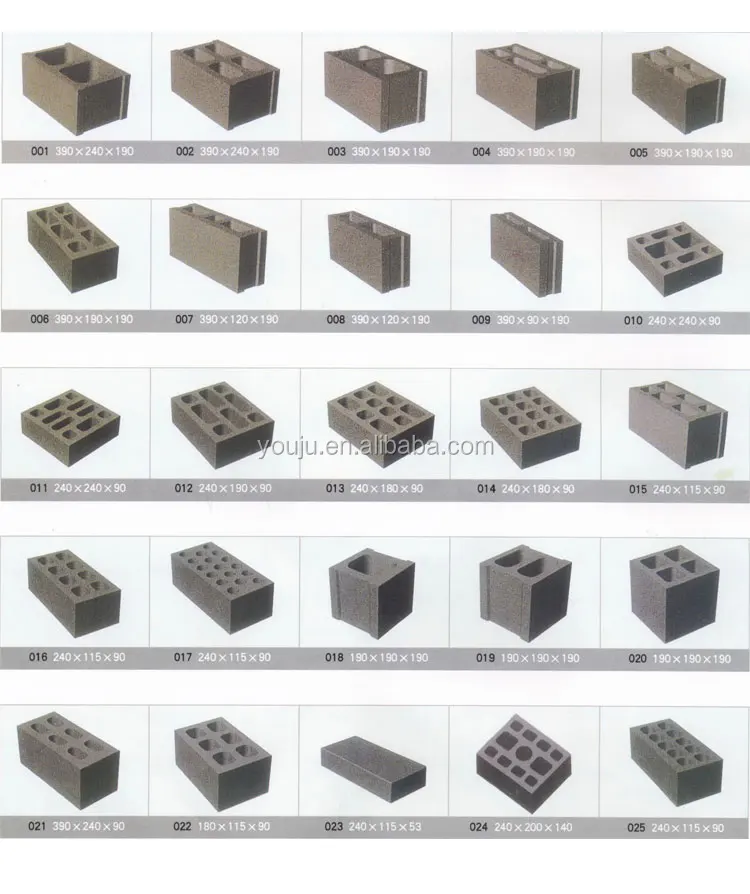
| Housing project site manufacturing | Hollow blocks, multicellular bricks |
| Small-scale cement block plant start-up | Paving bricks, standard solid bricks |
| Remote infrastructure construction | Concrete blocks using local aggregate |
Why Your Block Supplier’s Delivery Date Matters More Than the Machine Price
A mobile block machine in stock and ready to ship removes the single biggest risk in project-based production: time.
When a construction contractor has a housing development schedule locked in, waiting weeks for a machine to be manufactured and shipped creates a cascade of delays. I have seen buyers in the Pearl River Delta lose entire contract windows because their equipment supplier quoted an optimistic lead time that slipped day by day. A stocked mobile block machine that can be loaded into a container within days of payment clears that bottleneck completely [NEED_CITE: typical lead times for manufactured-to-order block machines versus stocked inventory].
Diesel Independence for Unfinished Sites
Grid power is rarely reliable on a greenfield construction site or a remote housing project. The QMJ4-45 mobile block machine in stock runs on a diesel or petrol engine, which means production can start the day the unit arrives regardless of whether the local electrical infrastructure is connected. This independence matters most during the first weeks of a project when foundation work and block production happen simultaneously and the site transformer has not yet been installed.
Egg-Laying Design Eliminates Pallet Logistics
Traditional static block machines require thousands of pallets to carry wet blocks through the curing area. The egg-laying configuration of this unit deposits blocks directly onto a prepared ground surface, moving forward after each molding cycle. For a contractor producing blocks on their own project site, this removes the capital outlay for pallets, the storage space for pallet racks, and the forklift traffic that pallet-based systems demand [NEED_CITE: pallet consumption costs in conventional block production].
Reading the Capacity Numbers Honestly
The specifications list a molding cycle of 45 seconds and a vibration frequency of 2400 r/m, which are fixed mechanical values you can verify on arrival. However, daily productivity claims vary significantly depending on which hollow block format you actually run. A 400×200×200mm hollow block yields 4 pieces per mould, while a 400×120×200mm format yields 6 pieces per mould — that is a measurable difference in daily output between the two formats. Always confirm which block size the quoted production figure assumes before you plan your project schedule around it.
What Happens When Dispatch Lead Time Is Not Confirmed Upfront
Buyers working to a project deadline often compare machines on specification alone and treat delivery timing as a secondary detail. The consequence is a machine that technically meets requirements but arrives weeks after the construction crew is ready to start laying block. By that point, the contractor has either sourced blocks from a local supplier at a higher per-unit cost or delayed the entire construction sequence. Confirming that a mobile block machine in stock can actually be dispatched within the quoted window is the difference between a machine that serves your schedule and one that disrupts it [NEED_CITE: cost impact of construction schedule delays due to late equipment arrival].
Why Sourcing From a Stock-Focused Supplier Changes the Conversation
This supplier maintains specific machine models and standard moulds in inventory rather than building every unit to order. Container loading plans and machine dismantling methods for shipment are worked out before the order is placed, so arrival estimates are quoted upfront rather than calculated after production finishes. The focus is on speed and simplicity of ordering: you confirm the engine type, the block format, and the destination port, and the unit moves to loading. For a buyer with a deadline, that operational posture matters more than a longer specification sheet.
Documentation & Verification
- Factory test record showing actual molding cycle on your specified block format before dispatch
- Packing photographs confirming dismantling state and container loading method
- Dispatch lead time confirmed in writing at order placement
- CE declaration documentation included with shipment
- Engine specification sheet matching diesel or petrol selection
Installation, Commissioning & Support
- Arrives partially dismantled for container loading; on-site reassembly required before first production run
- Diesel engine requires standard fuel supply; no electrical grid connection needed for operation
- Prepared ground surface required for egg-laying block deposition; level concrete or compacted soil recommended
- Manual demold and turning operation; operator training covers molding cycle timing and mold change procedure
- Standard mould included; additional block format moulds orderable for same machine
- Wear parts list provided with recommended replacement intervals for vibration components
What We Need To Confirm Your Order
Before we can confirm dispatch timing and container loading, tell us which hollow block format your project requires and whether diesel or petrol fuel is more readily available at your site. If you have an existing curing area or ground space with specific dimensions, share those so we can confirm the egg-laying pattern will fit. We also need your destination port to quote arrival timing accurately.
Frequently Asked Questions
Q: What is the real daily output for each hollow block size, and how is it calculated?
A: The molding cycle is 45 seconds across formats, but daily output depends on block size. A 400×200×200mm hollow block produces 4 pieces per mould, a 400×150×200mm produces 5, and a 400×120×200mm produces 6. Actual daily figures also depend on shift length and operator pace.
Q: Is this machine in stock, and what is the dispatch lead time after payment?
A: The QMJ4-45 is maintained as a stocked model for fast dispatch. Exact lead time depends on current inventory and destination port. Confirm availability and container loading schedule at the time of order to lock in your delivery window.
Q: How is the machine packed and loaded for container shipment?
A: The unit is partially dismantled for container loading to maximize space efficiency. Packing photographs and a loading plan are provided before shipment so you know exactly what condition the machine arrives in and what reassembly is required.
Q: Can I switch between diesel and petrol engine, and which is recommended?
A: Both diesel and petrol engine options are available. The choice depends on fuel availability and cost at your project site. Diesel is typically preferred for continuous heavy operation, while petrol may suit smaller-scale or intermittent production runs.
Q: What moulds are included, and can I order additional formats together?
A: One standard mould is included with the machine. Additional moulds for other hollow block sizes or solid brick formats can be ordered in the same shipment, reducing freight cost per item and ensuring all tooling arrives together.