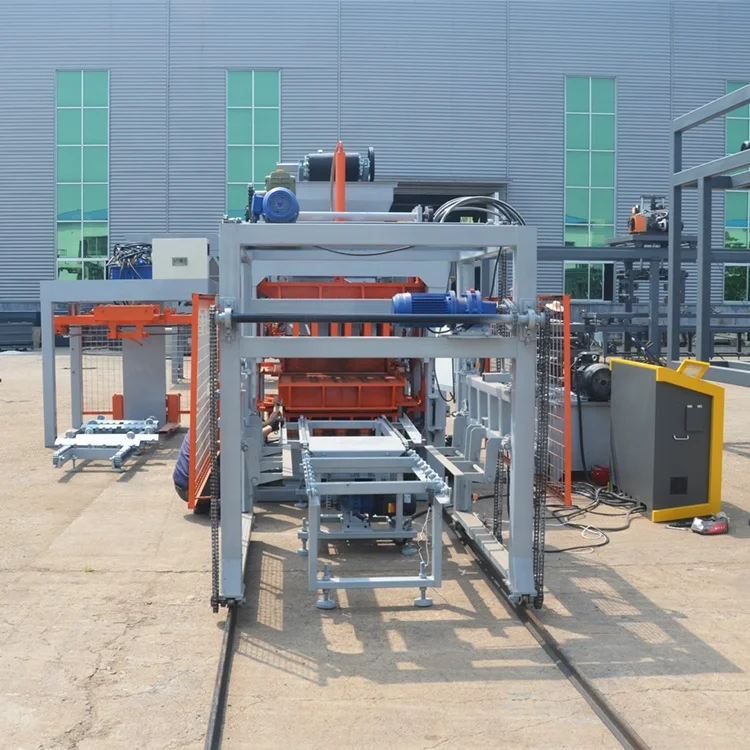
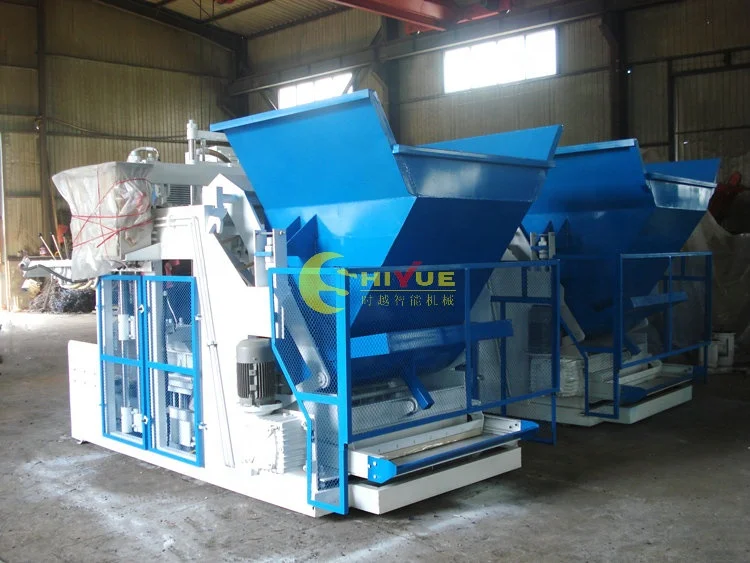
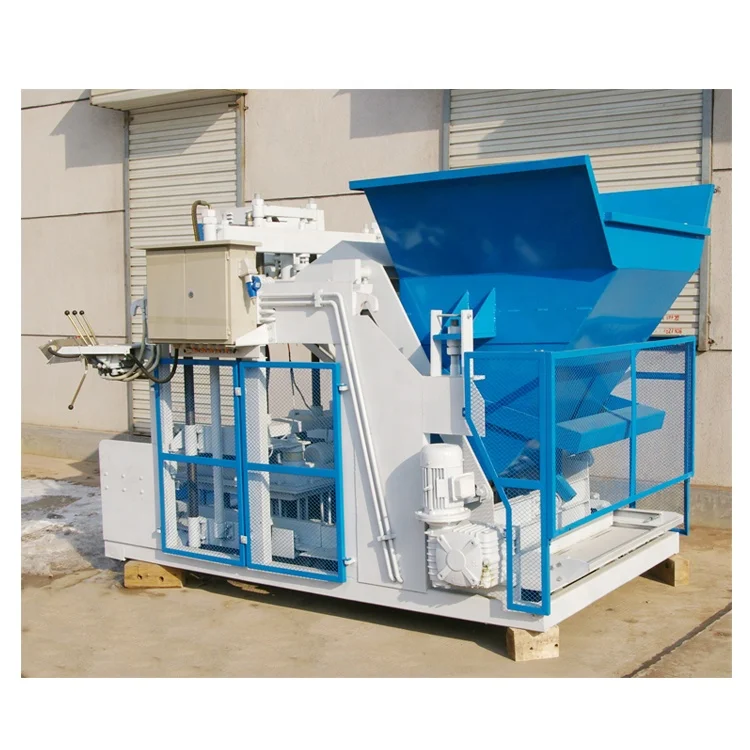
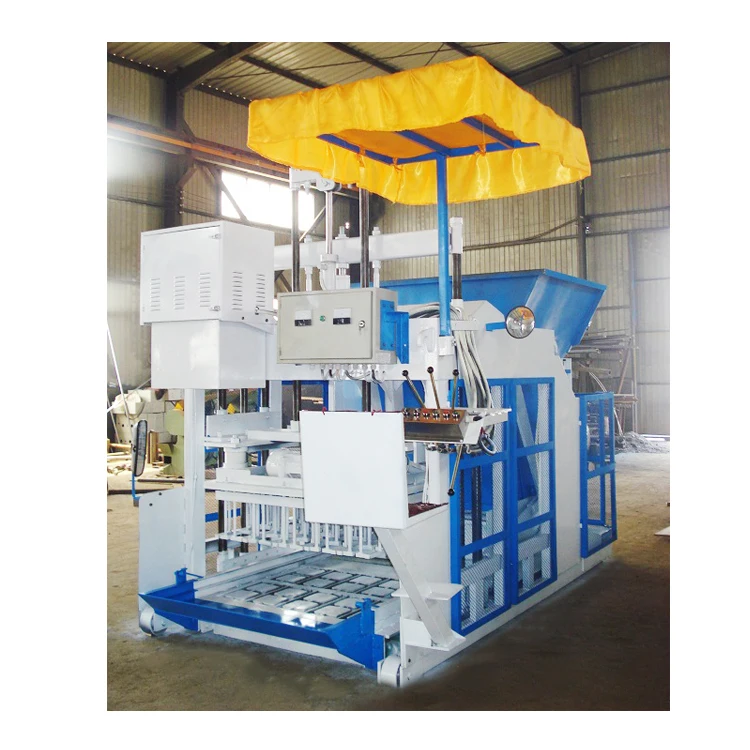

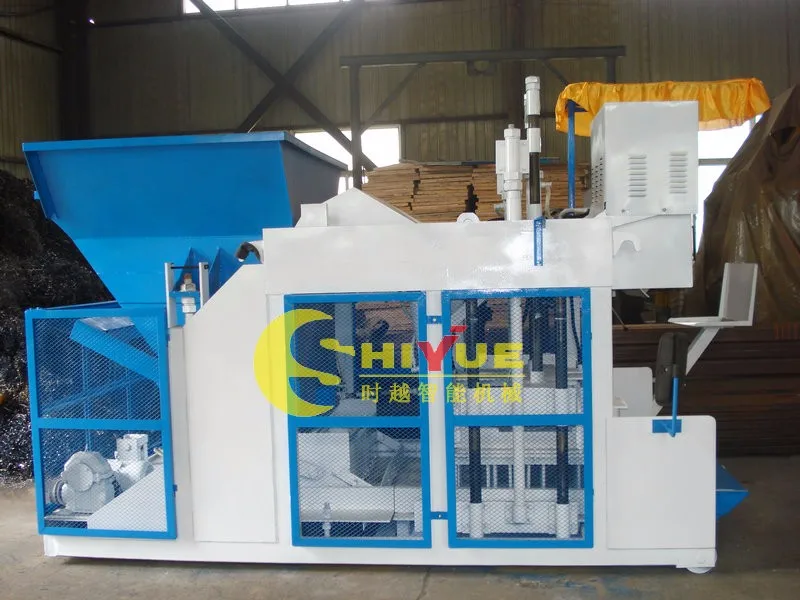
Description
Rapid dispatch capability — QMY10-15 mobile block machines are stocked and configured for fast container loading, reaching your project site while the next pour cycle is still on schedule.
Technical Specifications
| Parameter | Value |
|---|---|
| Model | QMY10-15 |
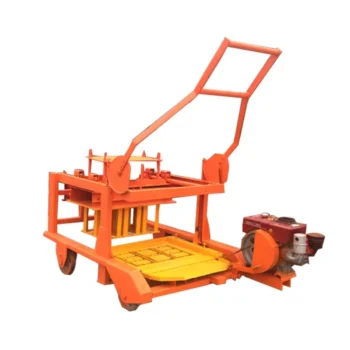
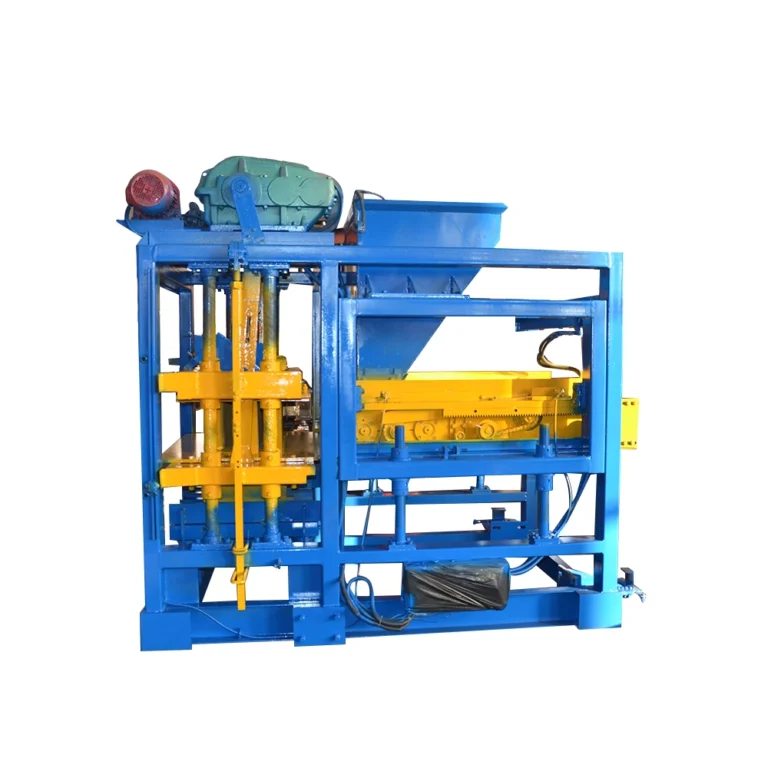
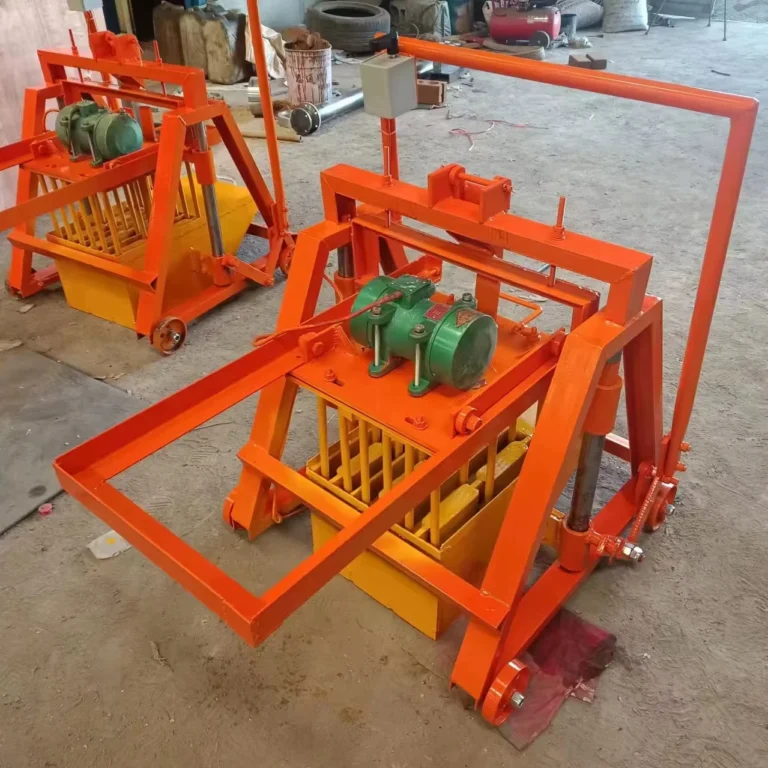
| Product Type | Mobile Concrete Block Making Machine |
| Mould Capacity | 10 pcs/mold |
| Molding Cycle | 10s–15s (basis to be confirmed) |
| Total Power | 16 kW |
| Output Capacity | 11000 pcs/day (8 hours) (basis to be confirmed) |
| Vibration System | Dual vibration motors |
| Hydraulic System | Controls upper and lower demoulding, equipped with heat dissipator for oil cooling |
| Mobility | Electric walking, hydraulic steering |
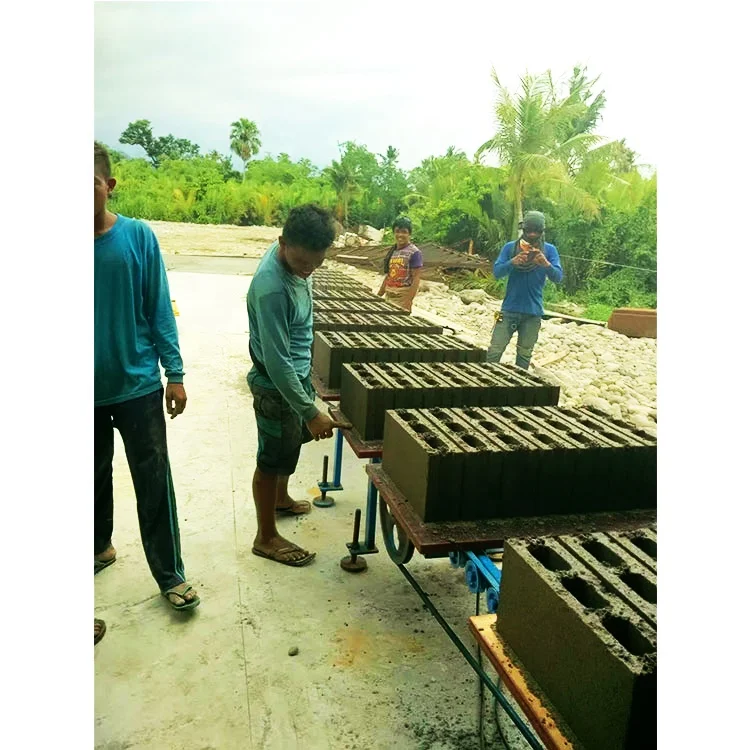
| Pallet Requirement | No pallets needed (egg-laying type) |
| Basic Equipment Included | QMY10-15 Host Machine, JS7500 Concrete Mixer, Dump Truck |
| Optional Equipment | PL1200 Batching Machine, Cement Silo, Screw Conveyor, Loader |
| Mould Change | Interchangeable moulds for multiple block formats |
| Automation Level | Semi-automatic with hydraulic demoulding |
Application Suitability
| Application | Material or Output |
|---|---|
| On-site housing project block production | Hollow and solid blocks from crushed stone, sand, and cement |
| Temporary production near infrastructure zones | Paving blocks and kerbstones using local aggregate |
| Start-up block plant with minimal infrastructure | Standard concrete masonry units laid directly on compacted ground |
| Contractor self-supply for masonry walls | Interlocking bricks and porous bricks by mould change |
What "Fast Delivery" Really Means for a Mobile Block Machine on Site
A stocked mobile block machine in stock only matters if the electricals, hydraulic fluid, and walking motors match what your site can actually run on day one.
I have watched a housing contractor lose three weeks because a mobile egg-laying machine arrived with a diesel walking motor tuned for refined fuel, while the only diesel available on-site was a high-sulphur grade that clogged the injectors within hours. The machine sat idle while the crew hand-carried blocks from a supplier forty kilometres away. When you order a QMY10-15 for quick dispatch, the conversation must cover voltage at the panel board, fuel specification for any ancillary diesel units, and the exact block format your masons will lay first [NEED_CITE: common causes of commissioning delays on exported construction machinery].
Dispatch Timing You Can Build a Schedule Around
Stock availability for the QMY10-15 host machine and its standard moulds is the first thing we confirm before any commercial step moves forward. A mobile block machine in stock is not a useful promise if the mould you need for a 200mm hollow block is still in production. We verify host machine, mixer, and mould status together so the dispatch lead time we quote is real.
Container Loading and Machine Dismantling for Shipment
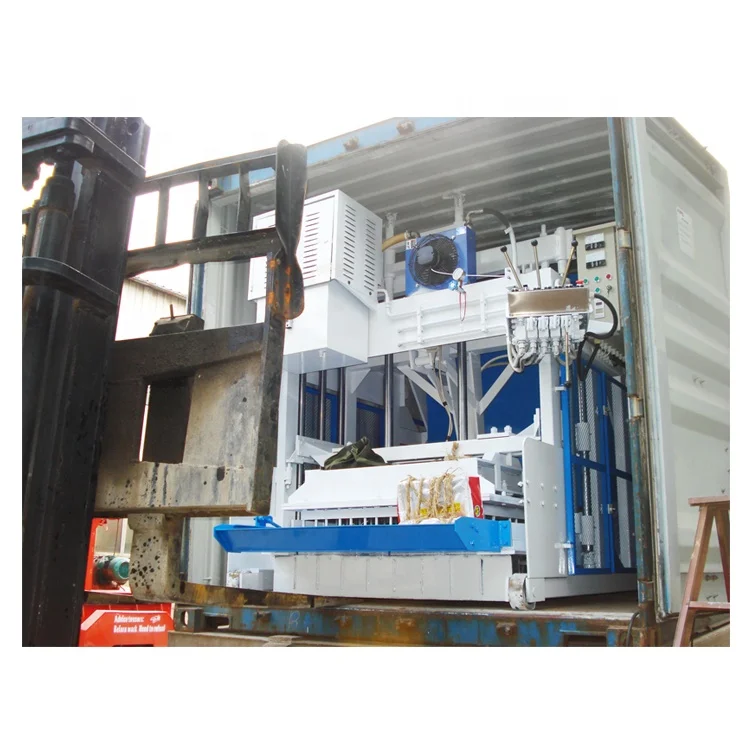
The QMY10-15 is designed to be broken down into major assemblies — host frame, hydraulic power pack, mixer, and dump truck — for loading into standard shipping containers. Dismantling is planned so that reassembly on your site does not require a crane larger than what is already mobilised for the project. We provide packing photographs and a loading plan before the container door closes.
Specifying What Actually Hits the Ground
The 16 kW total power draw means the QMY10-15 needs a dedicated circuit with adequate breaker sizing at your site’s temporary panel, not a shared feed already running welding sets and tower lighting. The dual vibration motors must be matched to your mix design; a dry, low-slump mix with angular crushed stone demands different vibration force than a wetter mix with rounded river gravel. Heat dissipator-equipped hydraulics keep the oil within operating temperature during continuous egg-laying runs in hot climates, which matters when your crew is producing through a midday pour cycle [NEED_CITE: hydraulic oil temperature limits for continuous-duty mobile machinery]. The electric walking and hydraulic steering system positions the machine between rows without manual dragging, keeping block spacing consistent across a large curing area.
The Hidden Cost of Skipping Voltage and Fuel Confirmation
A mobile block machine that arrives with the wrong voltage configuration does not just sit idle — it forces you to source a step-up transformer locally, often at inflated pricing and with a multi-week wait, while your masonry crew has no blocks to lay. Similarly, specifying hydraulic oil and fuel filter grades without reference to what is procurable near your site turns a fast-delivery purchase into a slow commissioning story. We raise these questions before the order is placed, not after the container is sealed.
Why Source This Machine Here
Block machinery is the single focus of this operation, so the QMY10-15 is specified as a matched system with its JS7500 mixer and optional PL1200 batching machine rather than assembled from separate suppliers. Configuration is set against your actual mix design and target block format, not a catalogue default. Standard and custom moulds are designed and supplied for the formats your local market sells. The automation level — semi-automatic with hydraulic demoulding — keeps initial investment contained while leaving an upgrade path open. Installation support includes operator training on your own site so your crew is producing before the commissioning engineer leaves.
Documentation & Verification
- Factory test record running your specified block format before the machine leaves the workshop
- Voltage and control language confirmation sheet signed off prior to production release
- Mould drawing and format list showing every interchangeable mould included in the shipment
- Packing photographs of each major assembly before container loading
- Hydraulic and electrical schematic for your on-site maintenance team
- Customs documentation support matched to your destination port requirements
Installation, Commissioning & Support
- Dedicated 16 kW circuit requirement with breaker sizing confirmed against your site’s temporary panel board
- Ground compaction and level tolerance checked before the first egg-laying pass to ensure block dimensional consistency
- Hydraulic oil grade and filter specification matched to ambient temperature and locally procurable stock
- Operator training covers mould change procedure, hydraulic demoulding sequence, and daily heat dissipator inspection
- Wear parts list provided with part numbers cross-referenced to local bearing and seal suppliers
Before You Send an Inquiry
To give you an accurate dispatch and arrival estimate for the QMY10-15, we need your destination port, the block format you will produce first, and the voltage and frequency at your site’s power supply. If you are running a temporary production area near a construction zone, let us know the ground conditions and available curing space so we can confirm the machine’s egg-laying layout fits your site.
Frequently Asked Questions
Q: What is the current stock status and dispatch lead time for the QMY10-15?
A: We confirm stock status of the QMY10-15 host machine, JS7500 mixer, and your required standard moulds before issuing a commercial offer. Dispatch lead time is quoted once container loading plan and any machine dismantling requirements are agreed. Typical lead time from order to port departure depends on your mould selection and destination documentation requirements.
Q: How is the machine dismantled and loaded into a container for shipment?
A: The QMY10-15 is broken into its host frame, hydraulic power pack, mixer, and associated equipment for container loading. A loading plan is issued before dispatch showing how each assembly is secured. Packing photographs are shared with the buyer before the container is sealed, and reassembly instructions are included for your site team.
Q: What is the estimated arrival time to my destination port?
A: Arrival estimate is quoted upfront once your destination port is confirmed and the shipping line schedule is checked. The estimate covers port-to-port transit only; customs clearance time at your end depends on the documentation package we prepare and your local broker’s processing speed.
Q: Which standard moulds are in stock and which require additional lead time?
A: Standard hollow block, solid block, and paving block moulds for the QMY10-15 are typically held in stock. Custom moulds or less common formats such as interlocking bricks or specific kerbstone profiles may require additional production time, which is confirmed at the inquiry stage before you commit.
Q: What voltage and frequency configurations are available from current inventory?
A: Stocked QMY10-15 units may carry a default voltage and frequency configuration. If your site requires a different electrical specification, we confirm whether a stocked unit can be reconfigured before dispatch or whether a build-to-order unit better matches your timeline. This is verified before the order is placed.