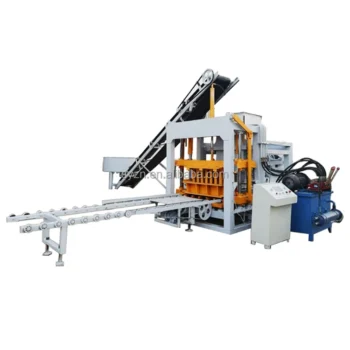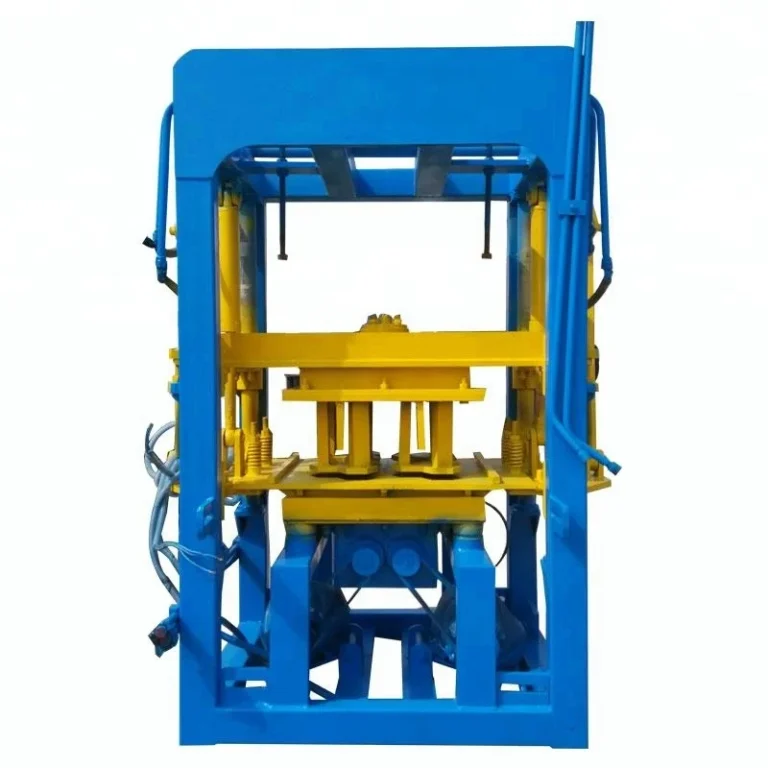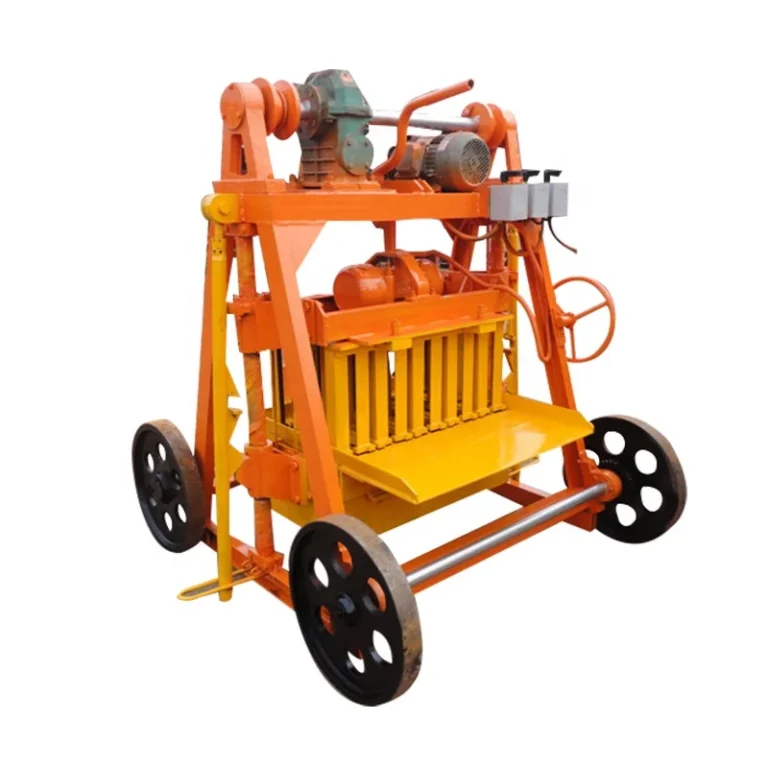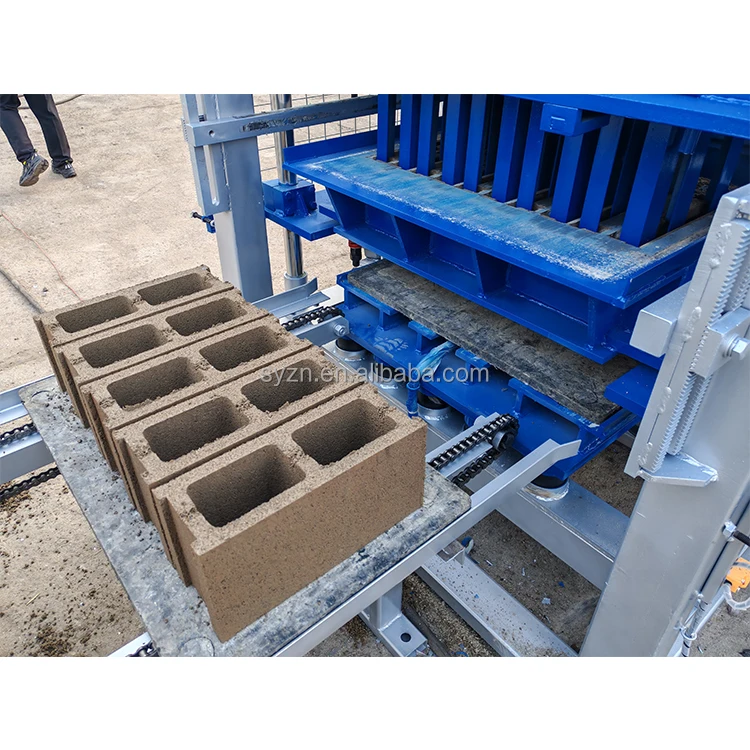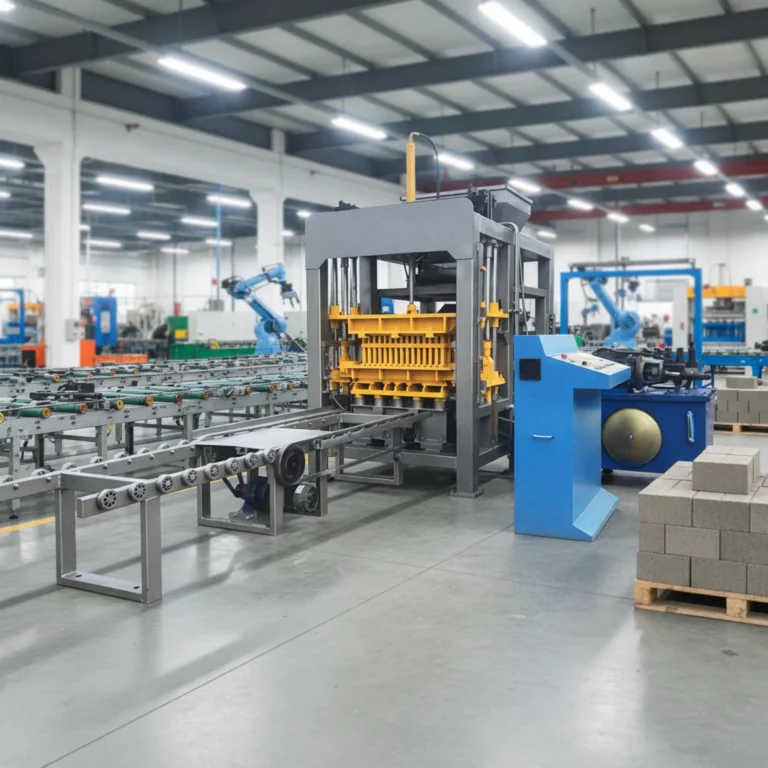

Description
Rapid Project Deployment — Stocked automatic block making machine in stock units are verified against your local grid and packed for immediate container loading to prevent site delays.
Technical Specifications
| Parameter | Value |
|---|---|
| Product Type | Paving and Hollow Block Making Machine |
| Forming Method | Hydraulic pressure |
| Automation Level | Fully automatic |
| Core Components | PLC, Motor, Pump |
| Overall Dimensions (L×W×H) | 9350×2520×2950 mm |
| Supported Brick Sizes | 400×100×200 mm, 400×120×200 mm, 400×150×200 mm, 240×115×90 mm, 400×200×200 mm, 230×220×115 mm |
| Brick Raw Material | Cement |
| Voltage | Local Voltage (basis to be confirmed) |
| Machinery Test Report | Provided |
| Video Outgoing-inspection | Provided |
| Warranty | 1 Year |
Application Suitability
| Application | Material or Output |
|---|---|
| Construction paving projects | Standard cement paving blocks |
| Hollow block production | Cement-based hollow masonry units |
| Curbstone manufacturing | Heavy-duty cement curbstones |
| Rapid equipment deployment | Standard cement bricks for immediate site use |
Why the Voltage Question Must Precede the Dispatch Date
Confirming local voltage and frequency standards before loading prevents three-week transformer delays at the destination.
When an automatic block making machine in stock is rushed to a port without verifying the destination grid, the PLC control cabinet often fails to power up upon arrival. I have seen project timelines stall completely because a control system was wired for a default standard that did not match the local utility supply. Securing the correct electrical configuration upfront ensures the machinery operates immediately after unpacking [NEED_CITE: voltage and frequency standards by export market].
Container Loading and Dismantling Protocols
The 9350×2520×2950 mm overall dimensions of this equipment require precise dismantling procedures to fit securely within standard shipping containers. The main hydraulic press, pump station, and PLC cabinet are separated and braced to prevent transit damage. This systematic breakdown ensures that an automatic block making machine in stock arrives intact and can be reassembled efficiently on your concrete foundation.
Standard Mould Inventory and Fast Dispatch
Keeping standard moulds for 400×200×200 mm hollow blocks and various paving sizes in our warehouse eliminates custom manufacturing lead times. Buyers working to strict deadlines can select from these pre-built formats, allowing the main press and tooling to be loaded together. This ready-to-ship inventory model guarantees that your automatic block making machine in stock reaches the port without waiting for extended fabrication cycles [NEED_CITE: typical container transit times for heavy machinery].
Dimensional and Electrical Verification for Shipping
The physical footprint and electrical requirements dictate how the machinery is prepared for international transit. The 9350 mm length necessitates specific loading angles and heavy-duty securing straps inside the container to prevent shifting during ocean freight. Furthermore, verifying the local voltage ensures the motor and pump are tested under the exact electrical conditions they will face on-site, avoiding costly rewiring upon arrival. The supported brick sizes determine which standard moulds are bolted and crated alongside the main frame.
The Hidden Cost of Unverified Electrical Configurations
Shipping a fully automatic press without matching the control system to the destination grid results in severe project bottlenecks. The machine sits idle on the foundation while the contractor sources local step-down transformers or rewires the entire PLC cabinet. This avoidable oversight turns a rapid deployment advantage into a multi-week delay, costing contractors significant liquidated damages on tight construction schedules [NEED_CITE: CE machinery directive requirements for industrial equipment].
Why Procure Your Ready-to-Ship Equipment Here
Our single focus on block machinery means the press, standard moulds, and handling components are dispatched as one verified system. We configure the electrical schematics against your actual local grid before the container is sealed. Standard moulds for your market’s common formats are kept in inventory for immediate loading. The automation level is pre-tested, ensuring the PLC and hydraulic systems communicate flawlessly out of the crate. We provide complete container loading plans so your logistics team knows exactly how the machine is dismantled and braced.
Documentation & Verification
- Factory test record verifying hydraulic pressure and PLC communication before dismantling
- Container loading plan detailing machine breakdown and securing points for ocean freight
- Outgoing-inspection video showing the specific stock unit running standard cement moulds
- Electrical schematic confirming voltage and frequency match your destination grid
- Standard mould inventory list confirming exact block sizes included in the shipment
Installation, Commissioning & Support
- Foundation must support the 9350×2520×2950 mm footprint and dynamic hydraulic forces
- Dedicated power circuit required matching the confirmed local voltage and frequency
- Dismantled components require overhead crane for precise reassembly on the curing floor
- PLC language and hydraulic pressure settings calibrated during initial power-on sequence
- Standard cement moulds installed and aligned to ensure proper block ejection
- Wear parts list provided for the specific paving and hollow block formats shipped
Pre-Dispatch Information Required
To finalize the loading schedule, please provide your destination port and the exact local voltage and frequency standards. We also need to know which standard brick sizes from our current inventory you require for immediate shipment. Confirming your site’s overhead crane capacity helps us finalize the dismantling and packing plan for safe arrival.
Frequently Asked Questions
Q: What is the exact dispatch lead time for this stocked machine?
A: Because the main press and standard moulds are already built and held in our warehouse, dispatch typically occurs within a few days of confirming the electrical configuration and finalizing the container booking. This avoids the standard multi-week manufacturing wait.
Q: How is the machine dismantled and loaded for container shipment?
A: The 9350 mm main frame, hydraulic pump, and PLC cabinet are separated. Components are heavily braced and secured with steel wire ropes inside the container to prevent shifting during ocean transit, ensuring safe arrival at your destination port.
Q: Which standard moulds are currently in stock and ready to ship?
A: We maintain immediate inventory of standard moulds for 400×200×200 mm hollow blocks, various paving blocks, and standard cement bricks. You can select the exact formats your local construction market demands for immediate loading.
Q: Can you provide an upfront arrival estimate to my destination port?
A: Yes, once the container is booked, we provide an estimated transit time based on the shipping line’s schedule to your specific destination port, allowing you to align the machinery arrival with your project’s critical path.
Q: Are outgoing inspection videos and test reports available before I commit?
A: Absolutely. We provide comprehensive machinery test reports and specific video verification of the exact stock unit running the selected standard moulds, ensuring you know the precise condition of the equipment before it is loaded.