Description
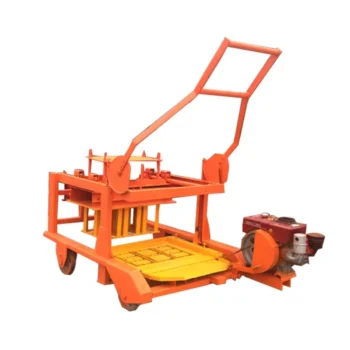
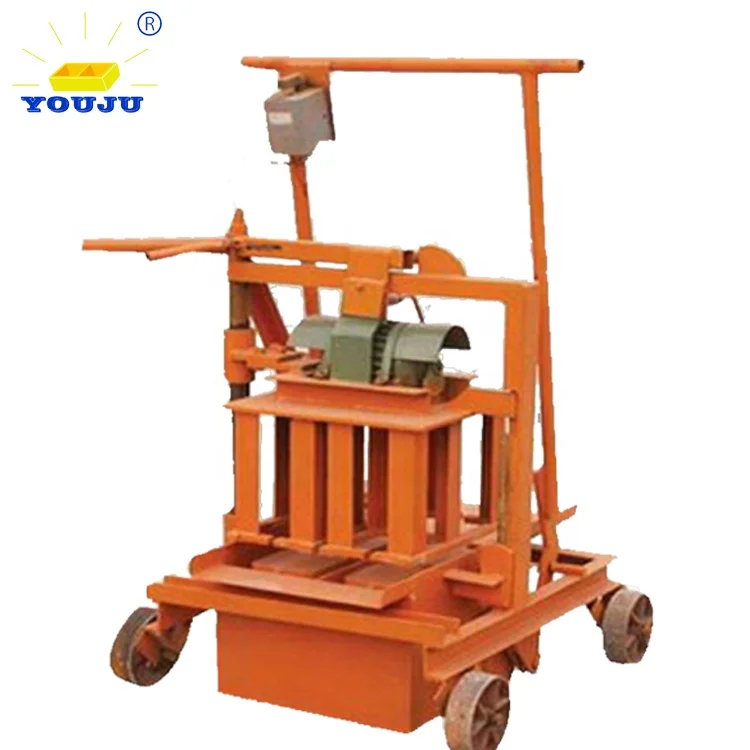
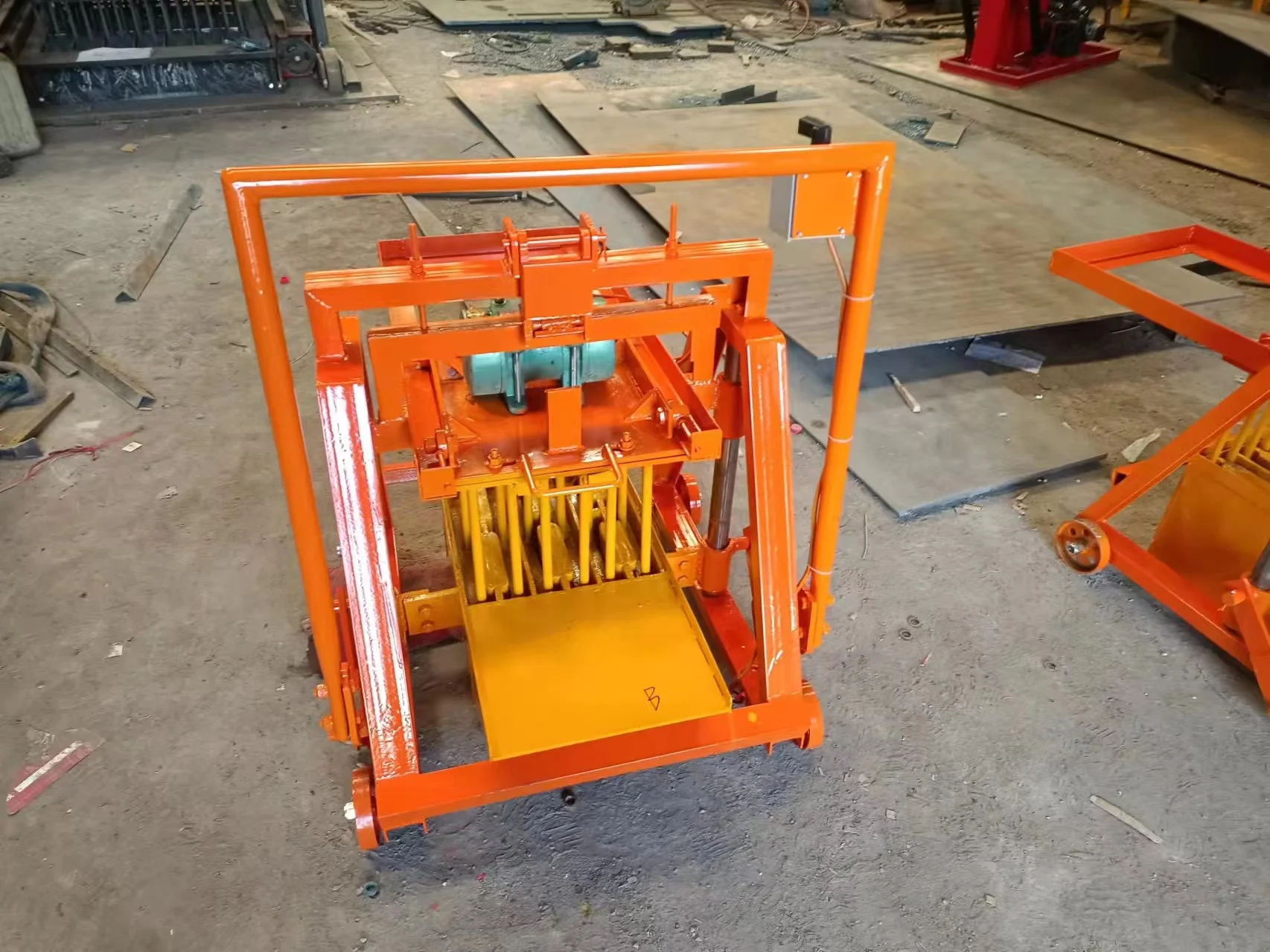
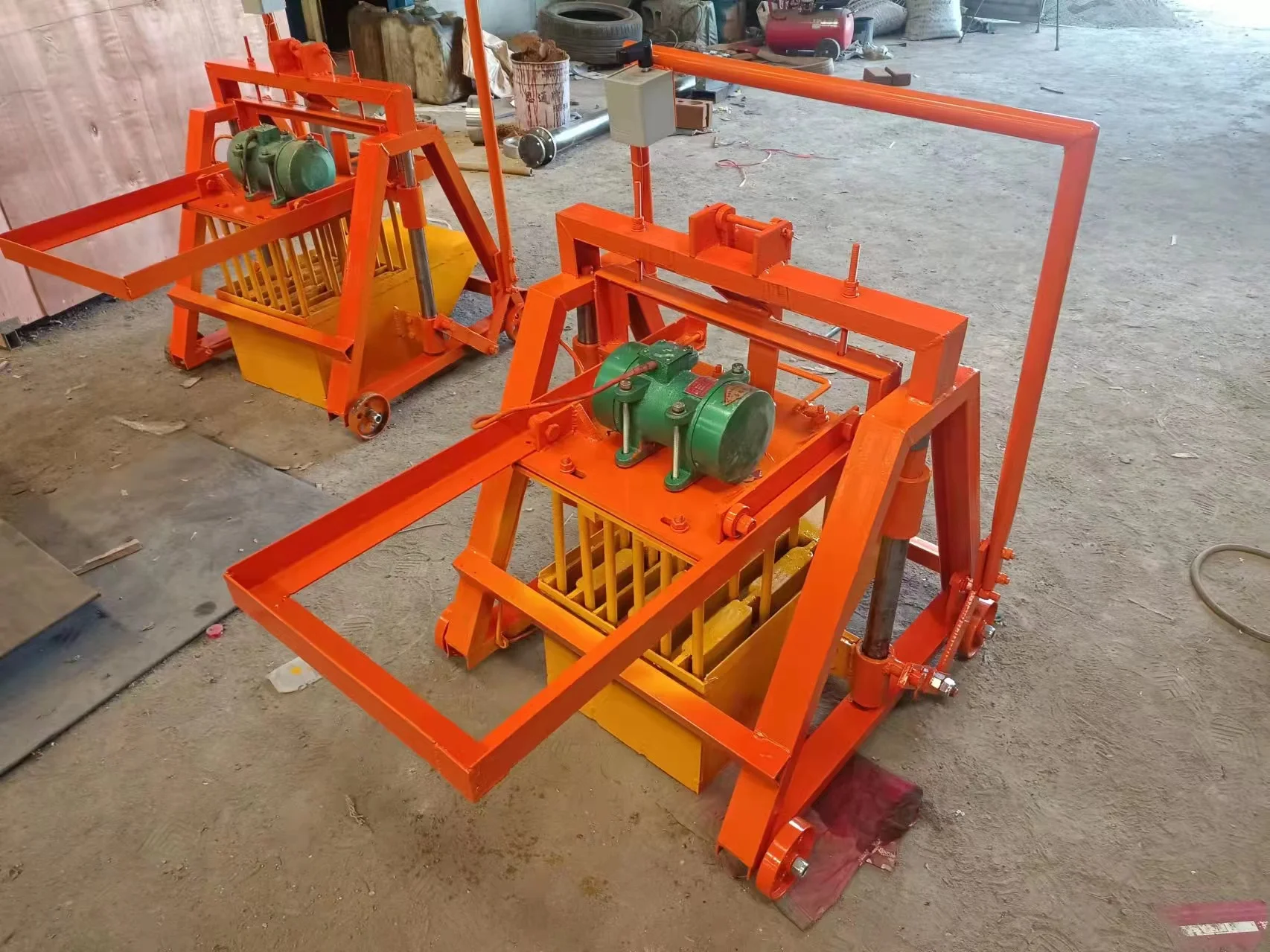
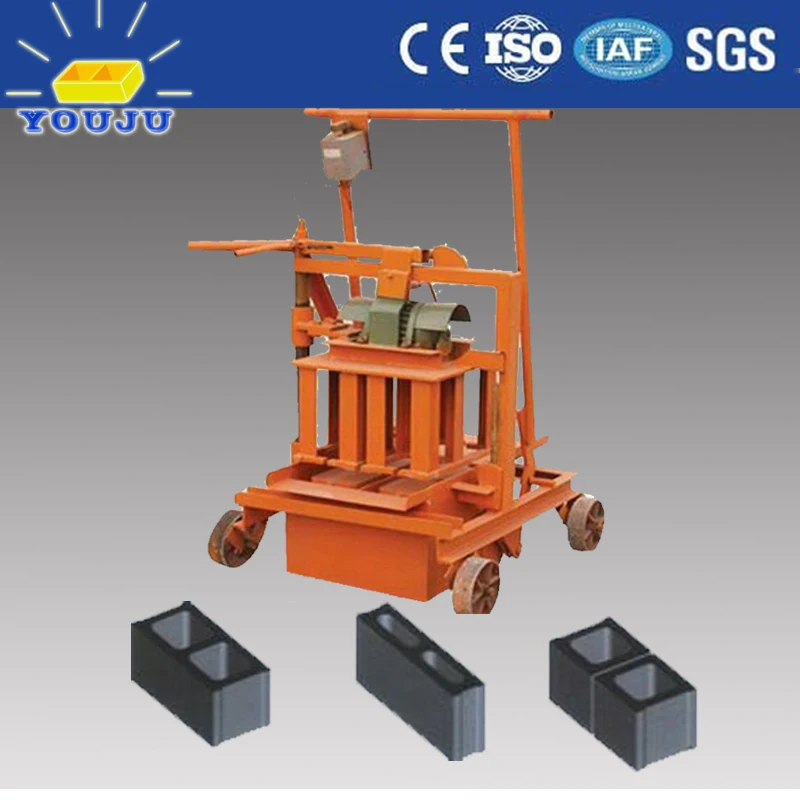
Stocked configuration — the QMJ2-45 is held in finished assembly with standard hollow brick moulds, allowing dispatch within days rather than months, so your project site does not sit idle while waiting on production schedules.
Technical Specifications
| Parameter | Value |
|---|---|
| Model | QMJ2-45 |
| Product Type | Mobile Block Making Machine |
| Operation Type | Manual egg-laying (pallet-free) |
| Power Source | Diesel engine |
| Mould Cycle Time | 25–30 s |
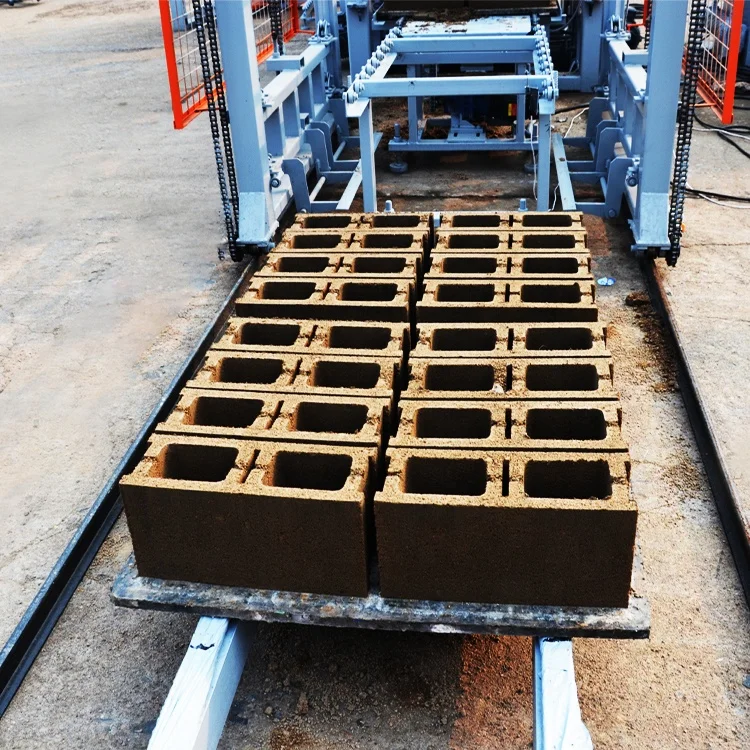
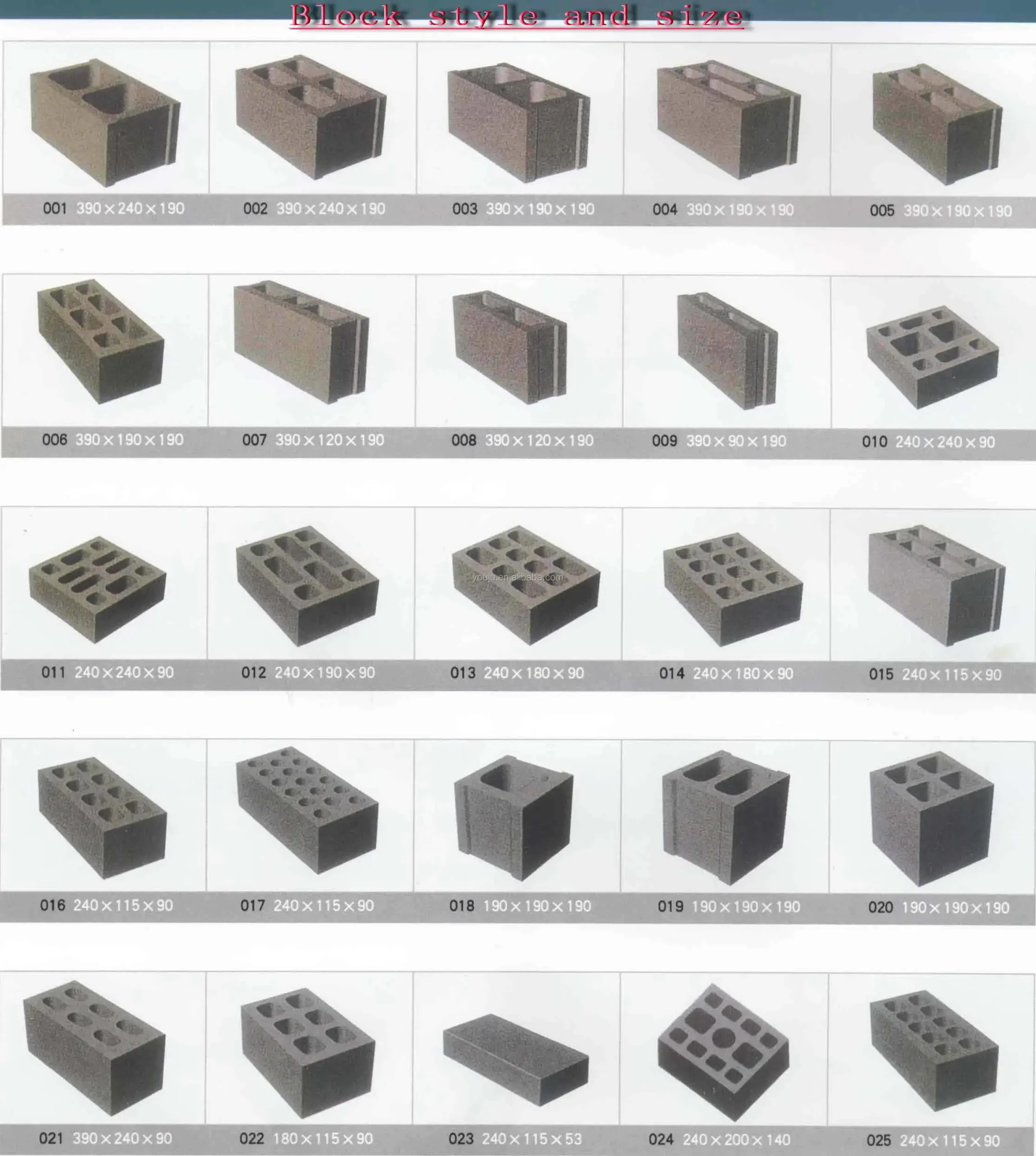
| Output — 400×200×200 mm hollow brick | 160 pcs/h (2 pcs/mould), approx. 1,280 pcs per 8-hour shift |
| Output — 400×150×200 mm hollow brick | 240 pcs/h (3 pcs/mould), approx. 4,800 pcs per 8-hour shift |
| Output — 400×100×200 mm hollow brick | 320 pcs/h (4 pcs/mould), approx. 2,560 pcs per 8-hour shift |
| Pallet Requirement | None |
| Labour Requirement | 1–3 workers |
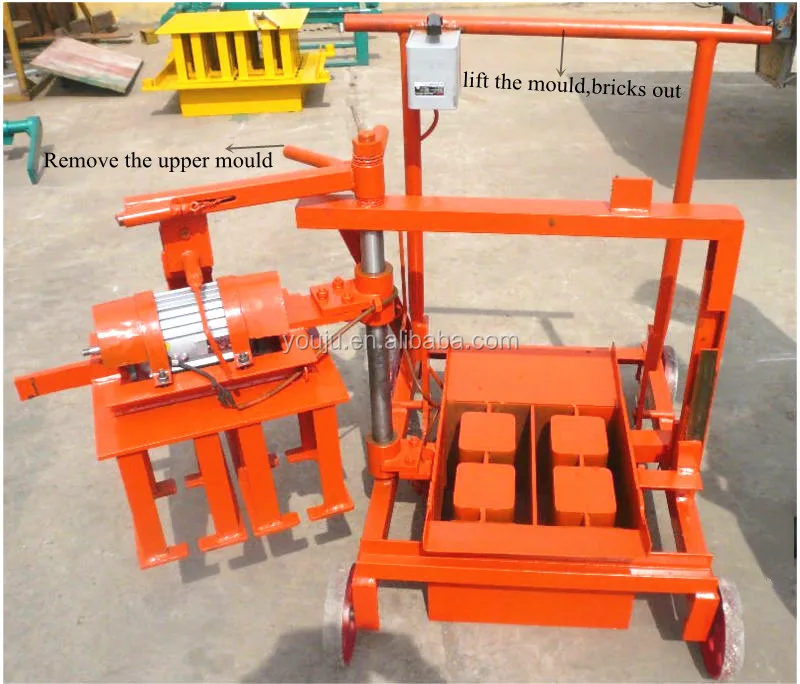
| Mould Change | Manual, supports multiple hollow brick formats |
| Control System | Manual operation |
| Automation Level | Manual |
| Assembly State | Fully assembled, mobile |
| Standards | ISO 9001:2000, CE |
Application Suitability
| Application | Material or Output |
|---|---|
| On-site hollow brick production for building contractors | Crushed stone, sand, cement and water mixed on the building site |
| Remote or off-grid construction projects | Diesel-powered operation where grid electricity is unavailable |
| First-stage block plant for entrepreneurs | Hollow bricks in 400×200×200, 400×150×200 and 400×100×200 mm formats |
| Small-scale rural housing projects | Low-volume production with minimal labour and no pallet inventory |
What "Pieces per Hour" Actually Means When You Arrive on Site
Cycle time on the nameplate assumes a standard sand-and-cement mix under controlled conditions — your local aggregate will decide the real number.
I learned this the hard way in Ecuador. A contractor ordered a mobile egg-laying machine and planned his entire build schedule around the brochure output. His local volcanic aggregate was sticky and held moisture, so each cycle took nearly twice as long as the factory test. The machine was fine; the assumption was wrong. That is why I now ask every buyer for a photo and sieve data of their raw material before confirming any delivery estimate [NEED_CITE: effect of aggregate grading and moisture on block cycle time]. A mobile block making machine in stock is only useful if it can actually run your mix at a pace that keeps the masons fed.
Why Stocked Availability Matters More Than You Think
Project timelines in construction rarely wait for manufacturing lead times. When a contractor needs hollow bricks on site next month, a machine that ships in eight weeks is useless. The QMJ2-45 mobile block making machine in stock means the unit has already passed factory testing, the diesel engine has been run in, and standard hollow brick moulds are matched and mounted. Container loading can be arranged within days of order confirmation rather than weeks.
What Fast Dispatch Actually Involves
Before the machine leaves the yard, it goes through a final operational check with the exact mould set you ordered. The unit is then partially dismantled — engine guarded, mould secured, moving parts locked — to fit a standard container without damage. An arrival estimate is quoted based on your destination port at the time of booking [NEED_CITE: typical ocean freight transit times to Latin American and African ports]. You receive packing photographs and container loading confirmation before the vessel sails.
Reading the Numbers That Matter
The 25–30 second mould cycle time applies to a standard cement-sand mix with normal moisture content. Switch to a heavier aggregate or a wetter mix and that cycle stretches. The diesel engine eliminates any dependency on grid voltage or frequency, which is a significant advantage on remote sites where power supply is unreliable or simply absent. Manual mould change means a single operator with basic tools can swap between the three supported hollow brick formats, though the changeover is measured in minutes rather than seconds. Pallet-free egg-laying operation removes the cost and logistics of pallet inventory entirely — the machine lays blocks directly on a prepared ground surface and moves forward for the next cycle.
The Cost Nobody Quotes You Upfront
Buying a machine without confirming pallet requirements, curing space and ground preparation leads to surprises at arrival. Egg-laying machines need a flat, compacted surface to produce consistent blocks — soft or uneven ground causes cracking and dimensional drift. Buyers who overlook this end up spending more on site preparation after delivery than they would have with a simple survey beforehand. Labour planning also goes wrong when the assumption is one worker but the mix is heavy and the curing area is far from the laying path [NEED_CITE: on-site ground preparation standards for egg-laying block machines].
Why Buyers Source This Machine Here
Block machinery is the only product category this company makes, so the QMJ2-45 is specified as a complete working system — machine, mould and engine matched together rather than assembled from separate vendors. Stocked models ship with standard hollow brick moulds already fitted, reducing the gap between order and first production run. Mould design covers the hollow brick formats that actually sell in your local market, with custom drawings available if your market demands a format outside the standard range. The diesel engine configuration is chosen for the conditions you described, not pulled from a catalogue default. Dispatch lead time, container loading plan and arrival estimate are confirmed before you commit [NEED_CITE: container loading procedures for mobile block machines].
Documentation & Verification
- Factory test record showing cycle time on standard hollow brick formats before dispatch
- CE declaration confirming machinery directive compliance for the QMJ2-45
- Mould drawing and format list for every hollow brick size included in your order
- Packing photographs and container loading plan provided before shipment
- Operation and maintenance manual covering diesel engine servicing and mould care
Installation, Commissioning & Support
- Arrives fully assembled; only the secured mould and engine guards need releasing on site
- Diesel engine requires standard fuel supply; no electrical connection or grid dependency
- Flat, compacted ground surface required for consistent egg-laying block quality
- First production run supervised remotely with mix adjustment guidance based on your aggregate
- Mould change tools and spare wear parts list provided with every shipment
- Daily maintenance schedule covers engine oil, vibration components and mould surfaces
Before You Request a Quote
Send your target hollow brick format, the daily output you need to keep the site on schedule, and a photo or sieve analysis of your local aggregate. Confirm your destination port so an arrival estimate can be included with the dispatch plan. If you already have curing space or a specific ground surface in mind, share those dimensions too.
Frequently Asked Questions
Q: Which QMJ2-45 units and moulds are currently available for immediate dispatch?
A: Finished QMJ2-45 machines are held in stock with standard hollow brick moulds for 400×200×200, 400×150×200 and 400×100×200 mm formats. Each unit has passed a factory operational test with its matched mould set before being listed as available. Additional mould formats can be added to the shipment if they are also in stock at the time of your order.
Q: How long from order confirmation to container loading?
A: Stocked machines typically move to container loading within days of order confirmation, not weeks. The exact timeline depends on the mould set you select and whether any additional formats need to be pulled from stock. A container loading plan and packing photographs are shared with you before the container is sealed.
Q: How is the machine packed and what is the arrival estimate?
A: The QMJ2-45 is partially dismantled — engine guarded, mould secured, moving parts locked — to fit a standard shipping container safely. An arrival estimate is quoted based on your destination port at the time of booking, covering vessel transit and port handling. Customs documentation support is included with every shipment.
Q: Can I add extra mould formats to a stocked machine order?
A: Yes, provided the additional hollow brick mould formats are in stock at the time of your order. Each extra mould is factory-fitted to the machine and tested before packing. If a format is not in stock, the lead time for that mould is quoted separately so you can decide whether to include it in the same shipment.
Q: What on-site conditions do I need before the machine arrives?
A: You need a flat, compacted ground surface for egg-laying operation, a diesel fuel supply, and enough open space for block curing around the laying path. The machine requires no electrical grid connection. A brief site preparation checklist is provided with your shipping documents so your team is ready on delivery day.