Description
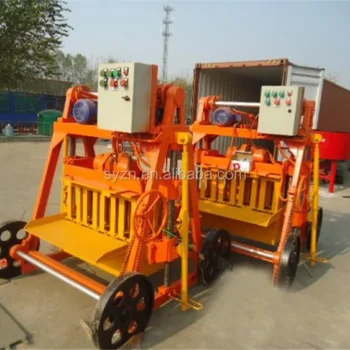
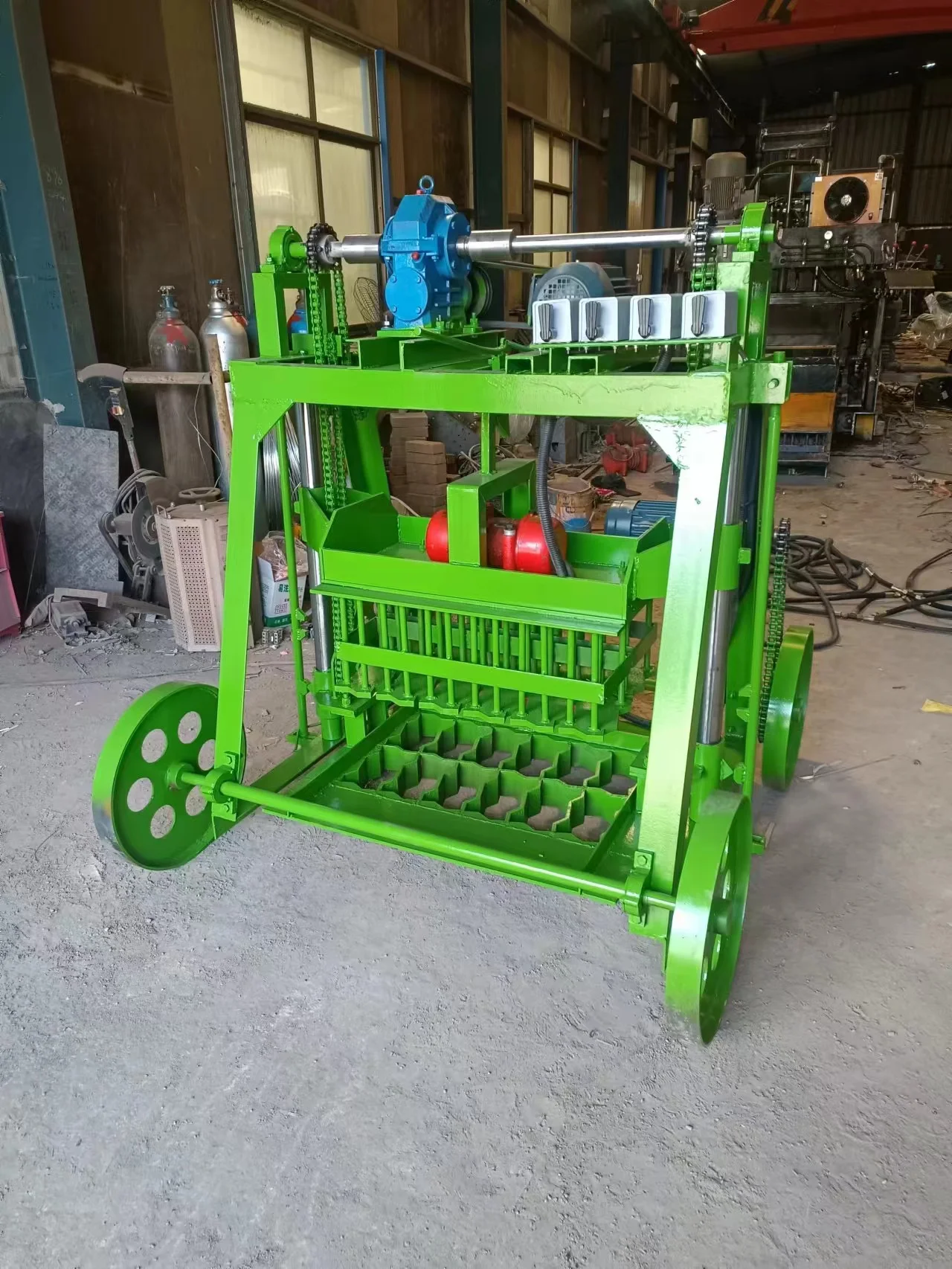
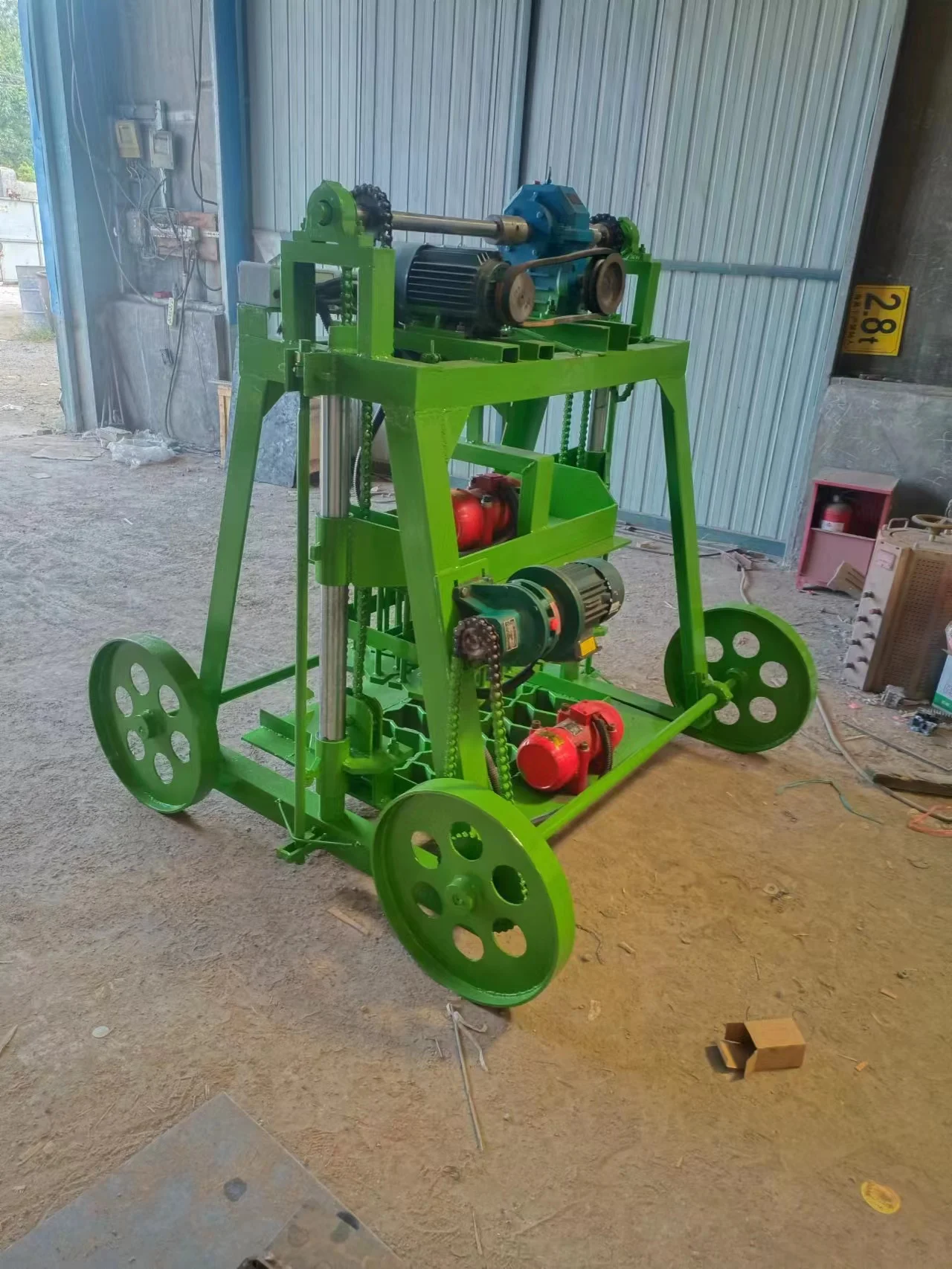
Stock and speed — QMJ4-45 mobile egg laying block machines sit on our yard ready to load, with container plans and port arrival dates quoted before you pay.
Technical Specifications
| Parameter | Value |
|---|---|
| Model | QMJ4-45 |
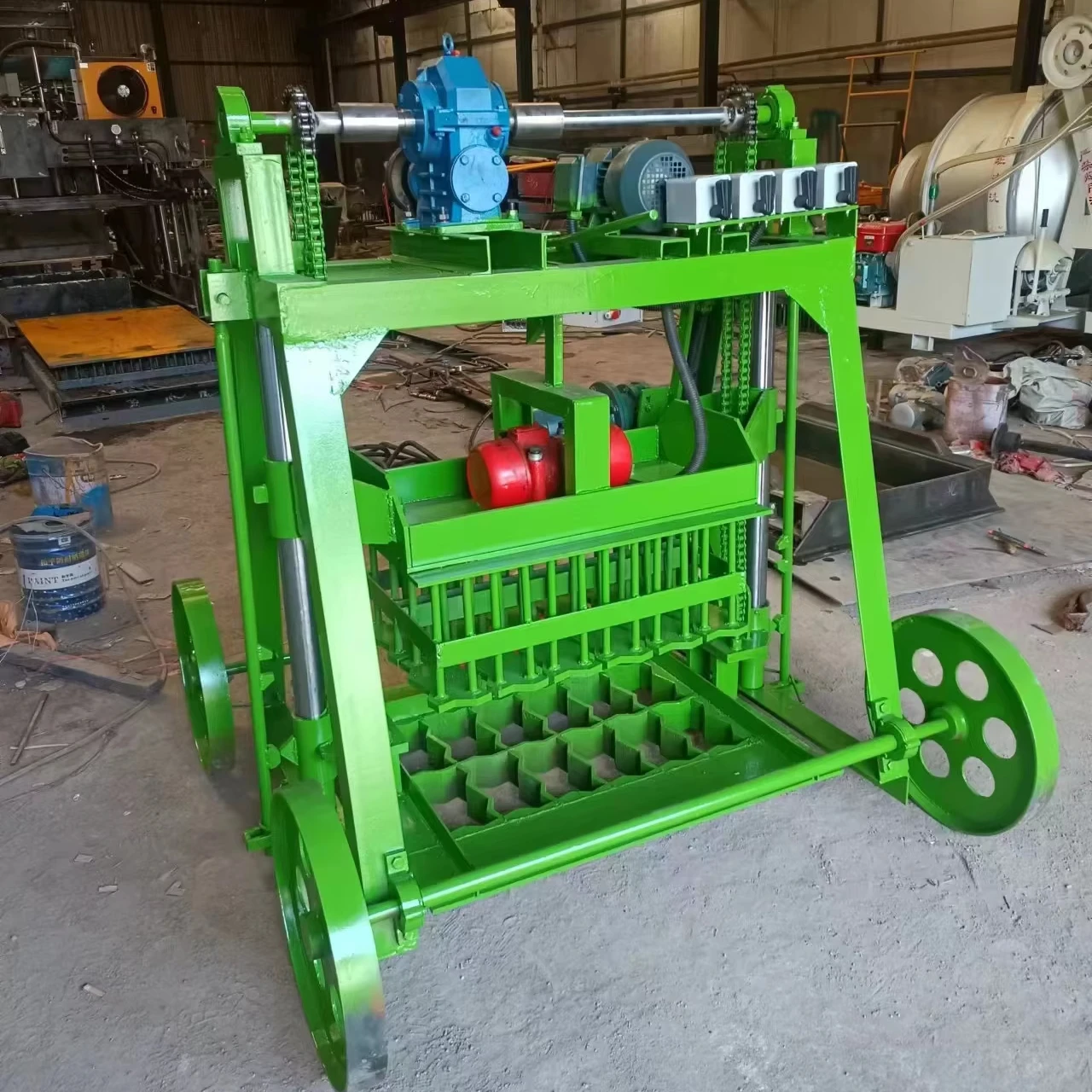
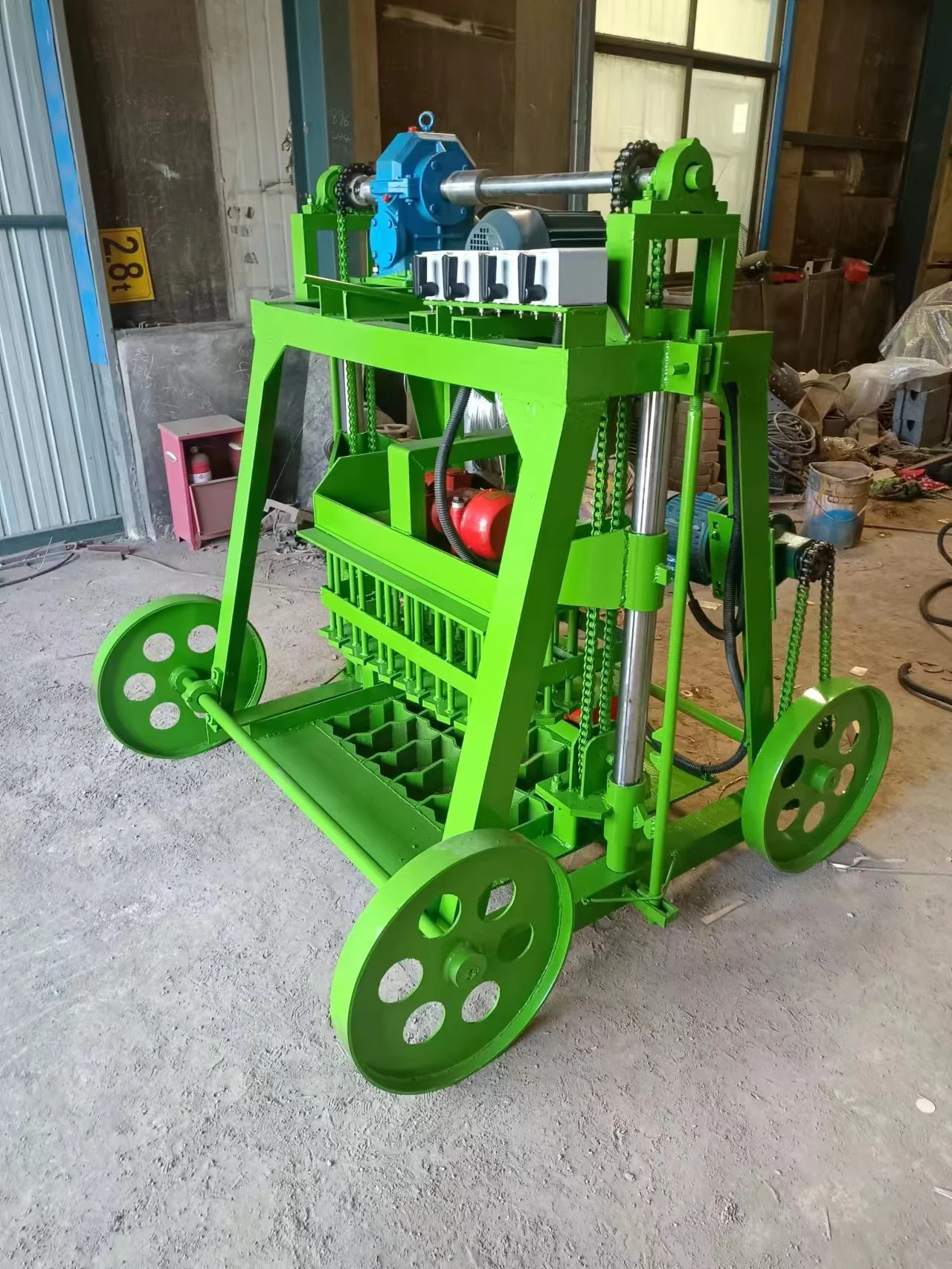
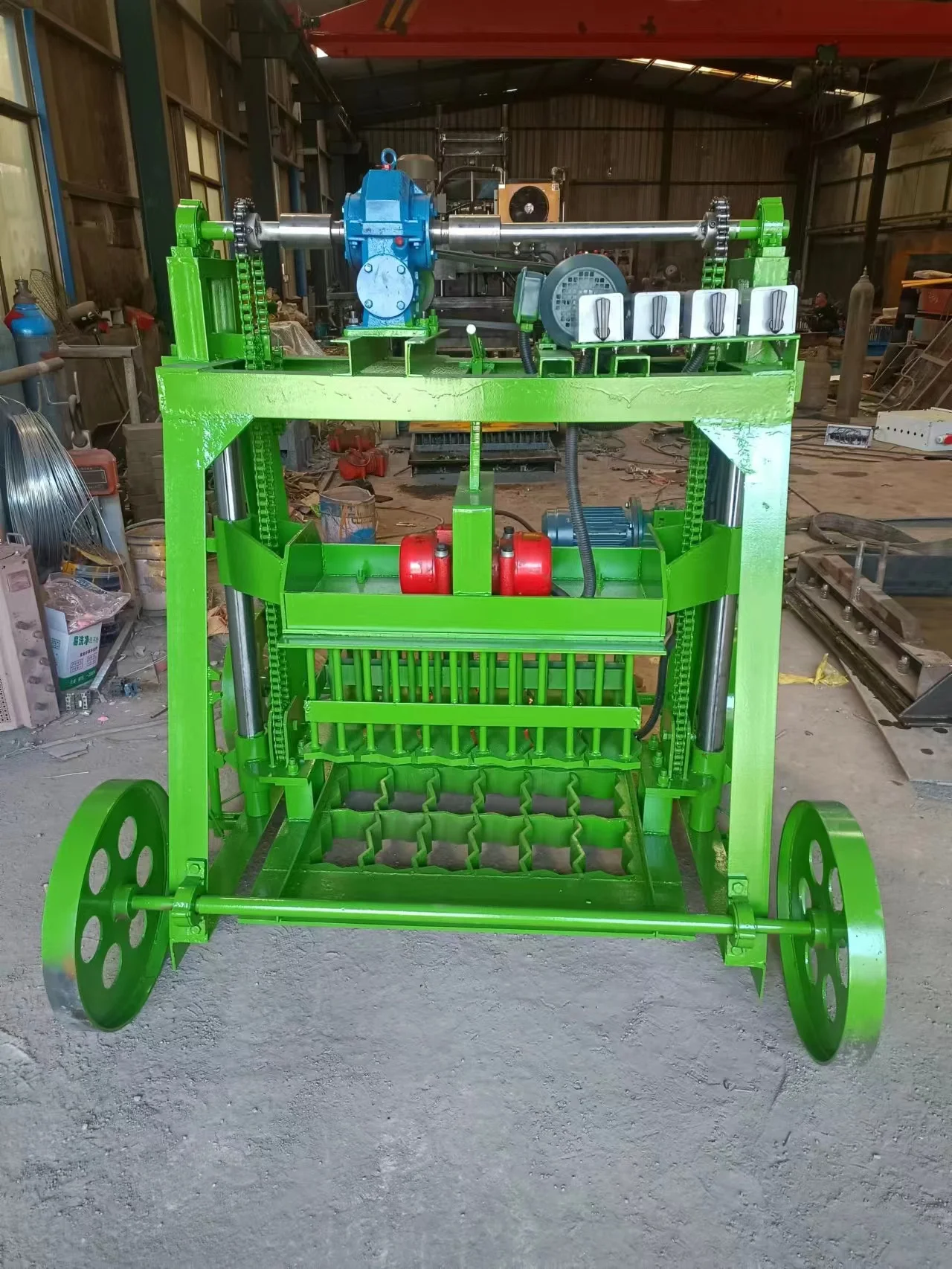
| Product Type | Mobile Egg Laying Block Making Machine |
| Molding Capacity | 4 pcs/mould (basis: 400×200×200mm hollow block) |
| Molding Cycle | 40-45 seconds |
| Productivity (400×200×200mm hollow block) | 3,000 pcs/day (8 hours) |
| Productivity (400×150×200mm hollow block) | 3,500 pcs/day (8 hours) |
| Productivity (400×120×200mm hollow block) | 4,500 pcs/day (8 hours) |
| Vibration Method | Mold vibration |
| Vibration Frequency | 2400 r/m |
| Demold Method | Manual |
| Turning Method | Manual |
| Total Power | 6 kW |
| Power Source | Diesel / Petrol engine |
| Pallet Requirement | None (egg-laying type, produces directly on ground) |
| Automation Level | Manual / Egg-laying |
| Warranty | One year guarantee for the whole machine |
Application Suitability
| Application | Material or Output |
|---|---|
| On-site hollow block production for contractors | Concrete mix with locally sourced sand and crushed stone |
| Remote or temporary project sites without grid power | Diesel or petrol engine driven operation |
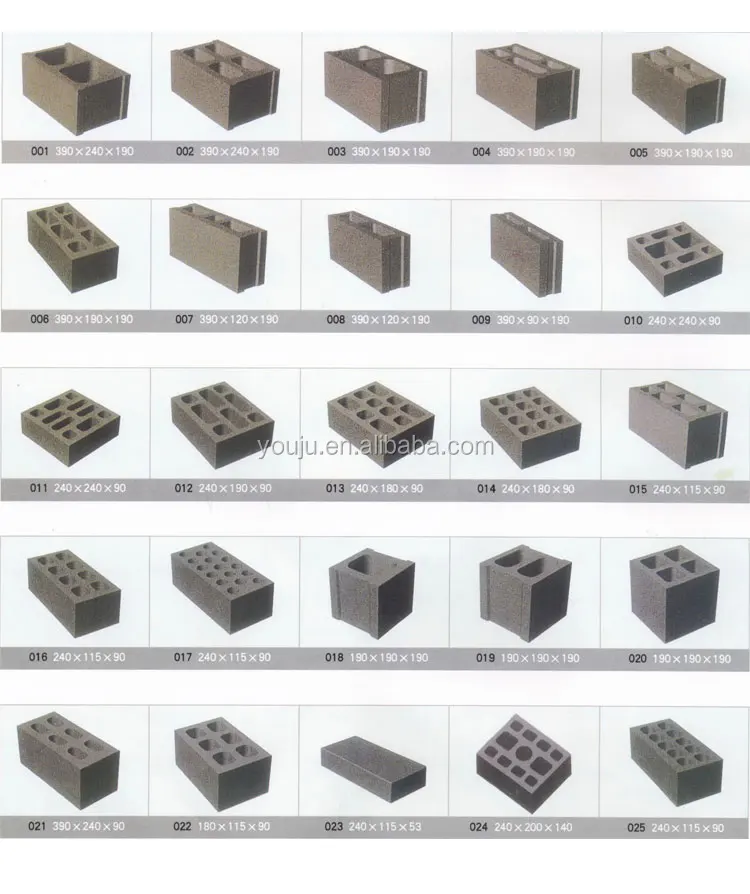
| Small-scale block production for entrepreneurs | Hollow blocks in 400×200×200mm, 400×150×200mm, 400×120×200mm formats |
| Low-investment startup before upgrading to automatic lines | Manual egg-laying production directly on ground |
Why "Pieces per Day" Means Nothing Without the Block Format
Capacity figures only hold weight when tied to a specific block size and shift length.
Many quotations advertise a single daily output number and leave buyers guessing which format it assumes. A machine producing 4,500 pieces of 120mm-thick hollow blocks in eight hours will yield far fewer pieces if the buyer switches to 200mm-thick blocks on the same shift. I have watched buyers receive machines expecting the top-of-range figure, only to discover it applied to the thinnest block in the catalogue. That gap between expectation and reality stalls projects and erodes trust. [NEED_CITE: common buyer misunderstandings of block machine capacity claims]
Engine-Driven Independence for Off-Grid Sites
The QMJ4-45 runs on a 6 kW diesel or petrol engine, which means it does not wait for grid power to reach a remote job site. Contractors working on rural housing projects or temporary infrastructure can begin production the day the machine is unloaded. No transformer, no three-phase supply negotiation, no delay. The engine-driven setup is one reason this mobile egg laying block machine in stock moves quickly to buyers with tight deadlines.
No-Pallet Egg-Laying Production
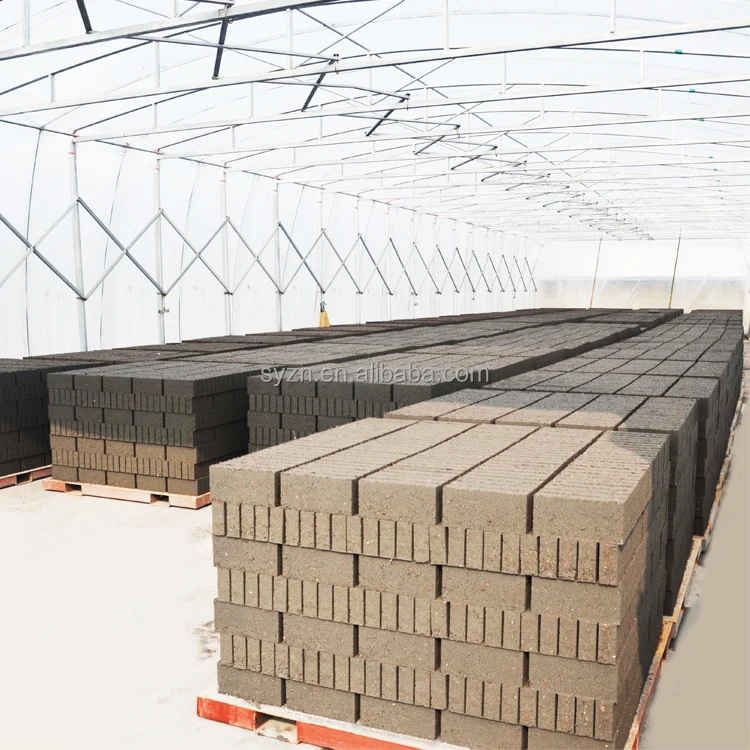
This machine lays blocks directly onto a prepared ground surface and moves forward on its own wheels, leaving the fresh blocks in place to cure. There is no pallet purchase, no pallet return loop, and no pallet storage area to plan. For a contractor producing blocks on the project site, that eliminates an entire handling layer. [NEED_CITE: pallet cost and logistics in block production operations]
Reading the Specifications That Matter
The 2400 r/m vibration frequency combined with mold vibration compacts the concrete mix around the core formers, which directly influences block density and compressive strength. The 40-45 second molding cycle is realistic for a manual demold and manual turn workflow; operators control the pace rather than a PLC. Three output tiers are documented per hollow block format — 3,000 pieces at 200mm thickness, 3,500 at 150mm, and 4,500 at 120mm — all based on an eight-hour shift. This level of detail lets buyers plan material orders and labor crews against the actual block they intend to sell, not a best-case brochure number.
The Hidden Cost of Skipping the Material Test
When a buyer orders without sharing the local aggregate sample, the machine arrives configured for a standard sand profile that may not exist on the project site. High-clay or high-silt materials absorb water differently and reduce vibration compaction efficiency, which leads to blocks that crack during curing or fail a compression test. I have seen machines blamed for poor block quality when the real issue was a mix design that never matched the local material. That discovery on site costs weeks of rework. [NEED_CITE: impact of aggregate quality on concrete block compressive strength]
Why Buyers Source This Machine Here
Block machinery is the single focus of our operation, so the QMJ4-45 is specified as a matched unit — machine, mold, and engine — rather than assembled from separate suppliers. Dispatch lead times are stated at inquiry because stocked units and standard molds are checked against live inventory before a quotation goes out. Container loading plans are confirmed with the buyer, including machine dismantling dimensions for shipment. Factory test records accompany each dispatch so the buyer sees the machine running before it leaves the yard. Arrival estimates are quoted upfront so project timelines can be planned around a known date.
Documentation & Verification
- Factory test record on buyer’s specified hollow block format before dispatch
- Container loading plan with machine dismantling dimensions for shipment
- Machine specification sheet confirming engine type and vibration frequency
- Operation and maintenance manual in buyer’s preferred language
- Packing photographs documenting condition before container sealing
- Customs documentation support for destination country clearance
Installation, Commissioning & Support
- Ground surface must be level and compacted for egg-laying production across the full molding area
- Diesel or petrol engine requires first oil change after initial break-in period
- Machine arrives partially dismantled for container loading; reassembly on site takes one shift
- Mold change between hollow block formats is manual and requires basic hand tools
- Spare vibration springs and wear plates included in the first-year parts kit
- One-year warranty covers the whole machine from date of dispatch
What to Include in Your Inquiry
Send the hollow block format you plan to produce, your local aggregate type and source, and the project start date you are working toward. If the site has no grid power, confirm whether diesel or petrol is more readily available locally. The more detail provided at inquiry, the faster a mobile egg laying block machine in stock can be matched, tested, and loaded for dispatch.
Frequently Asked Questions
Q: Is the QMJ4-45 currently in stock and how soon can it ship?
A: Stocked units and standard molds are checked against live inventory at inquiry. Once the container loading plan is confirmed and payment is settled, the machine can be dismantled, loaded, and dispatched within a short window. Arrival estimates from the port of origin to the destination port are quoted before the order is finalized.
Q: What do the daily output figures actually assume?
A: Each output number is tied to a specific hollow block format and an eight-hour shift: 3,000 pieces for 400×200×200mm, 3,500 for 400×150×200mm, and 4,500 for 400×120×200mm. These figures assume the molding cycle runs consistently at 40-45 seconds per mold with standard concrete mix and manual demold.
Q: Can this machine operate where there is no electricity?
A: Yes. The QMJ4-45 is driven by a 6 kW diesel or petrol engine, so it does not require grid power or a generator. This makes it practical for remote construction sites, temporary project locations, and regions where electrical infrastructure is unreliable or unavailable.
Q: What ground conditions are needed for egg-laying production?
A: The surface should be level, compacted, and free of loose debris. A concrete floor or well-tamped earth works. Uneven ground causes blocks to settle irregularly before curing, which affects dimensional consistency. The machine moves forward on its own wheels, so the production path needs to be clear and long enough for the day’s output.
Q: How is the machine packed and what does arrival timing look like?
A: The machine is partially dismantled to fit container dimensions, and the loading plan is shared with the buyer before dispatch. Packing photographs document the condition at loading. Port-to-port transit time is estimated at quotation stage so the buyer can align site preparation with the expected arrival date.