Description
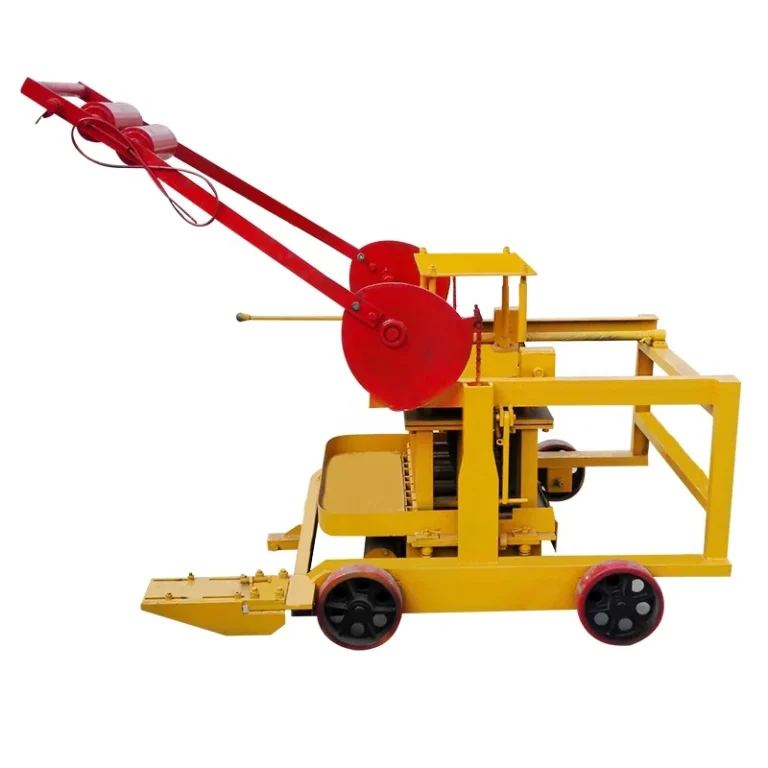
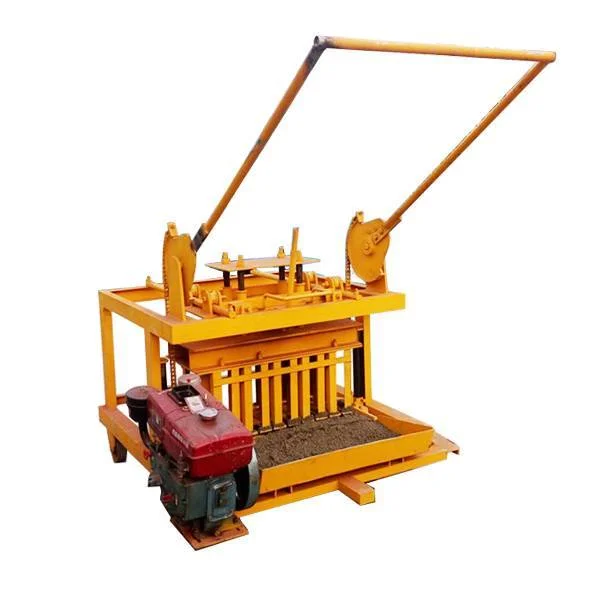
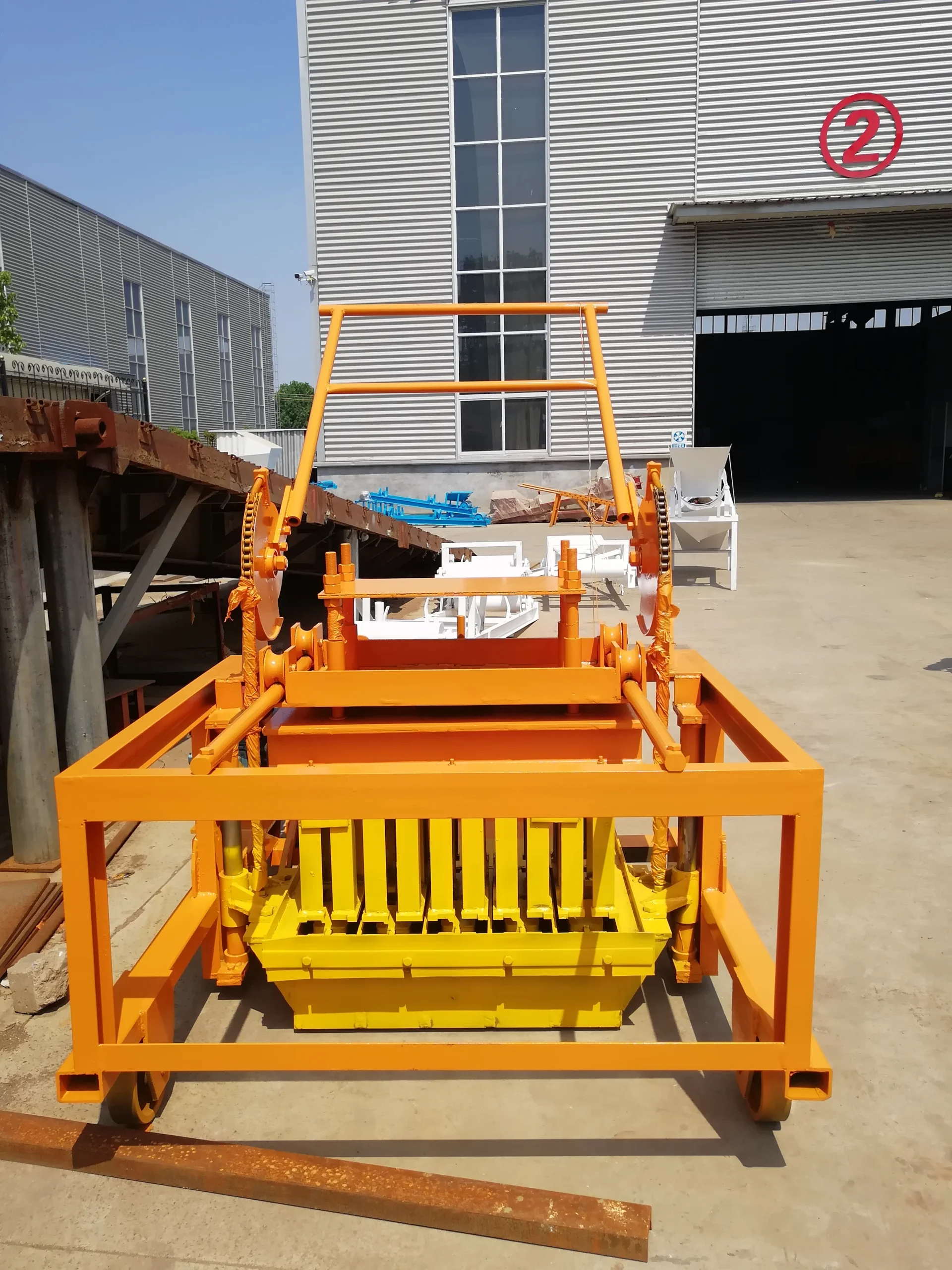
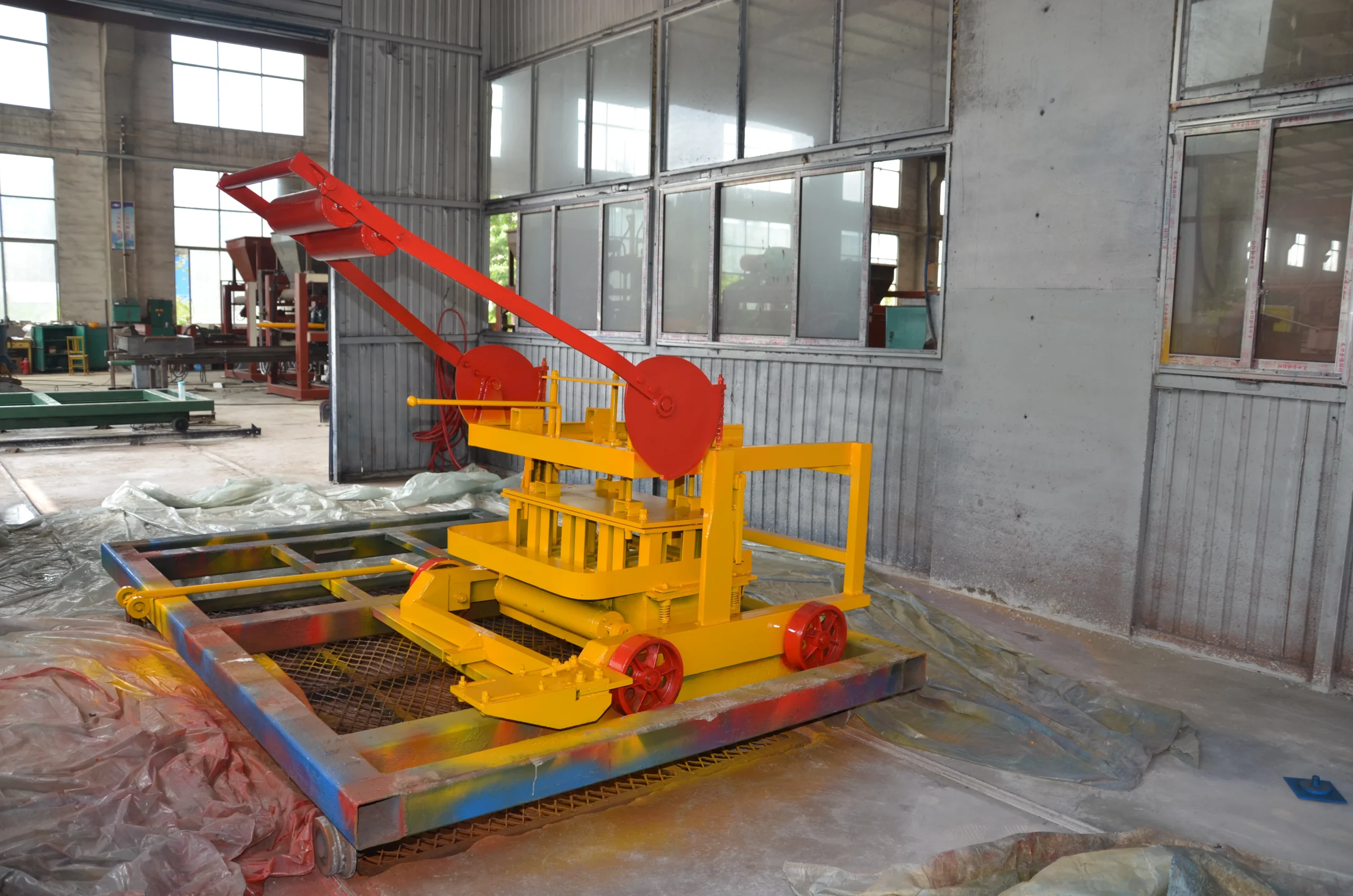
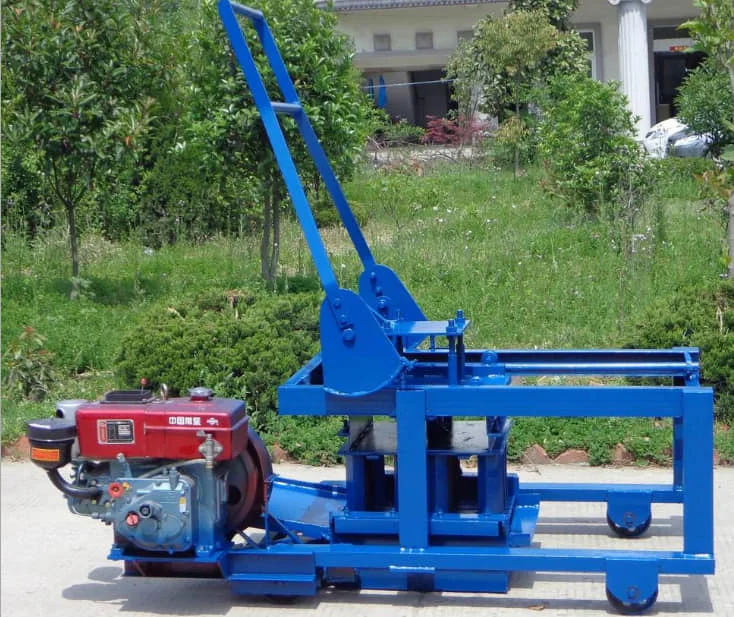
Diesel-Driven Mobility — The QMR4-45 egg-laying block machine is kept in stock and ready for container loading, removing factory lead time from your project schedule.
Technical Specifications
| Parameter | Value |
|---|---|
| Model | QMR4-45 |
| Product Type | Mobile Egg Laying Block Making Machine |
| Power Source | Diesel Engine |
| Machine Type | Mobile / Egg-laying |
| Automation Level | Manual |
| Assembly State | Portable |
| Pallet Size | Not applicable (lays blocks directly on ground) |
| Hydraulic Pressure (MPa) | Not applicable (mechanical vibration) |
| Control System | Manual operation |
| Voltage & Frequency | Not applicable (diesel powered) |
| Certification | CE, ISO 9001 |
| Output Capacity | basis to be confirmed (dependent on block format, material, and thickness) |
| Cycle Time | basis to be confirmed (dependent on block format) |
| Overall Dimensions (L×W×H) | basis to be confirmed |
| Net Weight | basis to be confirmed |
| Vibration Force (kN) | basis to be confirmed |
Application Suitability
| Application | Material or Output |
|---|---|
| Remote construction site block production | Crushed stone, river sand, and cement mixed on site |
| Off-grid housing development projects | Local aggregate with diesel-powered operation |
| Entrepreneur-led small block plants | Low-investment setup with manual handling |
| Infrastructure contractor yard | Solid and hollow blocks produced directly on prepared ground |
Why a Stocked Mobile Egg Laying Block Machine in Stock Beats Waiting for a Custom Build
A machine on the shop floor ships in days, not weeks after the down payment clears.
I have watched project timelines collapse because a buyer chose a configured-to-order unit to chase a marginal specification gain, only to sit idle while the factory ran other jobs first. When a contractor has masons waiting on a slab and walls to raise, the difference between a container already booked and one still in production planning is measured in penalty clauses and crew downtime [NEED_CITE: construction delay liquidated damages clauses]. A mobile egg laying block machine in stock means the unit is assembled, tested, and photographed before you commit, not after.
Dispatch Lead Time That Matches Your Pour Schedule
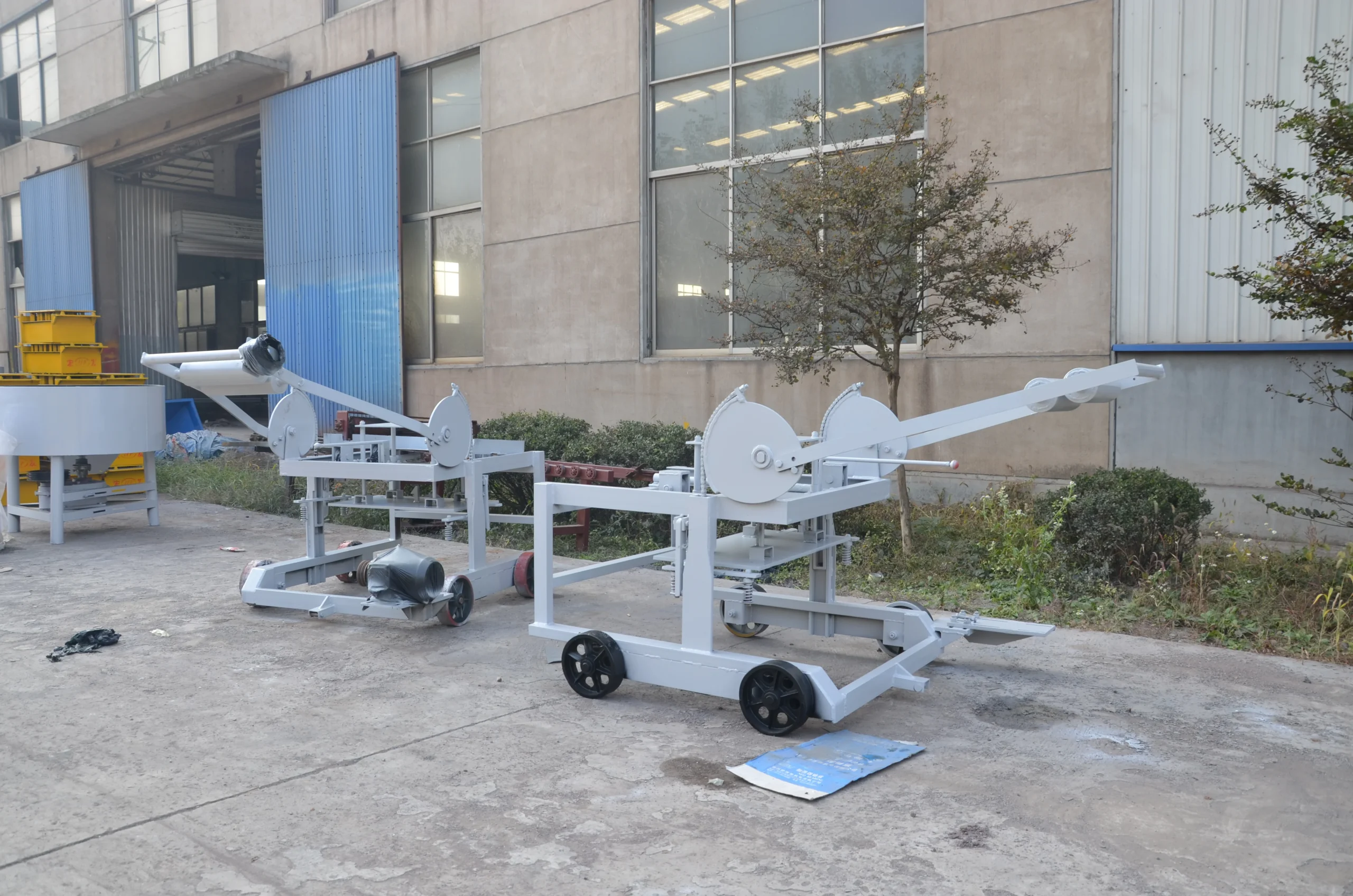
When you source a mobile egg laying block machine in stock, the conversation shifts from factory queue position to vessel booking. The QMR4-45 sits in our yard as a complete, tested unit with its diesel engine mated and run-in. We dismantle only what the container dimensions require — typically the hopper extension and handle assembly — and record the tear-down sequence so your site crew reassembles it with hand tools. Container loading plans are confirmed at quotation stage, so your shipping agent receives the booking reference alongside the commercial invoice.
Ground Conditions Dictate Your Output More Than the Machine Does
An egg-laying machine deposits wet blocks directly onto the surface beneath it, which means that surface is your curing floor. Compacted earth, a concrete slab, or even a gravel yard each produce different results in block base flatness and breakage rate during the first hours before the concrete sets. We ask for photos or a description of your production ground before confirming dispatch, because a QMR4-45 running on soft soil will leave tilted blocks regardless of how well the vibration is tuned [NEED_CITE: concrete block curing surface preparation standards]. This is where mobile egg laying block machine in stock availability matters — you can hold the unit until your yard is ready rather than paying demurrage on a container that arrived too early.
What the Specification Sheet Means on a Diesel-Powered Egg Layer
The QMR4-45 runs a mechanical vibration system driven directly by the diesel engine, which means vibration frequency rises and falls with engine RPM rather than being held constant by a variable-frequency drive. In practice, the operator learns to hold a steady throttle position during the compaction cycle to keep block density consistent from one lay to the next. The manual operation eliminates PLC fault codes and sensor calibration but places forming consistency in the operator’s hands. Since there is no hydraulic press cylinder, compaction comes entirely from vibration amplitude and the weight of the mould box settling onto the mix — a simpler system to maintain in regions where hydraulic hose crimping services are unavailable. The egg-laying design removes pallets from the equation entirely, so you never face pallet warping, pallet replacement costs, or pallet-return logistics on a remote job site.
What Happens When Local Aggregate Is Not What the Test Used
I saw a QMR4-45 type machine lose nearly half its forming speed after arrival because the buyer’s local aggregate was volcanic scoria instead of the river sand used during factory testing. Scoria is lighter and more absorbent, so it dampens vibration transmission and demands longer cycle times to reach adequate compaction. The operator kept pushing the machine at the cycle rhythm he had been shown, and the blocks crumbled at the edges when the mould lifted. This is not a machine defect — it is a mismatch between test conditions and site reality [NEED_CITE: effect of lightweight aggregate on concrete block vibration compaction]. We now ask every buyer to name their aggregate source and send a sample description before we confirm which mould and cycle expectation to quote against.
Why Buying From a Stock-Focused Block Machine Supplier Changes the Timeline
We keep the QMR4-45 as a stocked model because our buyer profile for this machine is almost always project-driven — a contractor who needs blocks before a foundation is poured, or a development agency distributing machines ahead of a building season. Configuration against your mix design happens before dispatch rather than after arrival, so the mould and vibration setting match your material from day one. Mould stock is held alongside the machine, meaning standard formats ship in the same container rather than following weeks later on a separate booking. Customs documentation is prepared from the actual machine serial and engine certificate, not from a generic template. Container dismantling instructions ship inside the crate so your team does not wait for an emailed manual to start reassembly.
Documentation & Verification
- Factory test video showing the QMR4-45 running on diesel before crating
- Diesel engine certificate and emissions datasheet for destination customs
- Container loading plan with dismantling sequence for the hopper and handles
- CE declaration matching the machine serial number on the nameplate
- Mould format drawing showing dimensions for each stocked mould option
- Packing photographs taken after crating and before container door closure
Installation, Commissioning & Support
- Ground compaction guidance for the QMR4-45 egg-laying path, no concrete slab mandatory
- Diesel engine break-in procedure covering the first operating hours before full production
- Hand-tool reassembly checklist for the hopper extension and handle components
- Operator training on throttle control to maintain consistent vibration through each cycle
- Mould change procedure using the manual clamps, no hydraulic quick-release on this model
- Spare vibration springs and diesel consumables packed inside the shipping crate
What We Need Before Confirming Your Dispatch Date
Tell us which block format your market sells most — hollow, solid, or paving — and we confirm which mould is already on the shelf. Share a description or photo of your local aggregate so we can flag any compaction behaviour that will affect cycle expectations. Let us know your destination port so we can match the container booking to your project start date and confirm the diesel engine documentation meets your country’s import requirements.
Frequently Asked Questions
Q: What block formats can the QMR4-45 produce and what is realistic daily output per format?
A: The QMR4-45 accepts interchangeable moulds for hollow blocks, solid blocks, and small pavers. Daily output depends entirely on the block format chosen, the operator’s cycle rhythm, and local aggregate characteristics. We quote output per specific format and mix rather than a single blanket number, so your expectation matches what the machine actually lays on your ground.
Q: How is the machine loaded for shipment and what is the estimated arrival time?
A: We dismantle the hopper extension and handle assembly to fit the QMR4-45 into a standard container, and the reassembly requires only hand tools on site. The container is booked after your order confirmation, and transit time depends on your destination port. We provide the vessel booking reference so your agent can track arrival directly.
Q: Does the diesel engine meet local emissions requirements at the destination?
A: The diesel engine fitted to the QMR4-45 ships with its manufacturer certificate and emissions datasheet. Import regulations for small diesel engines vary by country, so we provide the documentation early enough for you to verify compliance with your local authority before the container departs.
Q: What spare parts ship with the machine and how are replacements sourced?
A: Each QMR4-45 ships with a set of vibration springs, diesel engine consumables, and basic hand tools inside the crate. Replacement moulds and wear parts are available from our stock and can be included in a follow-up shipment or sent by air freight depending on urgency and your location.