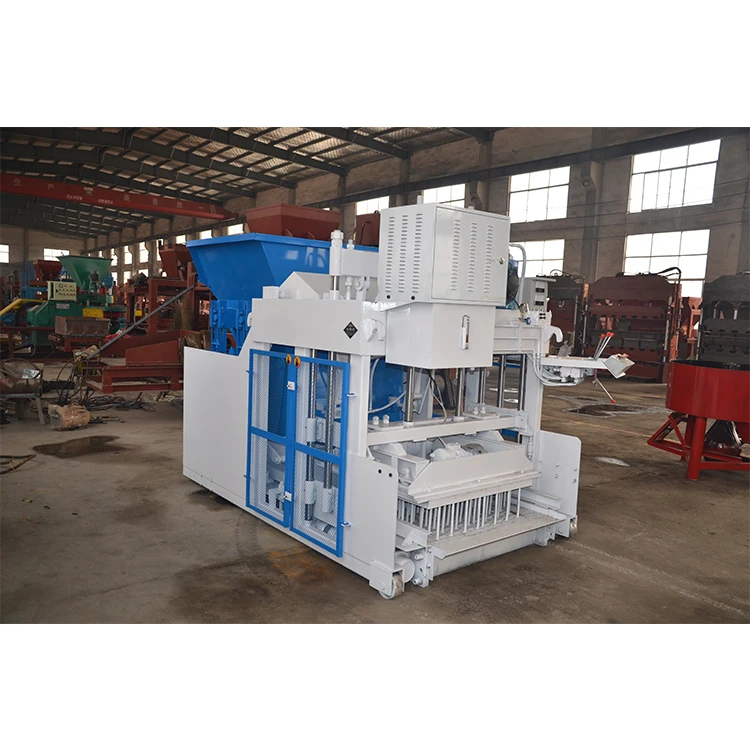
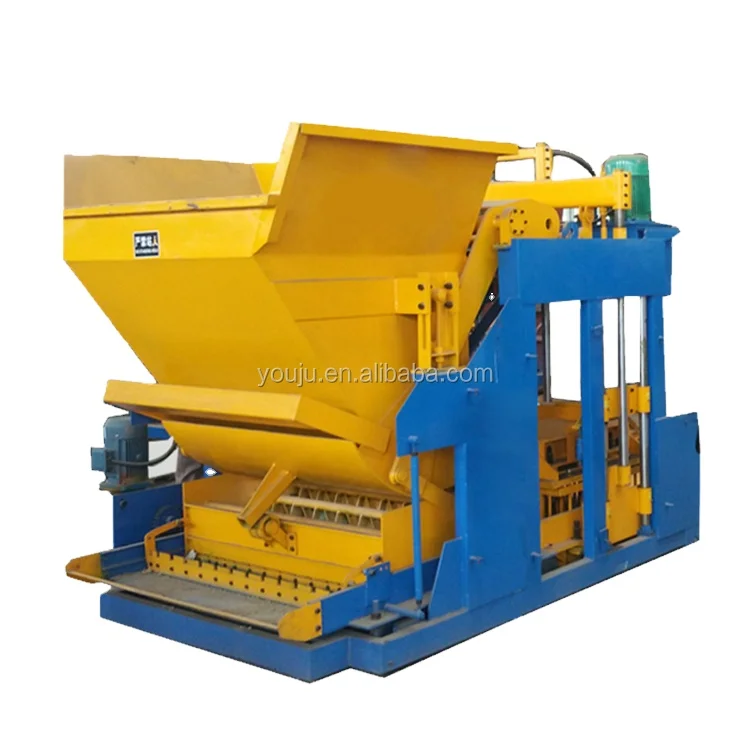
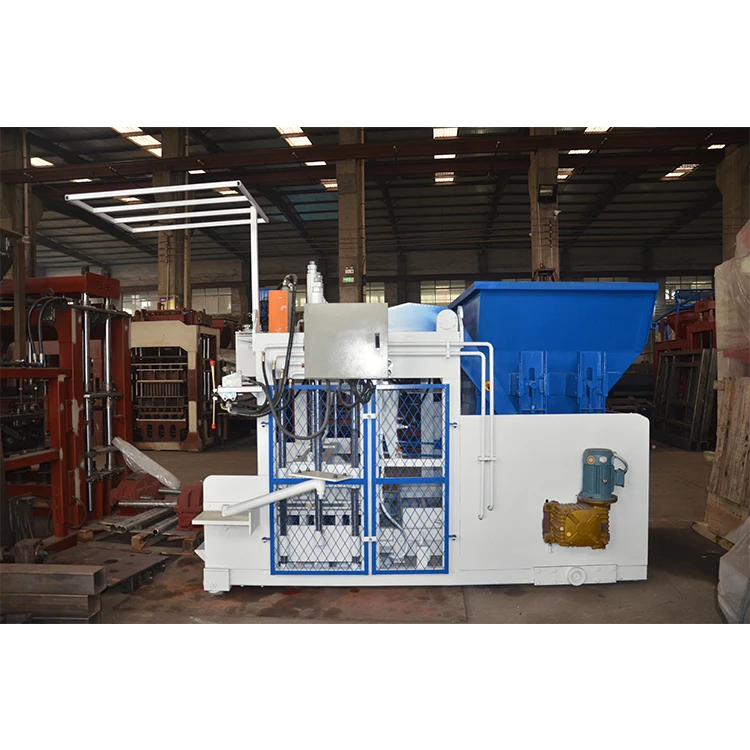
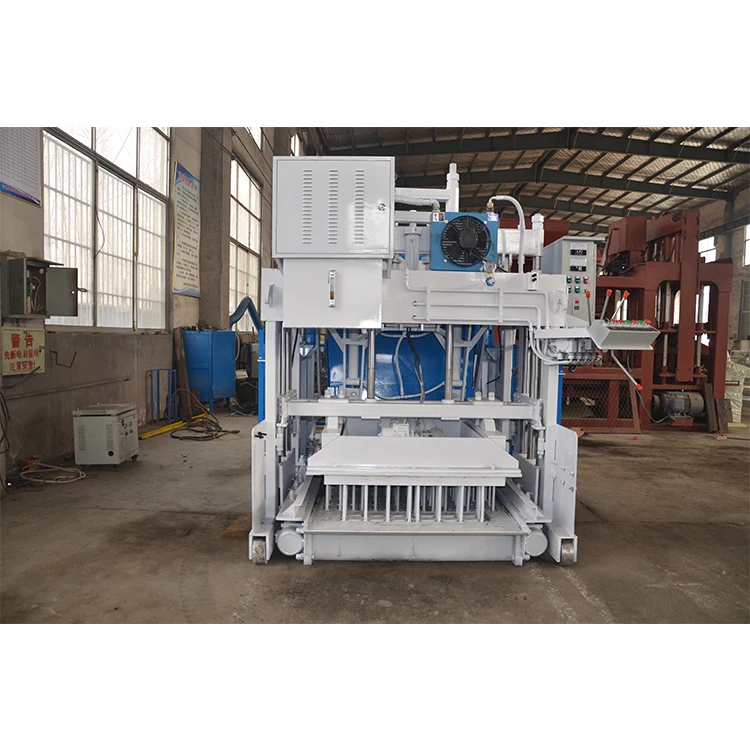
Description
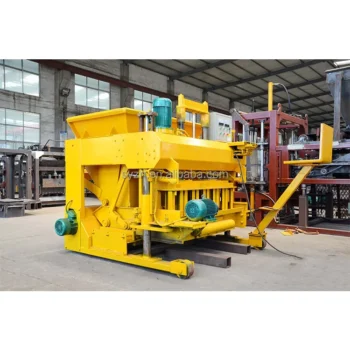
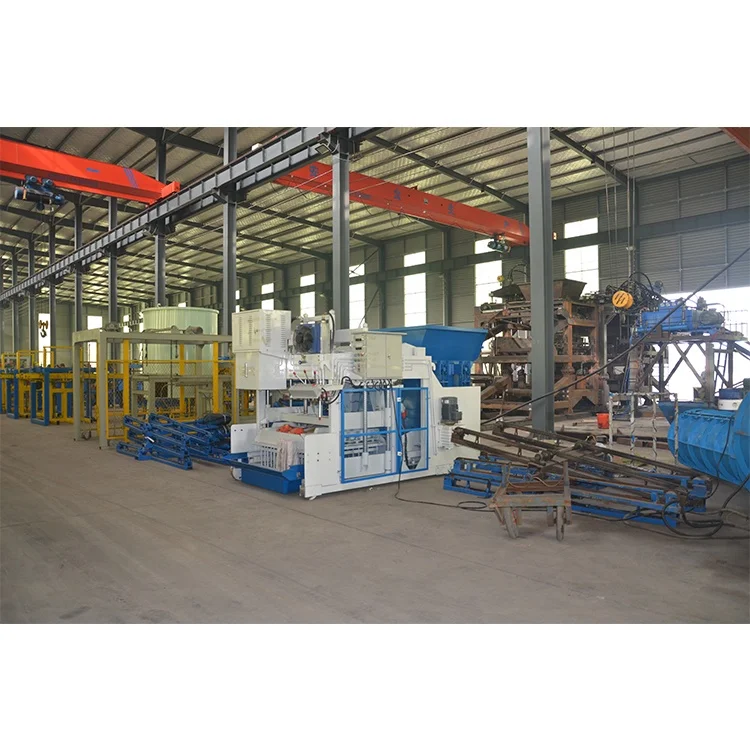
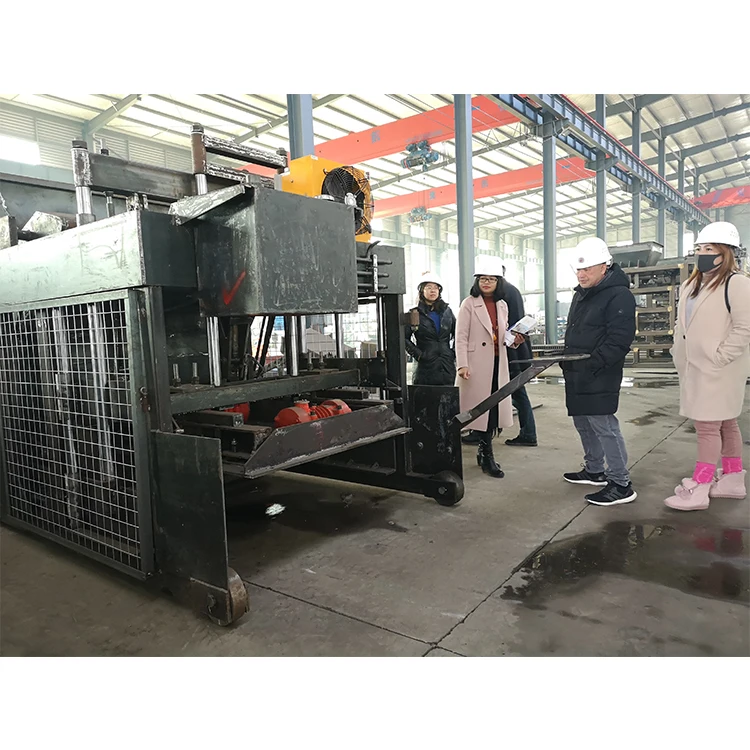
Stock Dispatch Clarity — QMY12-15 egg laying block machine in stock fast delivery with container loading plan and arrival estimate confirmed before payment, not after.
Technical Specifications
| Parameter | Value |
|---|---|
| Model | QMY12-15 |
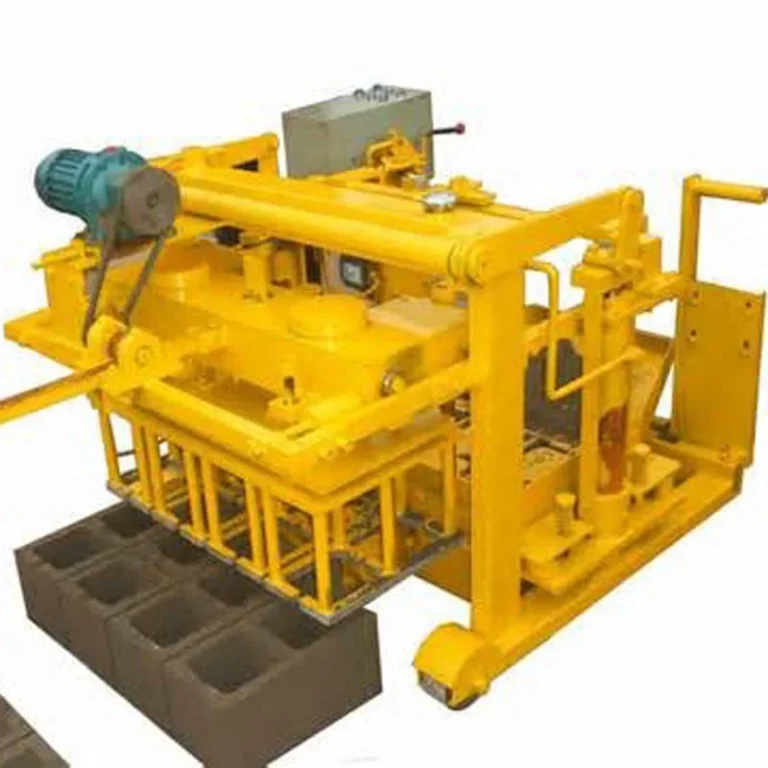
| Product Type | Mobile Egg Laying Concrete Block Making Machine |
| Pressure System | Hydraulic with twice-vibration molding core |
| Motor | Siemens, 16 kW rated power |
| Voltage & Frequency | Basis not stated in source — confirm with buyer site requirements |
| Overall Dimensions (L×W×H) | 3250 × 2100 × 2300 mm |
| Net Weight | 4500–4600 kg |
| Mould Formats Supplied | 400×200×200 mm / 400×150×200 mm / 400×100×200 mm hollow blocks |
| Cycle Time (400×200×200 mm block) | 10–15 seconds |
| Daily Output (400×200×200 mm, 8h) | 23040 pcs/day (source value — verify against actual site conditions) |
| Daily Output (400×150×200 mm, 8h) | 26880 pcs/day (corrected from source typo based on 14 pcs/mould calculation) |
| Daily Output (400×100×200 mm, 8h) | Basis not stated in source — confirm pcs/mould and cycle time |
| Pallet Requirement | None — egg laying design |
| Workers Required | 2–3 operators |
| Control System | Basis not stated in source — confirm PLC or MCC type |
| Standards | ISO 9001:2008 / SGS / CE |
Application Suitability
| Application | Material or Output |
|---|---|
| Active construction site block production | Hollow blocks from locally sourced crushed stone, river sand, and cement |
| Housing development project supply | Solid and hollow blocks for on-site wall construction |
| Rural building material supply | Interlocking and standard hollow blocks from available aggregate |
| Contractor self-production | Blocks produced directly on leveled concrete ground without curing racks |
What "12000 Pieces Per Day" Actually Means on Your Site
Output claims only hold true when the machine runs on the exact material and block format stated — change one variable and the number shifts.
I’ve seen QMY12-15 egg laying block machine in stock fast delivery orders go wrong because the buyer assumed the quoted capacity applied universally. A client in West Africa ordered based on a brochure figure, then discovered their local river sand carried high clay content. Blocks cracked during curing, cycle times stretched as operators adjusted the mix on the fly, and actual daily output fell well short of the catalog number [NEED_CITE: effect of aggregate clay content on block machine cycle time]. The machine wasn’t at fault — the capacity calculation was never matched to their material reality.
Before confirming stock dispatch, we ask for your local aggregate type, cement grade, and target block format. A one-week delay to run a material sample beats a three-month struggle on-site.
Stock Availability and Container Loading Reality
When you’re working against a project deadline, a machine sitting in a warehouse ready to load matters more than one promising better specs in six weeks. The QMY12-15 egg laying block machine in stock fast delivery program means the unit is assembled, tested, and positioned for immediate container loading. We dismantle specific assemblies — typically the hydraulic manifold guard and control panel housing — to fit standard 40-foot container dimensions, then document the reassembly sequence with photographs so your team can reverse the process on arrival.
Dispatch Lead Time Versus Arrival Estimate
Buyers often confuse dispatch date with arrival date. A machine can leave our Linyi yard within days of payment confirmation, but ocean transit, customs clearance, and inland haulage to your site add weeks. We quote both numbers upfront: dispatch lead time from our stock position, and an arrival estimate based on your destination port [NEED_CITE: typical ocean freight transit times from Qingdao to West African and Southeast Asian ports]. This prevents the situation where a contractor commits to a construction schedule based on a dispatch date, then watches the calendar slip.
Hydraulic Pressure and Twice-Vibration: What They Do Together
The QMY12-15 uses hydraulic pressure combined with an upgraded twice-vibration molding core — the vibration fires in two stages rather than one continuous pulse. The first vibration settles the concrete mix into the mould cavity; the second, under hydraulic pressure, compresses it to final density. For hollow blocks in the 400×200×200 mm format, this produces walls that meet structural load requirements without excessive cement content. Single-vibration machines of this class often require richer mixes to achieve the same block strength, driving up material cost per unit. The Siemens motor delivers the 16 kW needed to sustain both systems simultaneously without cycle time degradation during continuous operation.
The Hidden Cost of Skipping Voltage Confirmation
A QMY12-15 configured for 380V/50Hz will not start on a 440V/60Hz site supply, and rewinding a motor in-country takes weeks. Yet voltage confirmation often happens after the machine is already crated. The electrical schematic and motor nameplate must match your site’s incoming supply before the unit leaves stock. This applies equally to the control system — whether PLC or MCC — and the display language on the operator panel [NEED_CITE: industrial equipment voltage and frequency mismatches at import]. We hold voltage confirmation as a gate before final crating, even if it delays dispatch by several days.
Why Procurement Through This Channel
The QMY12-15 ships as a matched system: machine, mould set for your specified format, and documentation aligned to that exact configuration — not assembled from separate supplier invoices. Stock units have factory test records on file, showing actual cycle times and block dimensions from the test run before dismantling for shipment. Container loading plans are prepared per order, accounting for the 4500–4600 kg machine weight and the 3250×2100×2300 mm envelope, with dismantling points marked on the packing photographs. Voltage and frequency are confirmed against your site data before the machine moves from stock position to container. Arrival estimates are quoted alongside dispatch lead times, so project scheduling reflects reality rather than aspiration.
Documentation & Verification
- Factory test record showing cycle time and block dimensions from your specified mould format
- Hydraulic and electrical schematic matching the voltage and frequency confirmed for your site
- Container loading plan with dismantling sequence and reassembly photograph guide
- Packing photographs documenting machine condition at point of crating
- CE declaration and ISO 9001:2008 compliance documentation for customs clearance
Installation, Commissioning & Support
- Level concrete ground required — no fixed plant foundation for the 3250×2100×2300 mm footprint
- Dedicated power circuit matching confirmed voltage and 16 kW motor draw
- Machine arrives partially dismantled; reassembly guided by supplied photograph sequence
- First production run with operator training on mould change and mix adjustment
- Mould wear parts list supplied with reorder intervals based on your aggregate abrasiveness
- Siemens motor service contacts for your region provided at commissioning
What We Need Before Quoting Stock Dispatch
Send your target block format from the 400×200×200 / 400×150×200 / 400×100×200 mm range, your site’s confirmed voltage and frequency, and the destination port for arrival estimation. If your local aggregate has unusual characteristics — high clay content, volcanic ash, recycled concrete — provide a sample description so we can flag any capacity adjustment before you commit.
Frequently Asked Questions
Q: Is the QMY12-15 currently in stock and what is the dispatch lead time?
A: Stock status is confirmed per inquiry, as units move through the yard continuously. When available, dispatch lead time covers final voltage confirmation, container loading plan preparation, and crating — typically measured in days rather than weeks. We quote the dispatch date and estimated arrival at your destination port simultaneously so project planning accounts for transit and customs clearance time.
Q: How is the machine loaded into a container and what dismantling is required?
A: The QMY12-15 at 4500–4600 kg and 3250×2100×2300 mm requires partial dismantling to fit a standard 40-foot container. We remove the hydraulic manifold guard and control panel housing, secure loose assemblies, and photograph each stage. The reassembly sequence is documented so your site team can reverse the process without waiting for a technician.
Q: What voltage and frequency configurations are available from stock?
A: Stock units may carry various motor and control configurations depending on prior orders. Voltage and frequency must be confirmed against your site supply before dispatch — this is a gate in our process, not an afterthought. If the stock unit requires motor or transformer adjustment, we quote that lead time alongside the dispatch date.
Q: Does the machine arrive fully assembled or does it require on-site installation?
A: The machine arrives partially dismantled for container transport. Reassembly involves bolting the guard assemblies back into position and reconnecting hydraulic and electrical lines following the supplied photograph guide. The egg laying design means no fixed plant installation — once reassembled on level concrete ground, the machine is operational after power connection and first-cycle testing.
Q: What is the estimated arrival time to my destination port?
A: Arrival estimates depend on your port, shipping line schedules, and customs processing. We provide an arrival window based on the destination port at the quotation stage, calculated from the confirmed dispatch date. Ocean transit times vary significantly between regions, and inland haulage from port to site adds additional time that must factor into your project schedule.