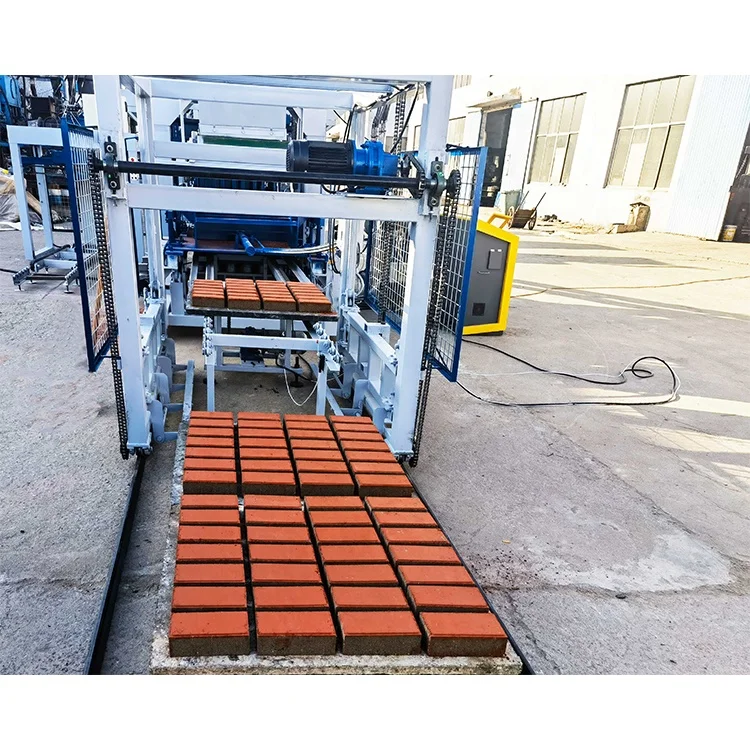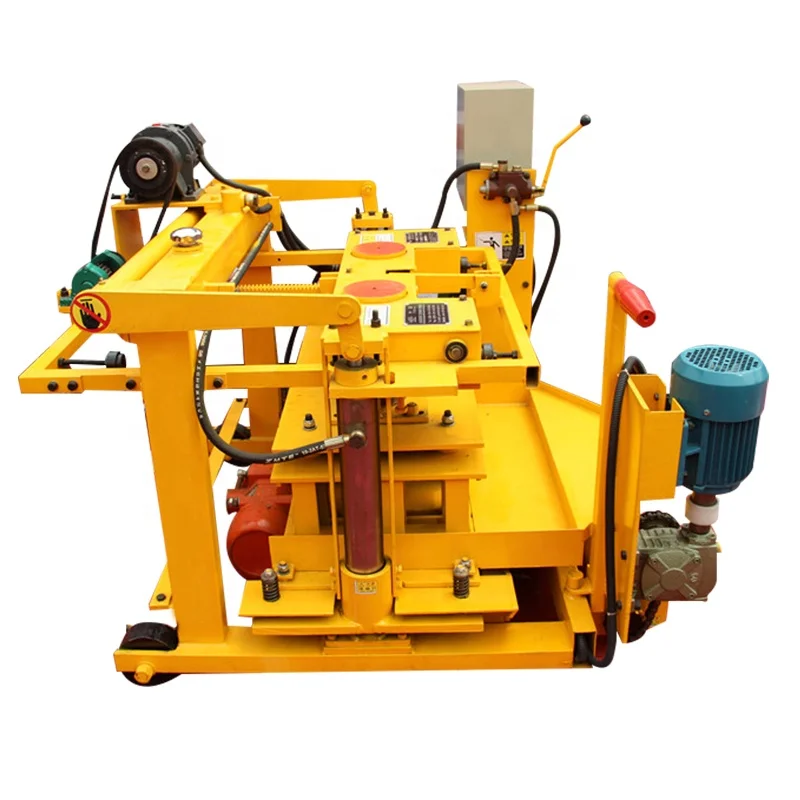
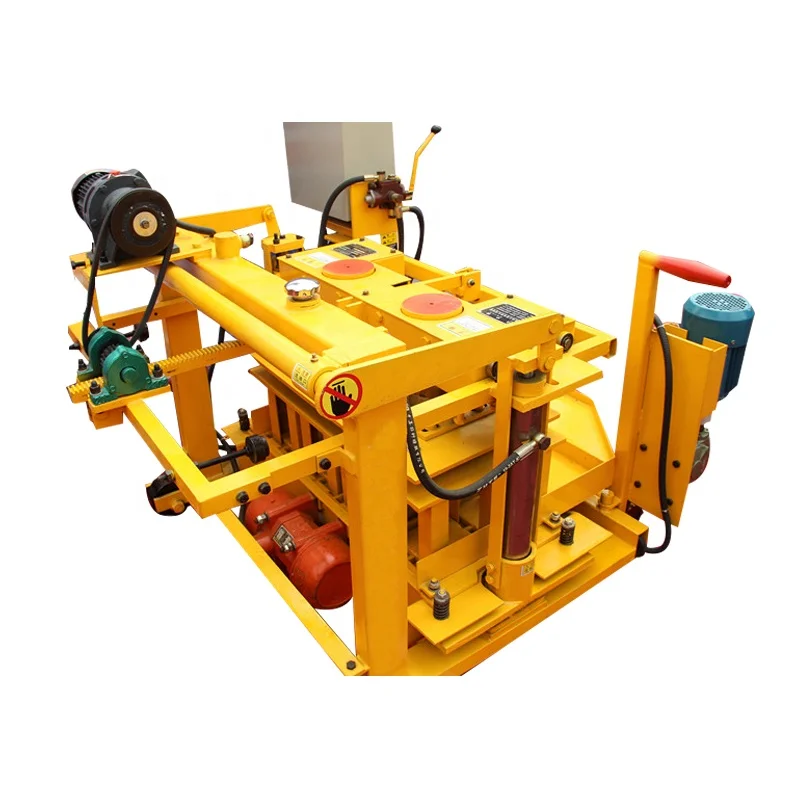
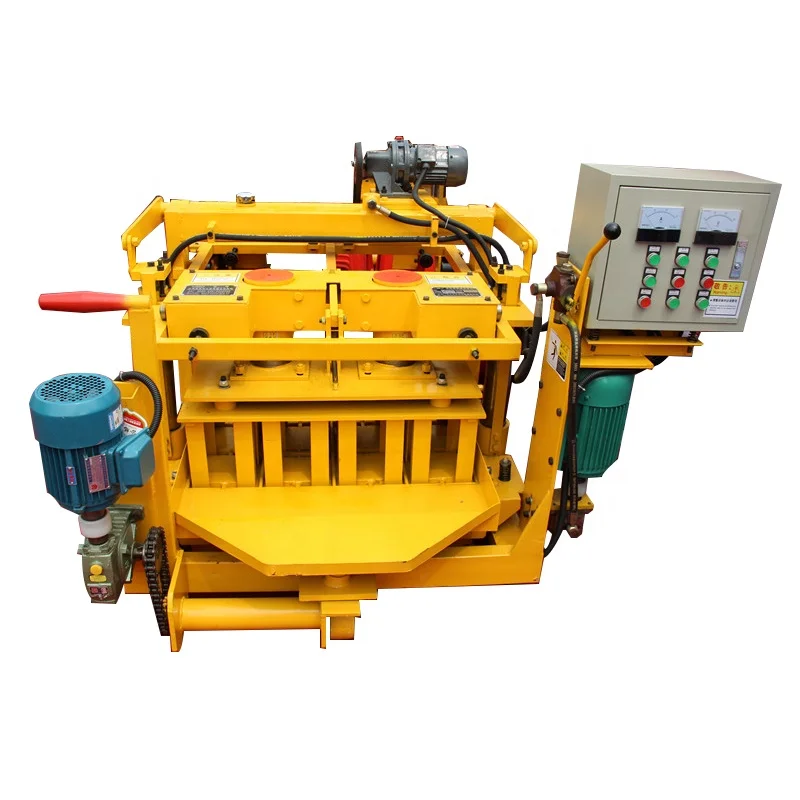
Description
Rapid Dispatch Readiness — Every QMY4-30 mobile block machine leaving our yard is matched against your actual site material before loading, not just pulled from a generic stockpile.
Technical Specifications
| Parameter | Value |
|---|---|
| Model | QMY4-30 |
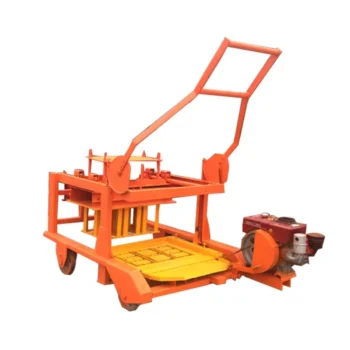
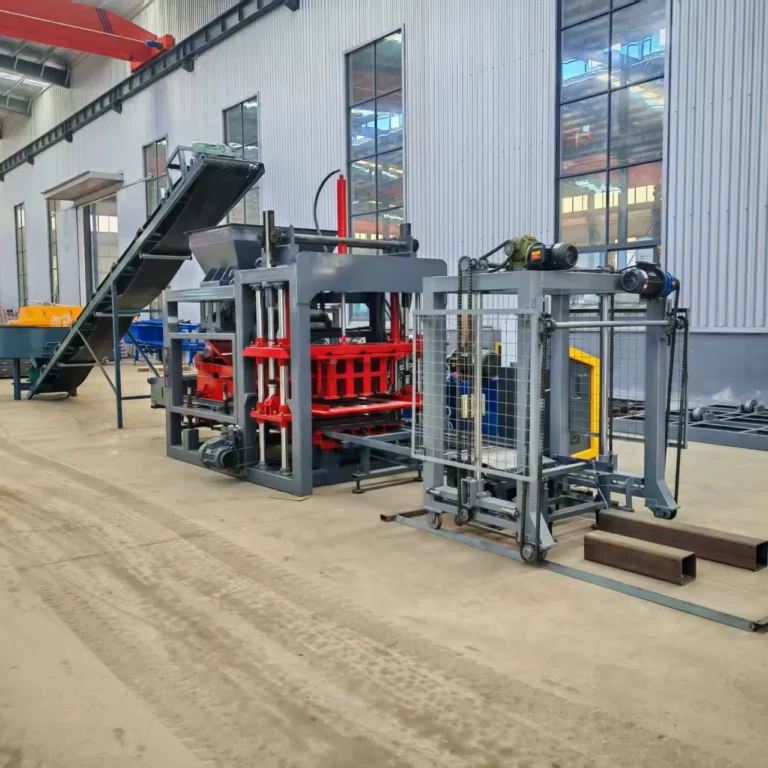
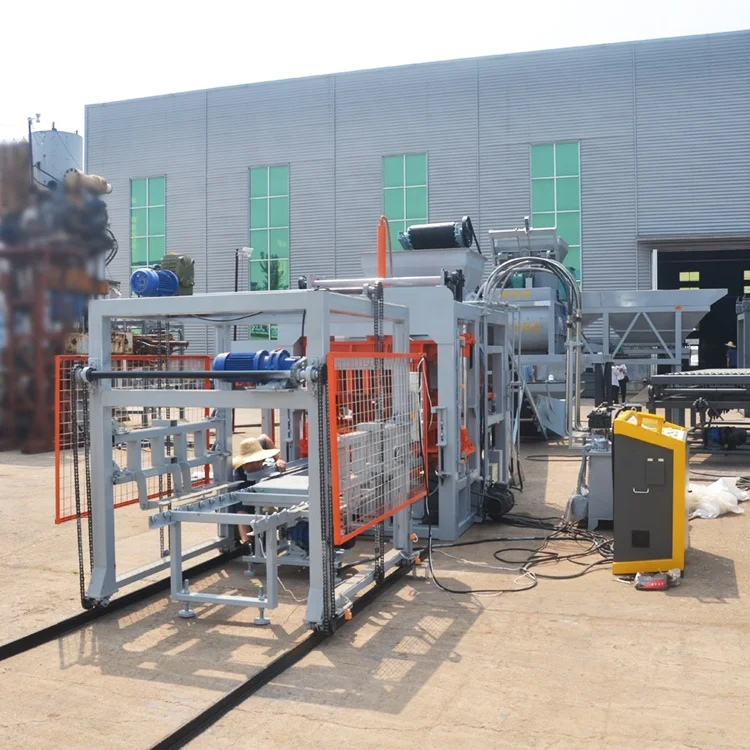
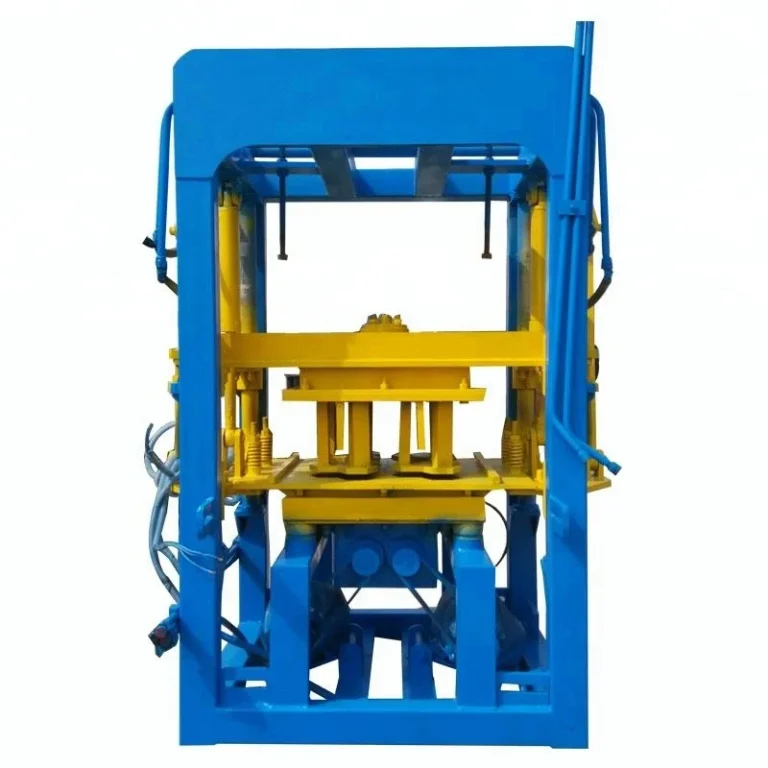
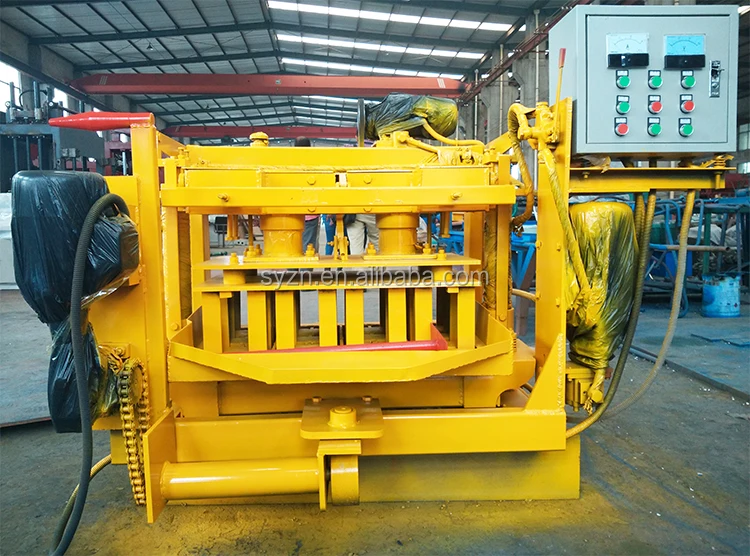
| Product Type | Mobile Hydraulic Block Making Machine |
| Overall Dimensions (L×W×H) | 1300 x 1500 x 1000 mm |
| Net Weight | 950 kg – 1000 kg |
| Total Power | 5.95 kW |
| Hydraulic Method | Mold Vibration |
| Exciting Power | 28.6 KN |
| Excitation Frequency | 4500 r/min |
| Molding Cycle | 30 s |
| Output Capacity | 3000 pcs/day (8 hours) (basis to be confirmed — depends on block format and material) |
| Movement Capability | Move forward, move back, corner |
| Automation Level | Manual operation with hydraulic assist |
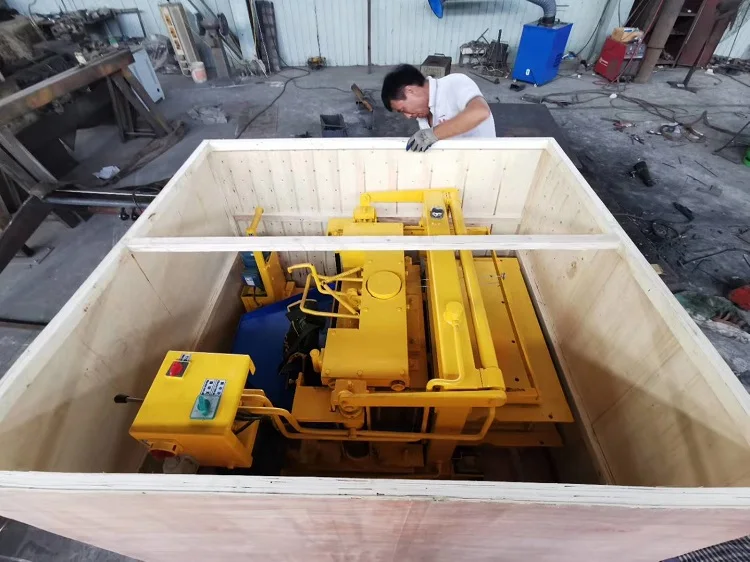
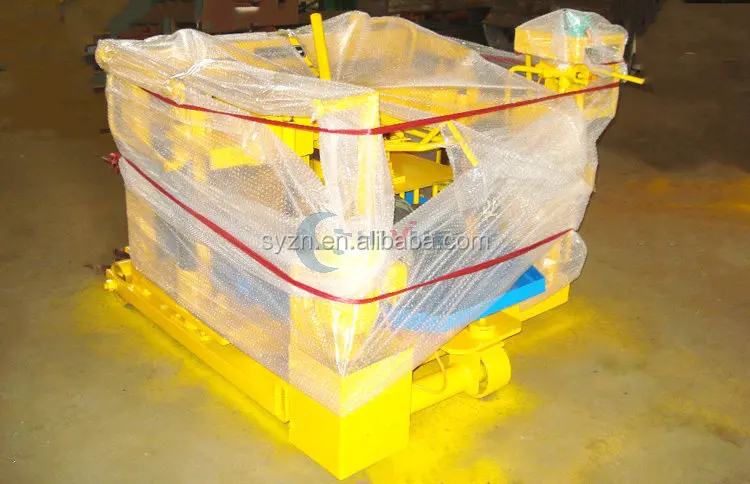
| Assembly State | Fully assembled mobile unit |
| Compatible Raw Materials | Concrete, sand, cement, fly ash, lime, gypsum, stone dust, construction waste, slag, mine tailings, river sand, coal gangue |
Application Suitability
| Application | Material or Output |
|---|---|
| On-site hollow block production | Cement, sand, crushed stone aggregate |
| Solid block manufacturing for housing projects | Fly ash, lime, gypsum blends |
| Remote terrain block laying (mountainous, desert, coastal) | Locally sourced sand and stone dust |
| Small-scale paver and custom format trials | Construction waste, slag, mine tailings |
| Contractor self-production on infrastructure sites | River sand, coal gangue, porcelain granule |
What "3000 Pieces Per Day" Actually Means When You Unload It on Site
A mobile block machine in stock is only useful if it produces saleable blocks on your specific aggregate, not on the test sand we used at the factory.
Output figures for egg-laying machines assume a particular block size, mix ratio and curing condition. When a QMY4-30 arrives on a desert site with wind-blown fines or a coastal yard with salty river sand, the molding cycle stays at 30 seconds but the blocks may crack, crumble or fail drop tests. I have seen units ship within days only to sit idle for weeks while the buyer reformulates a mix the machine was never configured for. Matching the stocked machine to your raw material profile before dispatch eliminates that costly gap. [NEED_CITE: aggregate testing standards for concrete block production]
Dispatch Timeline and Stock Reality
Buyers searching for a mobile block machine in stock usually work against a project milestone. The QMY4-30 is compact enough to fit inside a standard 20-foot container without partial dismantling, which cuts the loading window significantly compared to stationary lines. When a unit is yard-available, the critical path becomes documentation, packing photographs and customs paperwork rather than production lead time. We confirm which QMY4-30 units and standard moulds are physically on the floor before you commit, so the dispatch estimate you receive is based on real inventory, not a build schedule.
Container Loading and Arrival Certainty
Getting a fast delivery mobile block machine across borders involves more than rolling it onto a trailer. The QMY4-30 weighs under one tonne and measures 1300 x 1500 x 1000 mm, meaning it can be loaded upright and secured without removing the hydraulic assembly or vibration motor. Packing photographs are shared before the container doors close, and shipping paperwork is prepared in parallel with loading. This sequence matters because a missed document window can add weeks at the destination port — an avoidable delay when you are racing a construction deadline. [NEED_CITE: international machinery export documentation requirements]
How 28.6 KN Exciting Force and 5.95 kW Power Shape Your Site Options
The vibration force of 28.6 KN at 4500 r/min determines how densely the concrete pack settles into the mould cavity during each 30-second cycle. On a mobile egg-laying machine, there is no fixed pallet table to absorb reaction forces, so the exciting power must be balanced against the machine’s own weight — under one tonne here — to avoid walking or tilting during operation. The total power draw of 5.95 kW is low enough to run from a portable generator on a remote site, which matters when grid power is unavailable or unreliable. Hydraulic mold vibration rather than full hydraulic pressing means the system demands less from your power source while still achieving sufficient compaction for hollow and solid block formats. The trade-off is that block density depends more heavily on your mix consistency, since the hydraulic assist supports the mould rather than applying high-pressure compression to the mix itself. [NEED_CITE: vibration force requirements for mobile block forming]
The Cost of Shipping the Wrong Machine to the Right Site
Ordering a mobile block machine in stock without verifying voltage, frequency and control language sounds efficient until the unit arrives and the motor will not start on local supply. I have watched a housing project lose an entire curing cycle because the machine sat under tarp for three weeks while a transformer was sourced locally. The QMY4-30’s low total power simplifies the electrical question, but the voltage must still match your site before the container is sealed. A mismatched frequency affects the vibration motor speed directly, altering the excitation frequency and changing block density in ways that only show up after production begins. Confirming these electrical parameters at order stage costs nothing; correcting them on site costs time you cannot recover. [NEED_CITE: voltage and frequency standards by export market]
Why Procurement Stops Here
Every QMY4-30 we dispatch is verified against your stated raw material, not just tested on our yard sand. The machine, mould and hydraulic system ship as one matched unit rather than assembled from separate suppliers after arrival. Voltage, frequency and any PLC display language are confirmed at order confirmation, not discovered at commissioning. Standard moulds and hydraulic wear parts are listed and available for the same container, so your first replacement cycle does not trigger an emergency air freight. Factory test records document the specific block format and cycle time achieved before packing photographs are taken.
Documentation & Verification
- Factory test record on your stated block format before dispatch
- Voltage and frequency confirmation sheet signed at order stage
- Packing photographs showing container loading and securing detail
- Machine specification sheet with mould drawing and format list
- Hydraulic and electrical schematic matching the shipped configuration
- Customs documentation support for destination country clearance
Installation, Commissioning & Support
- Site ground must be level concrete or compacted earth to support 950–1000 kg during vibration cycles
- Power supply must deliver 5.95 kW at confirmed voltage and frequency on a dedicated circuit
- Machine ships fully assembled — no hydraulic line reconnection or motor remounting required on arrival
- First production run includes cycle timing and block density check against your local aggregate
- Mould change is manual; training covers alignment, clamping sequence and cycle restart procedure
- Wear parts list identifies hydraulic seals and vibration mounts with reorder intervals
Before You Request a Quote
Tell us the block format you actually sell — hollow, solid, paving or a custom profile — along with the dimensions and your target daily output. Share a sample or description of your local aggregate: sand type, stone size, any fly ash or construction waste you plan to use. Confirm your site voltage, frequency and whether grid power or a generator will supply the 5.95 kW demand. If you have a curing area already prepared, note its dimensions so we can confirm the QMY4-30’s egg-laying pattern fits your layout.
Frequently Asked Questions
Q: Is the QMY4-30 currently in stock or built to order?
A: We confirm which QMY4-30 units and standard moulds are physically available on the yard at the time of your inquiry. Stock status is checked before any dispatch commitment is made, so the lead time you receive reflects real inventory rather than a production queue. Built-to-order units follow a separate timeline quoted at inquiry stage.
Q: How is the machine loaded into a container for shipment?
A: The QMY4-30 measures 1300 x 1500 x 1000 mm and weighs under one tonne, so it loads upright into a standard 20-foot container without dismantling the hydraulic or vibration assembly. Packing photographs are taken before the container is sealed, and loading plans are shared so you know exactly how the unit is secured for transit.
Q: What daily output can I expect for my specific block format?
A: The quoted 3000 pieces per day figure assumes a particular block size, material mix and eight-hour shift that may not match your production target. We calculate realistic output based on your actual block dimensions, wall thickness and raw material before the order is finalized, so you receive a capacity number tied to what you will actually produce on site.
Q: Can the machine be configured for my local voltage before it ships?
A: Yes. Voltage and frequency are confirmed at the order stage, and the electrical system is configured to match your site supply before dispatch. A mismatched frequency would alter the vibration motor speed and affect block density, so this step is mandatory, not optional, before any QMY4-30 leaves the yard.
Q: How quickly can replacement moulds and wear parts ship if needed?
A: Standard moulds and hydraulic wear parts such as seals and vibration mounts are listed at order stage and can ship with the initial container. If replacements are needed after production starts, dispatch timing depends on current stock and your location, which we quote honestly rather than promising unrealistic air freight windows.