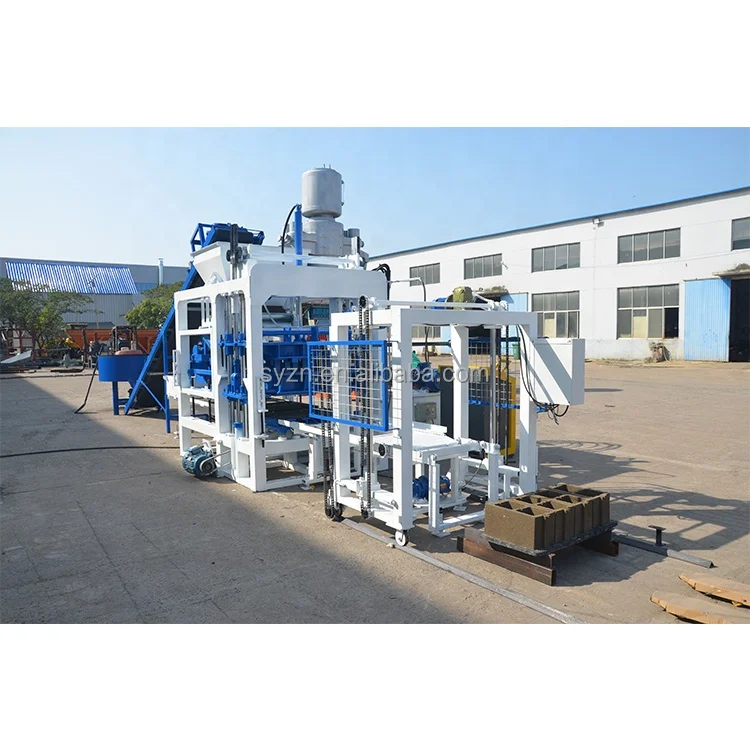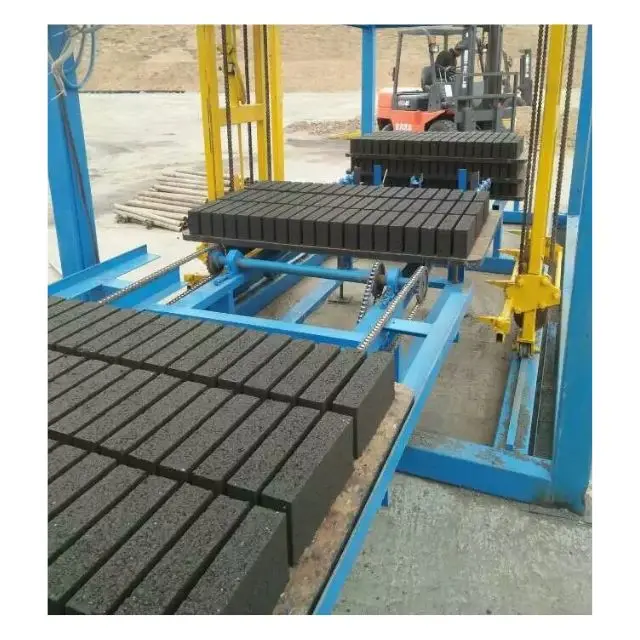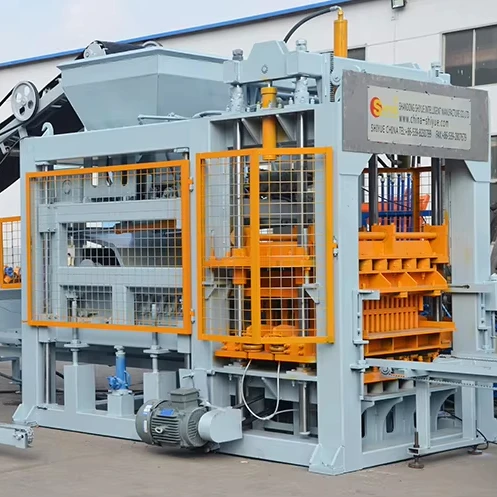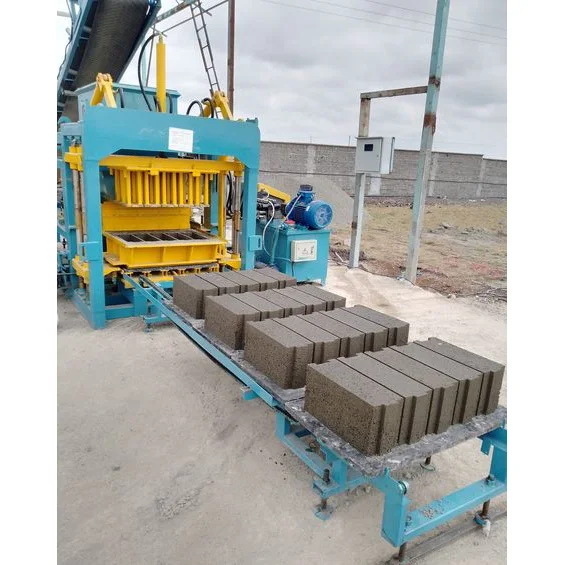

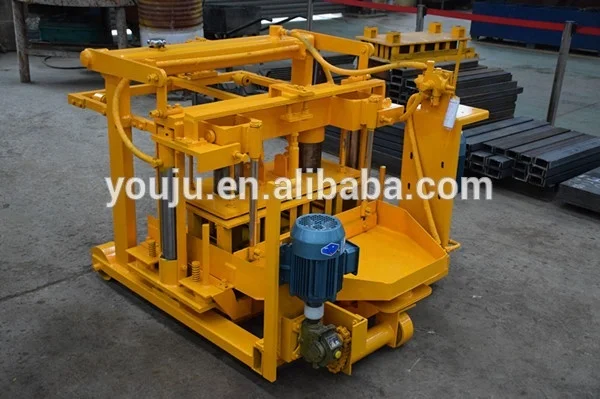
Description
Single-focus block machinery supply — QMY4-30 units are assembled, factory-tested and ready for container loading so buyers on tight project schedules receive a confirmed dispatch date before payment.
Technical Specifications
| Parameter | Value |
|---|---|
| Model | QMY4-30 |
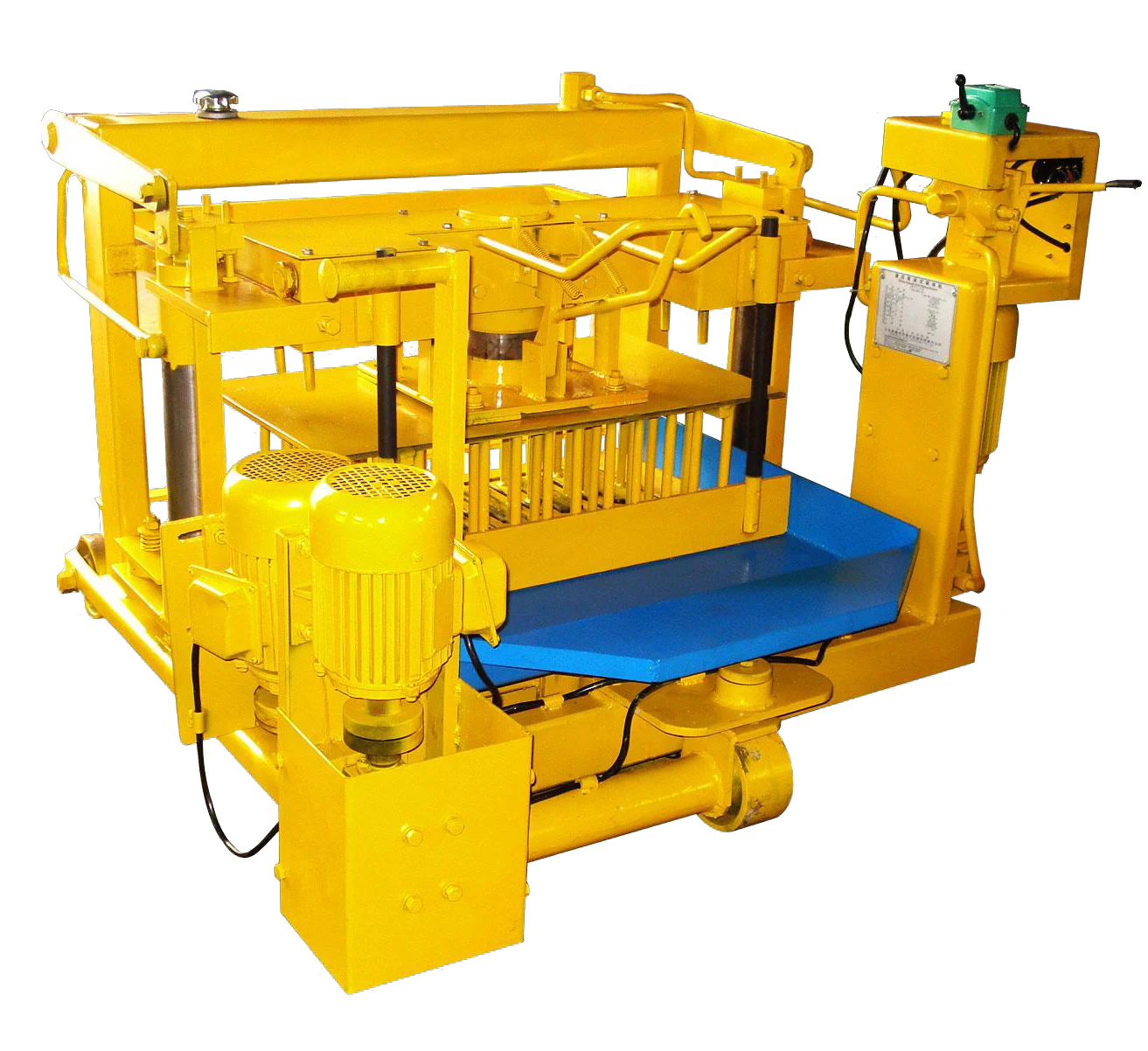
| Product Type | Mobile Concrete Block Making Machine |
| Rated Power | 5 kW |
| Voltage & Frequency | Configurable to target market (basis to be confirmed) |
| Overall Dimensions | 1200 × 1200 × 1100 mm |
| Net Weight | 950 kg |
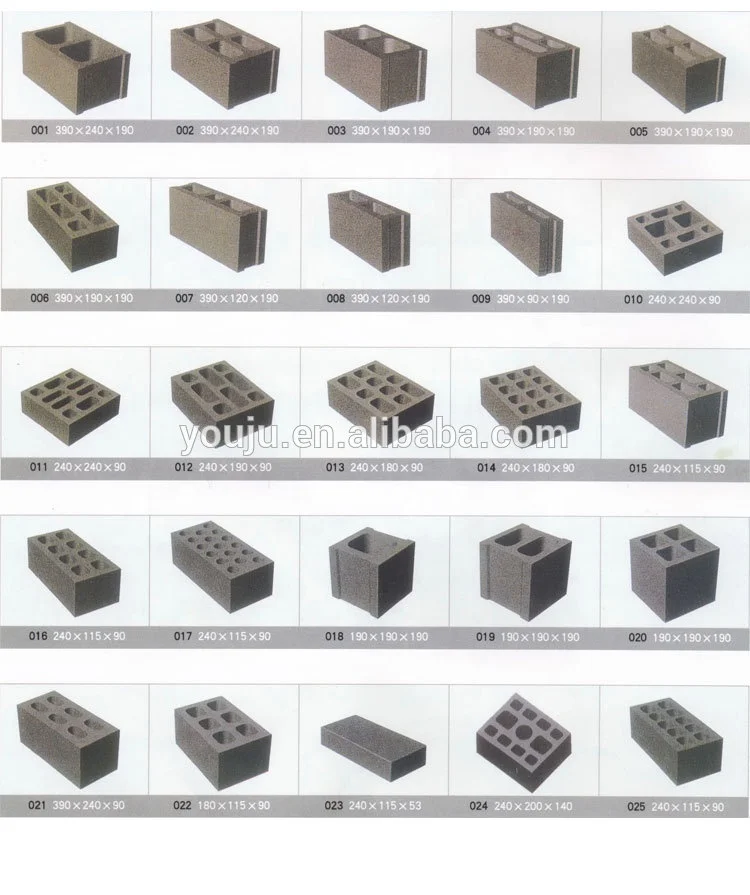
| Mould Format | Changeable for hollow block and solid brick |
| Cycle Time | 30 seconds per mould (basis not stated in source — confirm block format) |
| Output Capacity | 480 pcs/h for 400×200×200mm hollow block; 600 pcs/h for 400×150×200mm; 840 pcs/h for 400×100×200mm |
| Daily Output (8h) | 3840 pcs for 400×200×200mm; 4800 pcs for 400×150×200mm; 6720 pcs for 400×100×200mm |
| Pcs per Mould | 4 pcs (400×200×200mm); 5 pcs (400×150×200mm); 7 pcs (400×100×200mm) |
| Raw Materials | Cement, sand, crushed stone, slag |
| Automation Level | Mobile egg-laying, low-investment entry configuration |
| Stacking Method | Blocks laid directly on ground |
| Pallet Size | Not required (egg-laying mobile type) |
| Warranty | One year |
| Certification | CE |
Application Suitability
| Application | Material or Output |
|---|---|
| On-site hollow block production for housing projects | Cement, sand, crushed stone and slag mixed locally |
| Small-scale solid brick runs for contractors | Locally sourced aggregate with cement binder |
| First block operation for entrepreneurs | Hollow block formats from 400×100×200mm to 400×200×200mm |
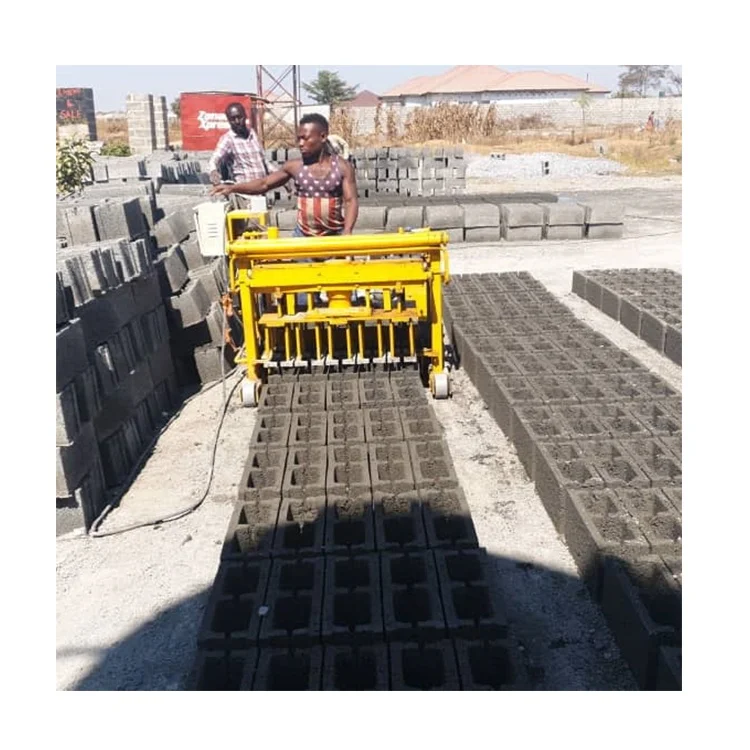
| Remote construction sites without fixed plant | Mobile egg-laying production directly on compacted ground |
Why "In Stock" Matters More Than the Brochure
When a project deadline leaves no room for long lead times, knowing a mobile block machine in stock is ready for dispatch matters more than any spec sheet. Availability with a confirmed loading plan turns a catalogue promise into a delivery date.
I have stood on job sites where a missing block machine meant masons sat idle for weeks while the production schedule slipped day by day. Contractors working against penalty clauses do not have the luxury of waiting for a machine built to order. When the QMY4-30 is stocked and the container loading plan is settled upfront, the arrival estimate becomes something the site manager can actually plan around [NEED_CITE: typical container shipping transit times by destination region].
Container Loading That Fits Standard Shipping
The QMY4-30 weighs 950 kg and measures 1200 × 1200 × 1100 mm, which means it loads into a standard container without requiring flat-rack or break-bulk arrangements. This keeps freight costs predictable and transit options open for a mobile block machine in stock heading to most destination ports. The compact footprint also means dismantling for shipment is minimal — the machine arrives largely intact and can be moved to the work area with standard site equipment.
Dispatch Timing Quoted Before Payment
For buyers working against a project deadline, the dispatch lead time is the first number that matters. With a mobile block machine in stock, the quotation includes the confirmed dispatch window and container loading schedule rather than a production estimate. Packing photographs are taken before the container is sealed, so the buyer sees exactly what is going into the box [NEED_CITE: standard pre-shipment inspection documentation practices].
Reading the Output Numbers Honestly
The cycle time is 30 seconds per mould, but what that translates to in daily output depends entirely on the block format being produced. With the 400×200×200mm hollow block, the QMY4-30 produces 4 pieces per mould, yielding a rated 480 pieces per hour and 3,840 pieces over an eight-hour shift. Switching to the 400×100×200mm format puts 7 pieces per mould into the same 30-second cycle, lifting the hourly figure to 840 pieces. The machine does not work harder — the mould simply holds more cavities for the thinner wall format. Any supplier quoting a single output number without naming the block format is leaving out the part of the equation that determines whether the machine actually meets the site’s daily target.
The Voltage Question That Stops Production Cold
On one overseas site I supported, a mobile egg-laying machine arrived with the hydraulic pump motor wound for 50 Hz, while the contractor’s generator was running 60 Hz. The motor spun faster but the hydraulic pressure never reached the setpoint, and every block collapsed during demoulding. The crew lost three weeks before a replacement motor arrived. The QMY4-30 is rated at 5 kW, and that rating only means something when the voltage and frequency match the power source the buyer actually has on site. Confirming the electrical specification before the machine leaves the factory eliminates a failure mode that no amount of on-site troubleshooting can fix quickly [NEED_CITE: voltage and frequency standards by export market].
What Happens When Dispatch Details Get Skipped
Skipping the pre-shipment checklist on a mobile block machine in stock usually surfaces as a problem at the worst possible moment — after arrival. Missing customs documentation delays clearance at the port, and every day the container sits in the terminal is a day the site crew cannot produce. When the factory test record, packing photographs and paperwork are not confirmed before the container doors close, the buyer is left chasing documents across time zones while the project clock keeps running [NEED_CITE: common causes of customs clearance delays for industrial machinery].
Why This Machine Ships From a Single-Focus Supplier
Block machinery is the only product line here, so the QMY4-30 leaves the factory with moulds, documentation and spares specified as one matched set rather than assembled from separate vendors. The dispatch process includes a factory test record confirming cycle time on the buyer’s target block format. Container loading plans account for the machine’s 1200 × 1200 × 1100 mm dimensions and 950 kg weight. Electrical specifications are confirmed against the destination market before production. Moulds and hydraulic wear parts ship with the machine so the first replacement does not trigger a search for components. Installation guidance covers on-site setup for the egg-laying configuration. Every step is oriented around getting the machine producing blocks at the job site, not just getting it out the factory door.
Documentation & Verification
- Factory test record confirming 30-second cycle on your specified hollow block format
- Container loading photographs showing QMY4-30 securing and bracing before seal
- Voltage and frequency confirmation sheet matched to your site power source
- CE declaration and compliance documentation for destination market customs
- Mould drawing and format list covering all supplied cavity configurations
- Operation manual with maintenance intervals specific to the 5 kW drive system
Installation, Commissioning & Support
- Level compacted ground required across the 1200 × 1200 mm machine footprint
- Dedicated 5 kW circuit with confirmed voltage and frequency before first start
- Machine arrives assembled; position with standard site forklift or crane
- Cycle time and vibration checked on your block format during commissioning
- Operator training covers mould change procedure across supplied formats
- Hydraulic wear parts list provided with first-order spare recommendations
- Daily greasing schedule for vibration mount and guide components
What to Share With Your Inquiry
To confirm availability and quote an accurate arrival estimate, share the hollow block or solid brick format you intend to produce, your destination port, and the voltage and frequency available on site. If you have an existing generator set or site transformer, include its rated output so the 5 kW motor can be matched before dispatch. Mention any project milestone date the machine needs to meet so the dispatch window can be checked against your timeline.
Frequently Asked Questions
Q: Is QMY4-30 currently in stock and what is the dispatch lead time?
A: Stock availability is confirmed at the time of inquiry. When the QMY4-30 is in stock, dispatch can typically be arranged within a short window after payment and electrical confirmation. The exact lead time is quoted in the proposal so you have a firm date to plan container booking and site preparation around.
Q: How is the machine packed and loaded for container shipment?
A: The QMY4-30 at 950 kg and 1200 × 1200 × 1100 mm loads into a standard container. The machine is secured and braced to prevent movement during transit. Packing photographs are taken before the container is sealed and shared with the buyer for record and verification purposes.
Q: What is the estimated arrival time to my destination port?
A: Arrival time depends on the destination port and the shipping line schedule. Once the container is booked, an estimated arrival date is provided based on the carrier’s published transit time. This allows site managers to schedule crew and raw material delivery with a known equipment arrival window.
Q: What documentation is provided for customs clearance?
A: The shipment includes a commercial invoice, packing list, bill of lading and CE declaration where applicable. The factory test record and machine specification sheet are also supplied. All documents are prepared in the format required for customs clearance at the destination port.
Q: What is covered under the one-year warranty?
A: The one-year warranty covers manufacturing defects in the QMY4-30 machine components under normal operating conditions. Hydraulic wear parts and moulds are consumable items and are documented separately with expected service intervals so buyers can plan replacements and spares ordering accordingly.