
Description
Rapid Dispatch Focus — Every QMY4-30 unit is inspected, crated, and cleared for same-week port loading so contractors miss zero days on site.
Technical Specifications
| Parameter | Value |
|---|---|
| Model | QMY4-30 |
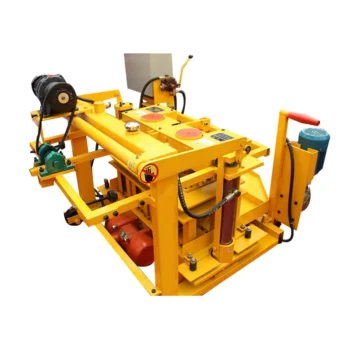
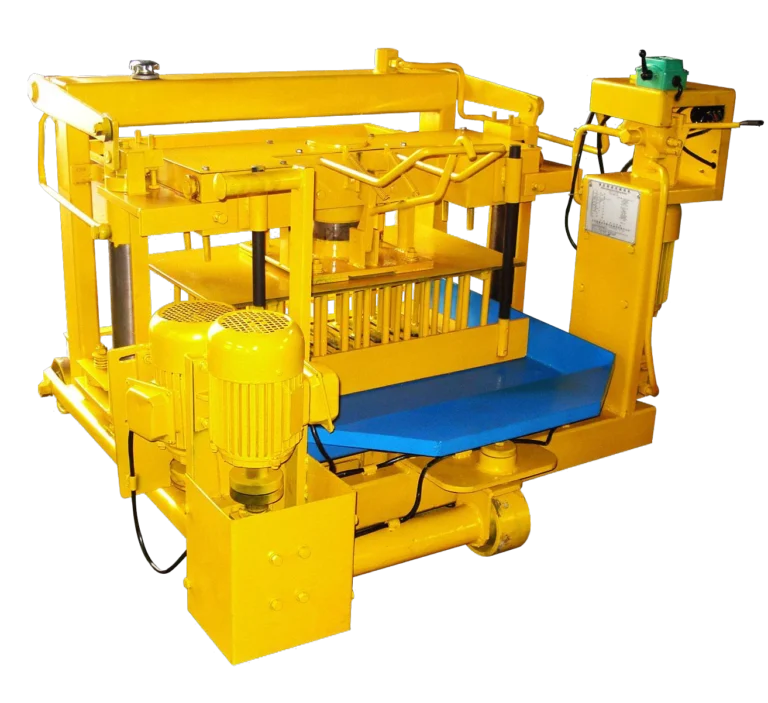
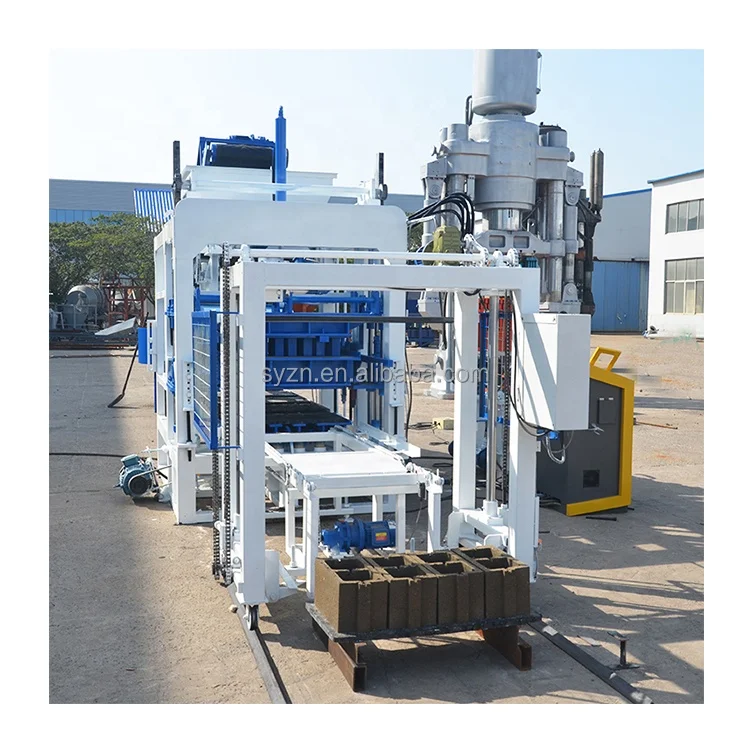
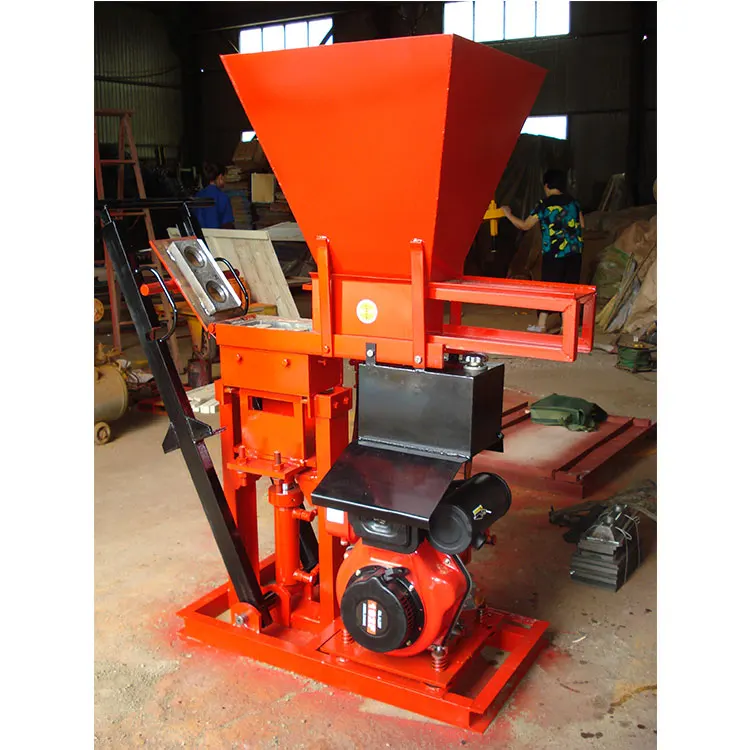
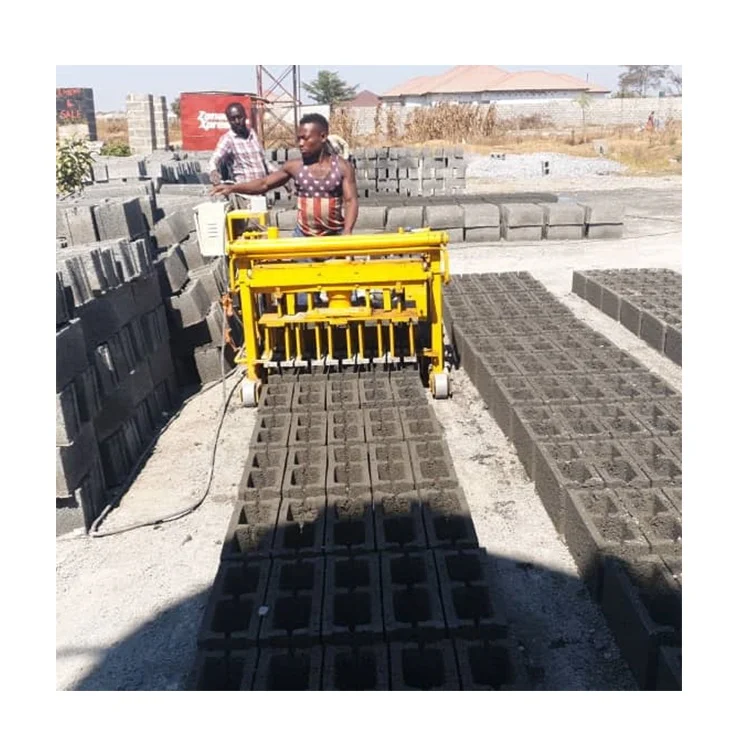
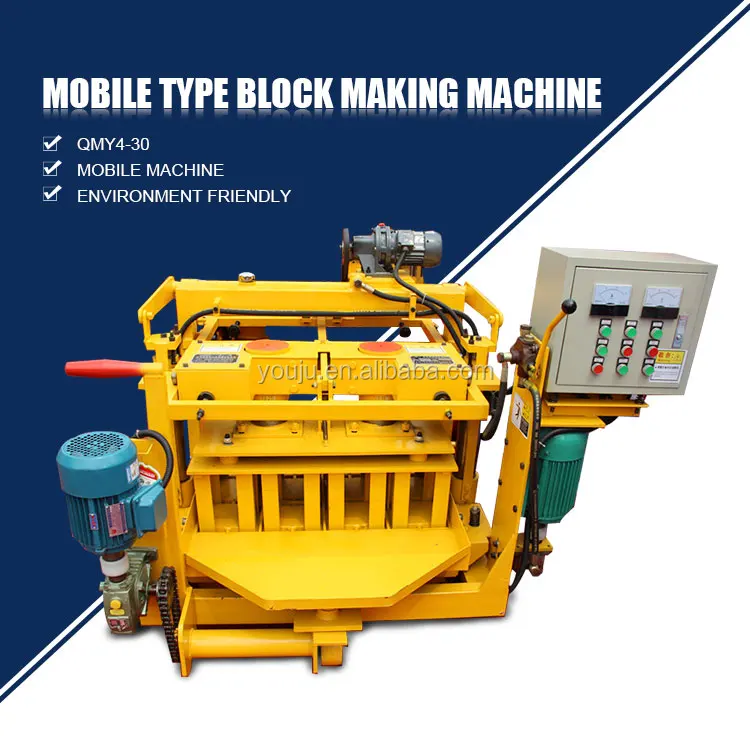
| Product Type | Mobile Hollow Block Making Machine |
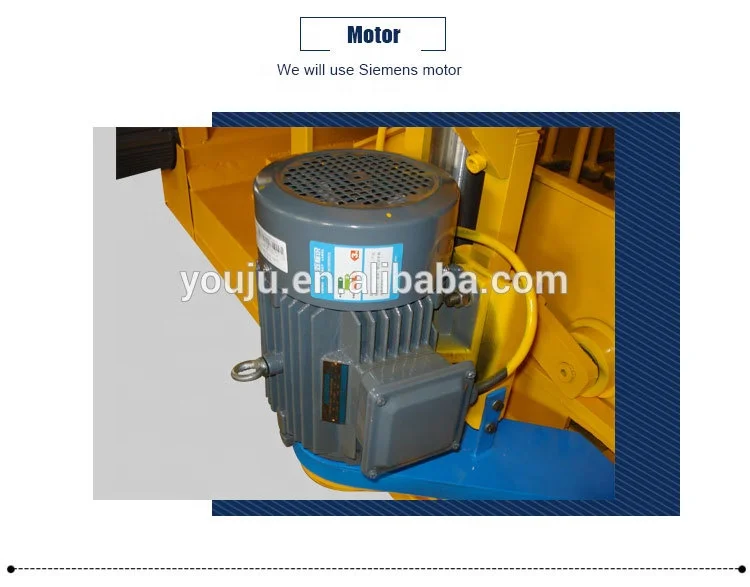
| Rated Power | 5 kW |
| Voltage & Frequency | Configurable per destination market (basis to be confirmed) |
| Control System | Manual operation |
| Overall Dimensions (L×W×H) | 1200 × 1200 × 1100 mm |
| Net Weight | 950 kg |
| Cycle Time | 30 seconds per mould |
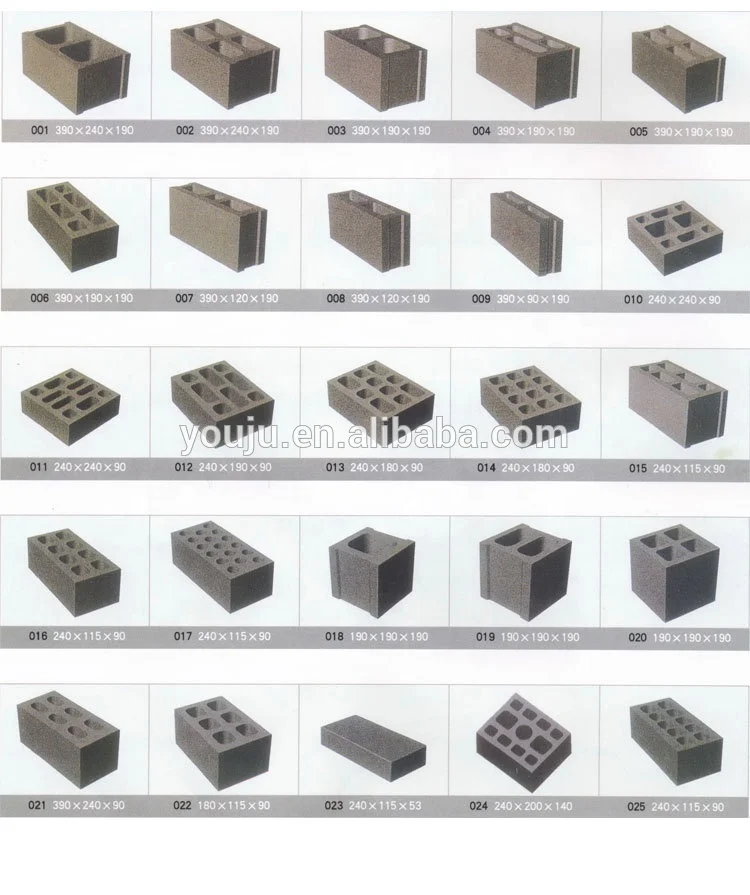
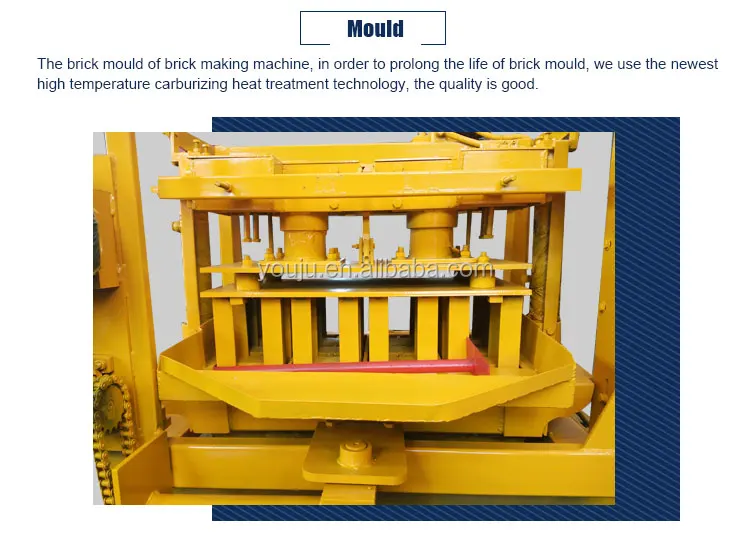
| Mould Format | Hollow block and solid brick, field-changeable |
| Raw Materials | Cement, sand, crushed stones, slag |
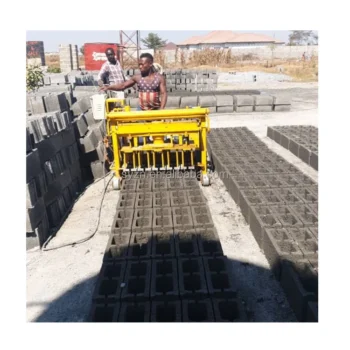
| Assembly State | Mobile, no fixed plant required |
| Output — 400×200×200 mm Hollow Block | 480 pcs/hour, 3840 pcs per 8-hour shift |
| Output — 400×150×200 mm Hollow Block | 600 pcs/hour, 4800 pcs per 8-hour shift |
| Output — 400×100×200 mm Hollow Block | 840 pcs/hour, 6720 pcs per 8-hour shift |
Application Suitability
| Application | Material or Output |
|---|---|
| On-site hollow block production for housing projects | Cement, sand, and crushed stone mix laid directly on ground |
| Remote construction camps with no batching plant access | Solid brick and hollow block in multiple wall thicknesses |
| First-stage block yard for small entrepreneurs | Low-investment entry with manual pallet handling |
| Contractor-produced kerb and paving infill | Format change via interchangeable mould box |
What "Ready to Ship" Actually Means Before You Wire the Deposit
Stock confirmation and crate dimensions are locked before the proforma invoice is issued, not after.
Many mobile block machines listed as available are still sitting in component form on the assembly floor, waiting for a production slot that slides week after week. For a contractor staring at a pour schedule, that gap between "in stock" and "loaded" can stretch a project timeline past its penalty date. I have watched a QMY4-30 mobile block machine in stock sit on a factory dock for eleven days simply because the plywood crate had not been pre-ordered. [NEED_CITE: typical delays between factory completion and container loading for small machinery exports] Dispatch planning has to happen before the buyer signs, not after.
From Payment to Port: How the Dispatch Window Stays Tight
The QMY4-30 mobile block machine in stock is dismantled into a flat-profile frame and mould assembly, then secured inside a plywood crate measuring roughly three cubic metres. Because the net weight stays under one tonne, the crate can move through standard less-than-container-load channels or share a twenty-foot box with ancillary equipment. Once payment clears, the crate is transferred to the staging yard and booked onto the next available vessel. The key variable is not production time — the unit is already built — but the gap between factory gate and quay.
Arrival Estimates You Can Put on a Gantt Chart
Transit windows depend on the destination port and the shipping line’s current rotation, yet the range is narrow enough to plan around. Buyers in West Africa typically see the vessel arrive within four to six weeks of departure, while Southeast Asian ports often come in under three weeks. The QMY4-30 mobile block machine in stock clears customs documentation at origin before the ship sails, so the bill of lading and packing list are in the buyer’s inbox well before arrival. [NEED_CITE: average ocean freight transit times from Qingdao or Lianyungang to major African and Southeast Asian ports] This removes the most common reason machines sit idle at destination — paperwork lag.
Reading the Spec Sheet Against Your Site Conditions
The 5 kW rated power keeps the QMY4-30 within the capacity of a small diesel generator, which matters when grid power at a remote housing site is unreliable. The 1200 × 1200 × 1100 mm envelope means the machine can be manoeuvred through a standard doorway and repositioned across a slab as the build progresses. The 30-second cycle time is measured across the full press-and-release stroke for a 400×200×200 mm hollow block; switching to a narrower 400×100×200 mm format shortens the fill phase and lifts the hourly count, but the mould change itself must be factored into the daily plan. Vibration force on a manual mobile unit of this weight class is lower than on a stationary hydraulic press, so the mix design must compensate with a slightly richer cement content to hold block integrity during ground curing. [NEED_CITE: relationship between vibration force, cement ratio, and green strength in mobile block production]
The Cost of Skipping the Pre-Shipment Checklist
Rushing a mobile block machine onto a vessel without confirming voltage and frequency against the site supply usually surfaces on day one, when the motor hums, overheats, and trips the breaker. I once dispatched a unit to a site running 415 V / 50 Hz while the motor had been wound for 380 V / 60 Hz; the field crew spent two weeks sourcing a replacement motor locally. The same risk applies to the mould format — shipping a 400×200×200 mm mould to a market that sells mostly 400×150×200 mm blocks means the buyer runs at reduced margin from day one. Every extra week spent correcting a configuration error is a week the machine earns nothing. [NEED_CITE: frequency of voltage mismatch issues in exported machinery]
Why This Dispatch Channel Exists
Block machinery is the only product line here, so the warehouse stocks moulds, pallets, and wear parts alongside the presses rather than sourcing them separately. Every QMY4-30 is factory-tested on a standard sand-cement mix before crating; the test record ships with the machine so the buyer can compare field output against the baseline. Configuration is confirmed against the buyer’s actual aggregate and target format, not a default catalogue entry. Voltage, control language, and plug type are verified in writing before the motor is wired. Crate design and dismantling method are chosen to match the unloading equipment available at the destination port, so the machine is not stranded on the dock.
Documentation & Verification
- Factory test record run on standard hollow block format before crating
- Packing photographs showing crate bracing and component layout inside
- Voltage and frequency confirmation sheet signed off before motor wiring
- Mould drawing listing cavity dimensions and changeover steps
- Operation and maintenance manual with illustrated wear-parts list
Installation, Commissioning & Support
- Place the 950 kg unit on level compacted ground; no concrete foundation required
- Connect to a dedicated 5 kW circuit with appropriate breaker rating for the confirmed voltage
- Reassemble mould box and feed hopper using the included bolt kit and illustrated guide
- Run first cycle on-site with local aggregate to verify block release and density
- Receive operator walk-through covering mould change, daily greasing points, and belt tension checks
- Spare wear parts list provided for reorder planning before first production run
Before You Request a Quote, Prepare These Details
Confirm the exact block format your site sells — dimensions and wall thickness — so the correct mould ships inside the crate. Share a short video of your local sand or crushed stone and the cement brand you use, so the mix can be evaluated before the machine leaves the yard. State the voltage and frequency at your site panel, and let us know whether unloading will be done with a forklift, a crane, or manual labour so the crate can be built accordingly.
Frequently Asked Questions
Q: Is the QMY4-30 mobile block machine in stock or built to order?
A: Units are held in the warehouse in ready-to-assemble condition. Before you place an order, we confirm the exact serial number and send crate photographs so you know the machine is physically available, not scheduled for a future production run.
Q: How quickly can the machine reach the port after payment?
A: Once payment clears and voltage confirmation is signed, the crate moves to the booking queue. Loading typically happens within the same week, provided the next vessel cut-off has not already passed.
Q: Will the crate fit into a shared container or LCL shipment?
A: The crate volume is approximately three cubic metres and the gross weight stays under one tonne, so it fits standard LCL channels. Buyers ordering a full twenty-foot container can add spare moulds and pallets alongside.
Q: Does the stock dispatch include the standard hollow block mould?
A: Yes. The 400×200×200 mm hollow block mould is fitted as default. If your market requires a different format, we swap it before crating once you confirm the target dimensions.
Q: What arrival window should I plan for at my destination port?
A: Transit times vary by shipping line and port rotation. We provide an estimated arrival range based on current sailing schedules at the time of booking, so you can align your site preparation accordingly.