Description
Fast Dispatch From Stock — machines leave the warehouse within days rather than weeks, letting contractors start producing blocks before the project schedule slips.
Technical Specifications
| Parameter | Value |
|---|---|
| Model | QMY6-25 |
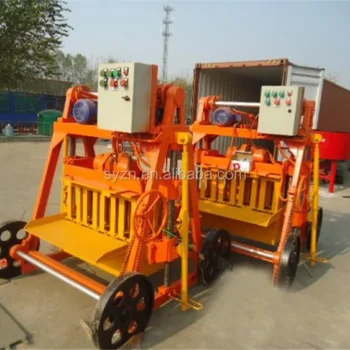
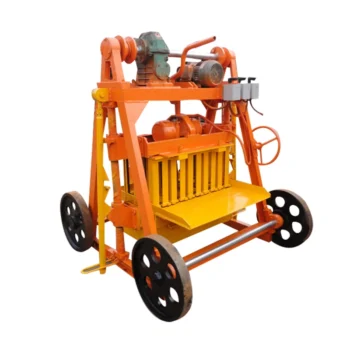
| Product Type | Mobile Block Making Machine |
| Main Vibration Form | Three-dimensional excitation |
| Overall Power | 9.6 kW |
| Moving Method | Automatically move with hydraulic steering |
| Overall Dimensions (L × W × H) | 2000 × 2100 × 1650 mm |
| Moulding Cycle | 25–30 s |
| Vibration Frequency | 3200 Hz |
| Pallet Requirement | No pallet required |
| Output — Hollow Block 400 × 200 × 200 mm | 1080 pcs/h, 8600 pcs/shift (8 h) |
| Output — Hollow Block 400 × 150 × 200 mm | 1260 pcs/h, 10000 pcs/shift (8 h) |
| Output — Solid Block 400 × 120 × 200 mm | 1620 pcs/h, 12960 pcs/shift (8 h) |
| Output — Solid Block 400 × 100 × 200 mm | 1800 pcs/h, 14400 pcs/shift (8 h) |
| Operator Requirement | One person operation |
| Automation Level | Mobile / egg-laying, semi-automatic |
| Hydraulic Pressure | basis not stated in source — confirm with manufacturer |
| Voltage & Frequency | basis not stated in source — confirm with manufacturer |
| Warranty | 1 year for the whole machine (excluding spare parts) |
Application Suitability
| Application | Material or Output |
|---|---|
| On-site hollow block production | Concrete mixes and soil cement laid directly on the ground |
| Job-site solid block manufacturing | Crushed stone, sand and cement blends |
| First-plant block entrepreneurship | Low-investment start-up with no fixed curing racks |
| Housing project local production | Soil cement and standard concrete to avoid haulage delays |
| Remote infrastructure camps | Self-contained egg-laying operation without pallet logistics |
What "In Stock" Really Means for Your Build Schedule
Waiting for a block machine to be manufactured after the contractor has already broken ground is where most project timelines collapse. The QMY6-25 mobile block machine in stock ships on a short lead, arriving while the site is still being cleared. A mobile block machine in stock eliminates the factory queue entirely. I have watched West African contractors idle entire crews for weeks because a machine was still sitting on a production bench back in China [NEED_CITE: typical container transit times from Qingdao to West African ports]. When the equipment is already built and packed, the only remaining variable is ocean freight.
Dispatch Timing That Matches Your Site Mobilization
The value of holding inventory is not the machine itself but the calendar days it returns to the buyer. A mobile block machine in stock leaves the yard once voltage and control language are confirmed, bypassing the build slot wait. For contractors working against a rainy season window or a handover penalty clause, those saved weeks translate directly into block inventory on the ground. The QMY6-25 is pulled from existing inventory, inspected, and staged for the next available sailing.
Packing Integrity Before the Container Doors Close
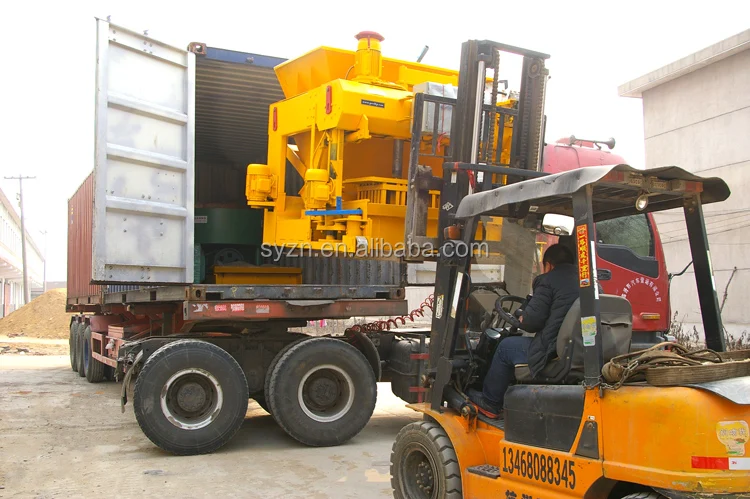
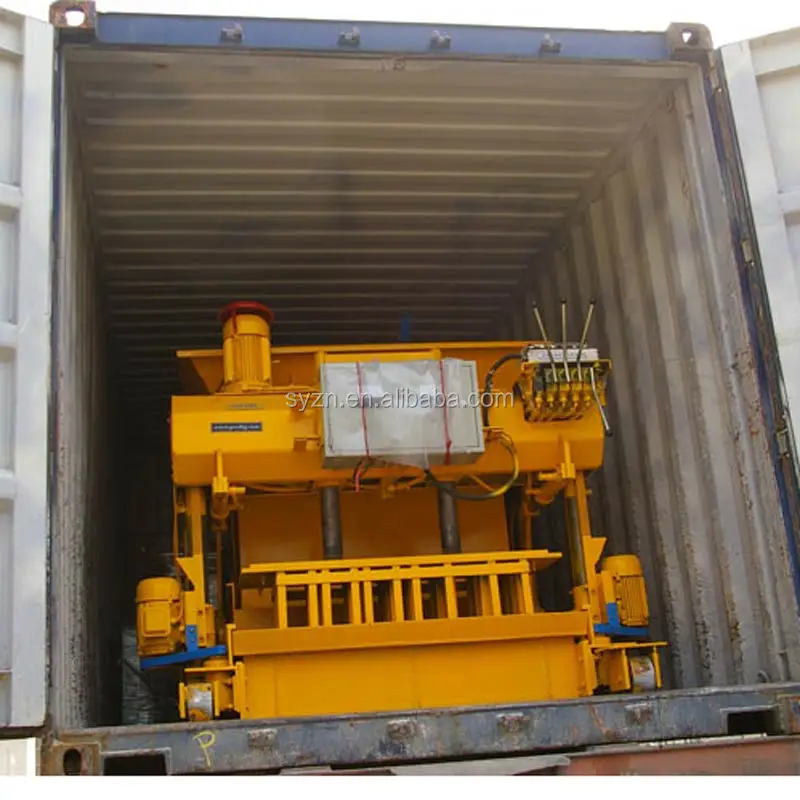
Every machine destined for rough roads and long sea transits is dismantled to fit standard container dimensions, then secured with timber bracing and steel strapping. I once traced a hydraulic leak in Ghana to a spare seal kit that was listed on the packing manifest but never placed inside the crate [NEED_CITE: common causes of hydraulic failure during commissioning in tropical climates]. Now I cross-check every seal, hose clamp, and mould bolt against the physical load before the container is sealed. The QMY6-25 ships with a verified spare parts kit matched to the first six months of operation.
Reading the Numbers Behind the Output Claim
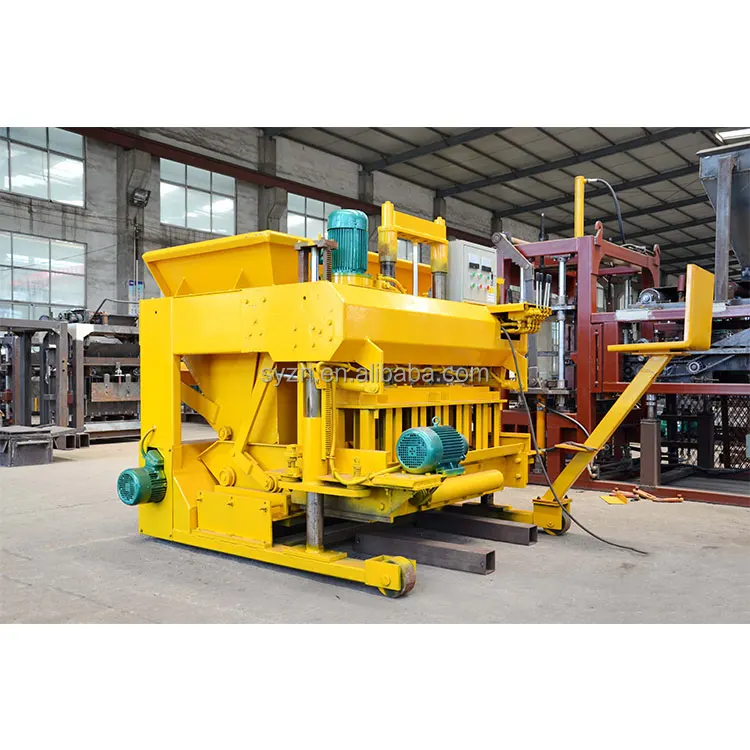
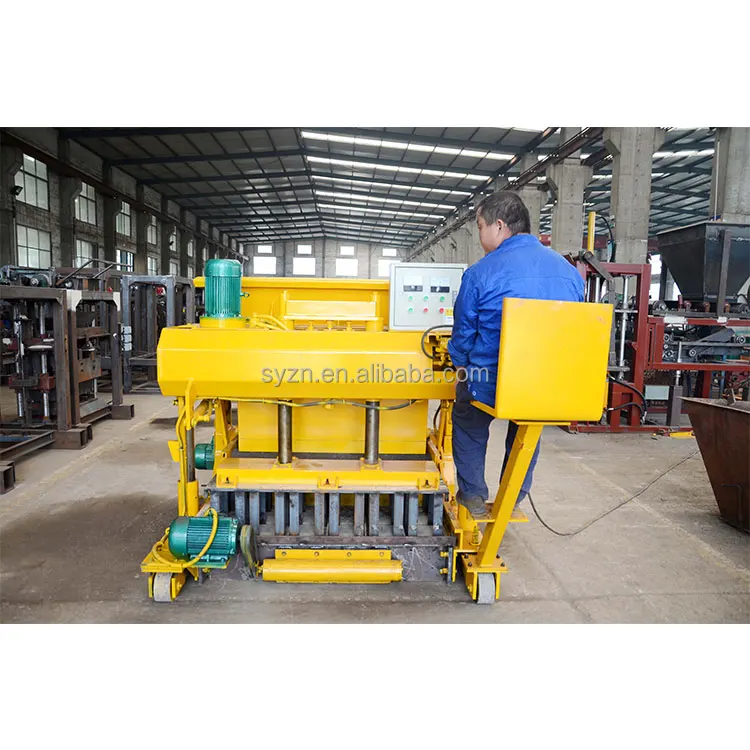
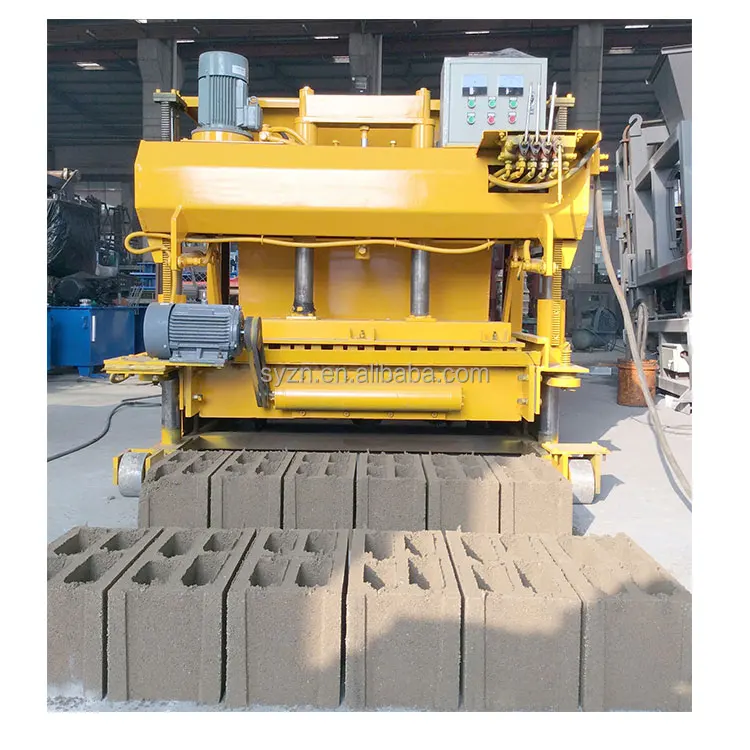
Three-dimensional excitation at 3200 Hz is what gives the QMY6-25 its block density across both hollow and solid formats. The vibration acts on the mould in vertical and lateral planes simultaneously, compacting concrete around the core pins without leaving voids. A 25–30 second moulding cycle keeps the rhythm predictable, so the operator can gauge output by counting cycles rather than watching a clock. The 9.6 kW total power draw keeps the machine within the capacity of a standard site generator, removing the need for a dedicated transformer. Hydraulic steering lets the machine walk forward on its own, so one operator can keep laying blocks in a straight line without manual repositioning.
The Ground Surface Question Nobody Asks Early Enough
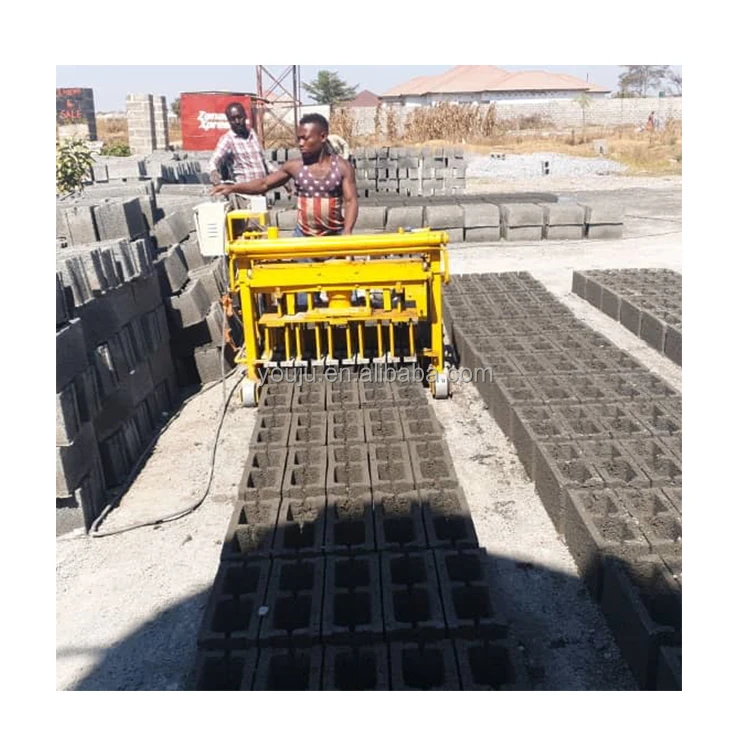
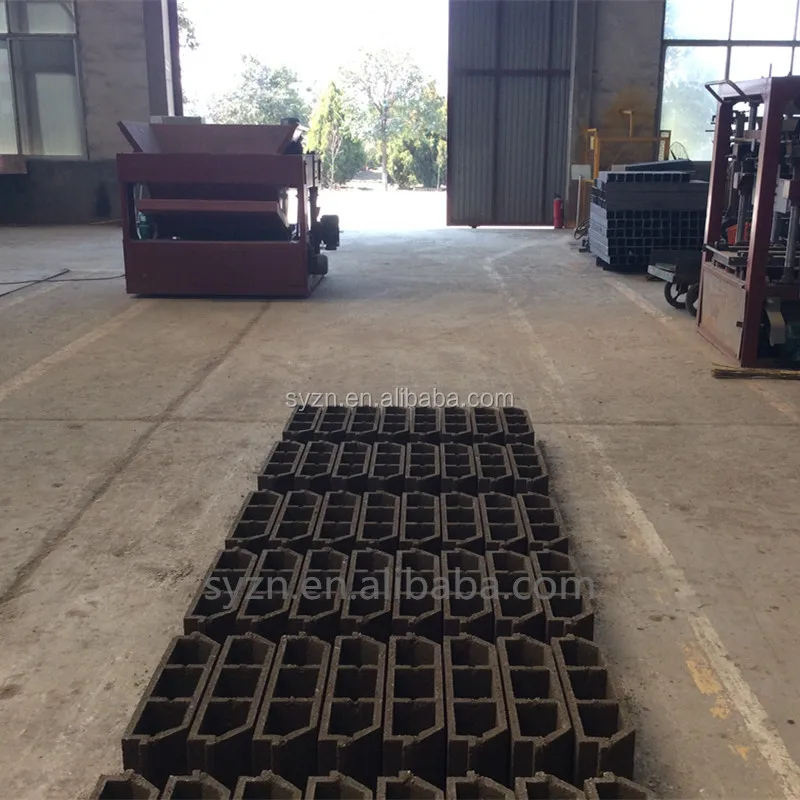
An egg-laying machine drops wet blocks directly onto the earth, so the curing area becomes part of the production system. A floor that is uneven, sandy, or waterlogged will produce blocks with chipped bases and inconsistent heights. The QMY6-25 requires a compacted, level surface — preferably a concrete slab or well-graded gravel — extending far enough to hold a full shift of output [NEED_CITE: recommended curing surface preparation for mobile block machines]. Skipping this step means the machine is ready but the ground is not, and the first day of production becomes a day of floor repair.
What Happens When Spare Parts Are Missing on Day One
A contractor in Lagos took delivery of a mobile block machine from another supplier and ran it for four days before the main hydraulic seal failed. The spares kit contained no replacement, and the next shipment from China took eighteen days to arrive. The crew stood idle, the concrete mixer kept turning, and the project fell behind schedule [NEED_CITE: cost impact of unplanned downtime on remote construction sites]. The lesson I took from that job is simple: a fast dispatch means nothing if the machine cannot run past the first week. Every QMY6-25 order I handle leaves with hydraulic seals, vibration springs, and mould wear strips sufficient for the initial break-in period.
Why Buyers Keep Coming Back for the Next Machine
Block machinery is our single focus, which means the QMY6-25 arrives as a matched system of machine, mould, and spares rather than an assembly of components from separate vendors. Moulds are selected to the block formats the buyer’s local market actually purchases, not a catalogue default. Configuration is checked against the buyer’s aggregate and mix design before the machine leaves the factory, preventing the costly material substitutions that happen when a machine is set up for a mix unavailable locally. Voltage and control language are confirmed in writing before packing, so commissioning on arrival is a matter of connection, not reconfiguration [NEED_CITE: voltage and frequency standards by export market].
Documentation & Verification
- Line layout showing curing area footprint matched to QMY6-25 daily output per block format
- Factory test record on the buyer’s specified hollow and solid block dimensions before dispatch
- Packing photographs and container loading plan verified against the spare parts manifest
- Voltage and frequency confirmation sheet signed off before the machine leaves the warehouse
- Mould drawing package listing every format included in the shipment
Installation, Commissioning & Support
- The 2000 × 2100 mm footprint requires a level, compacted slab or gravel curing area extending at least one shift-length of output
- 9.6 kW total draw fits a standard 32 A site generator circuit — confirm local voltage and frequency before dispatch
- Hydraulic steering and automatic movement are tested and adjusted during on-site commissioning
- Mould change procedure and cycle timing are walked through with the operator on the first production day
- Spare seal and wear part kit covers the initial break-in months, with reorder drawings supplied
Getting Your Quote Right the First Time
Send the block formats your local market buys, the daily output you need to hit, and the aggregate you can source within hauling distance of the site. Include your site voltage, frequency, and the control panel language your operator reads. Let us know the condition of the ground where you plan to lay blocks — compacted earth, gravel, or an existing concrete slab — so we can advise on surface preparation before the QMY6-25 arrives.
Frequently Asked Questions
Q: What block formats does the QMY6-25 produce, and what is the realistic daily output per format?
A: The QMY6-25 handles hollow blocks at 400 × 200 × 200 mm and 400 × 150 × 200 mm, plus solid blocks at 400 × 120 × 200 mm and 400 × 100 × 200 mm. Output per eight-hour shift ranges from 8600 pieces on the largest hollow format to 14400 pieces on the smallest solid format. Moulds for other formats can be added if the local market demands them.
Q: How fast can the QMY6-25 be dispatched from stock, and what is the estimated arrival time?
A: Machines held in stock are inspected, voltage-confirmed, and container-loaded within a short lead time rather than a production build cycle. Arrival depends on the destination port and sailing schedule, which we quote at the inquiry stage. This removes the factory queue and lets ocean transit become the only remaining variable.
Q: What ground surface and curing area conditions are needed since this machine does not use pallets?
A: The QMY6-25 lays blocks directly on the ground, so the surface must be compacted, level, and free of standing water. A poured concrete slab or well-graded gravel pad is ideal. The curing area should be large enough to hold one full shift of output without the operator having to move blocks the same day.
Q: What voltage and frequency options are available, and how is this confirmed before shipping?
A: Voltage and frequency are configured to match the buyer’s site supply, and confirmation is signed off before the machine is packed. This prevents the commissioning delay that happens when a 50 Hz machine arrives at a 60 Hz site. The control panel language is agreed at the same stage.
Q: What spare parts and moulds are included in the shipment, and how quickly can replacements be supplied?
A: Every QMY6-25 ships with hydraulic seals, vibration springs, and mould wear strips for the initial operating period. Moulds for the agreed block formats are loaded alongside the machine. Replacement parts and additional moulds are dispatched on a short lead time once the reorder drawing is confirmed.