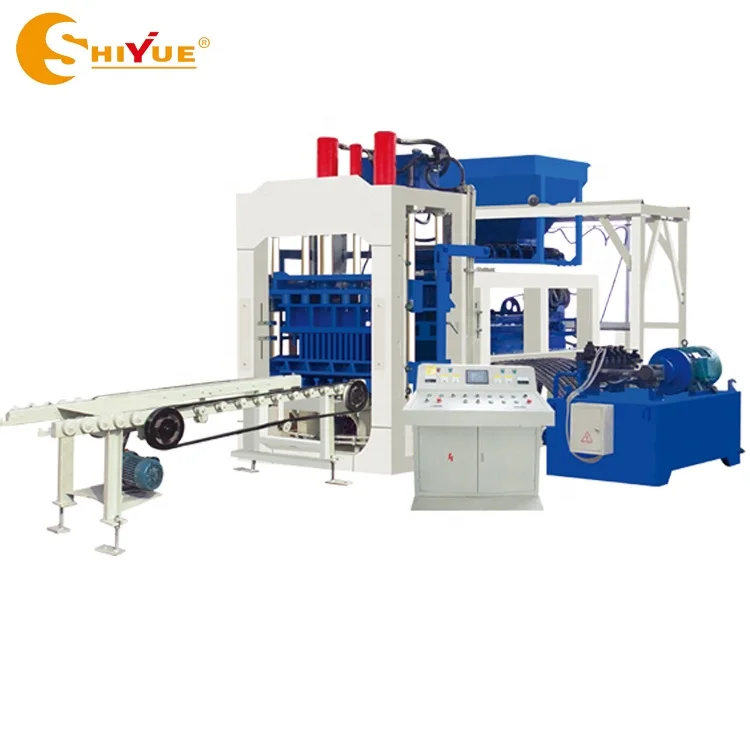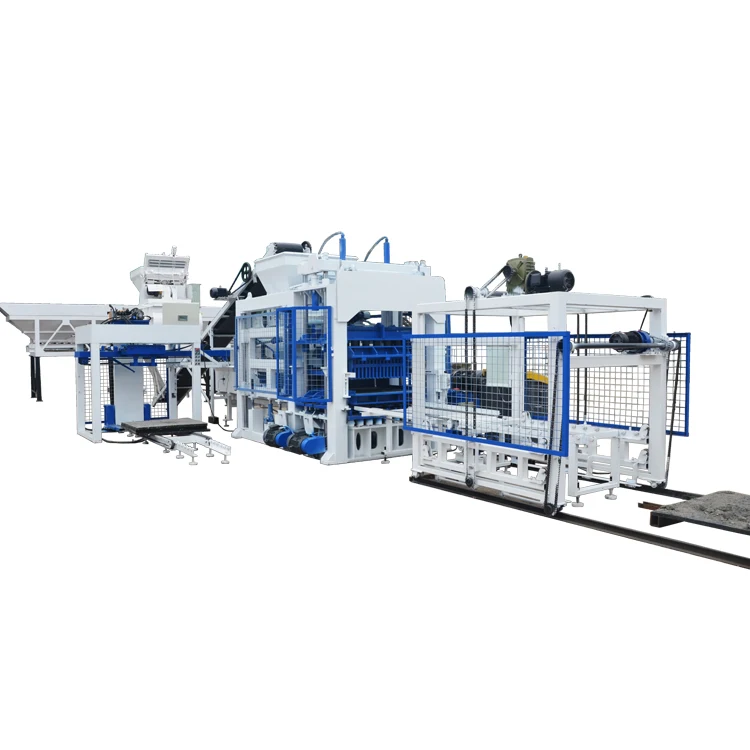
Description
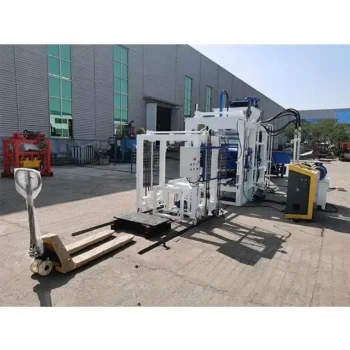
Stocked and Ready — The QT10-15 ships from our Linyi warehouse within days, not weeks, because we keep standard configurations built and tested so project deadlines stay intact.
Technical Specifications
| Parameter | Value |
|---|---|
| Model | QT10-15 |
| Product Type | Automatic Block Making Machine |
| Vibration Acceleration | 20g |
| Vibration Technology | Four-axis vibration with independent property rights |
| Table System | Dynamic and static table with frequency conversion technology |
| Feeding System | 360° rotating press-in arch breaker for material distribution |
| Mould Compatibility | Multiple mould configurations for various block formats (hollow, solid, interlocking, pavement, slope protection bricks) |
| Automation Level | Automatic |
| Noise Reduction | Flexible vibration reduction on pressure head; adjustable pressure air bag on mould box |
| Maintenance Feature | Replaceable wear-resistant plate on cloth platform |
| Output Capacity | Basis not stated in source — confirm block format, material, and thickness before quoting daily output |
| Cycle Time | Basis not stated in source — confirm block format, material, and thickness |
| Pallet Size | Basis not stated in source — confirm before ordering |
| Hydraulic Pressure | Basis not stated in source — confirm before ordering |
| Vibration Force | Basis not stated in source — confirm before ordering |
| Rated Power | Basis not stated in source — confirm before ordering |
| Voltage & Frequency | Configurable to buyer’s local grid standard — must be confirmed before shipment |
| Control System | PLC-based, brand and display language to be confirmed per order |
| Overall Dimensions | Basis not stated in source |
| Net Weight | Basis not stated in source |
Application Suitability
| Application | Material or Output |
|---|---|
| High-volume concrete block production plants | Hollow block, solid block, interlocking brick |
| Paving and landscaping product manufacturing | Paving brick, kerbstone, slope protection brick |
| Construction contractors producing blocks on-site | Crushed stone, sand, cement, fly ash mixes |
| Building material manufacturers expanding product format range | Multiple block formats via mould change |
What Stock Actually Means When Your Deadline Is Real
A stocked QT10-15 automatic block making machine leaves the factory in days, not months, because it is already assembled and run-tested before your order is placed.
I have watched project timelines collapse because a supplier promised an eight-week build that stretched to fourteen, leaving a contractor paying idle crews on a site with no blocks to lay. When a housing project has a handover date written into a contract, machine lead time is not a procurement detail — it is the schedule itself. The QT10-15 automatic block making machine in stock here means the press, hydraulic station, and control cabinet have already passed a factory run cycle, so the clock starts on shipping, not on building. [NEED_CITE: typical production lead times for automatic block machines in China]
What "In Stock" Actually Covers
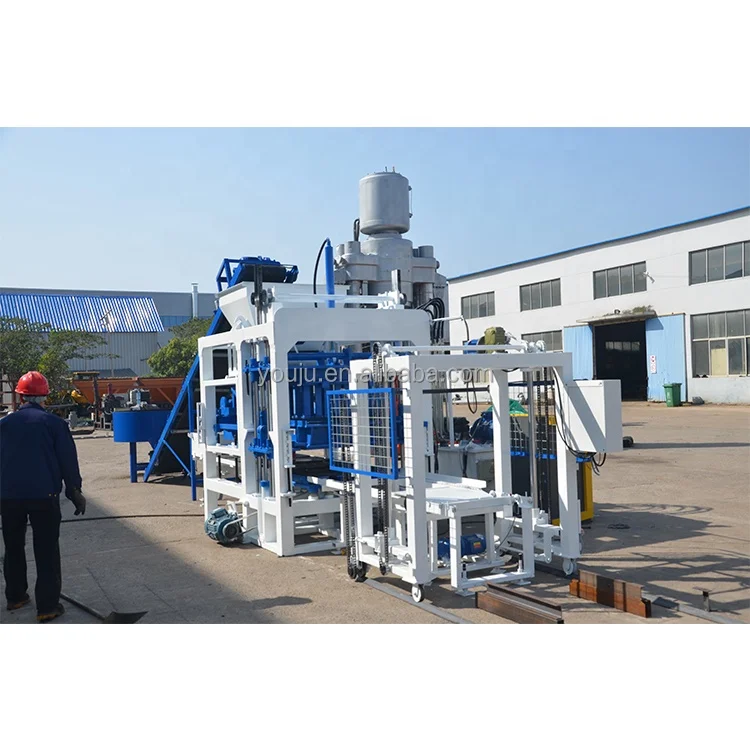
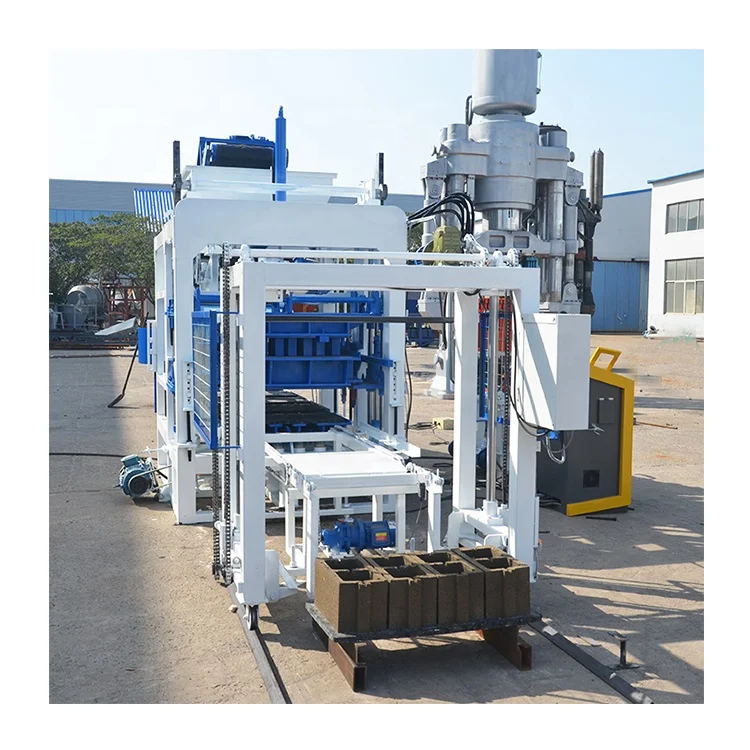
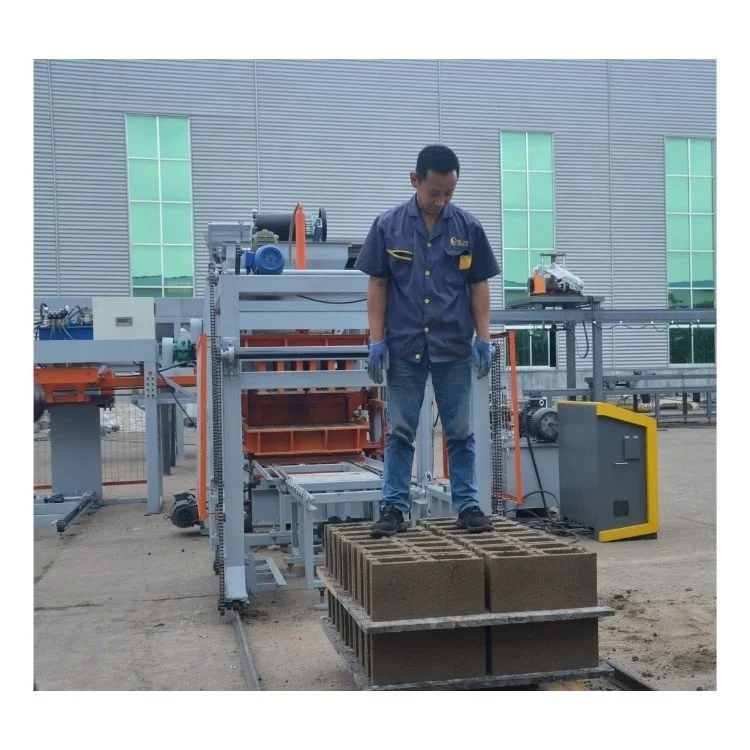
A stocked QT10-15 automatic block making machine includes the main press frame, hydraulic power unit, vibration table, and PLC control cabinet — all assembled and tested as a single system. Standard mould configurations for hollow block and solid block formats are typically available alongside the press, though interlocking and paving moulds depend on current inventory rotation. Buyers who need a specific format should confirm mould availability at inquiry stage, because a press without the right mould is a machine that cannot produce on day one.
Dispatch Timeline and Port Logistics
Once an order is confirmed and the voltage and frequency are locked in, the machine moves from the warehouse floor to the container loading bay. The QT10-15 is dismantled into its major sub-assemblies — press frame, hydraulic station, feeder, and control cabinet — and each component is secured for ocean freight with packing photographs taken at every stage. From our Linyi facility, the typical inland transit to Qingdao port takes days, and the estimated sailing schedule is quoted at the time of order so the buyer can plan site preparation against a known arrival window. [NEED_CITE: standard container loading procedures for heavy block making machinery]
Reading the Specs That Actually Matter on Site
The four-axis vibration system generating 20g acceleration is what drives material into the mould cavity with enough force to produce consistent block density across formats. On a machine this size, vibration uniformity directly determines whether the outer blocks on the pallet match the centre blocks in compressive strength. The dynamic and static table with frequency conversion allows the operator to adjust vibration frequency depending on the aggregate grading and moisture content of the local mix, which varies significantly between regions using river sand and those relying on crushed stone dust.
The 360° rotating press-in arch breaker in the feeding system prevents material bridging inside the hopper, which is a common cause of short fills on larger moulds. When the feeder cannot push material evenly across the full cavity, the resulting blocks have weak corners that fail during pallet handling or curing rack transfer. The replaceable wear-resistant plate on the cloth platform means that when abrasion from aggregate does wear through the surface, the repair is a plate swap rather than a full platform replacement — a difference that matters when spare parts lead time is measured in weeks.
The Cost of Skipping the Voltage Conversation
Every shipment that leaves Linyi carries a voltage and frequency confirmation signed off before the container is sealed. I have seen a fully automatic line arrive at an African port with a motor starter cabinet rated for 380V/50Hz, only to find the site was running 415V/60Hz — the starter burned out on first energisation and the site waited over twenty days for a replacement transformer. That machine was not faulty; it was specified against an assumption. With the QT10-15, the PLC display language, motor ratings, and control wiring are all verified against the buyer’s confirmed electrical standard before the machine leaves the test bay. [NEED_CITE: voltage and frequency standards by export market]
Why Buyers Source This Machine From This Stock Point
Block machinery is the only product line here, which means the press, mould, pallet, and handling equipment are specified as one matched system rather than assembled from unrelated suppliers. Every stocked QT10-15 configuration is set against a known mix design and target block format, not pulled from a generic catalogue default. Mould design and supply covers the formats the buyer’s market actually sells, and custom mould drawings are accommodated when standard formats do not match local building codes. Automation level is selectable, so a buyer can start with the stocked semi-automatic handling arrangement and upgrade the stacking and cubing section later without replacing the press. Installation support includes operator training on site, and wear parts and mould inventory are maintained to cover the first replacement cycle.
Documentation & Verification
- Factory test record showing the QT10-15 run cycle on the block format specified in your order
- Packing photographs documenting each sub-assembly before container doors close
- Voltage and control language confirmation sheet signed before dispatch
- Hydraulic and electrical schematic matched to your machine’s serial number
- CE declaration covering the press and associated safety systems where applicable
- Customs documentation package formatted for your destination port requirements
Installation, Commissioning & Support
- Foundation plan showing load points for the QT10-15 press frame and vibration table anchoring
- Dedicated power circuit specification matching the confirmed voltage and frequency for your site
- Sub-assembly reconnection sequence with hydraulic line and control cable mapping included
- First-run parameter setting covering vibration frequency, pressure head adjustment, and cycle timing
- Operator training on mould change procedure, feeder adjustment, and daily lubrication points
- Wear parts list with part numbers for the cloth platform plate and hydraulic seals
Before You Send the Inquiry
To move quickly from inquiry to dispatch confirmation, share the block format you need to produce, the daily volume your project requires, and your site’s voltage and frequency standard. If you have an existing pallet size or curing rack system on site, include those dimensions so the pallet specification can be matched before the machine ships. Any local aggregate constraints — such as a maximum stone size or a specific sand source — help us confirm the feeder and vibration settings are right for your mix before the container is loaded.
Frequently Asked Questions
Q: Which QT10-15 configurations and moulds are currently in stock?
A: Standard configurations with hollow block and solid block moulds are typically available from the Linyi warehouse. Paving and interlocking mould availability depends on current inventory rotation, so buyers targeting those formats should confirm at inquiry stage to avoid dispatch delays.
Q: What is the dispatch lead time from order to port of loading?
A: Once voltage, frequency, and PLC language are confirmed, the machine moves to container loading within a matter of days. Inland transit from Linyi to Qingdao port follows, and a sailing estimate is provided at order confirmation so site preparation can be scheduled against a known arrival window.
Q: How is the QT10-15 dismantled and loaded into containers for shipment?
A: The press frame, hydraulic station, feeder, and control cabinet are separated into major sub-assemblies and secured for ocean freight. Packing photographs are taken at every stage of loading, and dismantling is documented so reconnection on site follows a clear sequence.
Q: What arrival estimate can I expect once the machine ships?
A: Arrival timing depends on the destination port and current shipping schedules. The estimated sailing date and transit duration are quoted at order confirmation, giving buyers a working arrival window to plan foundation work, electrical connections, and operator availability.
Q: What documentation is included for customs clearance at destination?
A: Each shipment includes a packing list, commercial invoice, bill of lading, and any applicable CE declaration. The documentation package is prepared to match the customs requirements of the destination country and is shared with the buyer before the vessel departs.