
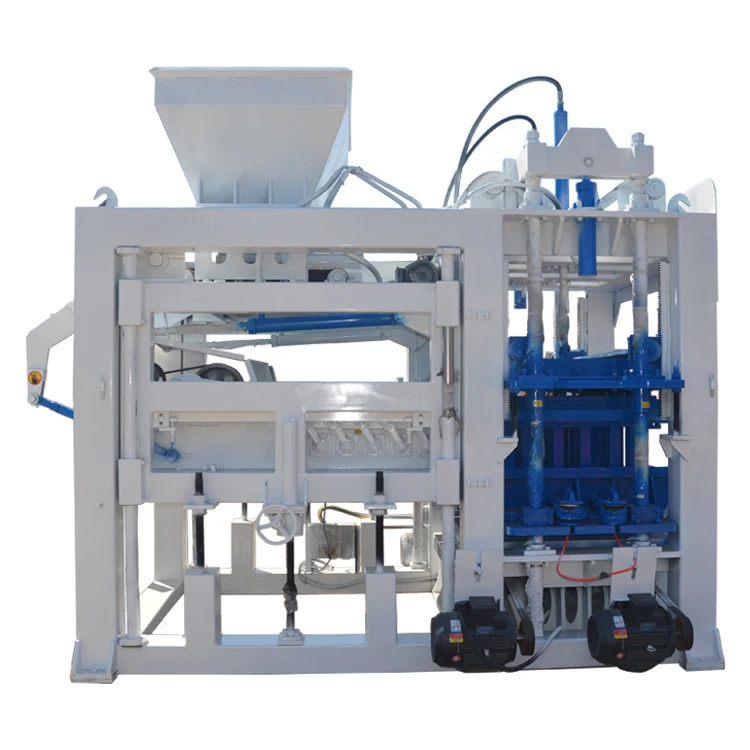
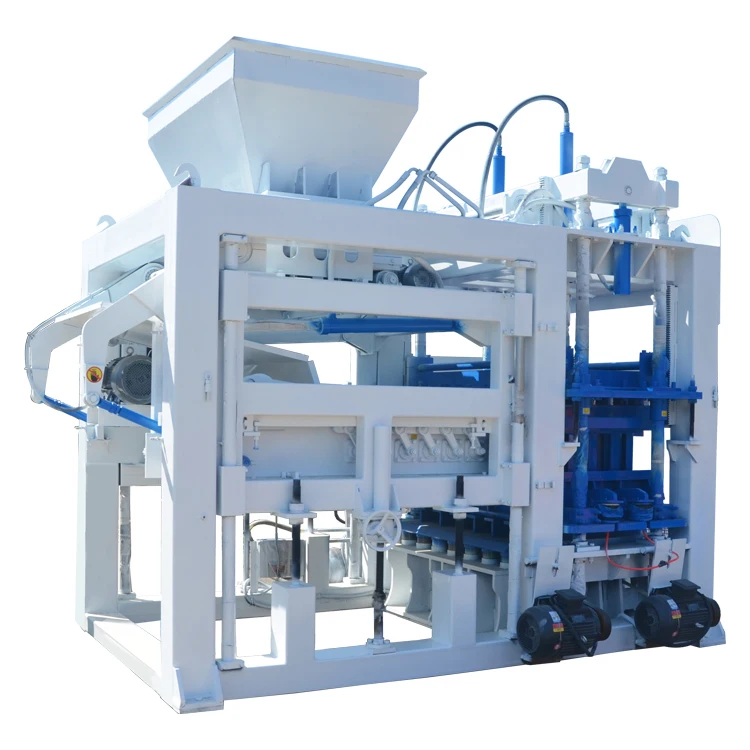
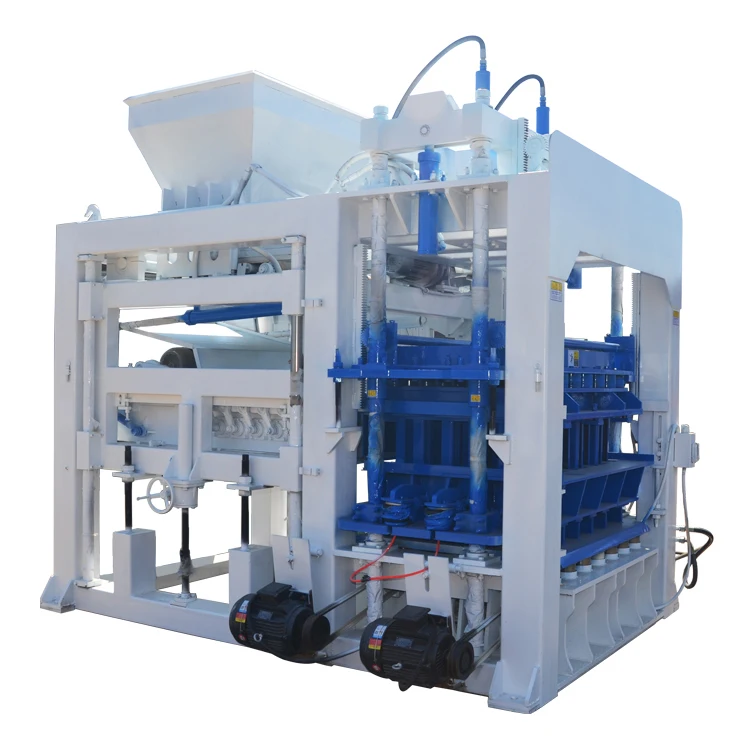
Description
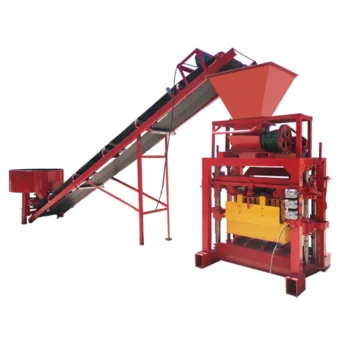
Matched system delivery — every pallet, hydraulic unit, and PLC cabinet on the QT10-15 line ships tested together, not sourced from separate vendors and assembled at your yard.
Technical Specifications
| Parameter | Value |
|---|---|
| Model | QT10-15 |
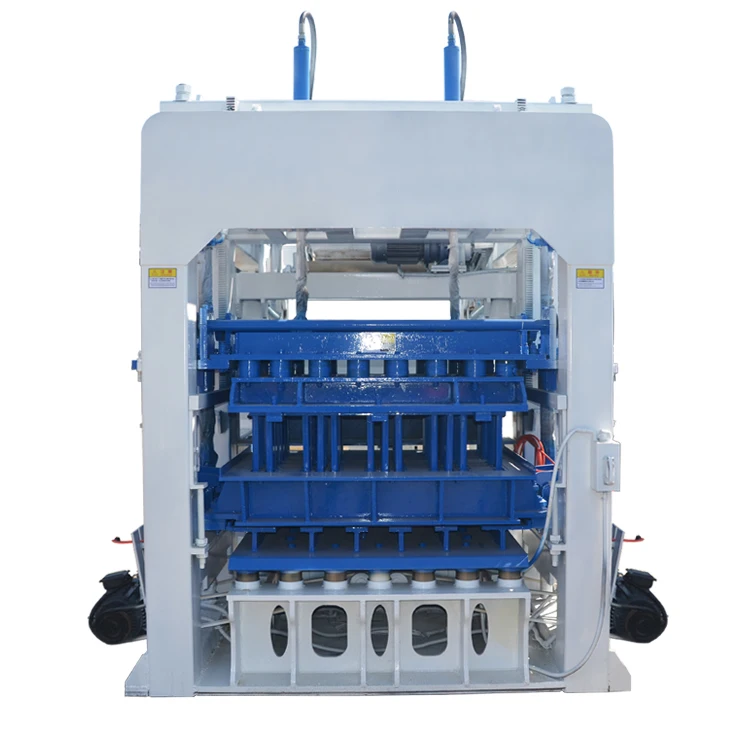
| Product Type | Hydraulic Concrete Block Making Machine |
| Vibration Mode | Vertical station mode resonance |
| Control System | PLC control cabinet |
| Hydraulic System | Independent integrated hydraulic station |
| Mould Change | Simple mold replacement for multi-format production |
| Cycle Time (Hollow Block) | 15–20s |
| Cycle Time (Paving Block) | 20–25s |
| Output Capacity (Hollow Block 400×200×200mm) | 1,800–2,400 pcs/hour (basis: 15–20s molding cycle, 10 pcs/mould) |
| Output Capacity (Hollow Block 400×150×200mm) | 2,160–2,880 pcs/hour (basis: 15–20s molding cycle, 12 pcs/mould) |
| Output Capacity (Solid Brick 240×115×53mm) | 8,928–11,160 pcs/hour (basis: 15–20s molding cycle, 62 pcs/mould) |
| Output Capacity (Paver 200×100×60mm) | 5,184–6,480 pcs/hour (basis: 20–25s molding cycle, 27 pcs/mould) |
| Output Capacity (Interlocking Paver 225×112.5×60mm) | 4,032–5,040 pcs/hour (basis: 20–25s molding cycle, 24 pcs/mould) |
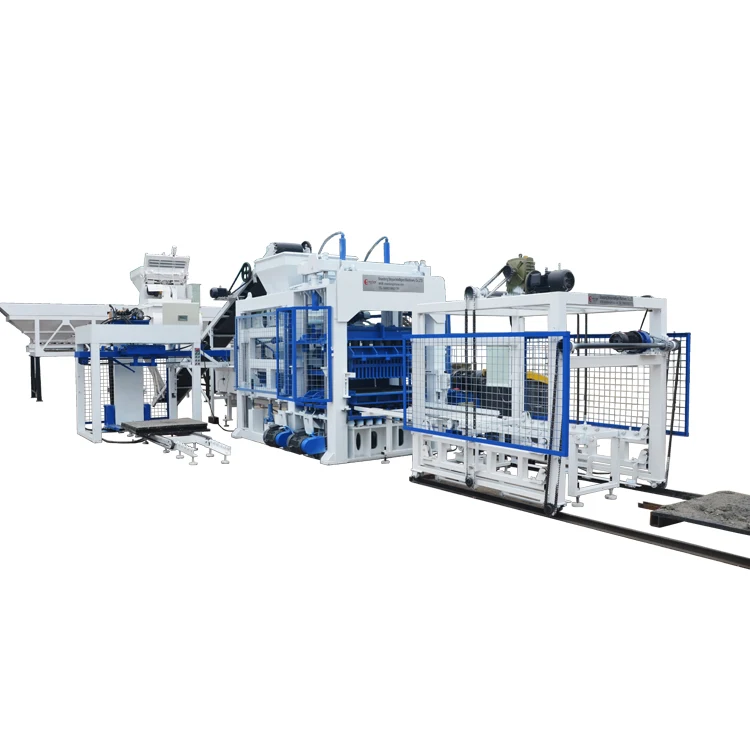
| Component List | Pallet feed machine, block making machine, storage hopper, conveyor, hydraulic unit, PLC control cabinet |
| Warranty | 1 year (excluding spare parts) |
| Payment Terms | 30% T/T deposit, 70% balance before delivery |
Application Suitability
| Application | Material or Output |
|---|---|
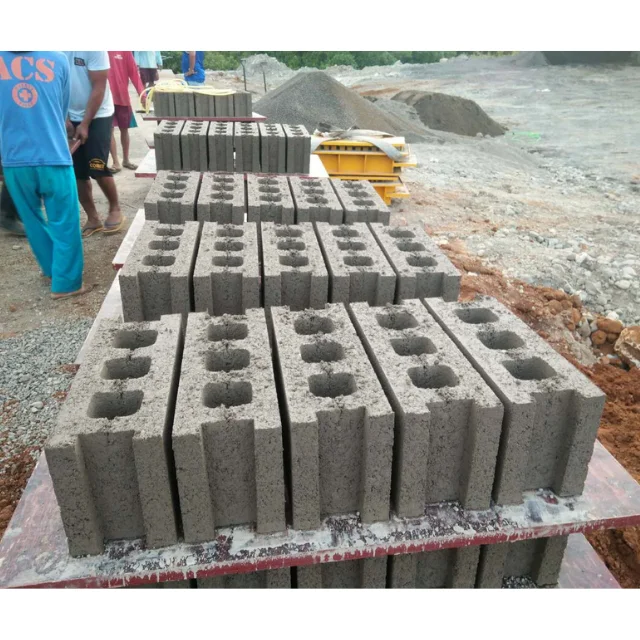
| Hollow block production | Crushed stone, sand, cement, and lightweight aggregates such as volcanic scoria |
| Solid brick production | Fly ash, river sand, and Portland cement blends |
| Paving block production | High-density granite chip and cement mixes for load-bearing surfaces |
| Interlocking brick production | Graded aggregate with cement binder for mortarless laying |
| Kerbstone and porous brick production | Coarse aggregate with controlled porosity for drainage applications |
Dispatch Timing Is the Real Capacity Metric
A QT10-15 block machine in stock means your project deadline sets the schedule, not factory production slots.
Quoted output numbers rarely tell the full story on their own. A press rated for thousands of pieces per hour still delivers nothing if it arrives four weeks after your masonry crew was due on site. For contractors and plant owners working against construction milestones, having a QT10-15 block machine in stock and ready for container loading matters as much as the cycle time on the spec sheet [NEED_CITE: typical construction penalty clauses for delayed material delivery]. I have watched project managers absorb liquidated damages because machinery sat in a production queue while the building schedule ticked past the float. Fast dispatch removes that variable entirely.
Stock Configuration and What Ships Immediately
Standard mould sets for 400×200×200mm hollow blocks and 200×100×60mm pavers are held in inventory alongside the QT10-15 press. When you need a QT10-15 block machine in stock for immediate dispatch, the matching pallet feeder, storage hopper, conveyor, hydraulic station, and PLC cabinet are already assembled and factory-tested as a single line. Container loading plans are prepared before the proforma invoice is signed, so you know which container type fits and how many units your order requires.
Dismantling, Loading, and the Arrival Clock
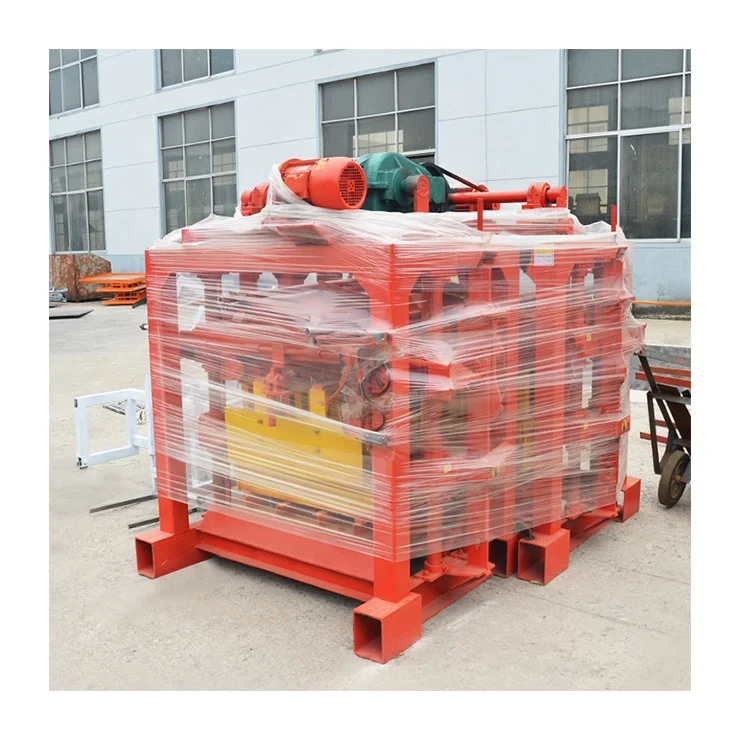
The independent hydraulic station detaches from the main press frame, reducing the shipping footprint and allowing the QT10-15 to fit within standard flat-rack or open-top container configurations [NEED_CITE: container loading dimensions for hydraulic block presses]. Dismantling is documented with numbered connection points so reassembly on your slab follows the reverse sequence without guesswork. An arrival estimate is quoted at the order stage based on current vessel schedules to your destination port, giving your foundation contractor a realistic date to plan the curing yard.
Reading the Capacity Sheet Against Your Product Mix
The QT10-15 press runs multiple formats, but the cycle time shifts depending on the block geometry. Hollow blocks at 400×200×200mm complete in 15–20 seconds with 10 cavities per mould, while pavers at 200×100×60mm require 20–25 seconds across 27 cavities. A plant splitting daily production between hollow blocks for walls and pavers for driveways must calculate two separate throughput bands rather than relying on a single headline figure. This is where matching the machine to your actual sales mix prevents the disappointment of falling short of a catalogue number.
What Happens When Dispatch Slips
A delayed shipment does not just push back your first production day. Your raw material order — cement, aggregate, sand — may already be on site degrading in moisture, your pallets stacked in the yard warping under weather exposure, and your operator team paid to wait. I have seen contractors lose an entire dry season because the block machine arrived after the rains started, turning the curing yard into mud [NEED_CITE: seasonal construction scheduling risks in tropical export markets]. Confirming a QT10-15 block machine in stock before committing the deposit protects every downstream decision you have already made.
Why Buyers Source This Model Here
Block machinery is the sole production focus, so the press, mould, pallet, and handling equipment are specified as one matched system rather than assembled from separate suppliers. Stock levels cover the QT10-15 and its standard moulds, reducing the gap between order confirmation and container booking. Dispatch lead times are quoted in days, not weeks, for stocked configurations. Packing photographs and machine dismantling plans are provided before shipment so your logistics forwarder can book the correct container type. Customs documentation support is included at the quotation stage to prevent clearance delays at your destination port.
Documentation & Verification
- Factory test record confirming cycle time and output per block format before dispatch
- Packing photographs and dismantling diagram for container loading verification
- Voltage, frequency, and PLC display language confirmation sheet signed before production
- Hydraulic and electrical schematic matching the shipped configuration
- Operation and maintenance manual with wear parts and mould list
- CE declaration documentation where applicable to destination market
Installation, Commissioning & Support
- Foundation slab sized to the QT10-15 press footprint and vibration load with anchor bolt template
- Dedicated power circuit matching confirmed voltage and frequency before machine arrival
- Hydraulic station reconnects via numbered fittings following the dismantling plan in reverse
- PLC cabinet powered on and display language verified before first production run
- Operator training covers mould change procedure and cycle time adjustment per format
- Wear parts list identifies hydraulic seals, vibration springs, and mould liners for first reorder
Sending the Right Inquiry
Tell us the block formats your market actually sells and the daily volume you need across each one. Share your local aggregate type and the voltage standard at your site so the hydraulic station and PLC cabinet leave the factory configured for your conditions. If you have an existing curing yard and forklift, provide the pallet dimensions you already use so the feeder is set up to match.
Frequently Asked Questions
Q: What QT10-15 models and standard moulds are currently in stock?
A: The QT10-15 hydraulic concrete block making machine is held in stock with standard mould sets for 400×200×200mm hollow blocks and 200×100×60mm paving blocks. Additional format moulds may require a short production run. Confirming your required formats at inquiry stage allows us to quote exact availability.
Q: What is the dispatch lead time from order to port of shipment?
A: Stocked QT10-15 configurations are prepared for container loading within a short window after deposit receipt and final voltage confirmation. Non-stock mould additions extend the timeline by the mould production period. The dispatch date is stated on the proforma invoice before you commit the balance payment.
Q: How is the machine dismantled and loaded into containers for shipment?
A: The independent hydraulic station detaches from the main frame, and connection points are numbered for reassembly. The QT10-15 press and line components are secured in standard flat-rack or open-top containers. A dismantling diagram and packing photographs are shared before the container is sealed.
Q: What is the estimated arrival time at destination port?
A: An arrival estimate based on current vessel schedules to your port is provided at the quotation stage. Transit time depends on the shipping route and carrier selection. Your logistics forwarder can refine the estimate once the booking confirmation is issued.
Q: Are standard moulds for common block formats available off the shelf?
A: Standard moulds for 400×200×200mm hollow blocks and 200×100×60mm pavers are stocked alongside the QT10-15 press. Other formats such as interlocking pavers, solid bricks, and kerbstones are produced to order. Requesting your full format list at inquiry allows us to bundle availability into a single dispatch schedule.