

Description
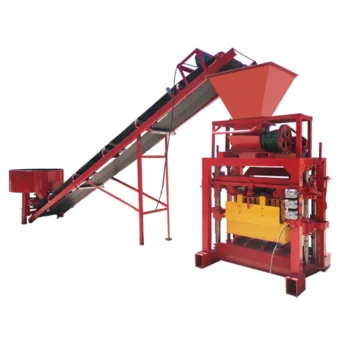
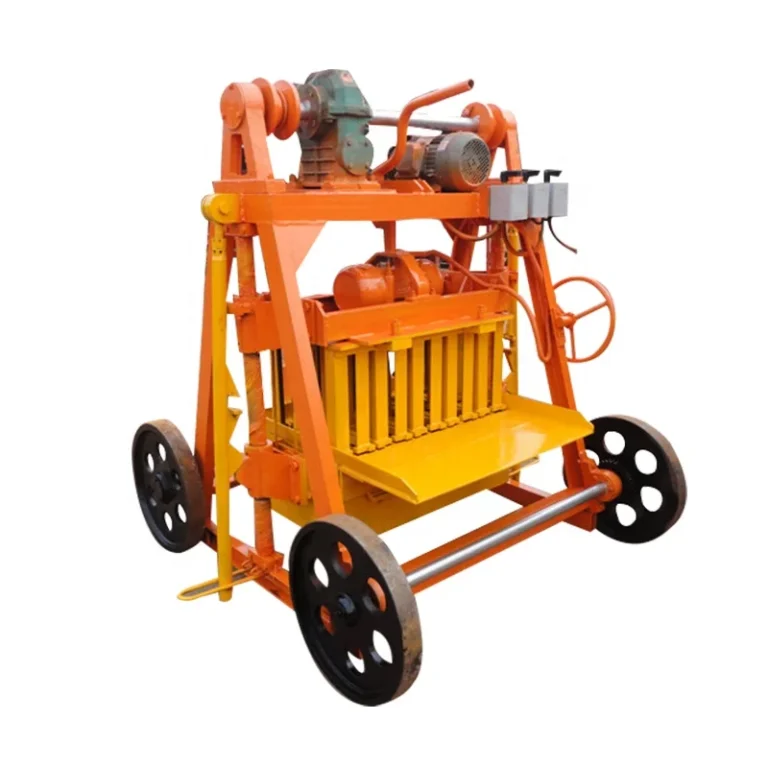
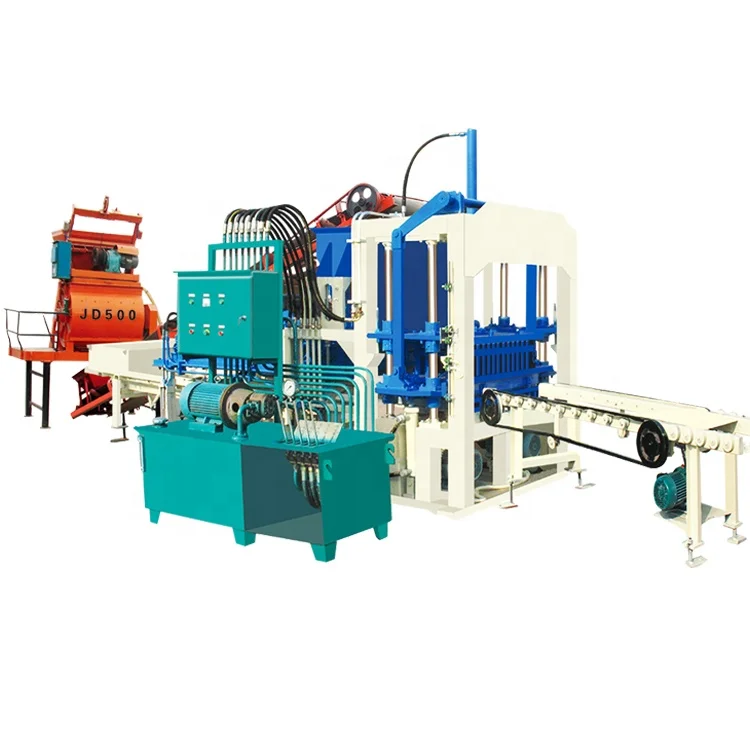
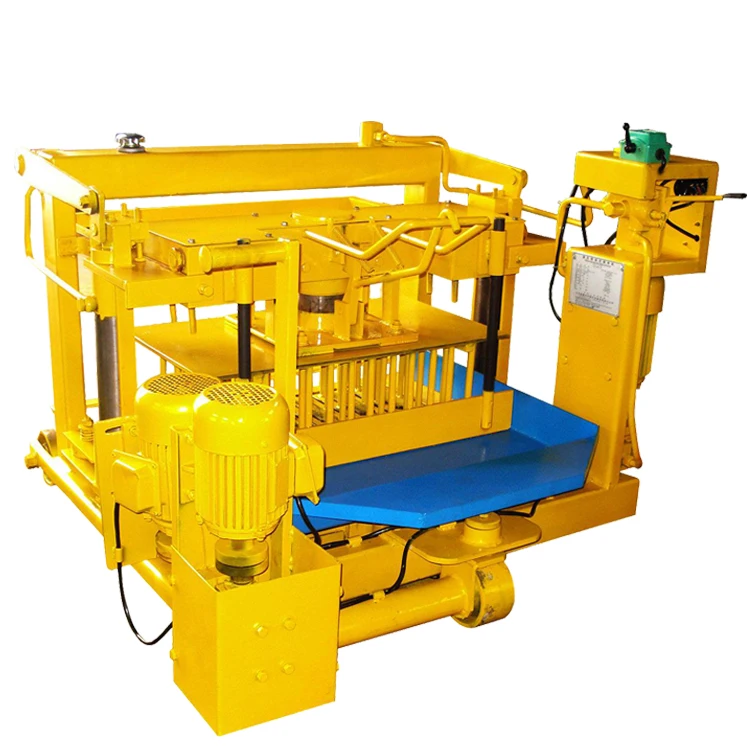
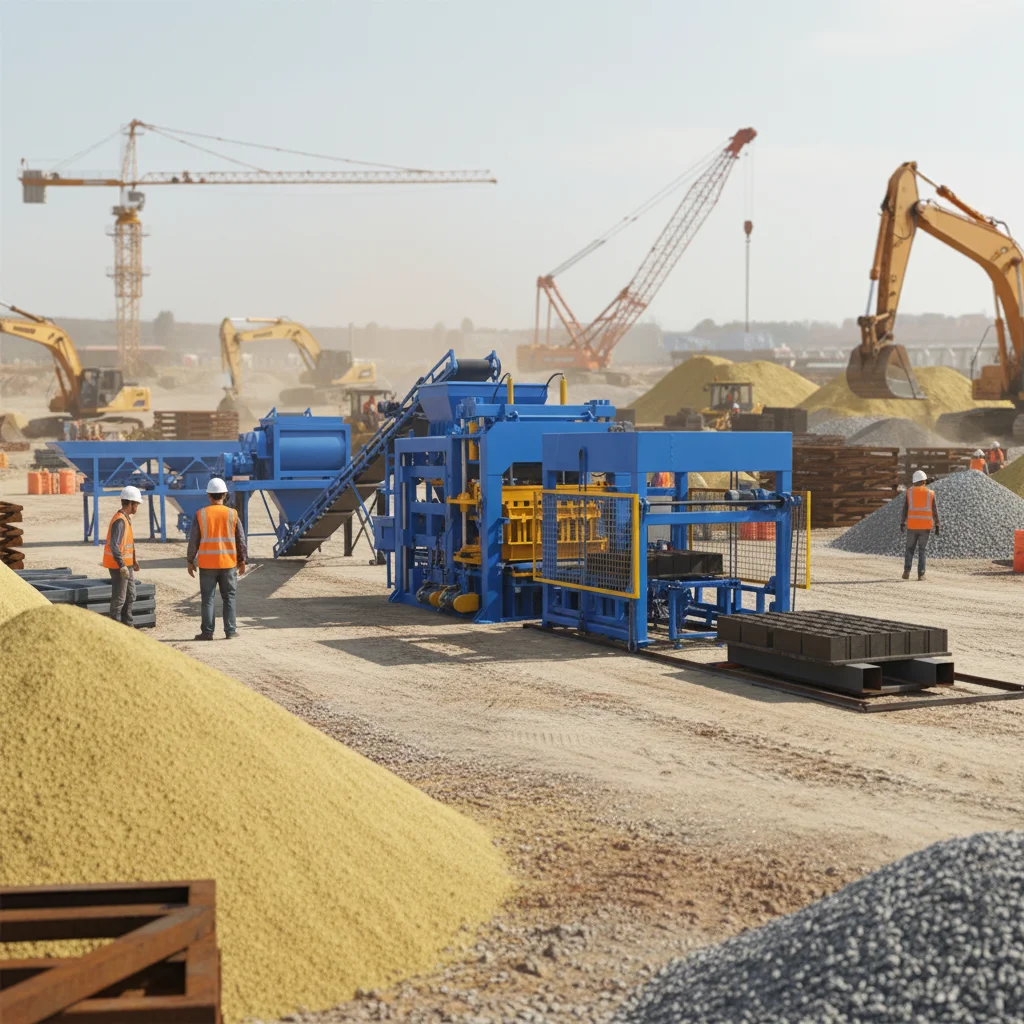
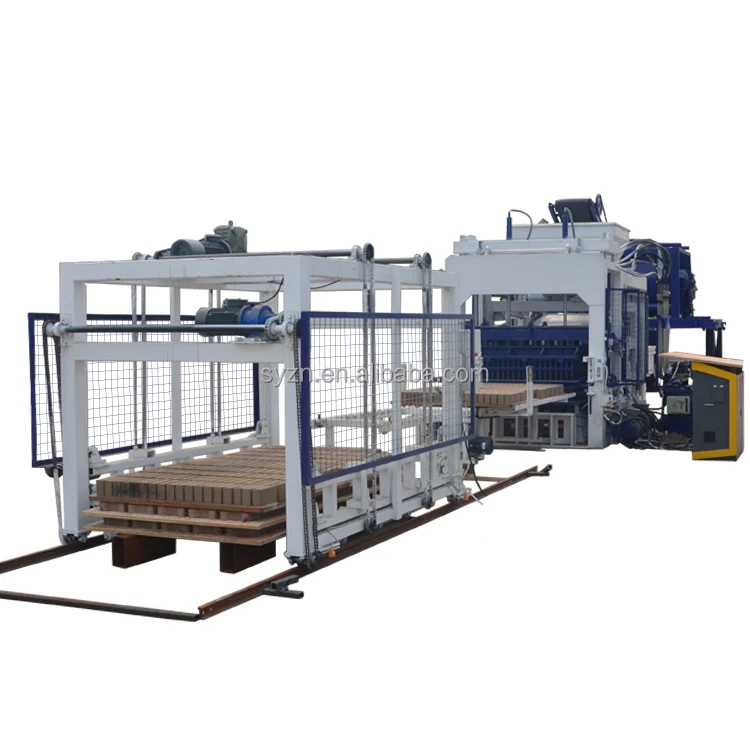
Single-Focus Block Machinery Configuration — Every QT12-15 shipped is checked against the buyer’s target block format, local aggregate, and curing yard dimensions before leaving the factory floor.
Technical Specifications
| Parameter | Value |
|---|---|
| Model | QT12-15 |
| Product Type | Hydraulic Block Making Machine |
| Total Power | 62 kW |
| Pallet Size | 1300 × 900 mm |
| Moulding Cycle | 15–30 seconds (basis not stated in source — confirm block format / material / thickness) |
| Vibration Type | Table vibration |
| Vibration Force | 120 kN (listed under vibration frequency in source — verify against manufacturer catalog) |
| Voltage & Frequency | Customized to buyer’s local industrial supply |
| Mould Compatibility | Hollow blocks, solid wall blocks, porous bricks, pavement bricks, slope protection bricks (custom per buyer requirement) |
| Control System | To be confirmed (PLC brand and display language) |
| Hydraulic Pressure | To be confirmed |
| Automation Level | To be confirmed (semi-automatic or fully automatic) |
Application Suitability
| Application | Material or Output |
|---|---|
| Hollow block production | Crushed stone, cement, sand, and local aggregate blends |
| Solid wall block manufacturing | Cement-bound aggregates with varying grain sizes |
| Pavement brick and paver output | Fine aggregates and cement with pigment additives |
| Porous brick and slope protection brick | Lightweight aggregates, fly ash, or industrial by-products |
| High-yield plant operations | Multi-format production using interchangeable custom moulds |
What "Ready to Ship" Actually Means for Your Project Timeline
Stock status is only useful if the machine configuration matches your site conditions.
I once watched a contractor lose two weeks of a tight project schedule because a block machine arrived with a control panel displaying instructions in a language the operators could not read. The machine was physically on site, but commissioning was stalled. A QT12-15 block machine in stock does you no good if the voltage is wrong for your grid, the pallet size does not fit your existing forklift, or the moulds do not produce the block format your market actually buys [NEED_CITE: industrial equipment voltage and frequency standards by export market]. Availability must be paired with configuration accuracy, or the lead time advantage disappears the moment the container is opened.
Dispatch Windows and Container Loading Reality
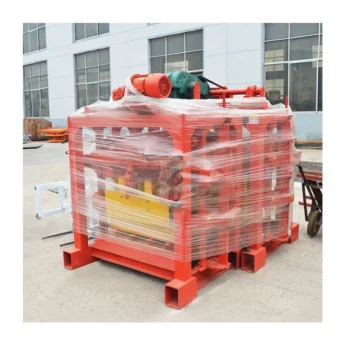
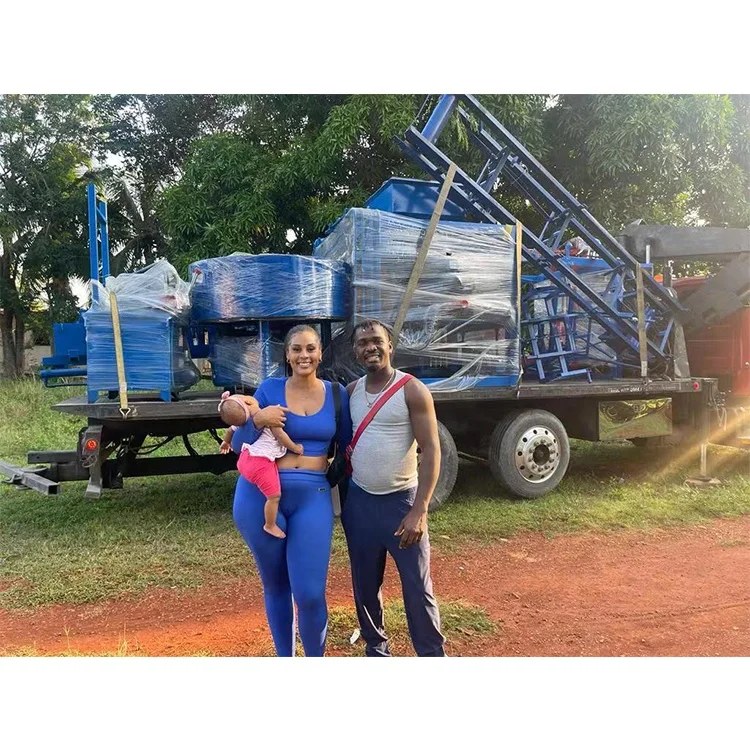
Buyers working against a project deadline need clarity on when the QT12-15 block machine in stock can physically leave the warehouse. Dispatch lead time depends on whether the unit is a stocked standard configuration or requires mould customization and voltage adaptation before crating. Fast delivery is only meaningful when the packing photographs, dismantling plan, and container loading scheme are confirmed in writing before the machine moves.
Arrival Estimates That Hold Up on Site
When a buyer asks when the equipment will arrive, the answer should include the dispatch date, transit duration to the destination port, and the inland transport window to the project site. The QT12-15 block machine in stock is typically dismantled for container loading, which means reassembly time on site must also factor into the schedule. An honest arrival estimate accounts for customs clearance variability and local transport availability rather than quoting only the factory gate date [NEED_CITE: international machinery shipping and customs clearance timelines].
Matching the 1300 × 900 mm Pallet to Your Curing Yard
The pallet size on this machine determines how many blocks cure per square meter in your yard and whether your existing forklift can handle the loaded pallets. A 1300 × 900 mm pallet is common in higher-output block plants, but if your curing racks were built for a smaller format, every pallet will need manual re-stacking before it enters the curing zone. Confirm pallet compatibility before the machine ships, not after it arrives.
Vibration Force and Hydraulic Pressure in Block Density
The 120 kN vibration force rating works in combination with hydraulic pressure to compact the concrete mix into a dense, consistent block. Table vibration transmits energy through the mould cavity, but the actual block strength depends on whether the vibration force and hydraulic pressure are matched to the buyer’s specific mix design and local aggregate characteristics. A machine set for clean washed sand will underperform if the local supply contains high clay content, extending the moulding cycle and reducing daily output below expectation. The cycle time of 15–30 seconds is a range, not a fixed number, and the actual figure depends on block thickness and material behavior under vibration.
The Cost of Skipping Configuration Confirmation
When voltage and frequency are not locked in before production, the machine may arrive with a motor and PLC that do not match the local grid. I have seen plants sit idle for weeks waiting for a replacement transformer or control board because the electrical specification was assumed rather than confirmed. The same applies to the control language on the PLC display and the mould set included in the shipment [NEED_CITE: CE machinery directive requirements for industrial equipment]. A fast delivery timeline is easily erased by a commissioning delay caused by an unconfirmed specification.
Why Buyers Source the QT12-15 Through This Channel
The machine, mould, pallet, and handling equipment are specified as a matched system rather than assembled from separate suppliers. Stock status is stated honestly, with the distinction between standard stocked units and made-to-order configurations made clear before the order is placed. Container loading plans and dismantling methods are documented so the buyer knows what arrives and how it reassembles. Voltage, frequency, and control language are confirmed before production begins, eliminating the most common commissioning blockers. Installation support and operator training are included so the machine reaches production speed within the first week on site.
Documentation & Verification
- Factory test record using buyer’s specified block format before dispatch
- Pallet specification sheet matched to curing yard and forklift dimensions
- Voltage and PLC control language confirmation signed off pre-production
- Container loading plan with dismantling method and packing photographs
- Customs documentation support for destination country import requirements
Installation, Commissioning & Support
- Foundation plan aligned to the 62 kW total power and machine footprint
- Electrical supply verified against customized voltage and frequency before energizing
- Reassembly guided by dismantling documentation from container loading stage
- First production run supervised with cycle time adjusted to local mix design
- Operator training covers mould change procedure and daily maintenance checkpoints
- Wear parts list and mould maintenance schedule provided at handover
What We Need to Quote Your Arrival Date
To give you a realistic dispatch and arrival estimate, share the block formats you intend to produce, your local industrial voltage and frequency, and the pallet size your curing yard is built around. If you have a project start date, tell us that too, so we can work backward from your deadline and confirm whether a stocked QT12-15 configuration fits your requirements or if a short customization window is needed.
Frequently Asked Questions
Q: Which QT12-15 configurations are currently in stock versus built to order?
A: Standard configurations with common mould sets and default pallet sizes are typically held in stock for faster dispatch. Units requiring custom mould designs, specific voltage adaptations, or non-standard automation levels are built to order with a stated lead time. Confirm your required block format and electrical specification to determine which category your order falls into.
Q: What is the dispatch lead time and how is arrival estimated?
A: Stocked units can be prepared for dispatch once voltage, frequency, and control language are confirmed. Arrival estimation includes factory-to-port transport, ocean transit duration, and inland delivery to the site. The estimate is quoted upfront based on current shipping schedules and destination port conditions rather than a generic transit window.
Q: How is the machine dismantled and loaded into containers for shipment?
A: The QT12-15 is dismantled into components that fit standard shipping container dimensions. A loading plan documents how each section is secured and where it sits in the container. Packing photographs are provided before the container is sealed so the buyer can verify the shipment matches the order documentation.
Q: What voltage and control language confirmations are needed before dispatch?
A: The buyer must confirm local industrial voltage, frequency, and preferred PLC display language before the machine enters final assembly. This ensures the motor, control panel, and operator interface are correct for the destination site, preventing commissioning delays after arrival.
Q: Are standard moulds stocked, or is there a separate lead time for custom moulds?
A: Standard moulds for common block formats are often available with the stocked machine. Custom mould designs based on buyer drawings require a separate production cycle. Confirm your required block formats early so mould availability can be aligned with the machine dispatch schedule.