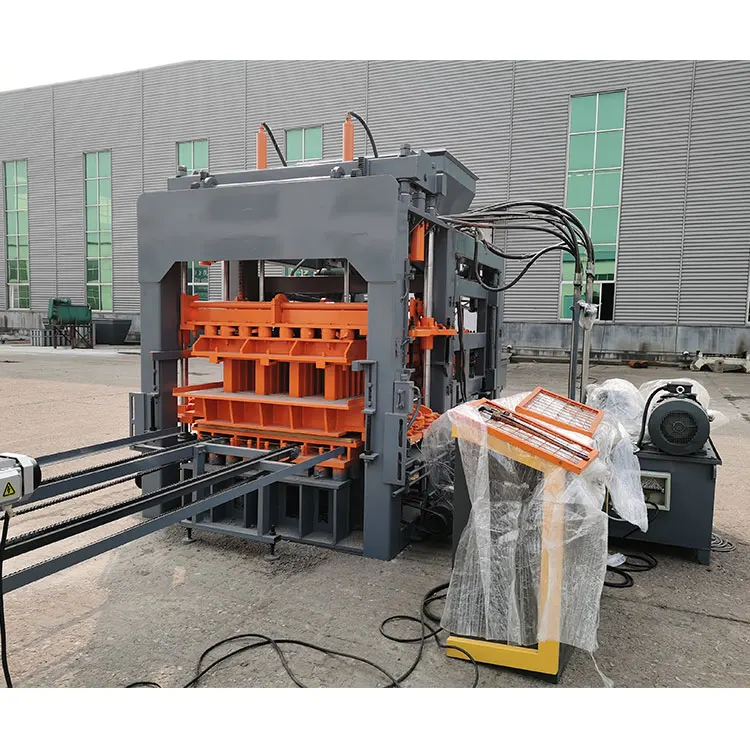
Description
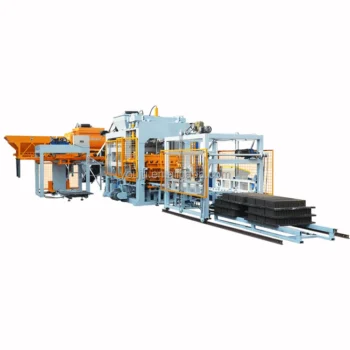
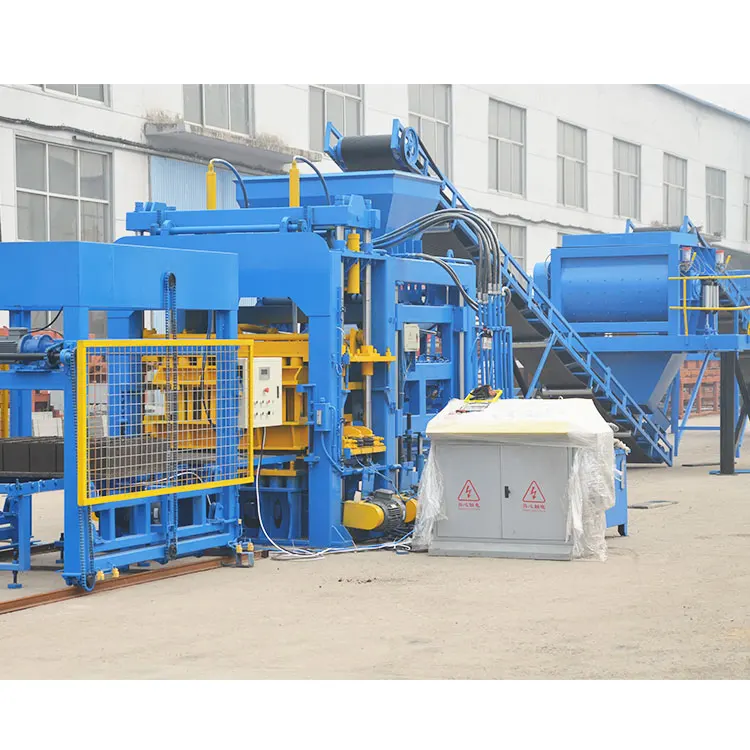
Single-Focus Block Machinery — the QT12-15 is specified with pallet, mould and line equipment as a matched set rather than sourced from separate vendors.
Technical Specifications
| Parameter | Value |
|---|---|
| Model | QT12-15 |
| Product Type | Automatic Hydraulic Block Making Machine |
| Overall Dimensions (L×W×H) | 9350 × 2520 × 2950 mm |
| Total Weight | 12,000 kg |
| Total Installed Power | 50.7 kW |
| Rated Hydraulic Pressure | 21 MPa |
| Main Vibration Form | Platform Vibration |
| Vibration Frequency | 2800–4500 r/min |
| Vibration Acceleration | 15–20 g |
| Exciting Force | 120 kN |
| Fixed Brick Height Range | 50–200 mm |
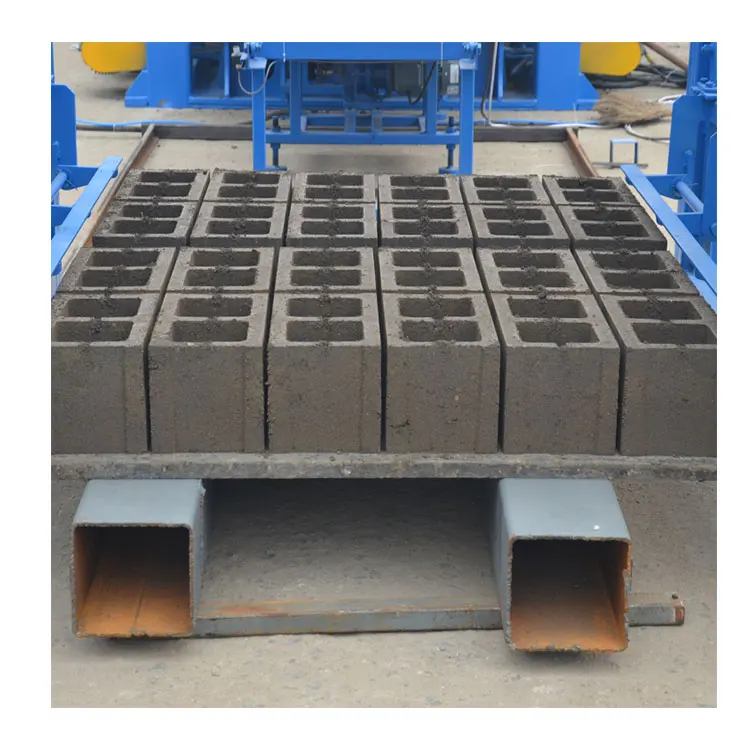
| Pallet Size | 1350 × 850 mm |
| Molding Cycle | 15–25 s |
| Storage Hopper Volume | 0.4 m³ |
| Feeding Device Volume | 0.31 m³ |
| Control System | PLC controlled (mechanical hydraulic synthesis) |
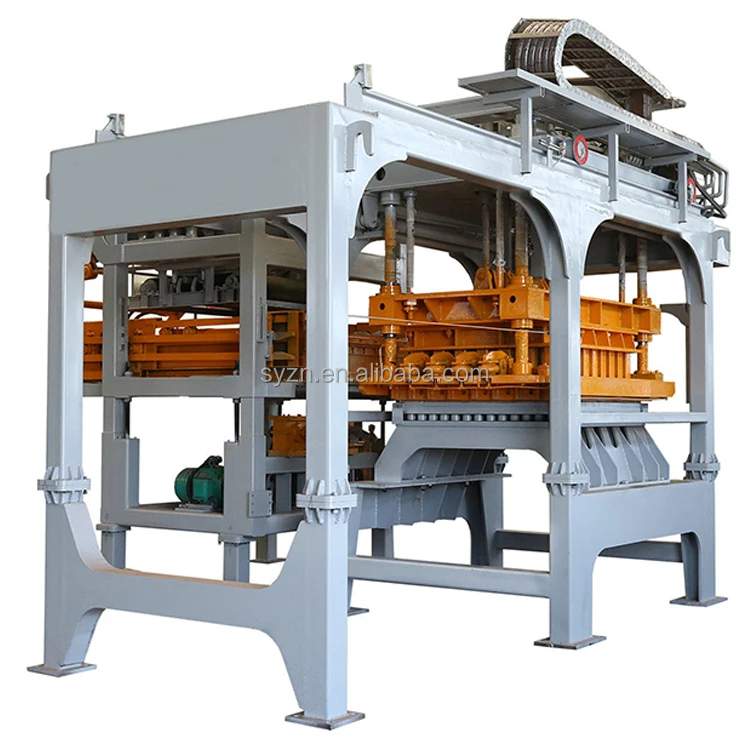
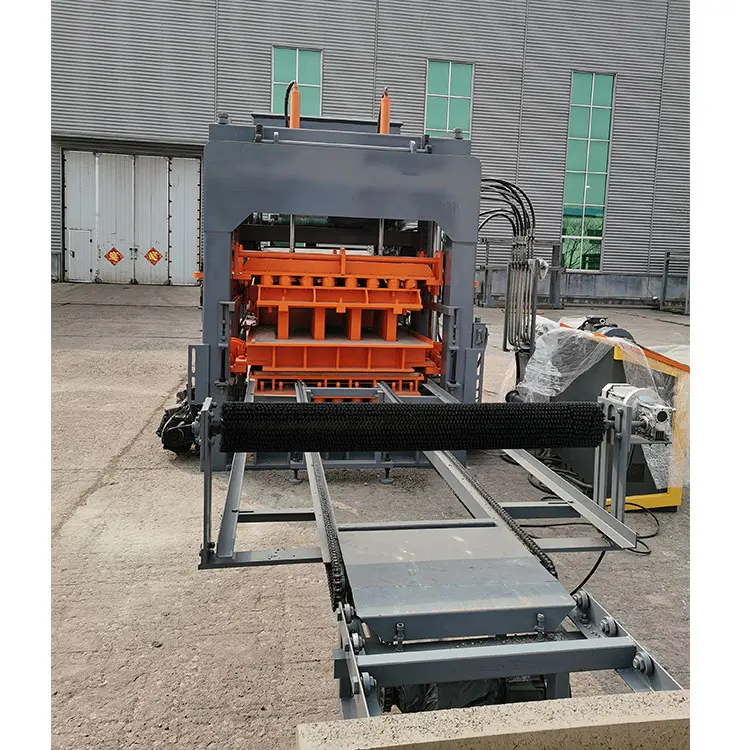
| Frame Structure | Gantry frame type, super steel, shock resistant |
| Mould Material | Manganese steel, carburizing and quenching treatment |
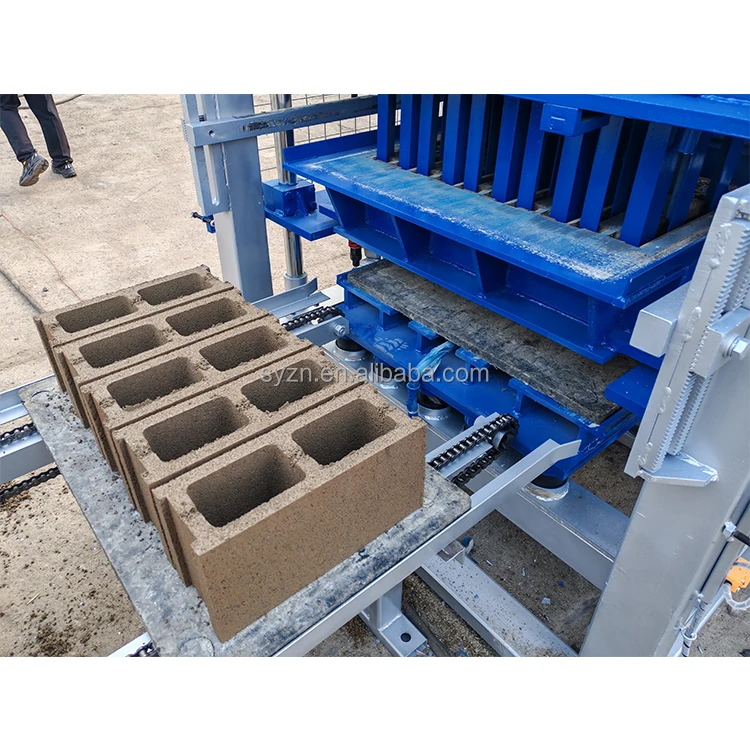
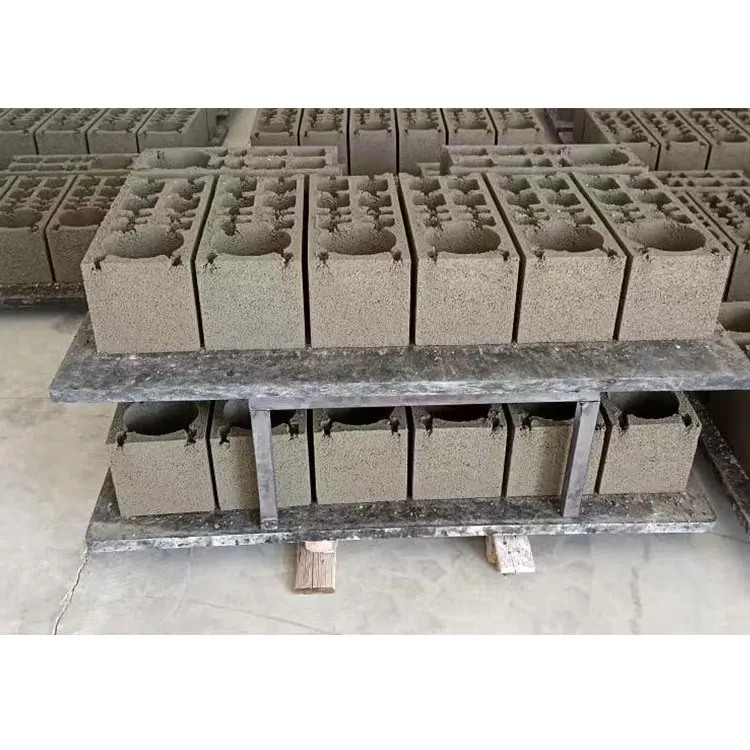
| Hollow Block Output (390×190×190mm) | 13,700–17,200 pcs/8h, 12 pcs/mould, cycle 20–25 s (basis stated) |
| Porous Block Output (240×115×90mm) | 40,300–50,400 pcs/8h, 35 pcs/mould, cycle 20–25 s (basis stated) |
| Standard Block Output (240×115×53mm) | 105,000–119,000 pcs/8h, 62 pcs/mould, cycle 15–17 s (basis stated) |
| Block Compressive Strength | >15 MPa |
| Matching Line Equipment | PL1200 batching machine, JS500 or JS750 mixer, 8 m conveyor belt, stacker |
| Voltage & Frequency | Basis not stated in source — confirm before dispatch |
Application Suitability
| Application | Material or Output |
|---|---|
| Hollow block production for load-bearing walls | Crushed stone, cement, sand mix, 390×190×190 mm format |
| Porous block production for infill masonry | Lightweight aggregate and cement blend, 240×115×90 mm format |
| Standard solid brick for general masonry | Cement, sand, fly ash blends, 240×115×53 mm format |
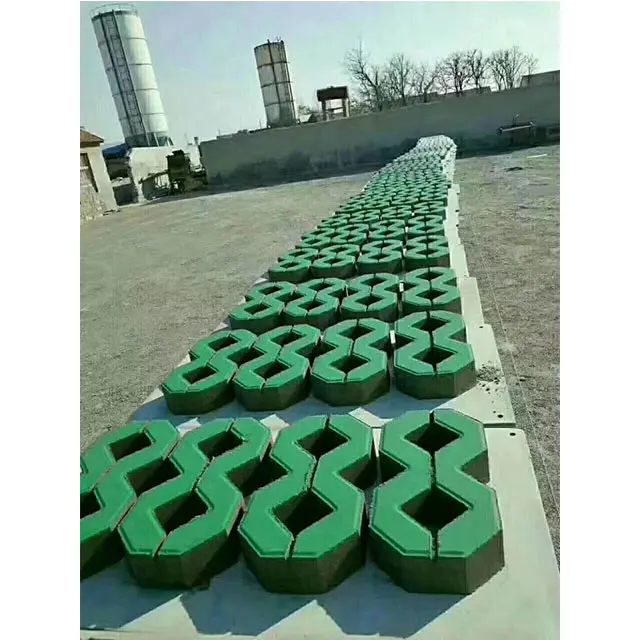
| Paving block and interlocking brick production | Dense aggregate and cement mixes, format dependent on mould selection |
| On-site block production for housing projects | Locally sourced aggregate adapted to mix design |
Why the Voltage Question Must Be Settled Before Crating
Every QT12-15 block making machine in stock leaves our Linyi warehouse only after the voltage plate matches the buyer’s confirmed site supply.
I once watched a container ship out with a 380 V/50 Hz motor destined for a 440 V/60 Hz project site. The buyer’s electrician spent nearly three weeks rewiring and sourcing a transformer before the press could run a single cycle. That kind of delay is the exact reason we now cross-check the electrical nameplate against a photo of the site panel before authorizing dispatch [NEED_CITE: voltage and frequency standards by export market]. When a contractor is counting days to a project handover, an electrical mismatch at arrival is the most preventable cause of commissioning delay.
Dispatch Readiness and Lead Time Certainty
The QT12-15 block making machine in stock is pre-assembled, factory-tested, and held at our Linyi yard with standard moulds paired to the pallet size of 1350 × 850 mm. Buyers working against a construction deadline can move from quotation to container booking without waiting for a build cycle. We quote the dispatch lead and the estimated arrival date at the same time the proforma is issued, so the project schedule is not built on guesswork.
Container Loading and Machine Dismantling
The gantry frame structure of the QT12-15 is designed to be broken down into components that fit standard 40-foot high-cube containers. The main press frame, hydraulic station, pallet magazine, and mould assemblies are each secured with steel bracing and lashing points [NEED_CITE: container loading and cargo securing standards]. Container loading photographs are taken and shared with the buyer before the doors are sealed, confirming both the packing arrangement and the condition of every component at the moment of closure.
Reading the Specifications That Matter
The 21 MPa rated hydraulic pressure working together with the platform vibration at 15–20 g acceleration determines the density and compressive strength of every block that leaves the mould. A machine with high vibration but low pressure will produce blocks that look right but fail the drop test; one with high pressure but weak vibration will leave voids in the core. The QT12-15 pairs both forces so the mix design and the local aggregate determine the outcome, not a compromise in the press engineering.
Pallet size is another dimension where a mismatch costs time every single shift. The 1350 × 850 mm pallet must align with the curing racks and the forklift tines the buyer already operates. Ordering a machine on pallet dimensions that do not match existing handling equipment means buying new racks or rewriting the curing yard layout after arrival.
The Cost of Overlooking Configuration Details
A block machine configured for a mix the buyer cannot source locally forces a material change that was never budgeted. When the aggregate grading or cement type differs from what the hopper and feeder were set for, the feeding device volume of 0.31 m³ may deliver inconsistent batches, and block strength drops below the 15 MPa target. Buyers who skip the mix confirmation step often discover this only after the first production run [NEED_CITE: concrete block compressive strength testing requirements].
Why Procurement Through This Channel Works
Block machinery is our single focus, which means the QT12-15 is never shipped as a standalone press; the mould, pallet, batching machine, mixer, conveyor, and stacker are specified together so cycle times match across every station. Dispatch timing is quoted with the arrival estimate at the quotation stage, not after payment. Electrical parameters including voltage, frequency, and PLC display language are confirmed and locked before crating, preventing the rewiring delays that cost contractors weeks on site. Moulds and hydraulic wear parts are catalogued and held ready, so the first replacement order does not become a sourcing problem.
Documentation & Verification
- Line layout with capacity calculation stating the assumed block format
- Machine specification sheet matching the dispatched configuration
- Mould drawing and format list for every included mould
- Pallet specification confirming size and material grade
- Hydraulic and electrical schematic with confirmed voltage and language
- Factory test record on the buyer’s target block format before dispatch
Installation, Commissioning & Support
- Foundation plan sized to the 9350 × 2520 mm machine footprint and 12,000 kg static load
- Dedicated power circuit rated for the 50.7 kW total draw at the confirmed voltage and frequency
- Dismantled components reassembled on-site with frame alignment checked before hydraulic fill
- First production run supervised with mould cycle and vibration frequency set to the buyer’s mix
- Operator training covering mould change, PLC navigation, and daily maintenance intervals
- Wear parts list for manganese steel moulds and hydraulic seals included with shipment
Preparing a Useful Inquiry
To move from general interest to a firm arrival estimate, share the target block format and the daily output your project requires. Include the voltage and frequency at your site panel and the preferred PLC display language. If you already have curing racks and forklifts in place, tell us the pallet dimensions they accept so we can confirm the 1350 × 850 mm fit or flag a mismatch before the machine is crated.
Frequently Asked Questions
Q: Which QT12-15 configurations are available for immediate dispatch?
A: Standard models with the 1350 × 850 mm pallet and hollow block moulds are held in stock at our Linyi yard. Dispatch lead depends on the destination port and the current shipping schedule, and we quote the estimated arrival date alongside the proforma invoice so your project timeline has a fixed reference point.
Q: How is the QT12-15 prepared for ocean freight?
A: The gantry frame is dismantled into major assemblies that load into a 40-foot high-cube container. Each component is braced and lashed to the container floor. Loading photographs are sent to the buyer before the container is sealed, confirming the packing condition at the point of departure.
Q: How is the total delivery time estimated from order to port arrival?
A: The estimate combines the dispatch preparation window, inland transport to the port, ocean transit time to the destination, and customs clearance buffer. All of these are stated in the quotation so you can plan your installation crew around a known arrival window.
Q: Which electrical parameters must be confirmed before the machine ships?
A: Voltage, frequency, and PLC display language must all be confirmed and documented before crating. We verify the motor nameplate and control panel settings against the buyer’s site supply to prevent rewiring delays after arrival.
Q: What support is provided once the machine reaches the site?
A: Reassembly guidance, hydraulic commissioning, and first-run supervision are included. Operators receive training on mould change procedures, PLC operation, and the daily maintenance schedule for the hydraulic station and vibration platform.