
Description
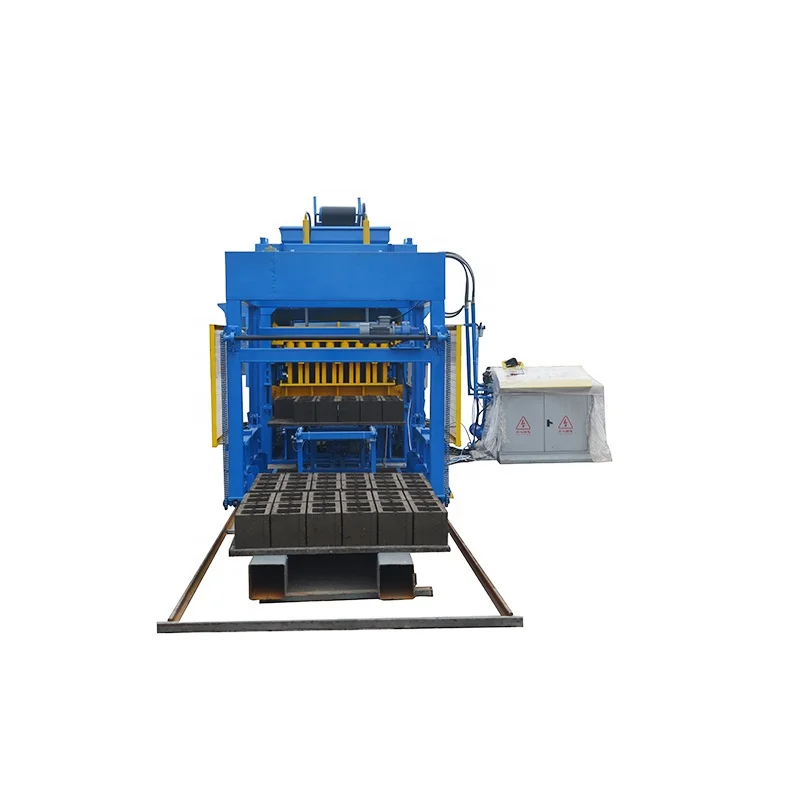
Matched Pallet Handling — standard moulds and 1300×900mm pallets stocked alongside the press so container loading proceeds without waiting on separate suppliers.
Technical Specifications
| Parameter | Value |
|---|---|
| Model | QT12-15 |
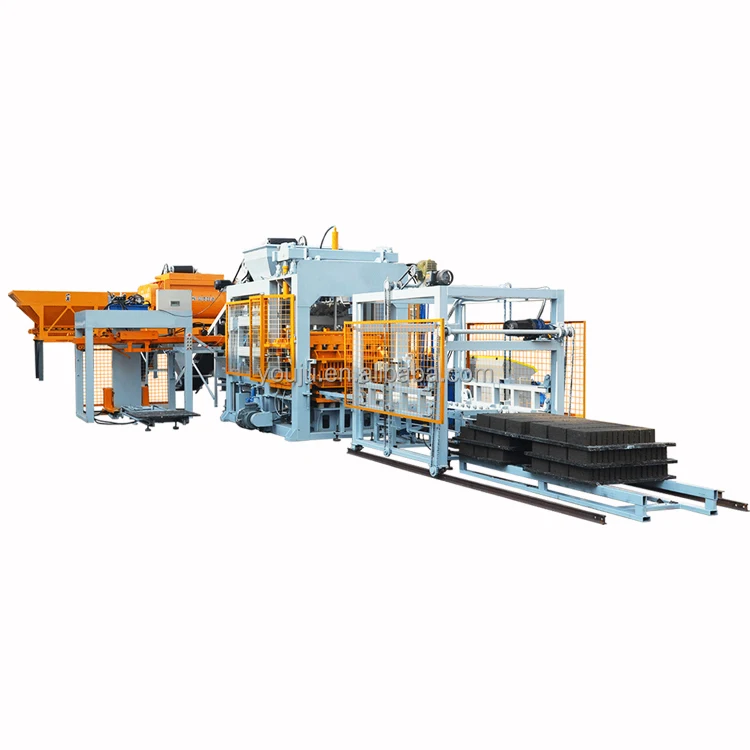
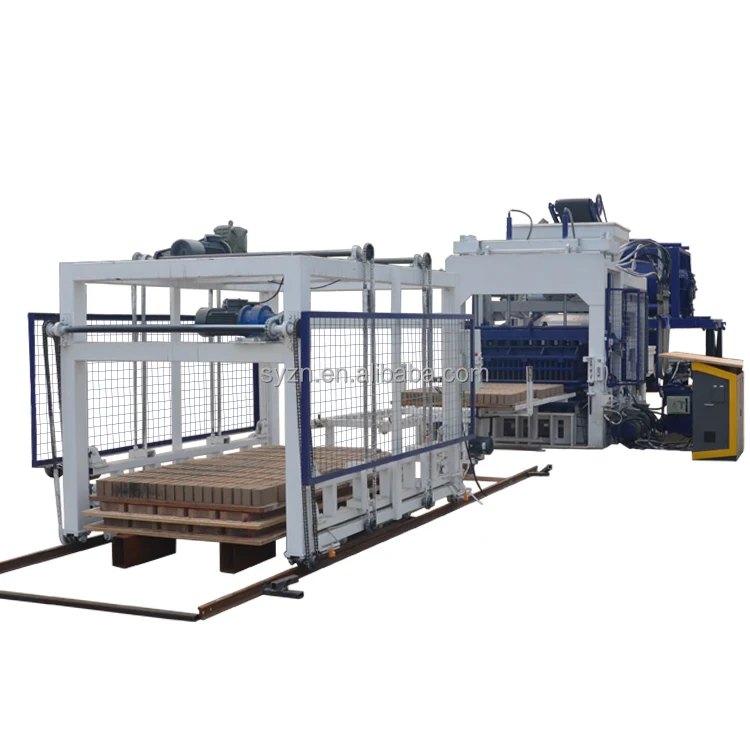
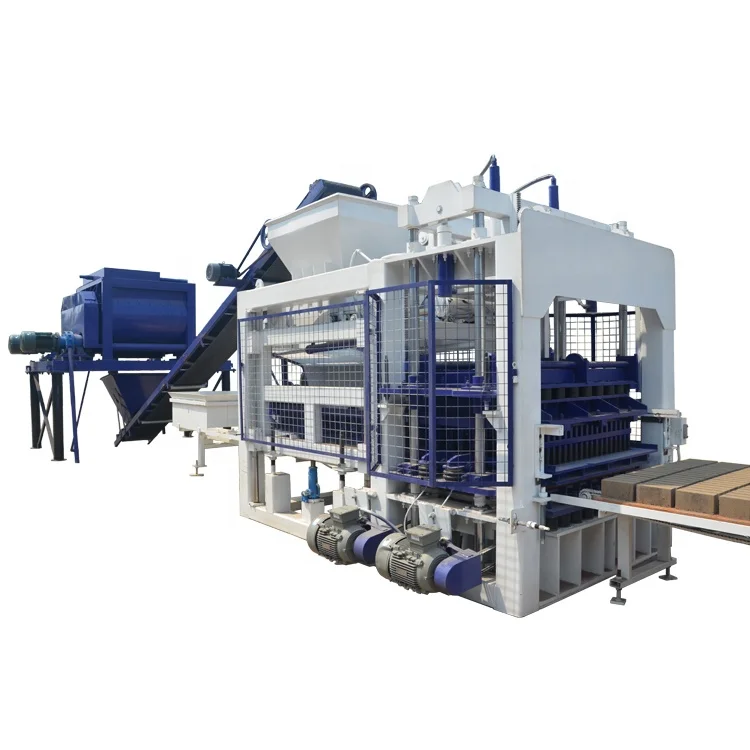
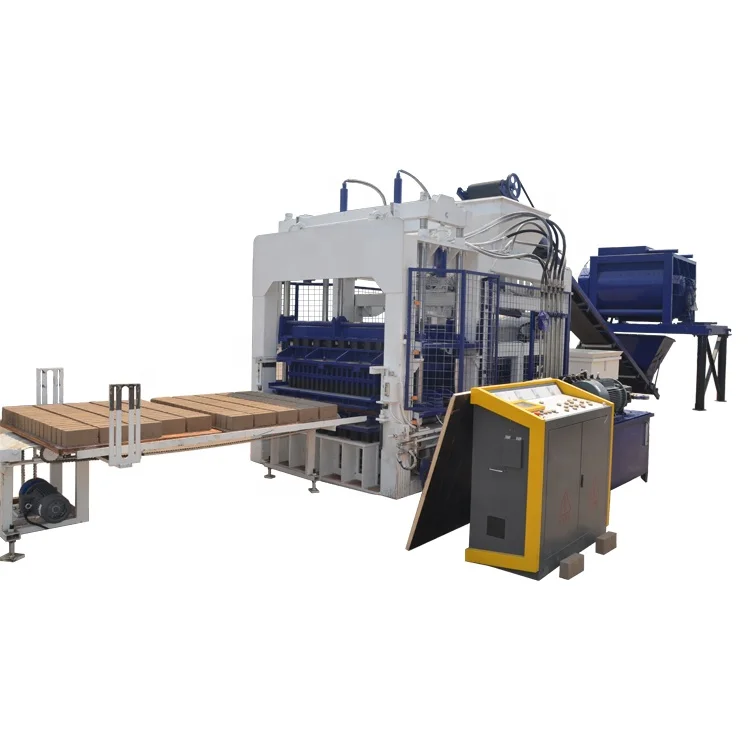
| Product Type | Hydraulic Concrete Block Making Machine |
| Total Power | 62 kW |
| Pallet Size | 1300 × 900 mm |
| Moulding Cycle | 15–30 seconds (basis not stated in source — confirm block format / material / thickness) |
| Vibration Force | 120 kN (source value — verify against manufacturer catalog) |
| Vibration Technology | Dynamic and static table with frequency conversion, four-axis vibration |
| Feeding System | Press-in arch breaker with 360° rotation |
| Noise Reduction | Flexible vibration reduction on pressure head, adjustable air bag in mold box |
| Wear Parts | Replaceable cloth platform wear-resistant plate |
| Voltage | Customized according to local industrial voltage (specific voltage and frequency not stated — confirm before commissioning) |
| Moulds | Customized according to target block format |
Application Suitability
| Application | Material or Output |
|---|---|
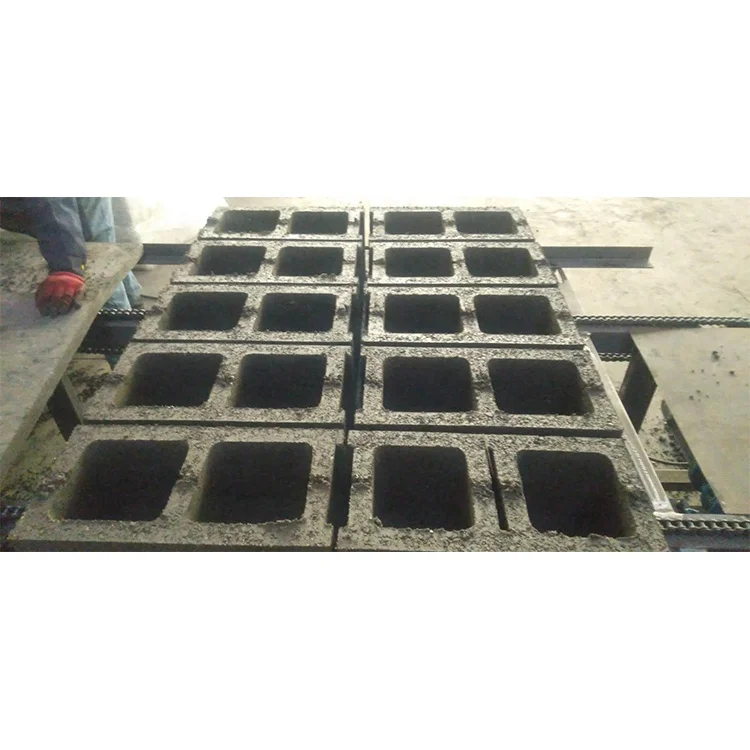
| High-capacity hollow and solid wall block production | Crushed stone, sand, cement, fly ash aggregates |
| Paving brick and pavement block manufacturing | Fine aggregate mixes with pigment dosing |
| Porous brick production for drainage applications | Permeable concrete blends with graded aggregate |
| Slope protection brick manufacturing | Heavy-duty concrete mixes for erosion control |
Why "15-30 Seconds" Means Nothing Without the Block Format
The cycle time only matters once your target block dimensions and local mix design are confirmed against the machine’s vibration profile.
Catalogue sheets quote a range like 15–30 seconds per moulding cycle, but that span covers everything from a thin paver to a tall hollow block. A buyer who plans daily output around the fastest figure will find the press running well below expectation when the actual product demands a longer press cycle and extended vibration dwell. In my time on the assembly floor here in Linyi, I have watched QT12-15 block machine in stock orders ship with buyers still assuming the brochure number applied to their specific format — only to discover at commissioning that their local aggregate required a completely different vibration tuning. [NEED_CITE: effect of aggregate gradation on concrete block cycle time]
Dispatch Timing You Can Plan Around
When a project deadline drives the purchase, the gap between order confirmation and container loading is the number that actually counts. The QT12-15 concrete block maker fast delivery process starts with confirming which configurations are currently on the floor — standard pallet size, pre-wired control panel, and a set of commonly ordered moulds — so dispatch can follow within a known window rather than an open-ended production queue. Buyers receive a loading plan that accounts for dismantling the press, feeder, and hydraulic station into container-friendly sections before the quotation is even signed.
What "In Stock" Actually Covers
Stock status here means the mainframe, hydraulic power unit, vibration table, and pallet feed mechanism are assembled and factory-tested, not that every possible mould is sitting on a shelf. Standard wall block and paver moulds matching the 1300×900mm pallet are typically available for immediate inclusion. Custom moulds — say, a specific interlocking profile or a non-standard kerbstone — are quoted with their own lead time so the buyer knows exactly which formats ship with the press and which follow later. This separation keeps the QT12-15 block machine in stock promise honest: the core line moves fast, and the tooling timeline is transparent. [NEED_CITE: typical mould fabrication timelines for concrete block presses]
Reading the Specs That Actually Shape Your Output
The 120 kN vibration force and four-axis table vibration work together with hydraulic pressure to compact the mix into a dense, consistent block — but only when the mix design matches what the vibration system expects. A dry, well-graded aggregate responds to high-frequency, short-dwell vibration, while a wetter mix with fines needs longer dwell at lower amplitude. The frequency conversion drive on this press allows that tuning, but someone has to set it based on real material. The 62 kW total power rating tells you the electrical supply must handle sustained draw across the vibration motors, hydraulic pump, and feeder simultaneously — undersizing the transformer on site will cause voltage sag that shortens contactor life. The 1300×900mm pallet size locks in the curing rack dimensions and the forklift fork width you will use for the next ten years; changing pallet size later means replacing the entire pallet return system.
The Cost of Skipping the Pallet and Voltage Check
A buyer who confirms pallet size after the machine ships faces a curing yard that cannot accept the racks, or a forklift whose forks are too narrow for the pallet runners. The press runs, but output piles up on the floor because the handling chain was never specified as one system. Similarly, ordering a QT12-15 concrete block maker fast delivery without locking in voltage and PLC display language means the machine arrives with a 380 V / 50 Hz assumption while the site runs 440 V / 60 Hz — commissioning stalls until a transformer or variable-frequency drive is sourced locally. These are not warranty issues; they are specification gaps that turn a fast delivery into a slow start. [NEED_CITE: industrial voltage and frequency standards by export market]
Why Source This Press Through This Channel
Block machinery is the single focus here, which means the press, mould, pallet, and handling equipment are specified as one matched system rather than assembled from separate vendors. Dispatch lead time and container loading plans are stated at quotation stage, not revealed after the deposit clears. Standard moulds for the formats your market actually sells are stocked, and custom mould drawings are reviewed against your block dimensions before fabrication begins. Every machine ships with a factory test record run on a mix as close to your local aggregate as available, so vibration parameters arrive pre-tuned rather than default. Voltage, frequency, and control language are confirmed in writing before the press enters final assembly, removing the most common cause of commissioning delay.
Documentation & Verification
- Machine specification sheet listing confirmed pallet size and vibration force settings
- Mould drawing and format list matching your target block dimensions
- Factory test record run on a representative mix before dispatch
- Voltage and PLC control language confirmation signed before final assembly
- Packing photographs showing dismantling and container loading sequence
- Customs documentation package prepared for destination country requirements
Installation, Commissioning & Support
- Foundation plan sized to the QT12-15 total weight and vibration isolation requirements
- Electrical supply verified against the confirmed 62 kW load and local voltage before energizing
- Dismantled press reassembled on site with hydraulic and vibration systems checked in sequence
- Vibration frequency and hydraulic pressure tuned to your actual aggregate during first production run
- Operator training covering mould change procedure and daily wear-part inspection
- Wear parts list with reorder references for the cloth platform plate and hydraulic seals
What to Send With Your Inquiry
To get a meaningful dispatch date rather than a catalogue quote, share your target block format with dimensions, the daily output you need in that specific format, and a sample or description of your local aggregate. Confirm the site voltage and frequency, the PLC display language your operators read, and the pallet handling equipment — forklift, curing racks — already on site. If you have a project start date, state it so the loading plan works backward from your deadline.
Frequently Asked Questions
Q: Which QT12-15 configurations are currently in stock and ready to ship?
A: The mainframe, hydraulic power unit, vibration table, and pallet feed system with the standard 1300×900mm pallet size are typically available on the floor. Standard wall block and paver moulds matching that pallet are stocked for immediate inclusion. Custom mould profiles and non-standard automation levels carry their own fabrication timeline, quoted separately at inquiry so your dispatch date reflects reality.
Q: What is the dispatch lead time from order confirmation to container loading?
A: Once voltage, frequency, PLC language, and mould selection are confirmed in writing, stocked configurations move to dismantling and packing within a defined window. The loading plan — which sections go into which container — is shared with the quotation so you can book freight before the machine leaves the factory. Exact timing depends on current floor inventory and your mould choices.
Q: Which standard moulds are stocked, and what is the lead time for custom moulds?
A: Standard hollow block, solid block, and paver moulds sized for the 1300×900mm pallet are typically on hand. Custom moulds — interlocking profiles, kerbstones, or non-standard dimensions — are fabricated from your drawings, and the lead time is quoted at inquiry based on complexity. You will know which formats ship with the press and which follow in a separate dispatch.
Q: How is the machine dismantled for shipment, and what container type is required?
A: The press is broken down into the mainframe, hydraulic station, vibration table, and feeder for container loading. Dismantling is planned so that reassembly on site follows a logical sequence without special lifting equipment beyond a standard site crane. Container type and quantity are stated in the loading plan provided with your quotation.
Q: What customs and shipping documentation is provided with the machine?
A: The shipment includes a commercial invoice, packing list, bill of lading, and certificate of origin as standard. CE declaration is provided where applicable. Any additional documentation required by your destination country — specific customs forms, legalized invoices, or inspection certificates — is confirmed at order stage so nothing delays clearance at the port of entry.