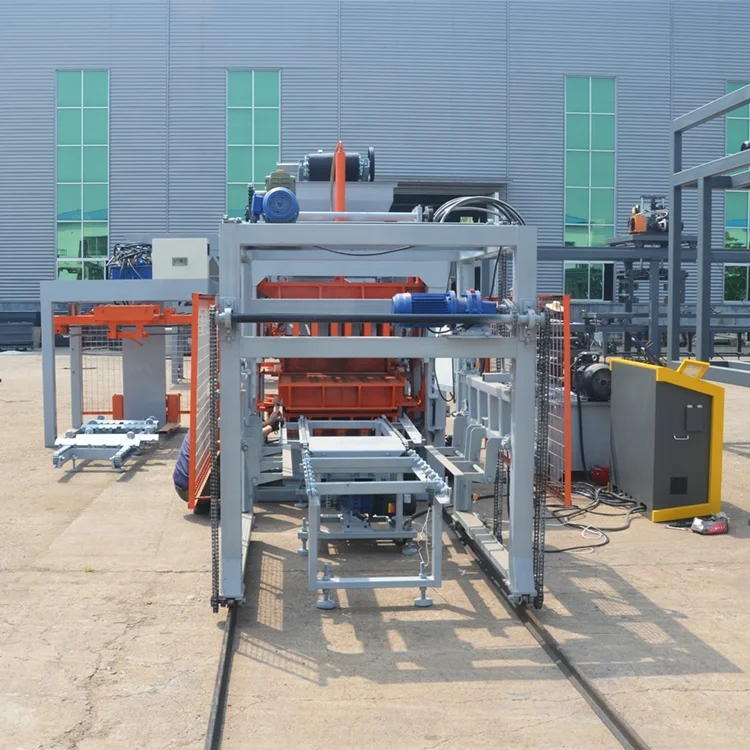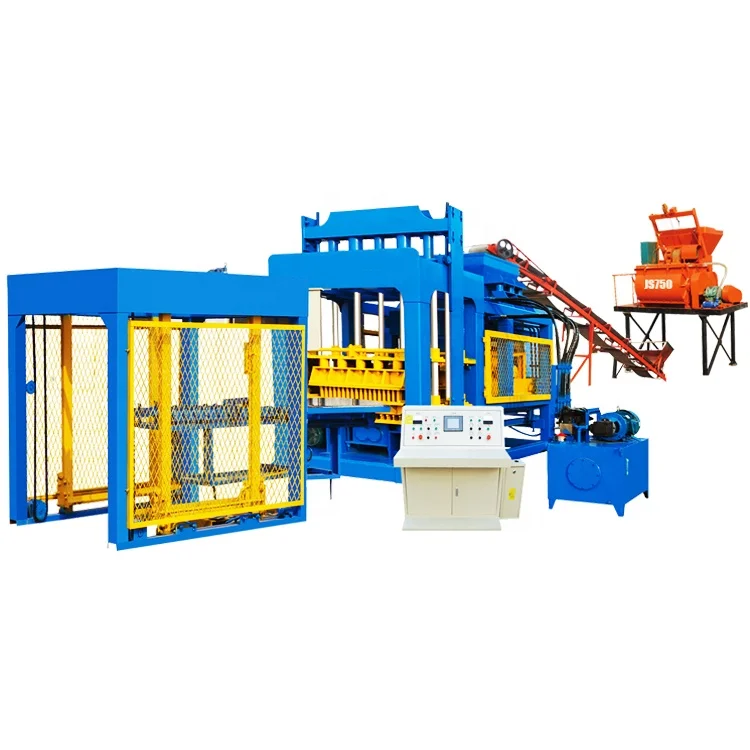
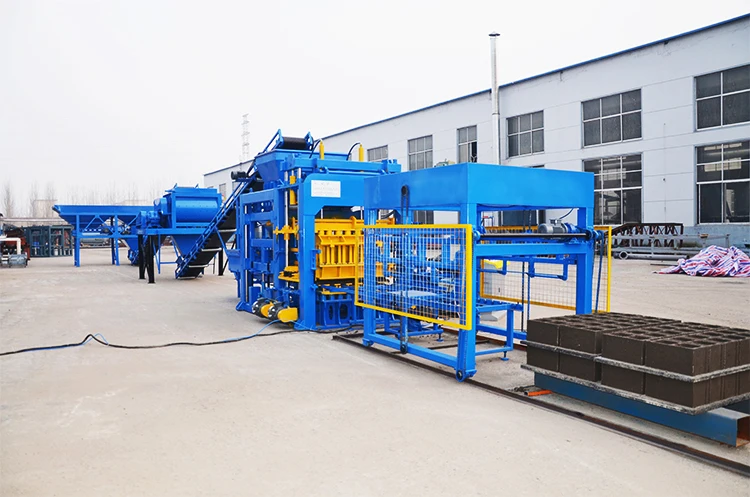
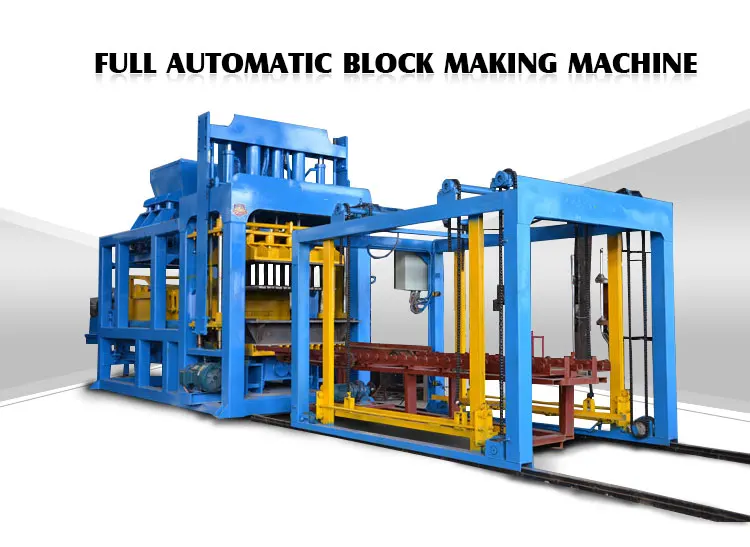
Description
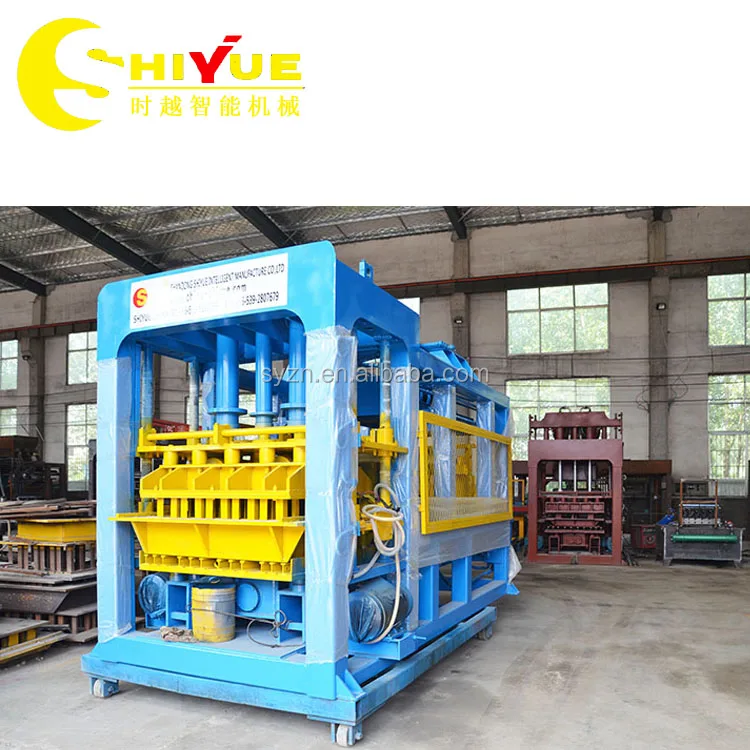
Stocked and ready to ship — QT12-15 units held in inventory so dispatch scheduling begins the day the container plan is confirmed, not weeks after a custom build starts.
Technical Specifications
| Parameter | Value |
|---|---|
| Model | QT12-15 |
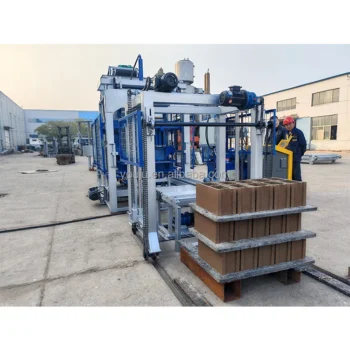
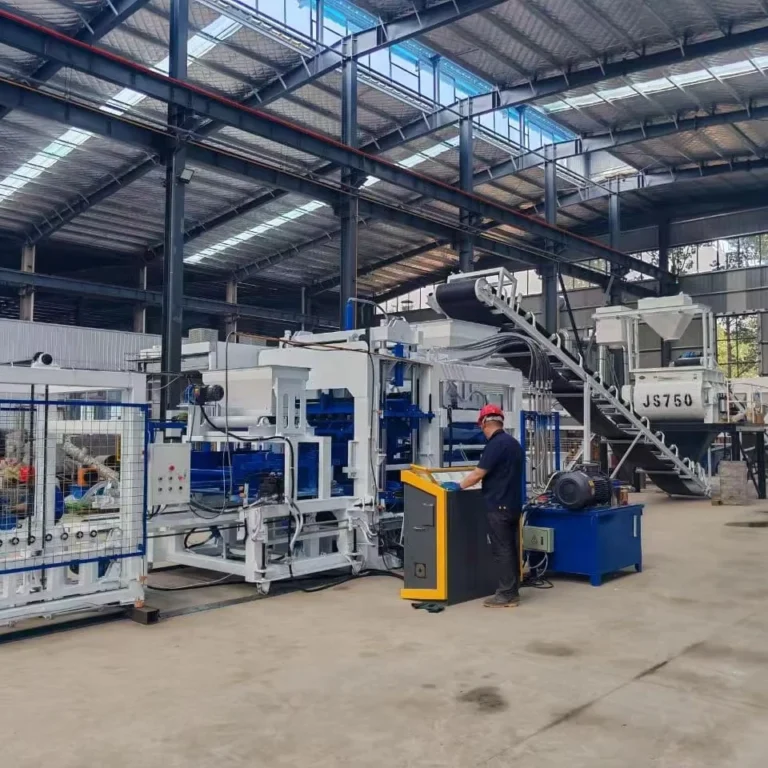
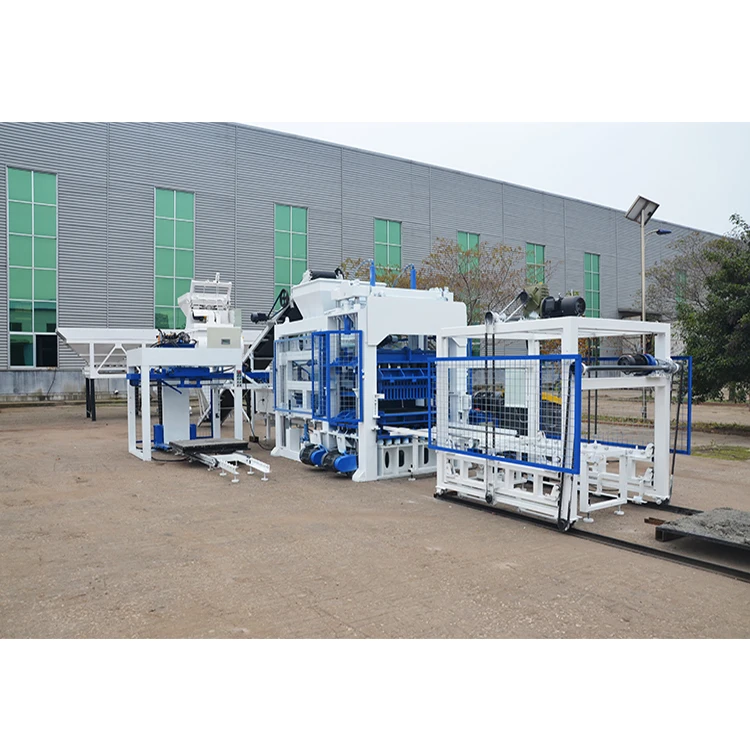
| Product Type | Fully Automatic Stationary Block Making Machine |
| Rated Power | 44.58 kW |
| Voltage & Frequency | Configurable to local supply (basis to be confirmed before order) |
| Control System | PLC with computer fault diagnosis system |
| Overall Dimensions (L×W×H) | 9350 × 2520 × 2950 mm |
| Net Weight | 11,000 kg |
| Pallet Size | 1300 × 900 mm |
| Output — Hollow Block | 21,600 pcs/day based on 400×200×200 mm, 12 pcs/mould, 20–25 s cycle |
| Output — Porous Block | 72,000 pcs/day based on 240×115×90 mm, 30 pcs/mould, 15–20 s cycle |
| Output — Standard Block | 144,000 pcs/day based on 240×115×53 mm, 60 pcs/mould, 15–17 s cycle |
| Molding Cycle | 15–25 s depending on block format and material (basis to be confirmed) |
| Hydraulic Pressure | 16–21 MPa |
| Vibration Form | Platform vibration |
| Applied Products | Hollow blocks, solid blocks, pavers, interlocking blocks, kerbstones, colored pavers |
| Raw Materials | Crushed stone, sand, cement, fly ash, gravel, slag, dust |
| Warranty | 1 year (except wearing parts) |
| Standards | CE, ISO |
Application Suitability
| Application | Material or Output |
|---|---|
| High-volume hollow block production for housing projects | Crushed stone, sand, and cement on 400×200×200 mm format |
| Porous and permeable block runs for municipal paving | Fly ash blends and fine aggregate on 240×115×90 mm format |
| Standard solid brick output for masonry walls | Cement and gravel mix on 240×115×53 mm format |
| Interlocking paver and kerbstone production | Colored concrete mixes with pigment dosing |
| On-site block production for infrastructure contractors | Local aggregate and cement with mobile batching |
What "In Stock" Actually Means for Your Project Timeline
A QT12-15 stationary block machine in stock fast delivery is only useful if the voltage, language, and container plan are confirmed before the machine leaves the yard.
Buyers chasing a project deadline often receive a lead time that counts from order confirmation, not from the moment the machine is physically ready to load. I have watched contractors lose weeks because a machine sat on the factory floor waiting for a voltage transformer or a PLC language pack that should have been sorted during the inquiry stage [NEED_CITE: common delays in industrial equipment export commissioning]. The real lead time is measured from container door seal to port arrival, and every day spent reconfiguring after landing is a day the block line stands idle.
Dispatch Readiness and Container Loading
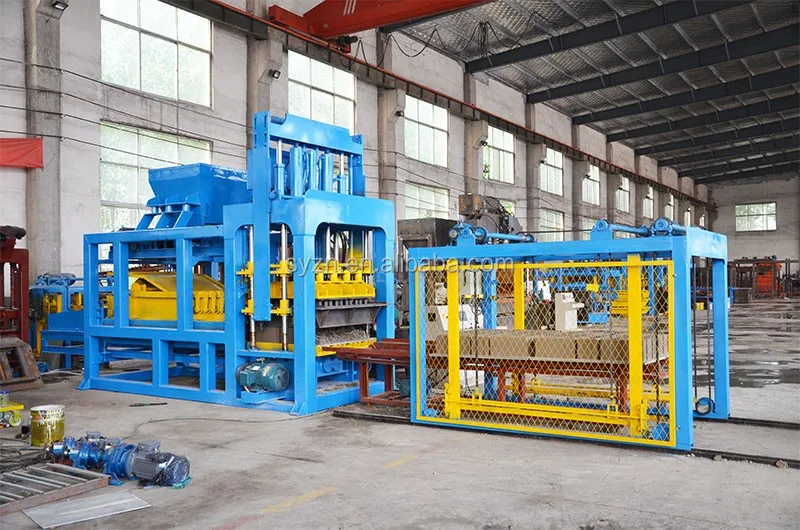
The QT12-15 stationary block machine in stock fast delivery ships as a dismantled set of major assemblies — main frame, hydraulic station, vibration platform, and control cabinet — each secured for ocean freight. At 11,000 kg net weight and 9,350 mm in length, the machine typically requires careful container planning to ensure the main press and pallet feeder fit within standard flat-rack or open-top configurations. Dispatch lead time is quoted from the day the voltage and PLC language are locked in, not from the day the purchase order is signed.
Arrival Estimate Quoted Before You Commit
Buyers working against a construction deadline need an arrival estimate that accounts for sailing days, port congestion, and inland haulage [NEED_CITE: typical ocean freight transit variables for heavy machinery]. We provide an upfront arrival window based on the destination port and current shipping schedules so the contractor can align foundation work, raw material delivery, and operator availability to the machine’s actual landing date rather than a best-case guess.
Reading the Specification Sheet Against Your Site Conditions
The 1300 × 900 mm pallet size determines the curing rack layout and forklift capacity the buyer must have in place before the machine arrives. Hydraulic pressure in the 16–21 MPa range, combined with platform vibration, sets the compaction density for each block format — meaning the mix design and local aggregate gradation must be matched to these forces, not the other way around. The PLC fault diagnosis system requires the display language to be confirmed pre-shipment so operators can read alarms on day one. A 44.58 kW rated power draw also means the site electrical supply must include a dedicated circuit with adequate breaker capacity, verified before the container is booked.
The Cost of Overlooking Pre-Shipment Confirmation
When voltage and frequency are left unconfirmed, the machine arrives at a site where the local grid does not match the motor winding, and the entire block line waits for a transformer that may take its own multi-week lead time [NEED_CITE: voltage mismatch consequences for imported industrial machinery]. I have seen pallets ordered in one size while the curing yard was built for another, forcing hand-stacking until replacement pallets arrive. Language on the PLC screen may seem minor until an operator misreads a fault code and shuts the press down for hours instead of clearing a sensor blockage in minutes.
Why Source This Machine Through Our Stock Channel
Block machinery is our single focus, which means the QT12-15 is specified alongside its moulds, pallets, and handling equipment as one matched set rather than a press sold in isolation. Voltage and control language are confirmed during the order stage so commissioning starts on arrival, not after a round of field modifications. Factory test records are run against the buyer’s target block format before the machine is dismantled for loading, giving confidence that cycle times and block dimensions are verified. Standard moulds for common formats are stocked alongside the press, reducing the gap between machine arrival and first production run. Packing photographs and customs documentation are prepared before dispatch so the import process moves without unnecessary holds.
Documentation & Verification
- Factory test record showing cycle time on your specified block format before dismantling
- Voltage, frequency, and PLC language confirmation sheet signed off prior to dispatch
- CE declaration matching the exact QT12-15 configuration being shipped
- Mould drawing and format list for every mould included in the shipment
- Packing photographs documenting container loading and securing method
Installation, Commissioning & Support
- Foundation plan sized to the 9,350 × 2,520 mm footprint and dynamic vibration loads
- Dedicated electrical circuit verified against the 44.58 kW rated power and local voltage
- Dismantled assemblies reassembled on-site with alignment checks on the vibration platform
- PLC fault diagnosis system tested with operator in the confirmed display language
- First production run supervised until target block format meets dimensional tolerance
- Wear parts and mould inventory list handed over with recommended reorder intervals
What We Need to Quote Your Delivery Window
To give you a realistic arrival estimate, share your destination port, local voltage and frequency, and the block formats you plan to run first. If you already have curing racks and forklifts on site, send the pallet dimensions you are using so we can confirm compatibility with the 1300 × 900 mm standard. Let us know the PLC display language your operators require so the control panel is configured before the machine leaves the factory.
Frequently Asked Questions
Q: Which QT12-15 units are currently in stock and what is the dispatch lead time?
A: Stocked units are standard QT12-15 configurations ready for dismantling and container loading. Dispatch lead time is counted from the day voltage, frequency, and PLC language are confirmed — not from order date alone. We quote the dispatch date in writing once these items are locked in, so your project schedule has a firm reference point.
Q: How is the QT12-15 dismantled for shipment and how many containers are needed?
A: The machine is broken into major assemblies — main frame, hydraulic station, vibration platform, and control cabinet — each secured for ocean freight. Container count depends on the mould and pallet quantity included in your order. We provide a container loading plan with packing photographs before the container doors are sealed.
Q: Can I get an upfront arrival estimate before placing the order?
A: Yes. Once we know your destination port, we calculate sailing days and current shipping schedules to provide an arrival window before you commit. This lets you align site preparation, raw material ordering, and operator availability to the actual expected landing date rather than working from assumptions.
Q: Are standard moulds for the QT12-15 stocked or made to order?
A: Moulds for common hollow, solid, and paver formats are held in stock alongside the machine. Non-standard or custom formats are built to buyer drawings and carry their own lead time, which we quote at the inquiry stage so you know the full timeline before committing.