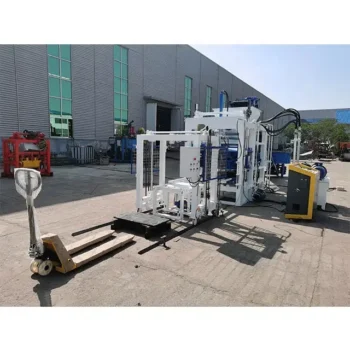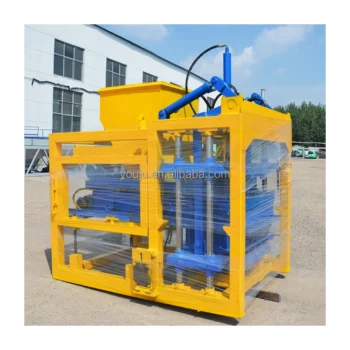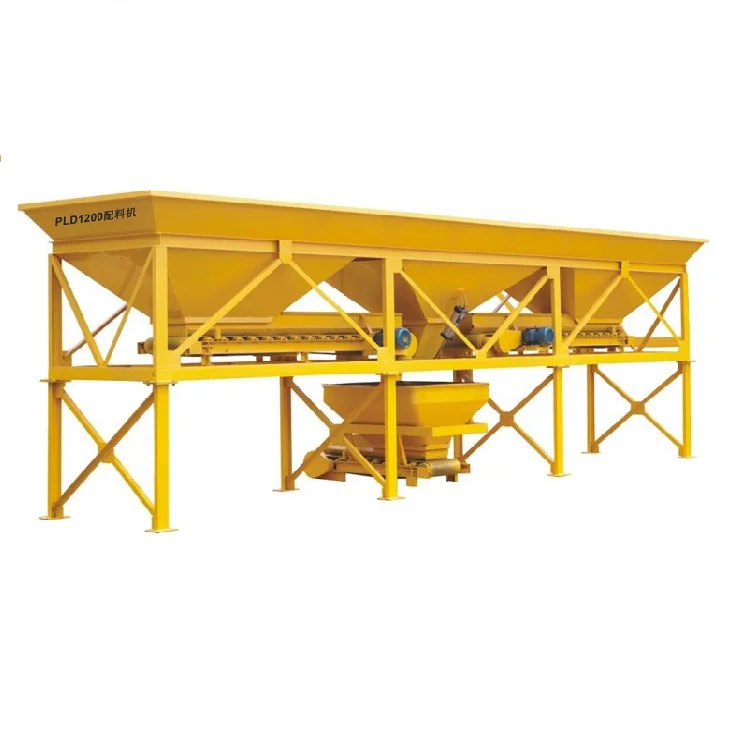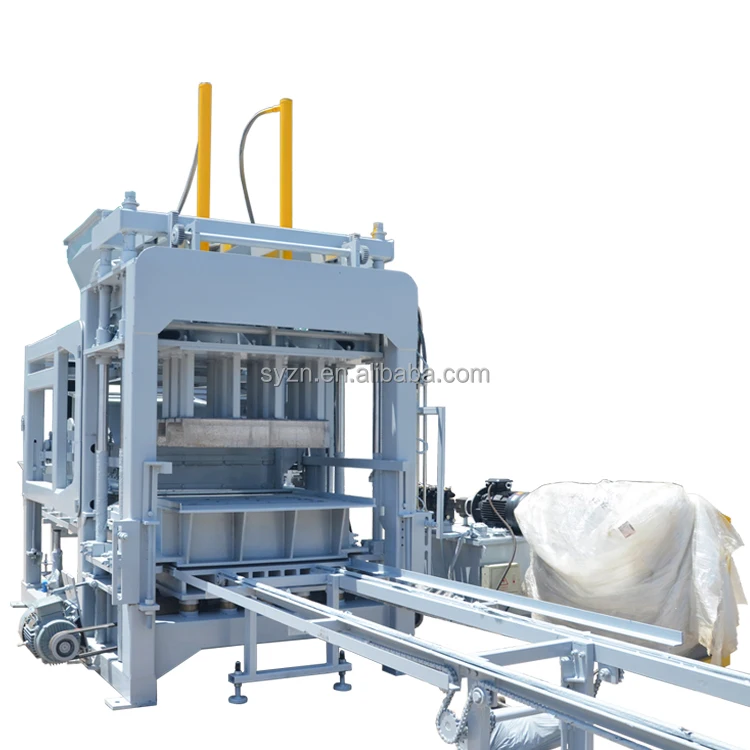
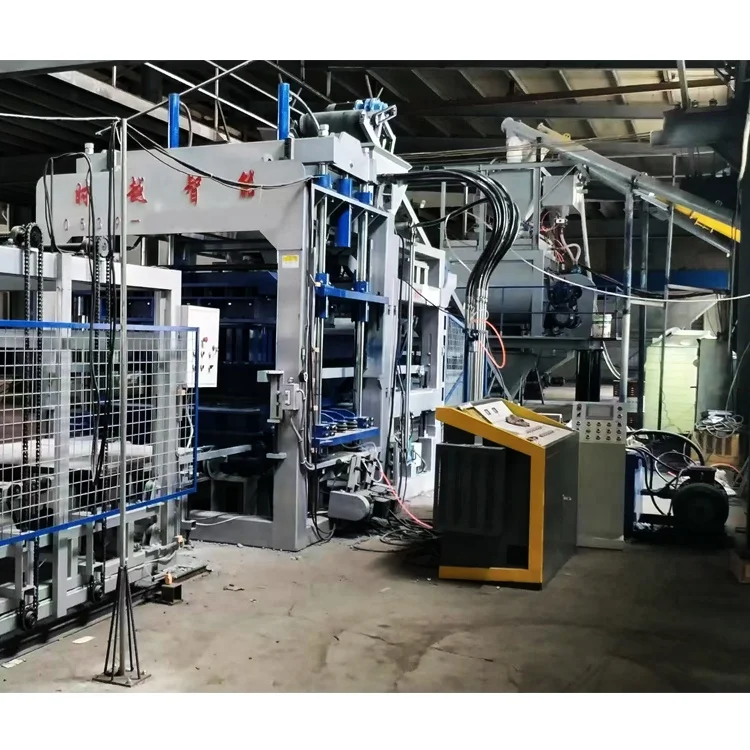

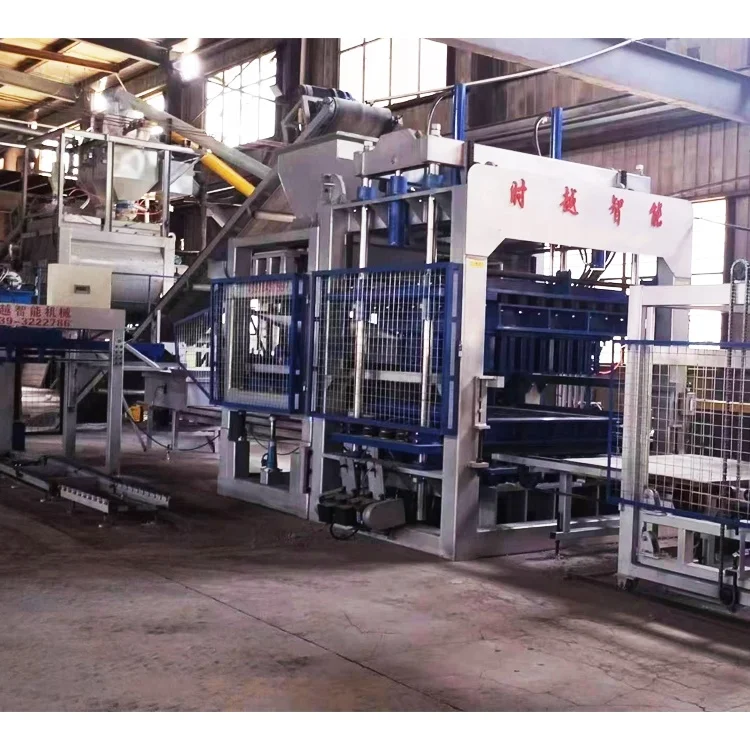
Description
Stock Dispatch Readiness — container loading plans and dispatch lead times confirmed before order placement, so the QT15-15 fully automatic block production line arrives aligned with your project schedule rather than delayed by last-minute dismantling surprises.
Technical Specifications
| Parameter | Value |
|---|---|
| Model | QT15-15 |
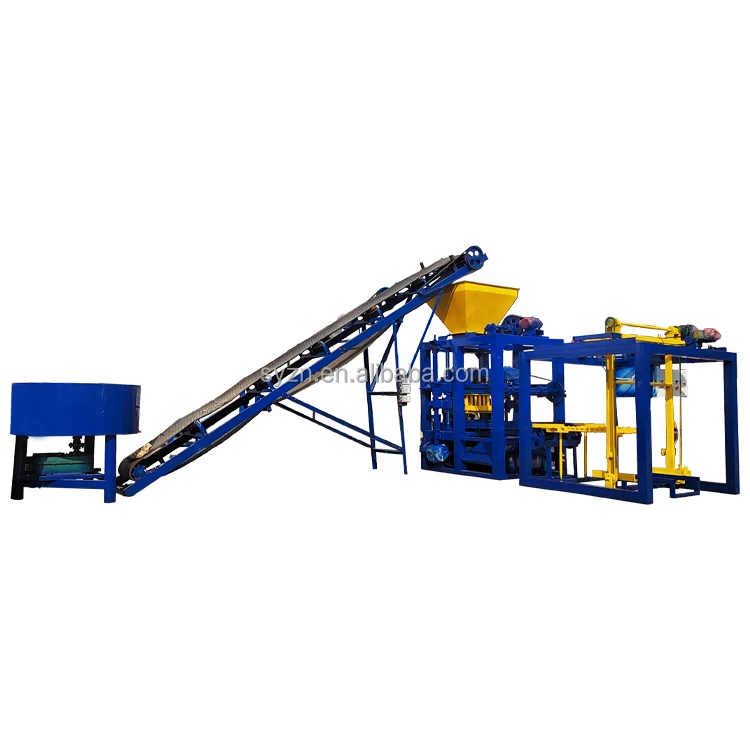
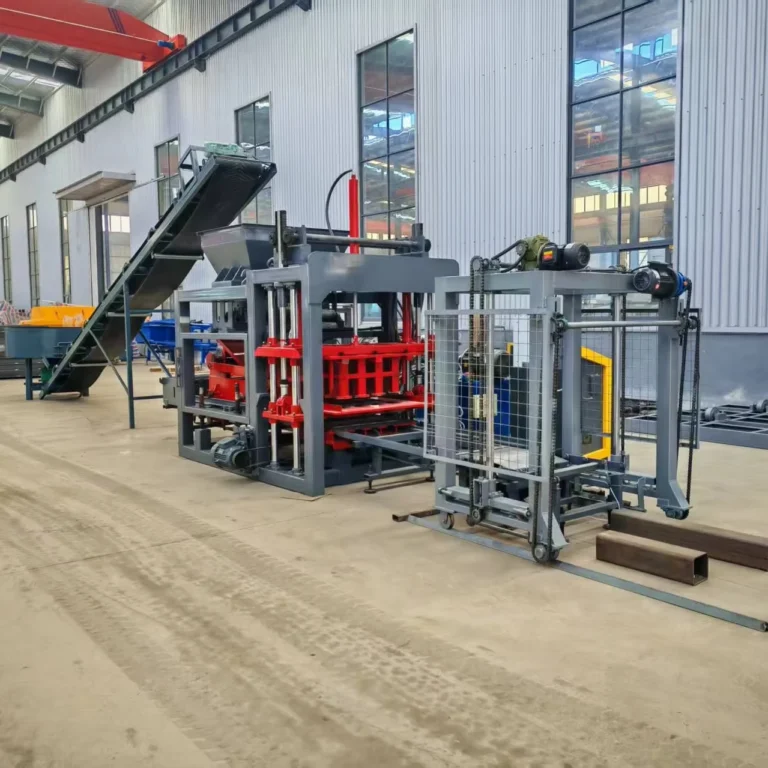
| Product Type | Fully Automatic Concrete Block Production Line |
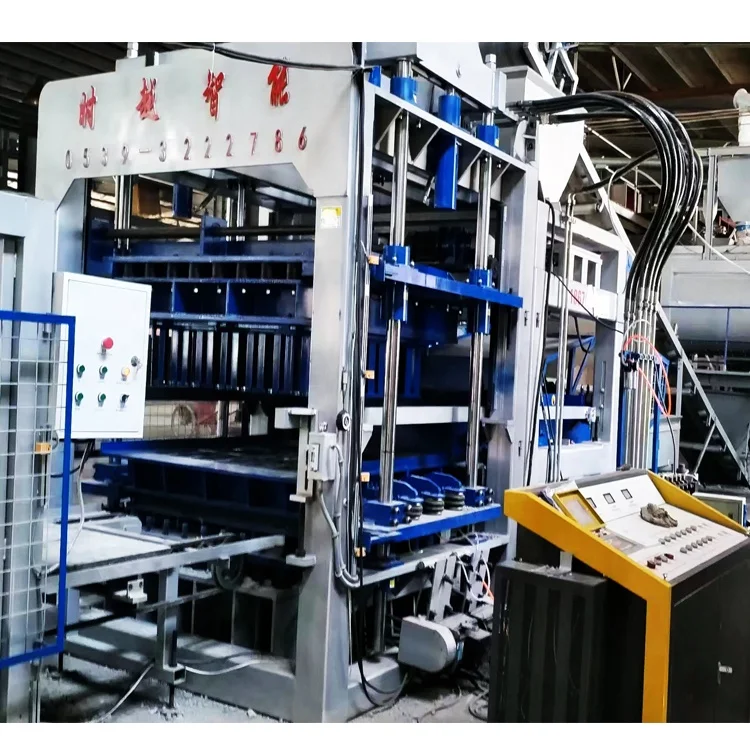
| Control System | PLC aptitude control with human-machine interface dialogue system |
| Vibration System | High-efficient super-strong vibration, vertically synchronous vibration, frequency conversion and braking, synthetic output compounded with double vibration sources |
| Hydraulic System | Computer control flow pressure, special hydraulic loading unit |
| Feeding System | Semi-closed screen reticular rotational feeding unit, forced feeding with evenness and even speed |
| Steel Structure | Super-strong steel structure with imported original parts |
| Automation Level | Fully automatic, mass production |
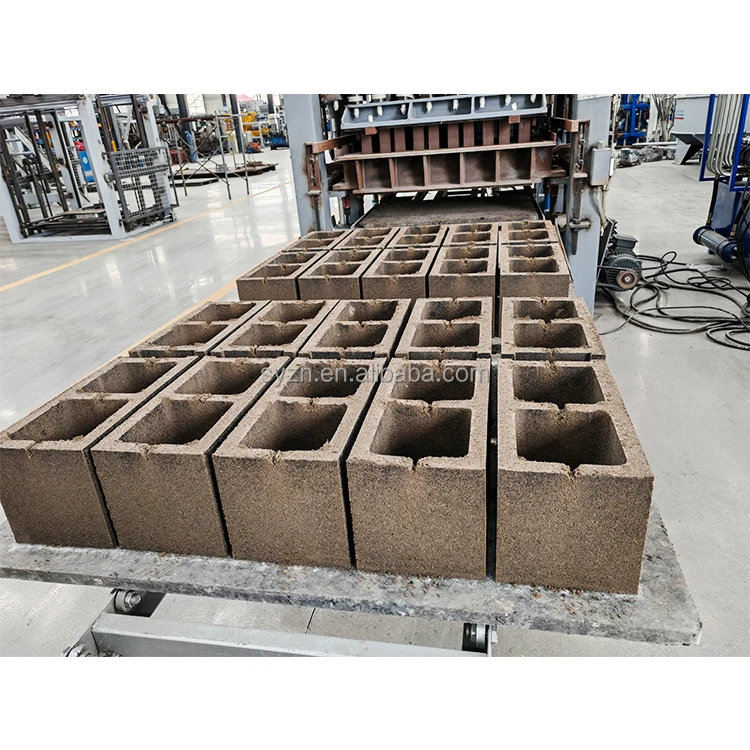
| Output Capacity (Hollow Block 400×200×200mm) | 2700–3600 pcs/hour, 21600–28800 pcs/8hr |
| Output Capacity (Solid Brick 240×115×50mm) | 14400–19200 pcs/hour, 115200–153600 pcs/8hr |
| Molding Cycle (Hollow Block 400×200×200mm) | 15–20s, 15 pcs/mould |
| Molding Cycle (Solid Brick 240×115×50mm) | 15–20s, 80 pcs/mould |
| Mould Formats | Hollow block, solid brick (additional formats available on request) |
| CE Declaration | Available where applicable, confirm for destination market |
Application Suitability
| Application | Material or Output |
|---|---|
| Large-scale hollow block production plants | Crushed stone, cement, sand, fly ash aggregates |
| High-capacity solid brick manufacturing | Cement-bound sand and crushed aggregate blends |
| Paver block and porous block lines | Graded aggregate with cement and mineral pigments |
| On-site temporary block production for construction projects | Locally sourced aggregate with portable batching setups |
| Building material distributor import operations | Standard hollow and solid formats for regional resale markets |
Why "In Stock" Matters More Than the Brochure Capacity Number
A fully automatic block machine in stock fast delivery is only meaningful if the container loading plan, dismantling scheme, and arrival estimate are confirmed before you sign.
Project deadlines do not wait for production queues. Buyers who commit to a block line based on catalogue lead times often discover that the host machine exceeds standard container internal height, forcing an unplanned split-body shipment that adds weeks to the transit schedule [NEED_CITE: standard container internal dimensions and loading constraints for heavy machinery]. I have watched contractors miss milestone payments because the press was still sitting in a factory workshop while the curing yard was already built and waiting. The QT15-15 is a large-format press, and its main frame must be evaluated against 40-foot high-cube container door clearances before dispatch. When stock is available and the dismantling drawing is approved up front, the gap between order and port arrival shrinks to the transit window alone.
Dispatch Timing and Container Loading for the QT15-15
Stocked QT15-15 units and standard mould sets are held ready so that buyers working against project milestones can lock in a shipping date rather than a production start date. The main press frame, hydraulic station, and PLC cabinet are each mapped to a specific container position, with dismantling joints designed so that reassembly on site follows a numbered sequence. A fully automatic block machine in stock fast delivery only delivers its promise when the loading photographs and container seal number reach the buyer before the vessel sails.
Arrival Estimates and Port-Side Coordination
Transit time depends on the destination port and vessel schedule, but the dispatch side is what we control. Once the factory test record is signed and the packing photographs are shared, the container moves to port within the agreed window [NEED_CITE: typical ocean freight transit windows by major trade lane]. Buyers receive the bill of lading draft, packing list, and commercial invoice in advance so that customs clearance at the destination can begin before the container arrives. This is how a fully automatic block machine in stock fast delivery stays on track past the factory gate.
Reading the Specs That Actually Shape Your Output
The QT15-15 vibration system uses double vibration sources with vertical synchronous action and frequency conversion braking. In practice, this means the vibration force is distributed through both the mould table and the press head, compacting the concrete mix from two directions and producing denser blocks with shorter cycle times. The hydraulic system applies computer-controlled flow pressure through a dedicated loading unit, which keeps pressing force consistent across every cycle regardless of ambient temperature or oil viscosity shifts during a long shift. The semi-closed screen reticular rotational feeding unit forces material into the mould cavity at a controlled rate, reducing the variation in block weight from the first piece to the last. Together, the vibration force and hydraulic pressure must be matched to the buyer’s specific mix design and local aggregate grading; a configuration set for river sand will underperform with crushed volcanic scoria. The PLC human-machine interface dialogue system gives operators a clear view of cycle parameters, fault signals, and production counts in the confirmed display language.
The Cost of Skipping the Container Measurement Step
When a buyer confirms an order without verifying container internal dimensions against the host machine frame, the result is a mid-process redesign of the shipment plan. The QT15-15 main frame is tall enough to require careful orientation or partial dismantling for a 40-foot high-cube container, and discovering this after the machine is crated means re-crating, re-scheduling the booking, and potentially missing the vessel cutoff [NEED_CITE: container loading failures due to dimensional oversight in heavy machinery exports]. The delay is not measured in days but in missed project milestones, idle curing yards, and contractor penalty clauses that activate on the construction side.
Why Procurement Through This Channel Works
Every QT15-15 leaving the workshop is configured against the buyer’s actual block format, local aggregate, and target daily output rather than shipped as a catalogue default. Moulds are designed and manufactured for the formats the buyer’s market sells, including custom drawings when standard formats do not match local building codes. The machine, mould, pallet, and handling equipment are specified as one matched system, eliminating the mismatch that occurs when components are sourced from separate suppliers. Automation level is selectable, allowing a buyer to start with the QT15-15 fully automatic line and adjust pallet handling or stacking configurations as the plant matures. Factory testing replicates the buyer’s confirmed mix design before the machine is dismantled for packing.
Documentation & Verification
- Factory test record on your confirmed hollow block and solid brick format before dispatch
- Machine specification sheet with voltage, frequency, and PLC display language locked to destination
- Mould drawing and format list covering every block type included in the quotation
- Container loading photographs showing dismantling joints and bracing before seal closure
- Packing list and customs documentation prepared to match destination import requirements
- Operation and maintenance manual with wear parts and mould replacement schedule
Installation, Commissioning & Support
- Foundation drawing issued with QT15-15 host weight and vibration isolation pad positions marked
- Power supply confirmation for PLC cabinet and hydraulic station voltage before container departure
- Dismantling joints numbered for QT15-15 reassembly sequence matching container loading order
- First-run commissioning with mix design adjustment to match local aggregate and target block strength
- Operator training on PLC human-machine interface dialogue system in confirmed display language
- Wear parts list and mould inventory for first replacement cycle included with shipment
What to Prepare Before Requesting a Quote
Send us the block formats your market requires, the daily output you need to hit, and the aggregate materials available at your site. Include your workshop ceiling height, container access road conditions, and the voltage and frequency standard at your facility so that the QT15-15 configuration and shipment plan can be confirmed in one pass.
Frequently Asked Questions
Q: What does the stated output capacity assume for the QT15-15?
A: The output figures are tied to specific block formats. For 400×200×200mm hollow blocks, the rated capacity is 2700–3600 pieces per hour based on 15 pieces per mould and a 15–20 second cycle. For 240×115×50mm solid bricks, the figure is 14400–19200 pieces per hour at 80 pieces per mould on the same cycle range. Any other format requires its own per-mould count and cycle calculation.
Q: Which QT15-15 units and moulds are available from stock right now?
A: Stock availability covers standard QT15-15 host machines and the most common hollow block and solid brick mould sets. Custom mould formats and non-standard pallet sizes require a production lead time. Confirm your required formats early so we can tell you immediately what is ready to ship and what needs to be built.
Q: How is the QT15-15 loaded into containers, and what is the arrival timeline?
A: The main press frame is dismantled at designed joints and loaded into 40-foot high-cube containers with a numbered reassembly sequence. Dispatch lead time depends on stock status and destination port. We provide container loading photographs, the vessel booking confirmation, and an arrival estimate before the container leaves the factory yard.
Q: Can the voltage and PLC display language be matched to my country before shipping?
A: Yes. Voltage, frequency, and PLC interface language are confirmed during the order stage and verified during the factory test. The QT15-15 control system supports multiple display languages, and the electrical configuration is set to your site standard so that commissioning can begin immediately upon arrival without rewiring.
Q: What support is included after the QT15-15 arrives at my site?
A: Installation guidance follows the numbered dismantling sequence. Commissioning includes mix adjustment to your local aggregate and target block strength, and operator training covers the PLC dialogue system. A wear parts list and first replacement mould inventory ship with the machine so production can continue without waiting for parts orders.