
Description
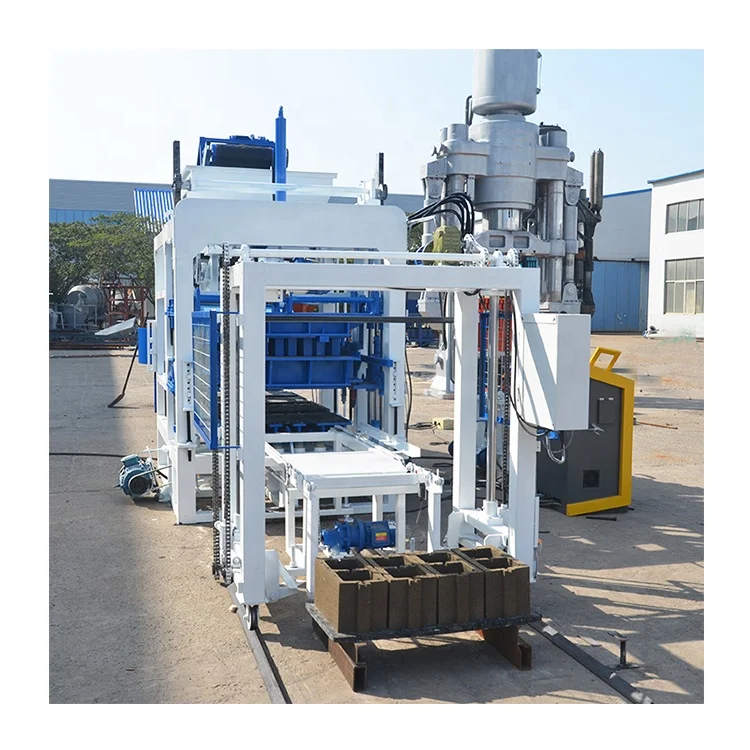
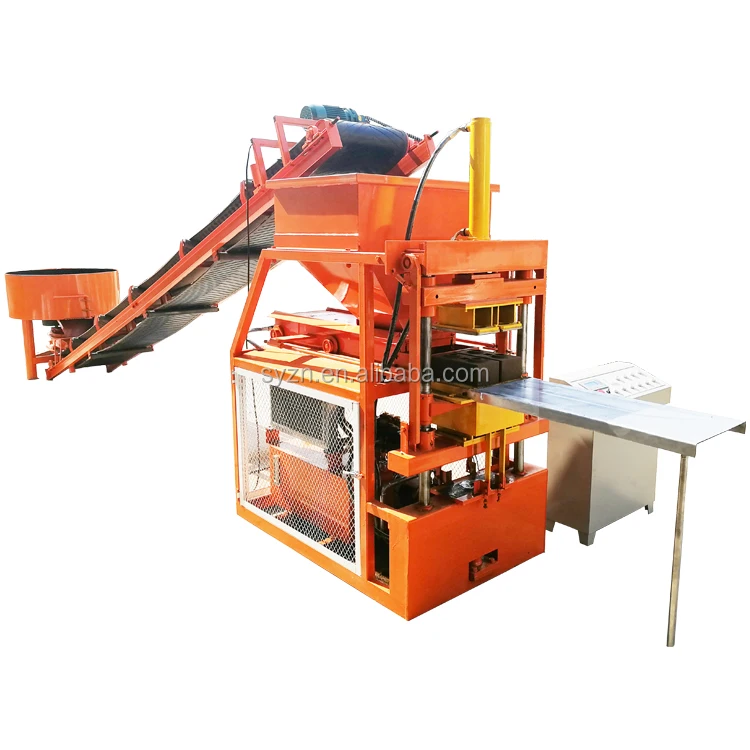
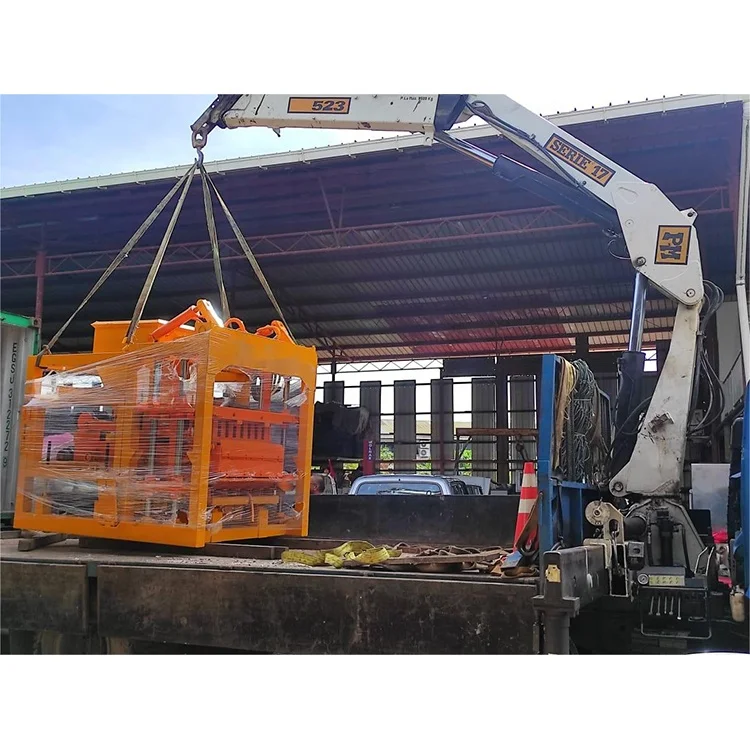
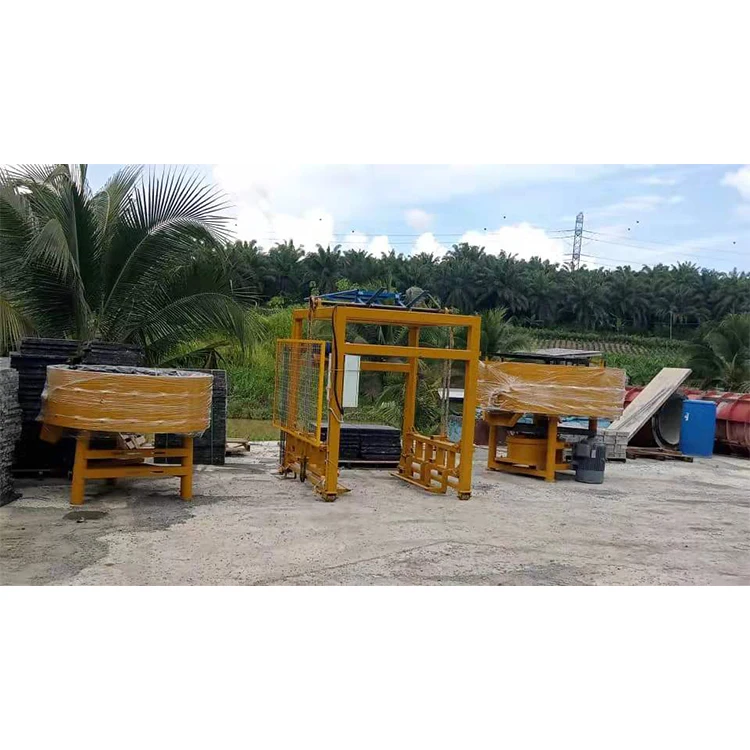
Dispatch-Ready Configuration — every QT4-15A block making machine leaves our yard with hydraulic station, PLC panel, pallet feeder and conveyor matched and crated together, so one container delivers one complete line.
Technical Specifications
| Parameter | Value |
|---|---|
| Model | QT4-15A |
| Product Type | Automatic Hydraulic Block Making Machine |
| Overall Dimensions (L×W×H) | 7100×1600×2610 mm |
| Molding Cycle | 15–25 s (basis not stated in source — confirm block format and material) |
| Vibration Frequency | 4600 r/min |
| Vibration Force (Exciting Power) | 40–50 kN |
| Total Power | 18.45 kW |
| Mixer Model | JQ350 |
| Pallet Size | 850×550×25 mm |
| Total Weight | 3 T |
| Control System | PLC control system |
| Hydraulic Station | Included |
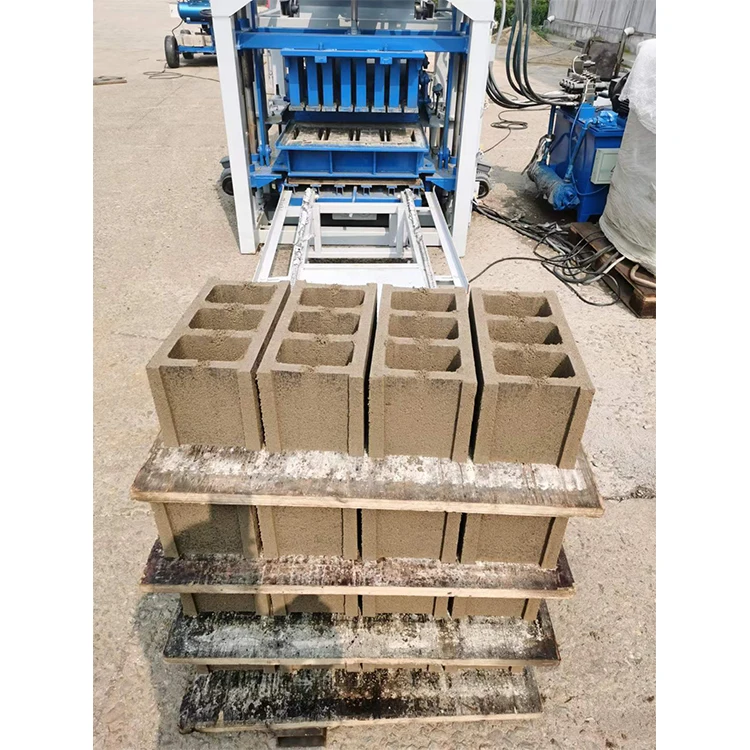
| Output Capacity — Hollow Block 400×200×200 mm | 4 pcs/mould, 408 pcs/h, 3264 pcs/8 hr |
| Output Capacity — Hollow Block 400×150×200 mm | 5 pcs/mould, 510 pcs/h, 4080 pcs/8 hr |
| Output Capacity — Solid Brick 240×115×53 mm | 18 pcs/mould, 2100 pcs/h, 17000 pcs/8 hr |
| Included Equipment | Block making machine, hydraulic station, PLC control system, pallet feeder, brick conveyor, block sweeper |
| Free Accessories | Manual hydraulic trolley, spare parts and tools |
| Voltage & Frequency | To be confirmed before order |
| Automation Level | Automatic (with PLC) |
| Applied Products | Paver, solid block, hollow block, curbstone |
| Raw Materials | Crushed stones, sand, cement, dust, fly ash |
Application Suitability
| Application | Material or Output |
|---|---|
| Hollow block production for masonry walls | Crushed stone, sand, cement, fly ash — 400×200×200 mm and 400×150×200 mm formats from stock moulds |
| Solid brick manufacturing for load-bearing structures | Cement and sand mix — 240×115×53 mm standard format |
| Paver and curbstone production for infrastructure | Crushed stone and cement — standard moulds available, custom formats on request |
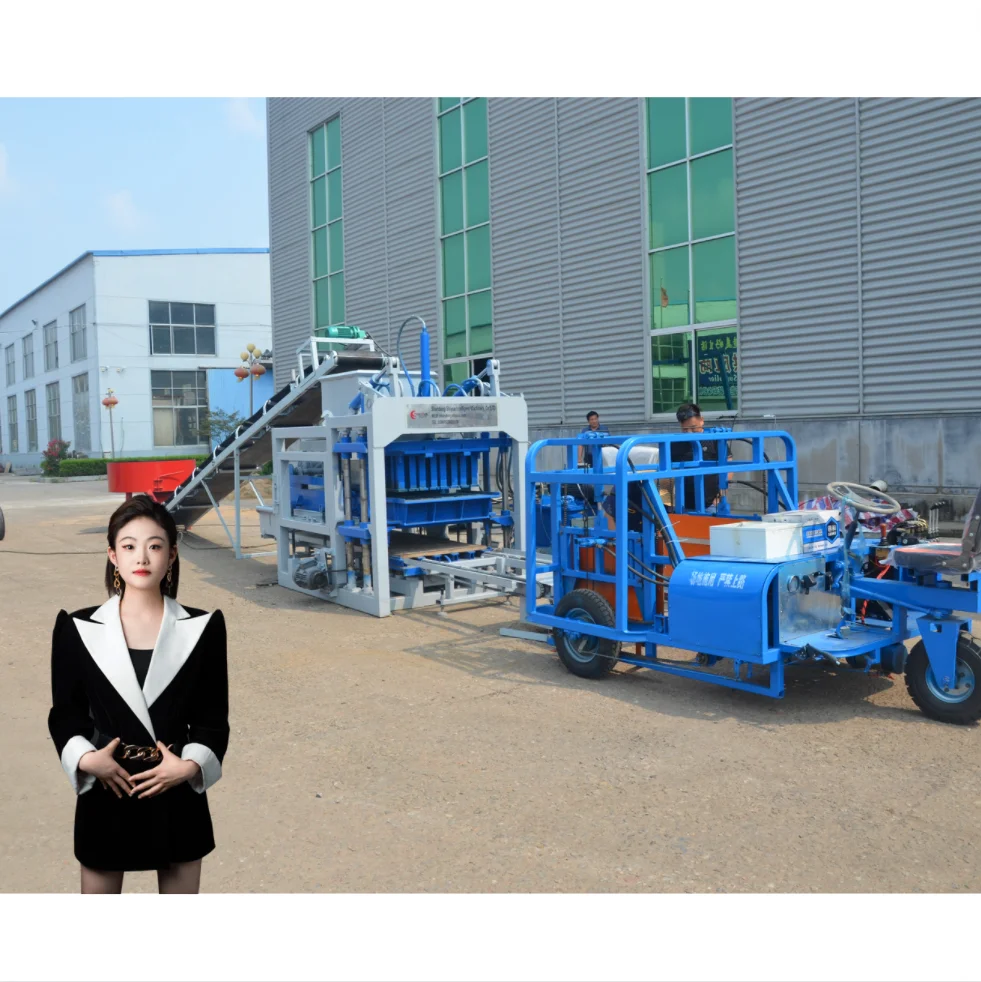
| On-site block production for housing projects | Local aggregate with cement binder — mobile setup with pallet feeder and conveyor |
Why Voltage Confirmation Must Come Before Dispatch
A QT4-15A block making machine in stock is only useful if its electrical system matches your site grid. Ordering without confirming voltage and frequency is the single most common reason a machine sits idle after arrival.
I learned this on a job site in Southeast Asia where a contractor took delivery of a machine wired for a standard industrial voltage. When they energized it on the local supply, the main breaker tripped instantly. A replacement variable-frequency cabinet had to be shipped internationally, and the entire crew stood down for weeks while the project deadline slipped. The machine was fine; the specification step was skipped [NEED_CITE: voltage and frequency standards by export market]. With this model drawing 18.45 kW across its hydraulic and vibration motors, even a small mismatch in supply frequency will alter the vibration motor speed, shifting the compaction energy and the resulting block density. Confirming the site’s exact voltage, phase configuration, and frequency before the QT4-15A leaves the factory is not paperwork — it is the difference between commissioning on day one and waiting weeks for an electrical panel.
What Ships in One Container
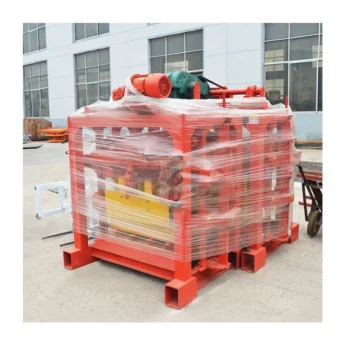
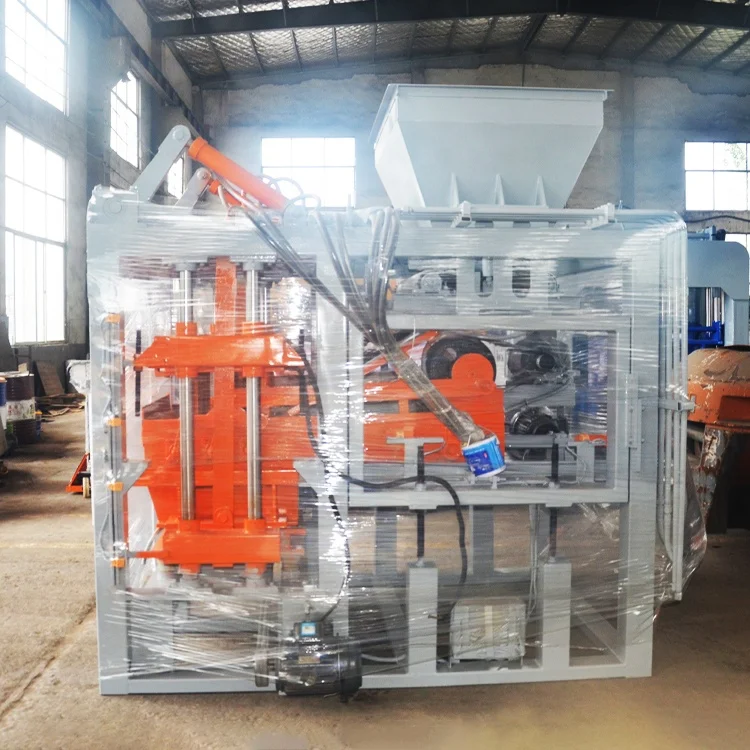
The QT4-15A block making machine is packed nude into a standard 20GP container along with its hydraulic station, PLC control cabinet, pallet feeder, brick conveyor, and block sweeper. Approximately 500 pieces of production pallets at 850×550×25 mm are loaded in the same container, meaning your curing racks and forklift setup can be dimensioned against a confirmed pallet size before the vessel docks. Nothing arrives in a second shipment that you need for the first production run.
Standard Moulds Available From Stock
Hollow block moulds for 400×200×200 mm and 400×150×200 mm formats, plus a solid brick mould for 240×115×53 mm, are held in stock and ship with the machine. Custom moulds for interlocking pavers, kerbstones, or porous bricks are available on request with a separate lead time. The mould change system allows format switching on the QT4-15A block making machine without specialised tooling, though change-over duration depends on operator familiarity and should be confirmed during commissioning [NEED_CITE: typical mould change procedures for hydraulic block presses].
How Vibration Force and Hydraulic Pressure Shape Block Quality
The 40–50 kN vibration force at 4600 r/min works together with the hydraulic station to compact the mix in the mould cavity. Vibration liquefies the material so it fills the mould corners; hydraulic pressure then densifies it from above. If vibration frequency is too high for a coarse aggregate mix, the material segregates and block faces show stone clustering. If hydraulic pressure is set too low for a dry mix, blocks leave the mould with insufficient green strength and crack during pallet transfer. The PLC control system lets operators store pressure and cycle settings per mould format, so switching from 400×200×200 mm hollow blocks to 240×115×53 mm solid bricks does not mean re-learning the machine from scratch. The JQ350 mixer feeds material at a rate matched to the 15–25 second molding cycle window, keeping the press fed without material backlog on the conveyor.
When Fast Dispatch Becomes a Costly Shortcut
Rushing a QT4-15A block making machine onto a vessel without locking down the PLC display language, the control voltage for solenoid valves, and the exact pallet material specification creates a chain of delays that erases any time saved at the factory gate. Operators facing an unfamiliar interface make setup errors that damage moulds or produce off-spec blocks. Solenoid valves rated for the wrong control voltage fail within the first production shift. Pallets ordered separately in a non-matching material warp under the vibration table and jam the pallet feeder [NEED_CITE: pallet material compatibility with block machine vibration tables]. Every one of these issues is preventable with a short pre-shipment checklist.
Why Buyers Source This Model Through Our Dispatch Desk
Block machinery is our single focus, so the QT4-15A press, mould, pallet, and handling equipment are specified as one matched system rather than assembled from separate suppliers. Machine configuration is set against your actual mix design, local aggregate, and target block format — not a catalogue default that assumes a material you cannot source locally. Mould design covers the formats your market sells, with custom drawings available when standard stock moulds do not cover your product range. The automation level is selectable: start with the included pallet feeder and manual stacking, then add automatic stacking and cubing later without replacing the press. Installation support, commissioning, and operator training are part of the delivery scope, not an optional extra.
Documentation & Verification
- Container loading plan with packing photographs before the QT4-15A leaves the yard
- Voltage, frequency, and PLC display language confirmation sheet signed before production
- Factory test record showing molding cycle on your specified block format
- Mould drawing and format list included in shipping documents
- Hydraulic and electrical schematic for on-site troubleshooting
- Wear parts and spare mould list with part numbers for reordering
Installation, Commissioning & Support
- Foundation pad sized to the 7100×1600 mm footprint with allowance for the pallet feeder extension
- Dedicated power circuit rated for the 18.45 kW total draw, matching confirmed voltage and frequency
- Nude packing dismantled on-site with a standard forklift; no crane required for the 3 T machine weight
- First-run molding cycle set by our technician using your local aggregate and confirmed block format
- PLC display configured to operator language before commissioning begins
- Spare parts and tools kit included; wear part reorder list provided for ongoing supply
Before You Request a Quote
Tell us the block formats your market requires, the daily output you need to hit your project deadline, and the exact voltage and frequency at your site. Share photos of your existing curing area and forklift so we can confirm the 850×550×25 mm pallet size fits your handling setup. If you have a local aggregate source, send a sample description so the JQ350 mixer and vibration settings can be matched before the QT4-15A block making machine ships.
Frequently Asked Questions
Q: Is the QT4-15A currently in stock, and what is the dispatch lead time?
A: Stocked units of the QT4-15A block making machine are held for fast dispatch. Lead time depends on your required voltage configuration and PLC language setting, which must be confirmed before release. Standard electrical setups ship sooner than custom frequency orders. Request current stock status and a firm dispatch date when you submit your inquiry.
Q: How is the machine packed, and how many pallets fit in one container?
A: The QT4-15A is packed nude in a 20GP container. Approximately 500 production pallets at 850×550×25 mm are loaded alongside the press, hydraulic station, PLC cabinet, pallet feeder, conveyor, and sweeper. A container loading plan and packing photographs are provided before shipment so your receiving team can prepare.
Q: Which standard moulds ship with the machine from stock?
A: Hollow block moulds for 400×200×200 mm and 400×150×200 mm, plus a solid brick mould for 240×115×53 mm, are available from stock. Custom moulds for pavers, kerbstones, or other formats require a separate lead time. Confirm your required formats early so the right moulds are ready for dispatch.
Q: What voltage and frequency configurations are available for immediate shipment?
A: Common industrial voltage and frequency combinations can be configured before dispatch. The exact supply at your site must be confirmed with a grid photo or utility specification before the QT4-15A is released from stock, preventing costly delays after arrival.
Q: What spare parts are included, and how soon can replacements ship?
A: A spare parts and tools kit ships free with each QT4-15A, and a manual hydraulic trolley is included. A wear parts list with part numbers is provided in the shipping documents so replacements can be ordered before your first production run ends.