
Description
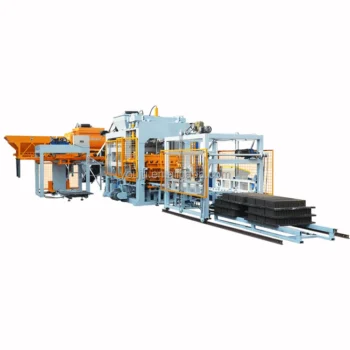
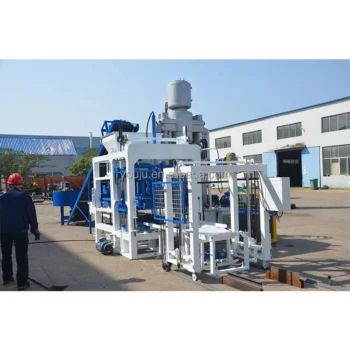
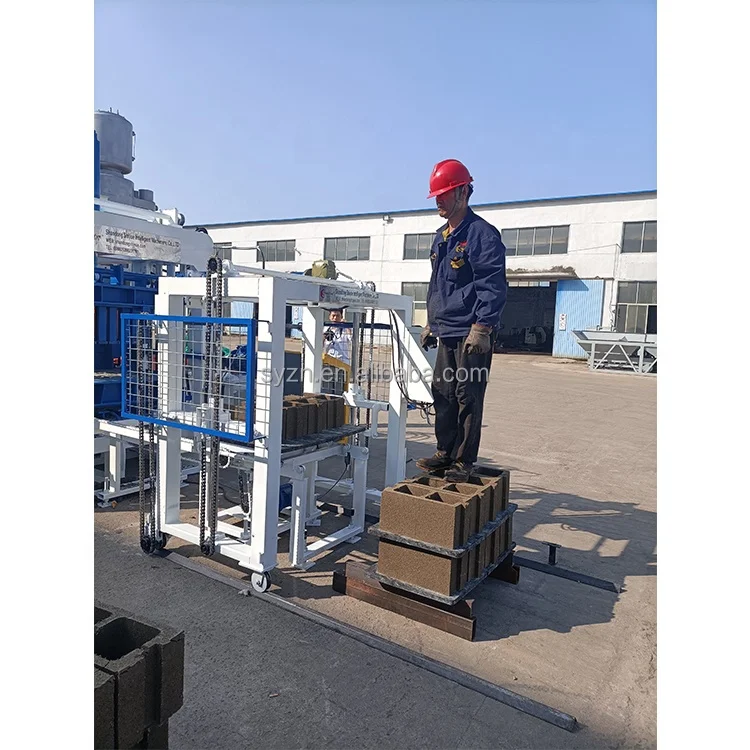
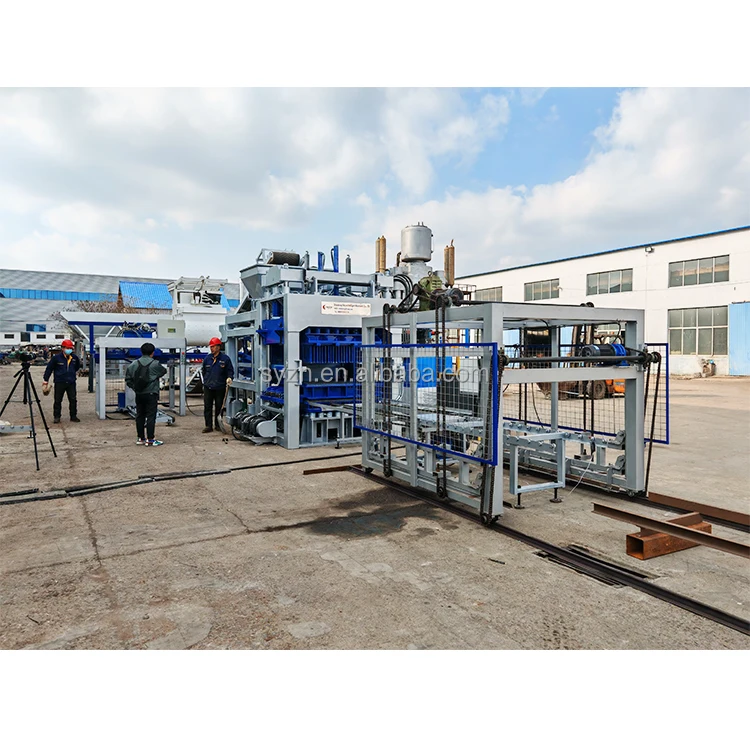
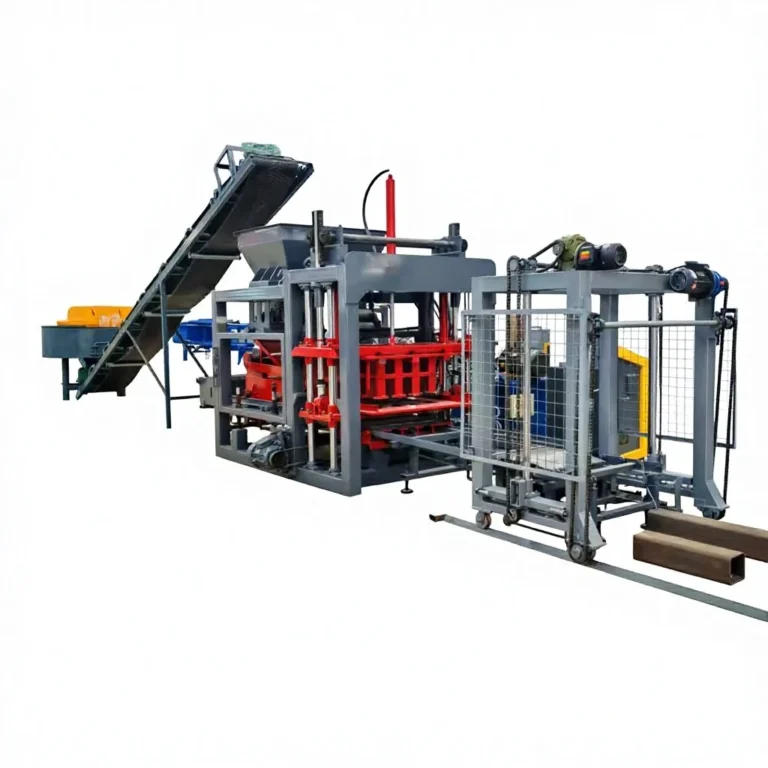
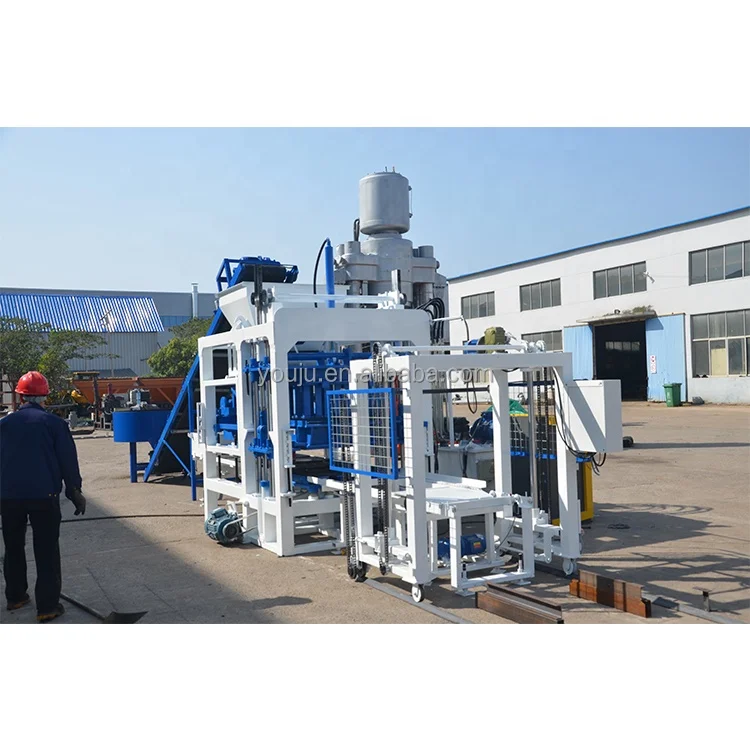
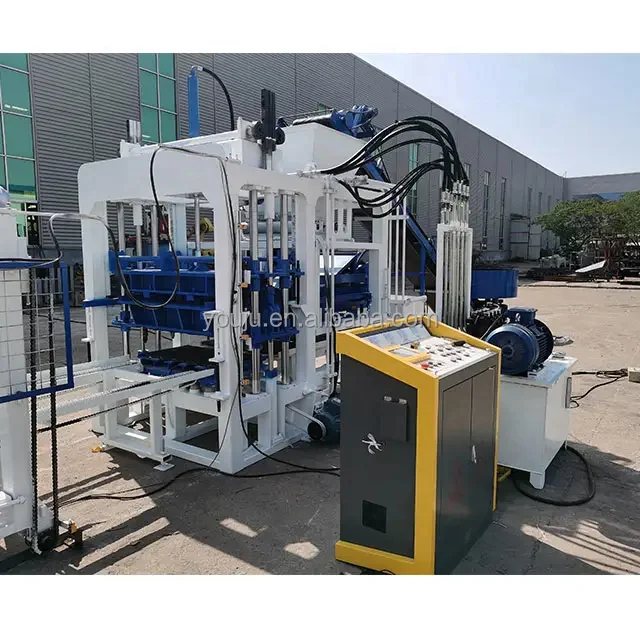
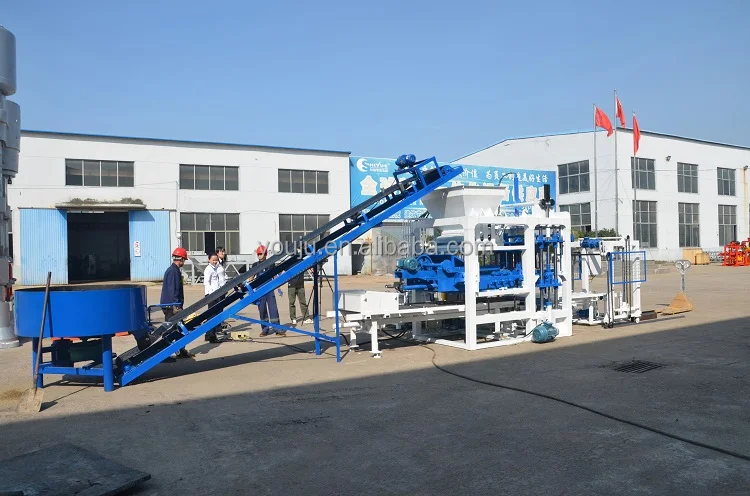
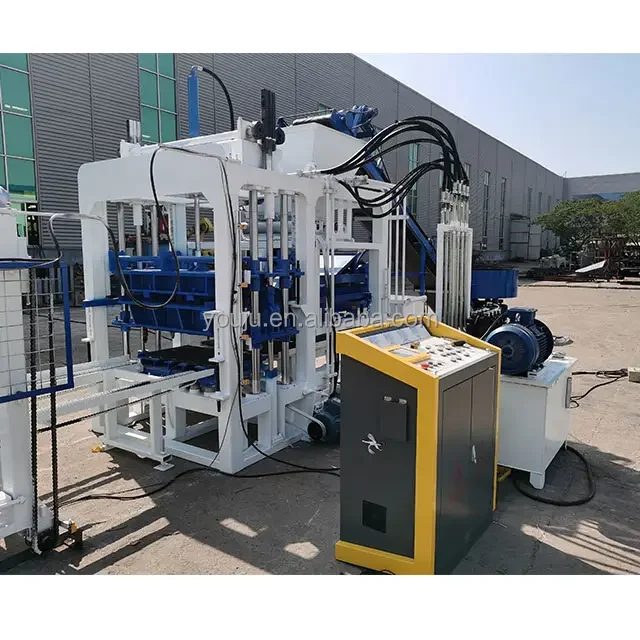
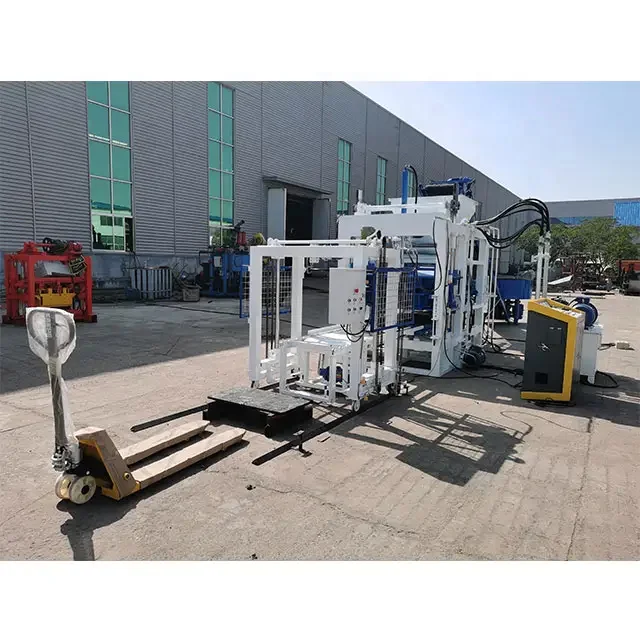
Stocked QT4-18 units ready for container loading — Dispatch lead time, arrival estimate, and dismantling layout confirmed before payment so project-deadline buyers know exactly when the press reaches their port.
Technical Specifications
| Parameter | Value |
|---|---|
| Model | QT4-18 |
| Product Type | Automatic Concrete Block Making Machine |
| Overall Dimensions (L×W×H) | 2500×1750×2200mm |
| Rated Pressure | 16MPa |
| Vibration Form | Platform Vibration |
| Pallet Size | 950×550mm |
| Molding Cycle | 18-25s (basis to be confirmed per block format) |
| Overall Power | 27.5kW |
| Control System | PLC with frequency converter |
| Electrical Components | Schneider |
| Mold Lifting Mechanism | Double-sided sync gears |
| Material Feeding System | Hopper, feeding box, feeding platform, conveyor system |
| Block Receiver | Chassis, transport system, idlers, motor, reducer, triangular belt |
| Supporting Equipment Options | JQ500 concrete mixer, 8m or 6m belt conveyor, stacker, block gripper, trolley, concrete batching plant |
| Mould Configuration | One free hollow mould included; extra moulds customizable |
Application Suitability
| Application | Material or Output |
|---|---|
| Hollow block production for residential and commercial wall construction | Crushed stone, cement, sand, and water mix |
| Solid block manufacturing for load-bearing structures | Dense aggregate and cement blends |
| On-site block production for infrastructure contractors | Locally sourced aggregate matching regional availability |
| First plant setup for regional building material distributors | Standard concrete masonry units for regional market demand |
Why the Voltage Question Must Come Before the Dispatch Date
A stocked QT4-18 block machine in stock means nothing if the PLC and motor wiring do not match your site supply on arrival.
I have seen machines sit on a dock for weeks because the frequency was confirmed after production finished. The QT4-18 block machine in stock ships fast only when voltage, frequency, and PLC display language are locked at order stage. Buyers working to a project milestone cannot afford a commissioning delay caused by a mismatched electrical cabinet. [NEED_CITE: voltage and frequency standards by export market]
Container Loading and Dismantling Layout
The QT4-18 block machine in stock is dismantled into major assemblies — press frame, hydraulic station, control cabinet, and feeder — each sized to fit standard container dimensions. Loading photographs are taken at the yard before the doors close, showing securing points and bracing so the buyer can plan unloading equipment at the destination port.
Dispatch Lead Time Transparency
Every stocked unit carries a dispatch lead time quoted upfront, calculated from warehouse release to container gate-in. The arrival estimate factors in origin port congestion and transit schedule, giving buyers a realistic date to coordinate foundation work and operator readiness at their site. [NEED_CITE: typical ocean freight transit times by destination region]
How Platform Vibration and Hydraulic Pressure Interact
The 16MPa rated pressure works together with platform vibration to compact the concrete mix into the mould cavity. Higher vibration frequency alone does not guarantee block density if hydraulic pressure is insufficient to close the mould tightly during the cycle. The pallet size of 950×550mm determines the curing area footprint — buyers must confirm their existing forklift and curing rack spacing match this dimension before dispatch. The double-sided sync gears on the mould lifting mechanism keep the mould aligned during release, reducing edge chipping on finished blocks. The 27.5kW overall power draw requires a dedicated circuit sized for starting current, not just running load.
What Happens When Pallet Size Is Confirmed Too Late
A pallet dimension mismatch means the buyer’s existing curing racks and forklift cannot handle the output. Blocks pile up on the production floor waiting for manual handling, negating the cycle time advantage the press was supposed to deliver. I have watched a contractor rent an extra forklift at the last minute because the pallet width did not clear the mast on their unit. [NEED_CITE: pallet handling compatibility in block plant operations]
Why Buyers Source the QT4-18 Here
Stocked configurations of the QT4-18 block machine in stock include the press, JQ500 mixer, belt conveyor, and stacker as a matched set, so the line is complete on arrival rather than assembled from separate shipments. Standard hollow moulds ship with the press; additional format moulds are loaded into the same container to avoid a second freight booking. Container loading plans with dismantling instructions are provided before payment so the buyer can verify the load fits their chosen container type. Voltage and frequency confirmation happens at order stage, not after production, eliminating electrical rework on site. Packing photographs document every securing point so damage claims are straightforward if transit issues arise.
Documentation & Verification
- Factory test record run on the buyer’s specified block format before dispatch
- Container loading plan with dismantling layout and securing point photographs
- Voltage, frequency, and PLC display language confirmation sheet signed at order
- Packing list matching container load against shipped components
- Hydraulic and electrical schematic matching the as-built configuration
Installation, Commissioning & Support
- Foundation preparation per layout drawing before the 2500×1750×2200mm press arrives on site
- Dedicated power circuit sized for the 27.5kW overall power including motor starting current
- On-site assembly of dismantled press frame, hydraulic station, and feeder per shipped layout
- PLC parameter setting against the buyer’s local block format and mix design at first run
- Operator training on mould change procedure using the double-sided sync gear lifting mechanism
- Wear parts list covering hydraulic seals, vibration motor bearings, and mould liner replacements
What to Confirm Before Requesting a Dispatch Quote
Provide your target block format, daily output requirement, and the local aggregate you will source. State your site voltage and frequency, the PLC display language your operators need, and whether your curing area and forklift accommodate the 950×550mm pallet. Confirm your project start date so the dispatch lead time can be matched to your schedule.
Frequently Asked Questions
Q: Which QT4-18 configurations and moulds are currently stocked versus made to order?
A: Standard QT4-18 units with the included hollow mould and basic supporting equipment are held in stock. Custom mould formats and specific voltage or frequency configurations are built to order, with lead time quoted at inquiry. Buyers needing non-standard PLC language or electrical components should confirm requirements before order placement.
Q: How is the dispatch lead time calculated and what does the arrival estimate include?
A: Dispatch lead time counts from warehouse release to container gate-in at the origin port. The arrival estimate adds ocean transit time based on the destination port schedule. Both figures are quoted before payment so the buyer can plan foundation work and commissioning dates against their project milestone.
Q: How is the machine dismantled for container loading and what photographs are provided?
A: The press frame, hydraulic station, control cabinet, and feeder are separated into container-sized assemblies. Photographs show each component secured inside the container with bracing and tie-down points documented. The buyer receives these images before the container leaves the yard for their records.
Q: What happens if my required voltage or frequency is not a stocked configuration?
A: Electrical cabinets built for non-stocked voltage or frequency are wired to order, with lead time quoted upfront. The PLC display language is configured during production so operators see their preferred language on first power-up. Buyers should confirm these details at inquiry to avoid commissioning delays after arrival.